Pressure Switch On Goodman Furnace

Understanding the Pressure Switch in Your Goodman Furnace
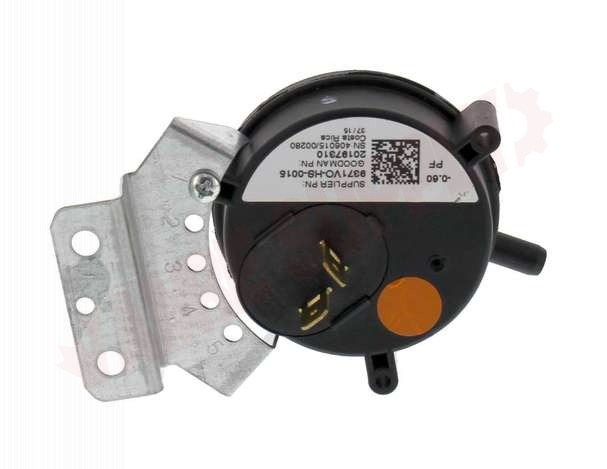
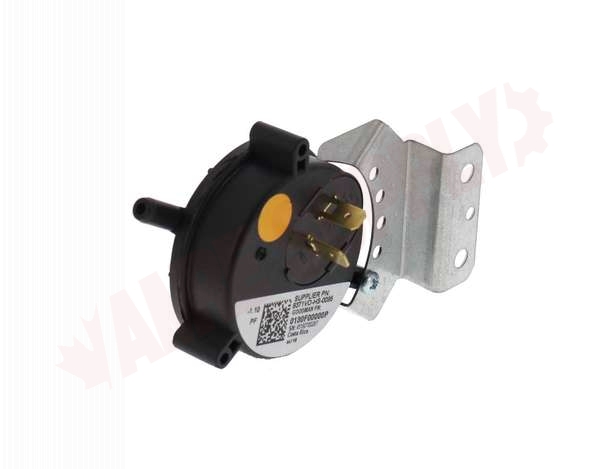
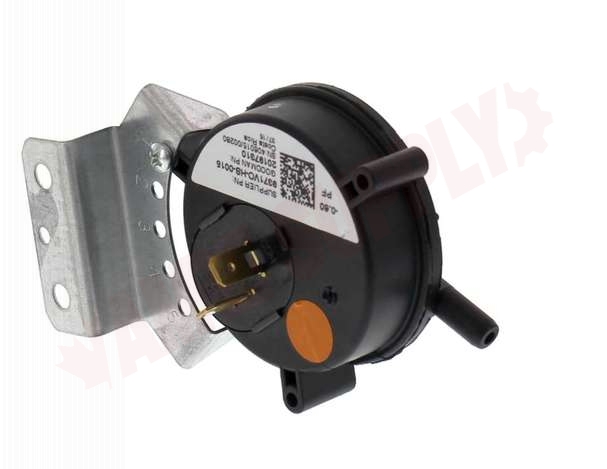
The pressure switch in a Goodman furnace is a crucial safety component. It’s designed to ensure that the furnace’s combustion blower is operating correctly before the main gas valve opens, preventing the dangerous buildup of unburnt fuel. Think of it as a gatekeeper, allowing the furnace to ignite only when it's safe to do so.
What is a Pressure Switch and How Does it Work?
In simple terms, a pressure switch is a device that senses pressure and opens or closes an electrical circuit based on that pressure. In a Goodman furnace, it's specifically a negative pressure switch. This means it monitors the suction created by the combustion blower, also known as the inducer motor. The combustion blower’s job is to draw exhaust gases out of the heat exchanger and vent them outside.
Here's the sequence of events:
- Call for Heat: Your thermostat signals the furnace to turn on.
- Inducer Motor Activation: The combustion blower (inducer motor) starts.
- Pressure Sensing: The inducer motor creates a slight vacuum, or negative pressure, in the flue. This negative pressure is sensed by the pressure switch.
- Switch Closure: If the pressure is within the acceptable range (as determined by the manufacturer's specifications – typically a very small pressure measured in inches of water column, in. w.c.), the pressure switch closes its electrical contacts.
- Ignition Sequence: With the pressure switch closed, the furnace control board knows it's safe to proceed. It then activates the igniter, and the gas valve opens, allowing gas to flow to the burners.
If the pressure switch doesn't close, the furnace will shut down or refuse to start. This is a critical safety mechanism that prevents the furnace from operating improperly and potentially causing a hazardous situation, such as carbon monoxide poisoning. A common symptom of a faulty pressure switch, therefore, is the furnace turning on, then quickly shutting down.
Types of Pressure Switches Used in Goodman Furnaces
While the basic function remains the same, Goodman furnaces utilize different types of pressure switches based on the furnace model and age. Here are a few common types:
- Single-Stage Pressure Switch: These switches have a single set of contacts and a single pressure threshold. If the pressure reaches that threshold, the switch either opens or closes.
- Dual-Stage Pressure Switch: Found in some higher-efficiency furnaces, these switches have two sets of contacts and two pressure thresholds. This allows the furnace to operate at different firing rates (low fire and high fire) based on the heating demand.
- Adjustable Pressure Switch: Some pressure switches have an adjustment screw that allows you to fine-tune the pressure at which the switch activates. However, adjusting these switches should only be done by a qualified HVAC technician using specialized tools to measure the pressure accurately. Incorrect adjustment can lead to unsafe operation.
Troubleshooting a Goodman Furnace Pressure Switch
If your Goodman furnace is experiencing problems, a faulty pressure switch is a common culprit. Here's a basic troubleshooting guide, but remember, working with gas appliances can be dangerous. If you're not comfortable, always call a qualified HVAC technician.
Common Symptoms of a Faulty Pressure Switch:
- Furnace starts, then shuts down after a few seconds or minutes.
- Furnace won't start at all.
- Error code related to pressure switch failure is displayed on the furnace control board. (Consult your furnace's manual for specific error codes).
Troubleshooting Steps:
- Visual Inspection: Check the pressure switch and its connected tubing for any signs of damage, cracks, or blockages. Make sure the tubing is securely connected.
- Check for Obstructions: Examine the vent pipe (flue) for any obstructions like bird nests, debris, or ice buildup. A blocked vent can prevent the inducer motor from creating sufficient negative pressure.
- Check the Inducer Motor: Ensure the inducer motor is running smoothly and freely. If it's making unusual noises or not spinning properly, it may be failing.
- Manually Test the Switch (Advanced): This should only be done by qualified technicians. Using a multimeter, you can check the continuity of the switch when the inducer motor is running. If the switch is open when it should be closed, it's likely faulty. You can also use a manometer to verify that the proper negative pressure is being achieved.
- Inspect the Condensate Drain: A clogged condensate drain can back up water into the furnace and affect the pressure switch. Clean the drain line to ensure proper drainage.
Warning: Never bypass or disable the pressure switch! This is a critical safety device, and bypassing it can lead to dangerous conditions.
Replacing a Pressure Switch
If you've determined that the pressure switch is faulty, it will need to be replaced. Here's a general overview of the replacement process:
- Turn off the power: Disconnect the power to the furnace at the circuit breaker.
- Locate the pressure switch: The pressure switch is typically located near the inducer motor, usually on the top of the furnace.
- Disconnect the wires: Carefully disconnect the wires from the pressure switch, noting their positions.
- Remove the tubing: Detach the tubing connected to the pressure switch.
- Remove the old switch: Unscrew or unclip the old switch from its mounting bracket.
- Install the new switch: Mount the new switch in the same location and orientation as the old one.
- Reconnect the tubing: Reattach the tubing to the new switch, ensuring a secure fit.
- Reconnect the wires: Reconnect the wires to the new switch, matching the positions of the old wires.
- Turn on the power: Restore power to the furnace at the circuit breaker.
- Test the furnace: Turn on the furnace and observe its operation. Ensure it starts and runs smoothly.
It's crucial to use the correct replacement pressure switch specified for your Goodman furnace model. Using the wrong switch can lead to improper operation and safety hazards. The part number is usually printed directly on the switch itself. Ordering from a reputable HVAC parts supplier ensures you get the correct component.
Preventative Maintenance and Pressure Switch Longevity
Regular maintenance can help prolong the life of your pressure switch and prevent problems. Here are some tips:
- Annual Furnace Tune-Up: Schedule an annual furnace tune-up with a qualified HVAC technician. They will inspect the pressure switch, clean the vent pipe, and check for any potential issues.
- Air Filter Replacement: Regularly replace your furnace air filter. A dirty air filter can restrict airflow, causing the furnace to work harder and potentially leading to problems with the inducer motor and pressure switch.
- Clear Debris: Keep the area around the furnace clean and free of debris.
Cost Considerations
The cost of a pressure switch replacement can vary depending on the furnace model and the local labor rates. Here's a general breakdown:
- Pressure Switch Part: $20 - $100 (depending on the complexity and brand)
- Labor Cost: $75 - $200 (depending on the complexity of the job and the technician's hourly rate)
- Total Cost: $95 - $300 (approximate)
While it might be tempting to try and save money by replacing the pressure switch yourself, it's important to consider the risks involved. Improper installation can lead to safety hazards and further damage to your furnace. Unless you have the necessary skills and experience, it's best to leave the job to a qualified HVAC technician. They have the tools, knowledge, and experience to diagnose the problem correctly and replace the switch safely and efficiently.
Conclusion
The pressure switch is a vital safety component in your Goodman furnace, ensuring safe and efficient operation. Understanding its function, common issues, and troubleshooting steps can help you maintain your furnace and prevent costly repairs. Remember to prioritize safety and consult with a qualified HVAC technician for any complex repairs or replacements. Proper maintenance and timely repairs will keep your furnace running smoothly for years to come, providing you with reliable warmth and comfort during the cold winter months.