Propane Boiler For Radiant Floor Heat
Radiant floor heating, powered by a propane boiler, offers a wonderfully consistent and comfortable warmth. However, like any mechanical system, it can sometimes experience problems. Imagine waking up on a chilly morning only to discover your floors are cold, despite the thermostat being set high. This article aims to provide you with a step-by-step guide to troubleshoot common issues, helping you restore your radiant floor heating or determine when it's time to call in a professional.
Understanding the Basics
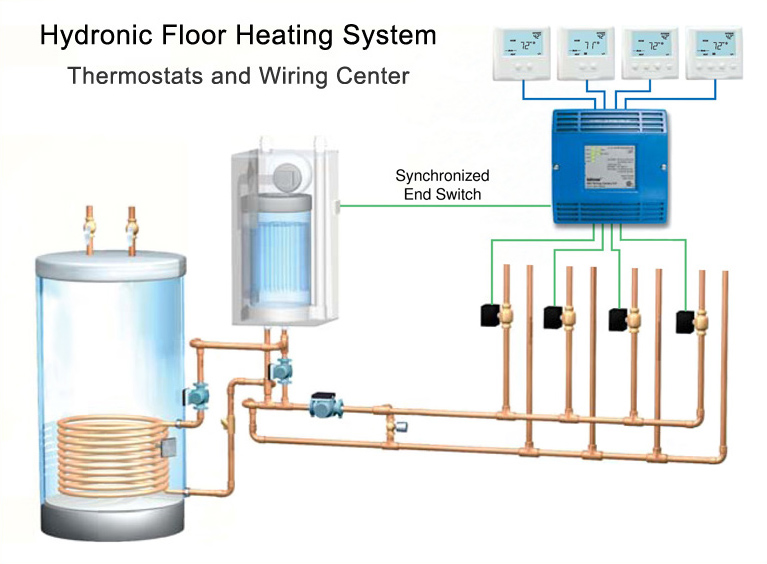
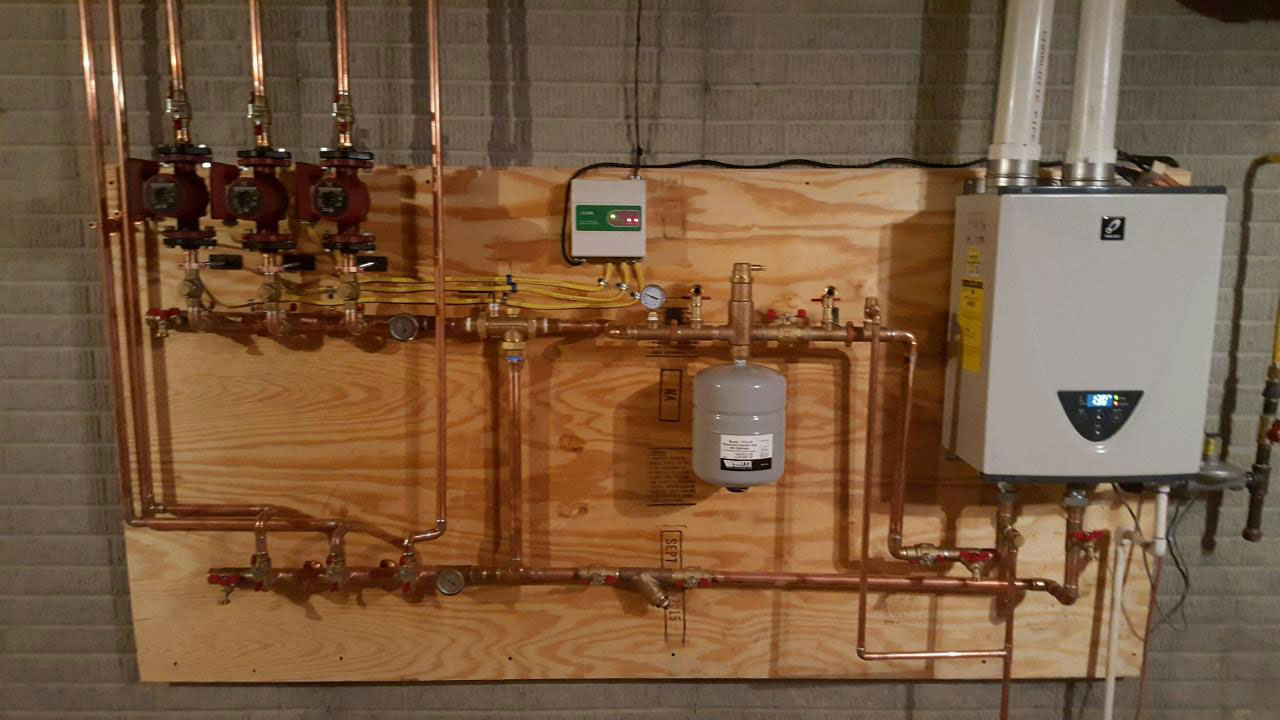
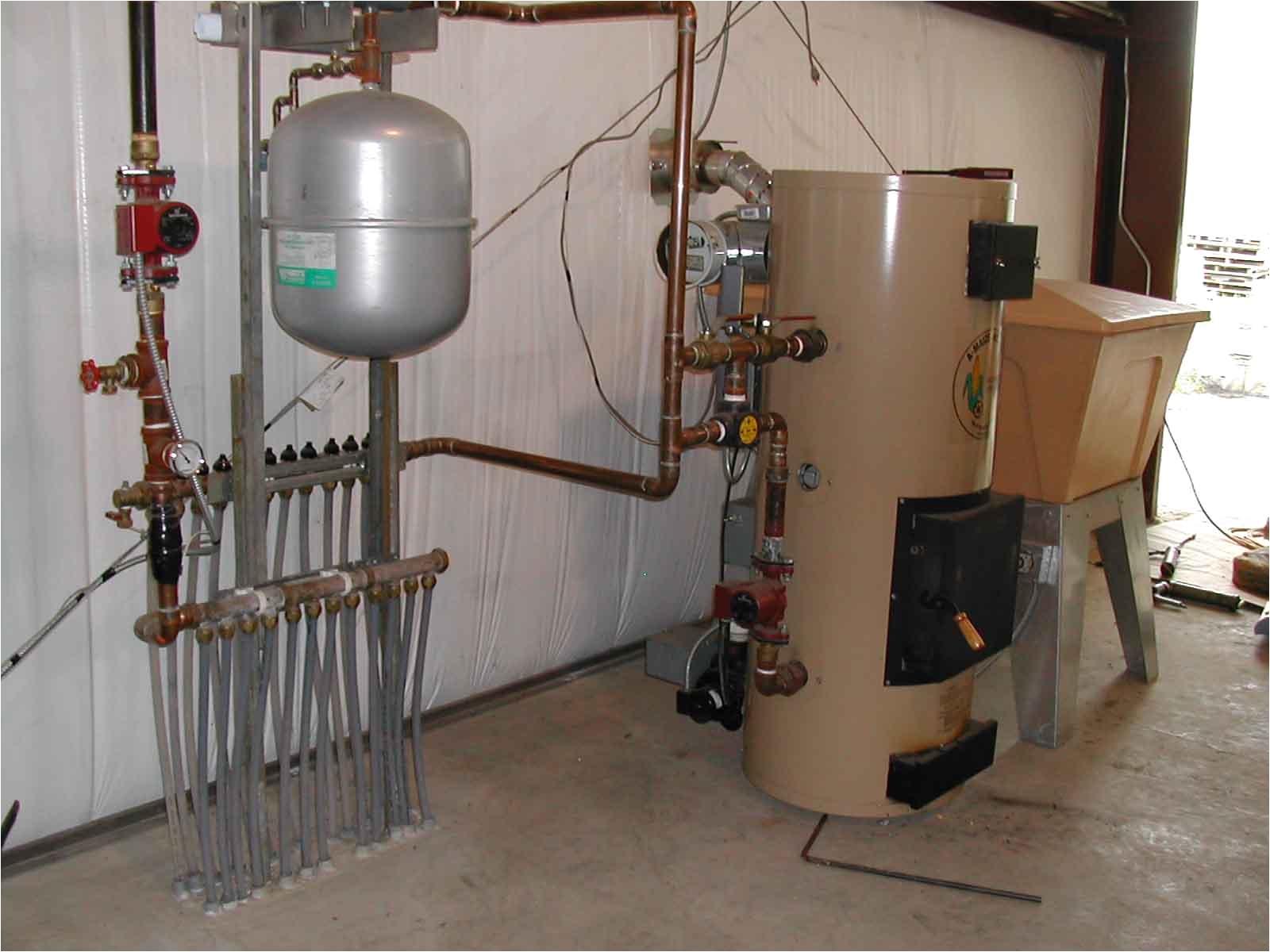
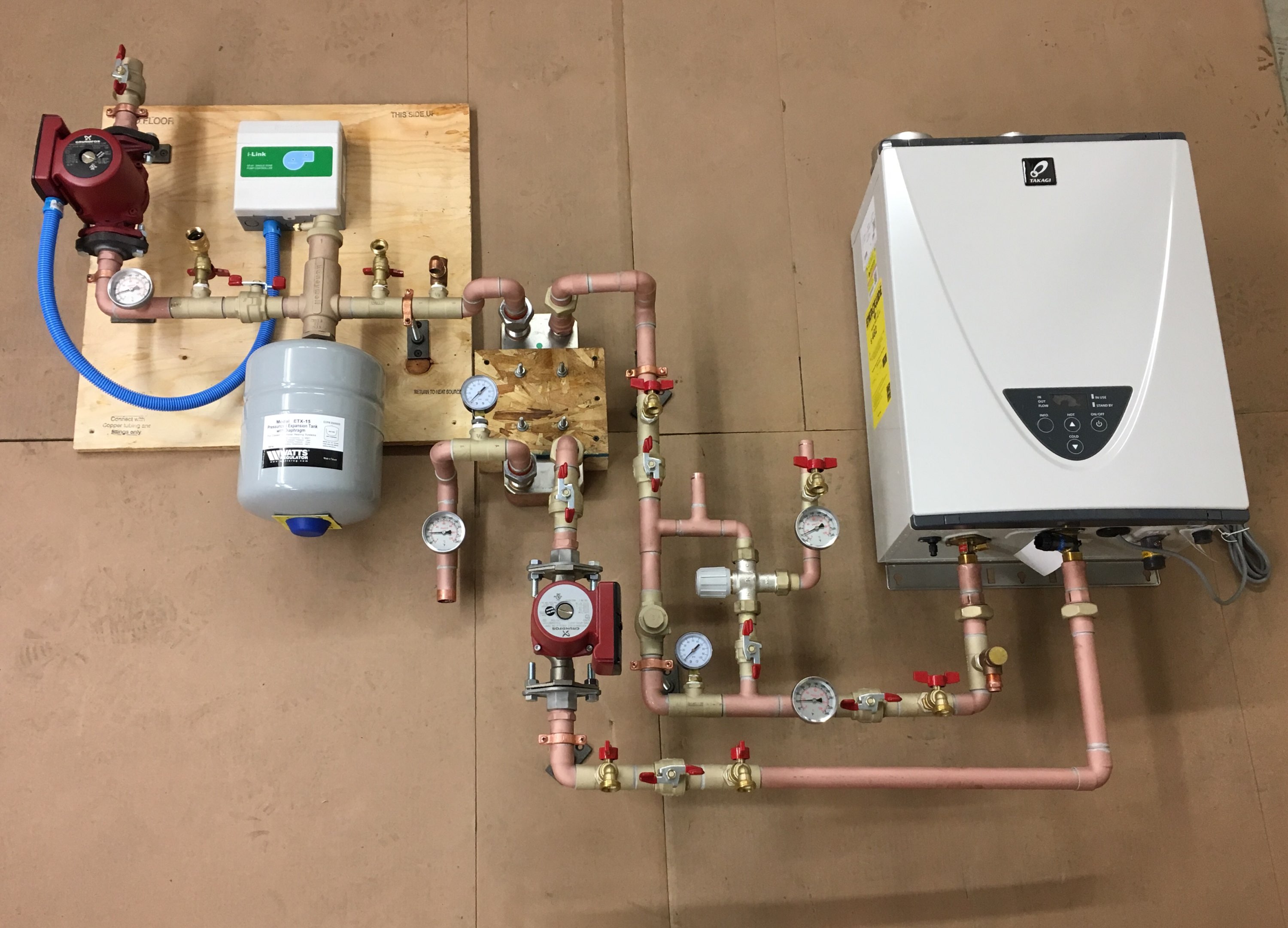
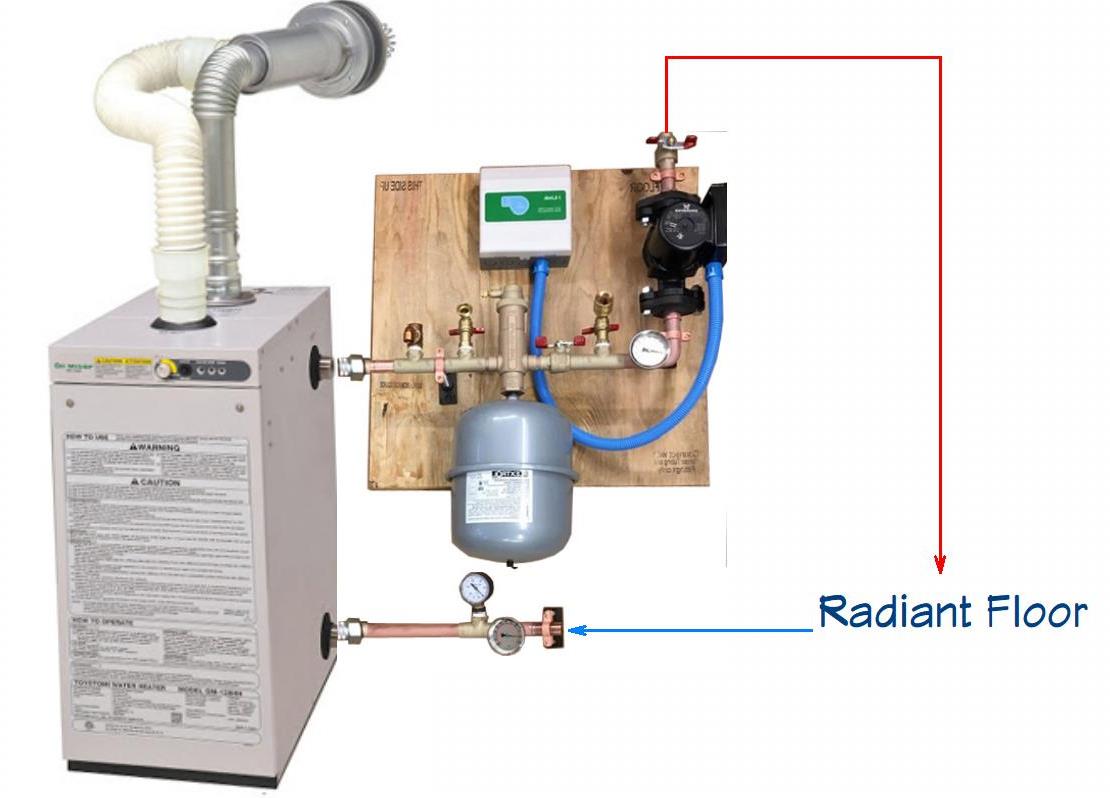
Before diving into troubleshooting, it's helpful to understand the basic components of your radiant floor heating system:
- Propane Tank: The fuel source for your boiler.
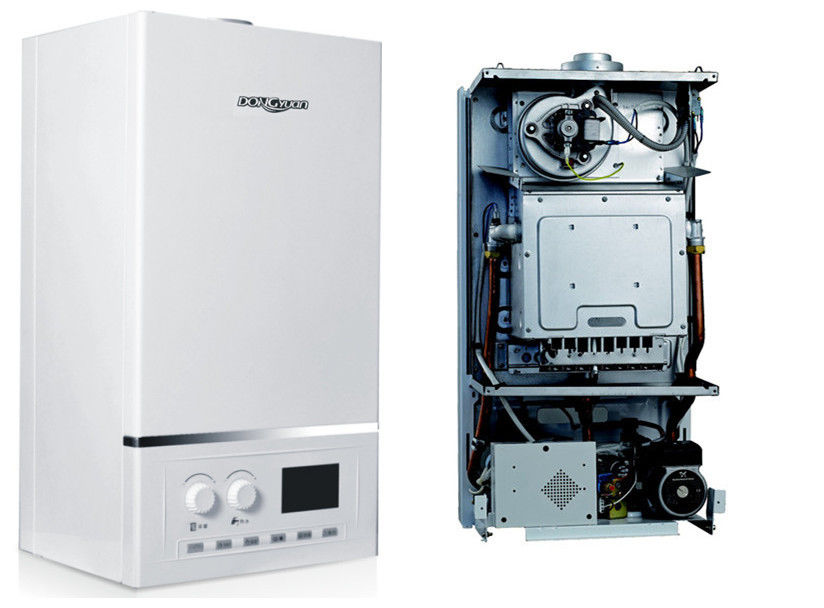
- Propane Boiler: Heats the water that circulates through the radiant floor system.
- Circulating Pump: Pushes the heated water through the pipes embedded in your floor.
- Manifold: Distributes the hot water to different zones in your home.
- Thermostat: Controls the boiler and pump, maintaining the desired temperature.
- Radiant Floor Piping: Pipes embedded in the floor that carry the heated water.
Common Problems and Troubleshooting Steps
1. No Heat at All
This is the most significant problem and requires a systematic approach.
- Check the Thermostat:
- Is it set correctly? Ensure the thermostat is set to "Heat" mode and the temperature is higher than the current room temperature.
- Are the batteries dead? Replace the batteries in your thermostat, even if the display appears to be working. Low batteries can cause erratic behavior.
- Is the thermostat functioning correctly? Try a simple test. Increase the set temperature significantly (5-10 degrees). You should hear a click from the thermostat as it calls for heat. If you don't, the thermostat may be faulty and need replacement. *Replacing a thermostat is generally a straightforward DIY task, but consult the manufacturer's instructions.*
- Check the Power Supply:
- Is the boiler receiving power? Check the circuit breaker for the boiler in your electrical panel. A tripped breaker is a common culprit. Reset the breaker. If it trips again immediately, do not keep resetting it. This indicates a more serious electrical problem that requires a qualified electrician.
- Inspect the wiring around the boiler. Look for any loose connections or signs of damage. *Never touch exposed wires. If you see any damage, call a professional.*
- Check the Propane Supply:
- Is the propane tank full? Check the gauge on your propane tank. If it's empty or very low, you'll need to schedule a delivery.
- Is the propane supply valve open? Locate the shut-off valve on the propane tank and ensure it's fully open.
- Smell for propane leaks. If you smell propane, immediately evacuate your home and call your propane supplier or the fire department from a safe location. Do not use any electrical devices or light any flames.
- Check the Boiler:
- Is the boiler's power switch on? Many boilers have a separate power switch that needs to be turned on in addition to the circuit breaker.
- Look for error codes. Modern boilers often display error codes that can help diagnose the problem. Consult your boiler's manual to interpret the error code. *Note the error code down before calling a professional, as it can save them time and you money.*
- Check the pressure gauge. The pressure gauge should be within the operating range specified in your boiler's manual. Low pressure can indicate a leak in the system. High pressure can indicate another issue.
- Check the Circulating Pump:
- Listen to the pump. Is it running? You should be able to hear a slight hum or vibration. If it's silent, it may be faulty.
- Check for airlocks. Air trapped in the system can prevent the pump from circulating water effectively. Many pumps have a bleed screw that you can loosen to release trapped air. *Consult your pump's manual for the proper procedure. Be prepared for a small amount of water to escape.*
2. Some Zones are Cold, Others are Warm
This indicates a problem with zone control or circulation.
- Check Zone Valves:
- Locate the zone valves. These are typically located on the manifold.
- Manually open the valve. Most zone valves have a manual override lever. Try manually opening the valve for the cold zone to see if heat is restored. If it is, the valve actuator may be faulty and need replacement. *Replacing a zone valve actuator is often a DIY task, but consult the manufacturer's instructions and turn off the power to the boiler first.*
- Check the wiring to the zone valve actuator. Look for any loose connections or damage.
- Check for Air in the System:
- Bleed the zone. Each zone should have a bleed valve. Use a small container to catch any water and slowly open the bleed valve until only water comes out. This will remove any trapped air.
- Check Zone Thermostat:
- Ensure the zone thermostat is working correctly. Follow the same steps as outlined in section 1, step 1 for checking the main thermostat.
- Check Flow Meters:
- Observe flow meters on the manifold. These meters measure the flow rate of water through each zone. Ensure flow is occurring.
3. Boiler Keeps Shutting Off (Short Cycling)
Short cycling can be caused by several factors.
- Check for Air in the System:
- Air pockets can cause the boiler to overheat and shut down prematurely. Follow the bleeding procedures outlined above.
- Check Water Pressure:
- Low water pressure can cause the boiler to shut down. Ensure the pressure is within the recommended range in your boiler's manual.
- Check for Blocked Vents or Flues:
- Obstructions in the vents or flues can prevent proper combustion and cause the boiler to shut down. Visually inspect the vents for any debris or blockages. *Do not attempt to clean the vents yourself if they are difficult to access. Call a professional.*
- Check the Flame Sensor:
- A dirty or faulty flame sensor can cause the boiler to shut down. The flame sensor detects the presence of a flame and ensures that the gas valve shuts off if the flame is extinguished. *This repair should generally be left to a qualified technician.*
4. Noisy Boiler
Unusual noises from the boiler can indicate a problem.
- Gurgling or Bubbling Sounds:
- Indicates air in the system. Bleed the system thoroughly.
- Banging or Knocking Sounds:
- May indicate scale buildup in the boiler. This requires professional cleaning.
- Whistling Sounds:
- May indicate a restriction in the piping. This requires professional inspection.
When to Call a Professional
While many of the above troubleshooting steps are safe for homeowners to attempt, certain repairs require the expertise of a qualified technician. Never attempt repairs that involve:
- Working with gas lines.
- Complex electrical work inside the boiler.
- Repairs involving the combustion chamber.
- Any repair you are not comfortable performing.
- Repairs that require specialized tools or knowledge.
Specifically, if you suspect a gas leak, smell gas, or are unsure about any step, immediately contact a qualified HVAC technician or your propane supplier. Safety should always be your top priority.
Preventative Maintenance
Regular maintenance can help prevent many of the problems discussed above.
- Annual Boiler Service: Have your boiler professionally inspected and serviced annually. This includes cleaning, inspection of components, and adjustment of settings.
- Regularly Check Water Pressure: Monitor the water pressure gauge and add water to the system as needed to maintain the proper pressure.
- Bleed the System Periodically: Bleed the system to remove trapped air.
- Keep the Area Around the Boiler Clean and Clear: Ensure there is adequate ventilation around the boiler.
Conclusion
Troubleshooting a propane boiler for radiant floor heat can seem daunting, but by following these steps, you can often identify and resolve common issues. Remember to prioritize safety and call a professional when necessary. With a little knowledge and preventative maintenance, you can keep your radiant floor heating system running smoothly and enjoy consistent, comfortable warmth throughout your home.