Propane Furnace Parts

Understanding the Core Components of a Propane Furnace
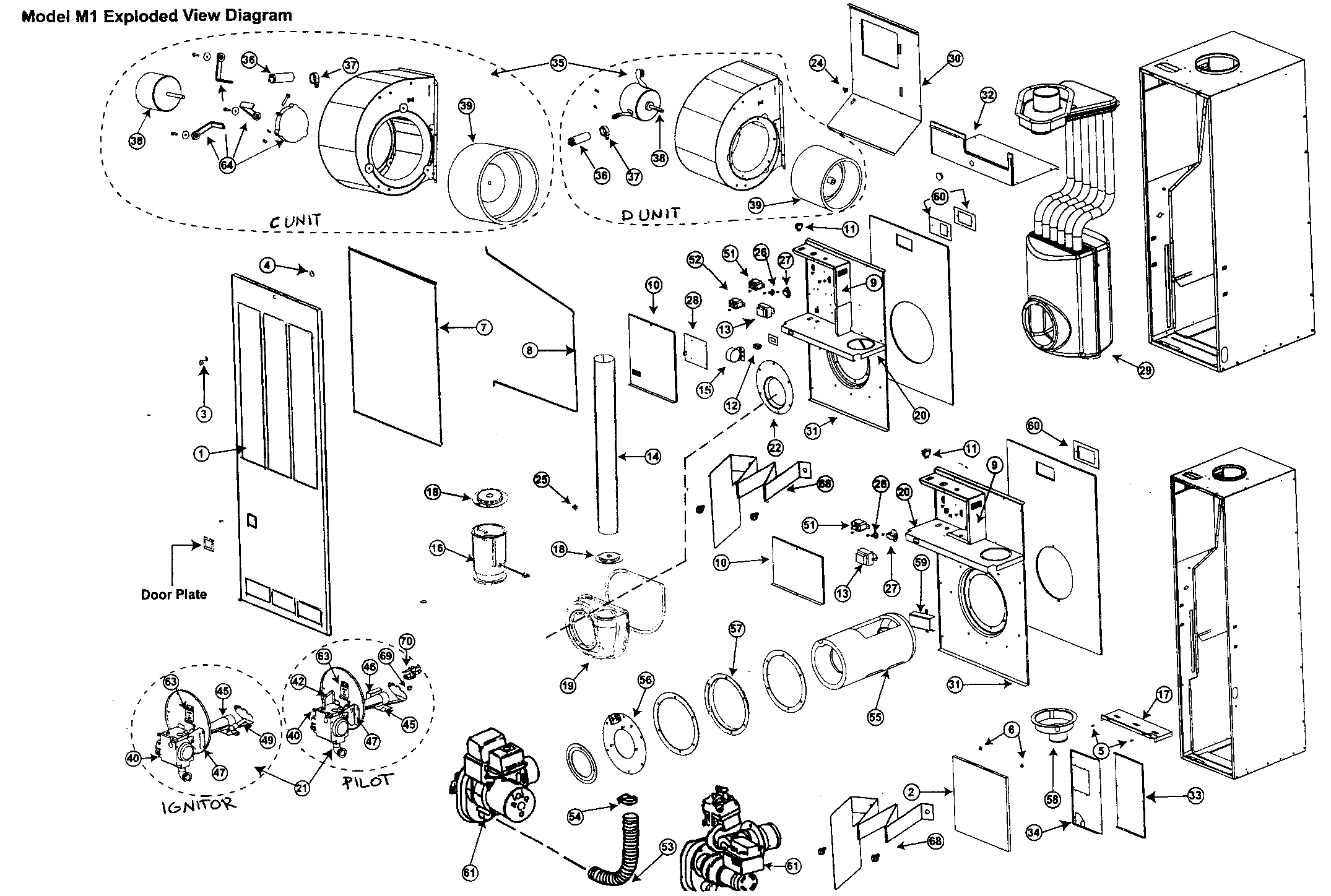
Propane furnaces are a popular choice for heating homes and commercial buildings, particularly in areas where natural gas isn't readily available. Understanding the key parts that make up a propane furnace is crucial for homeowners, HVAC technicians, and facility managers alike. This knowledge allows for informed decisions regarding maintenance, repairs, and system upgrades. Let's delve into the essential components and their functions.
The Burner Assembly: Where the Heat Begins
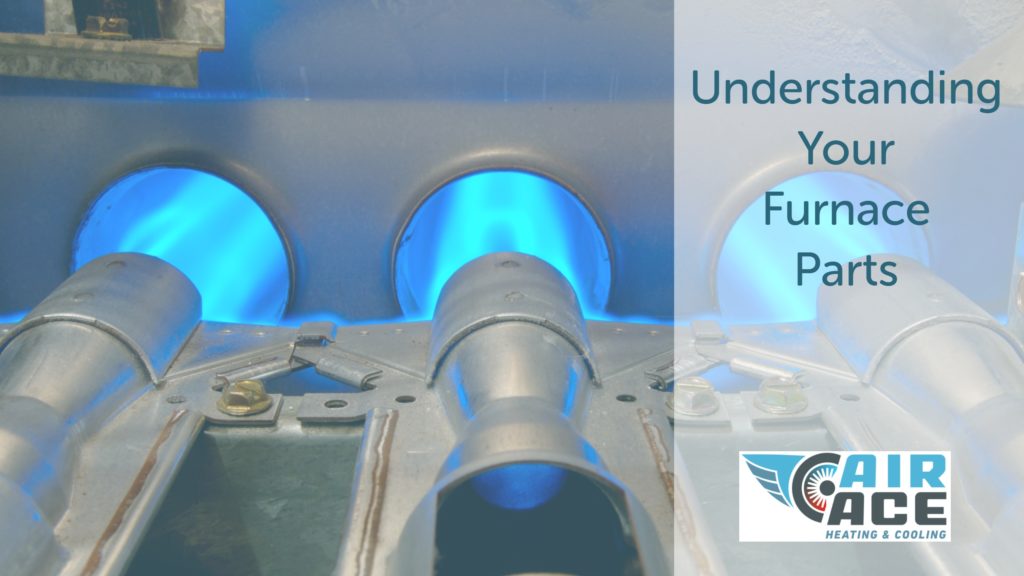
At the heart of a propane furnace lies the burner assembly. This is where propane and air are mixed in precise ratios and ignited to create a flame. The burners themselves are typically made of stainless steel or coated steel to withstand high temperatures and resist corrosion. Different furnace models employ various burner designs, including inshot burners (where the gas enters the burner directly) and upshot burners (where the gas enters from below). The design influences the efficiency and combustion characteristics of the furnace.
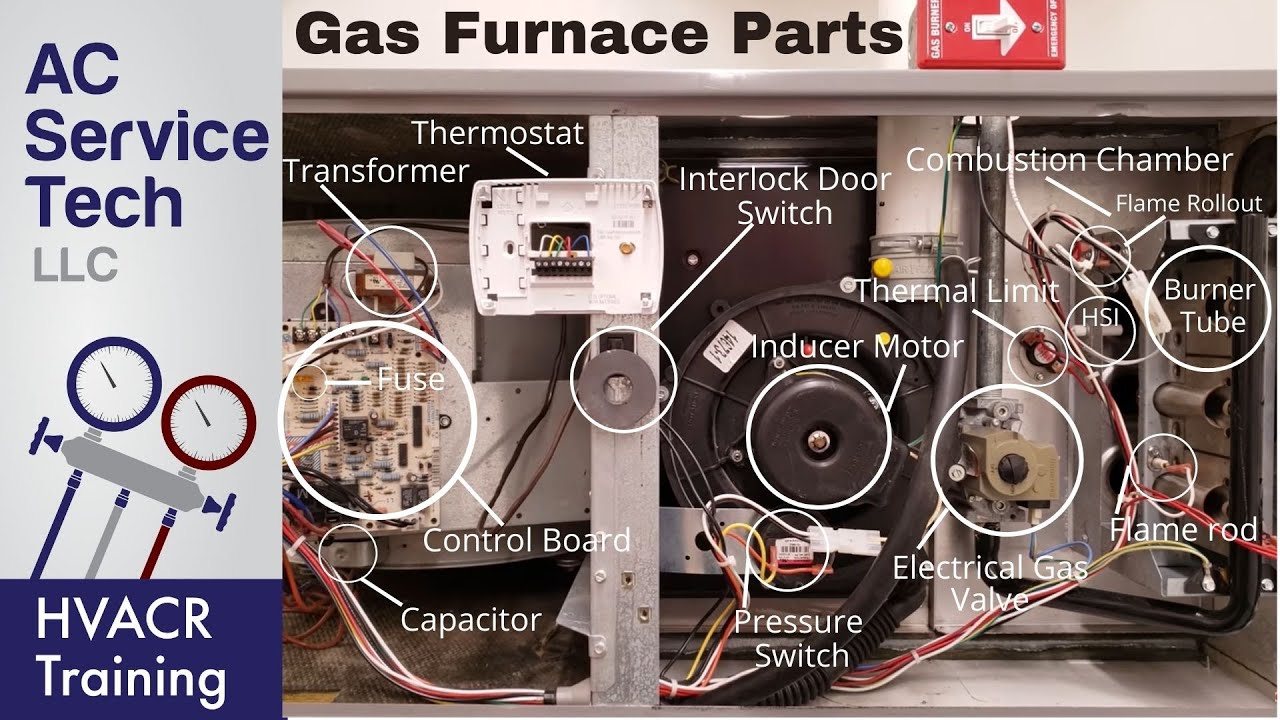
A key component within the burner assembly is the gas valve. This valve, controlled by the furnace's control board, regulates the flow of propane to the burners. It's a crucial safety feature, ensuring that gas is only supplied when the furnace is ready to ignite and that the flow is cut off immediately in case of a problem. Gas valves can be single-stage, two-stage, or modulating, affecting the furnace's heating output and efficiency. A two-stage gas valve, for example, can operate at a lower heat output most of the time, saving energy, and then ramp up to full capacity during periods of high demand.
The Heat Exchanger: Transferring Heat to the Air
The heat exchanger is arguably the most critical component in a propane furnace. It's a series of metal tubes or chambers that transfer the heat generated by the burning propane to the air that circulates through the furnace and into your home or building. Heat exchangers are typically made of aluminized steel or stainless steel. The design of the heat exchanger impacts the furnace's efficiency; a larger surface area allows for more efficient heat transfer.
The heat exchanger's integrity is paramount. Cracks or leaks in the heat exchanger can allow dangerous combustion byproducts, such as carbon monoxide, to enter the airstream and pose a serious health hazard. Regular inspection and maintenance are vital to ensure the heat exchanger is functioning safely and efficiently. Homeowners should invest in carbon monoxide detectors and check them regularly.
The Blower Motor: Circulating Warm Air
The blower motor is responsible for circulating air through the furnace and the ductwork. It draws cool air from the return vents, passes it over the heat exchanger to be warmed, and then pushes the heated air through the supply vents into the building. Blower motors come in various types, including single-speed, multi-speed, and variable-speed. Variable-speed blower motors are the most energy-efficient, as they can adjust their speed to match the heating demand, providing consistent temperatures and reducing energy consumption. They also tend to be quieter than single-speed motors.
The blower motor is a significant electricity consumer in a furnace. Upgrading to a high-efficiency blower motor can lead to substantial energy savings over the lifespan of the furnace.
The Control Board: The Brain of the Furnace
The control board acts as the central processing unit of the furnace, coordinating the operation of all the other components. It receives signals from the thermostat, controls the gas valve, igniter, blower motor, and safety switches. Modern control boards often incorporate diagnostic features that can help technicians troubleshoot problems quickly and accurately. They are programmed with specific sequences of operation and safety parameters.
A malfunctioning control board can cause a variety of problems, from the furnace not starting to intermittent shutdowns. Replacing a control board is often more cost-effective than replacing the entire furnace.
The Igniter: Starting the Flame
The igniter is responsible for igniting the propane-air mixture in the burner assembly. Older furnaces often used a pilot light, which is a small, continuously burning flame. Modern furnaces use either a hot surface igniter (HSI) or a spark igniter. HSIs are typically made of silicon carbide or silicon nitride and heat up rapidly to ignite the gas. Spark igniters use a high-voltage spark to ignite the gas.
Igniters are a common point of failure in propane furnaces. They are relatively inexpensive to replace and a malfunctioning igniter will typically cause the furnace to fail to start.
Safety Controls: Ensuring Safe Operation
Propane furnaces are equipped with a variety of safety controls to prevent dangerous conditions. These include:
- Flame sensor: Detects the presence of a flame. If the flame sensor doesn't detect a flame, it shuts off the gas valve to prevent unburned propane from accumulating.
- High-limit switch: Monitors the temperature of the heat exchanger. If the heat exchanger gets too hot, the high-limit switch shuts off the burner to prevent overheating and potential damage.
- Rollout switch: Detects if flames are rolling out of the burner compartment. If flames are detected outside the burner compartment, the rollout switch shuts off the gas valve.
- Pressure switch: Ensures that the blower motor is operating correctly and that there is proper airflow through the furnace. If the pressure switch doesn't detect adequate airflow, it prevents the furnace from starting.
These safety controls are crucial for preventing fires, explosions, and carbon monoxide poisoning. It's important to ensure that they are functioning properly. Regular maintenance can ensure optimal safety.
The Venting System: Expelling Combustion Byproducts
The venting system is responsible for safely expelling the combustion byproducts from the furnace to the outside. Propane furnaces typically use either natural draft venting or forced draft venting. Natural draft venting relies on the natural buoyancy of hot combustion gases to rise and exit the building through a chimney. Forced draft venting uses a fan to push the combustion gases out of the building through a vent pipe.
Proper venting is essential for preventing carbon monoxide buildup in the home. The venting system should be inspected regularly for leaks, blockages, and corrosion.
Propane Tank and Regulator: Fueling the Furnace
Although not technically part of the furnace itself, the propane tank and regulator are essential components of a propane heating system. The propane tank stores the propane fuel, and the regulator reduces the pressure of the propane to a level that the furnace can use safely. Propane tanks come in various sizes, depending on the heating demand of the building. The regulator must be properly sized and maintained to ensure a consistent and safe supply of propane to the furnace.
Cost, Efficiency, and Lifespan Considerations
The cost of a propane furnace varies depending on the size, efficiency, and features of the unit. High-efficiency furnaces typically cost more upfront but can save money on energy bills over the long term. The efficiency of a propane furnace is measured by its Annual Fuel Utilization Efficiency (AFUE) rating. A higher AFUE rating indicates a more efficient furnace. Most modern propane furnaces have AFUE ratings between 80% and 98%. The lifespan of a propane furnace is typically 15-20 years with proper maintenance. Regular maintenance, such as annual inspections and filter changes, can extend the lifespan of the furnace and improve its efficiency.
When choosing a propane furnace, consider the following factors:
- Size: The furnace should be properly sized for the heating demand of the building. An oversized furnace will cycle on and off frequently, leading to inefficient operation and premature wear and tear.
- Efficiency: Choose a furnace with a high AFUE rating to minimize energy consumption.
- Features: Consider features such as a variable-speed blower motor, two-stage gas valve, and diagnostic capabilities.
- Warranty: Look for a furnace with a comprehensive warranty.
Understanding the components of a propane furnace empowers homeowners, HVAC technicians, and facility managers to make informed decisions about their heating systems. Regular maintenance and timely repairs can ensure safe, efficient, and reliable operation for years to come.