Propane Tank For Gas Fireplace
Frequently Asked Questions: Propane Tanks for Gas Fireplaces
If you're considering a gas fireplace powered by propane, you likely have some questions. This guide provides clear and concise answers to common inquiries about propane tanks for gas fireplaces, helping you make informed decisions for your home.
Q: What size propane tank do I need for my gas fireplace?
Determining the right size propane tank depends on several factors, primarily the BTU (British Thermal Unit) rating of your fireplace and how frequently you plan to use it. The BTU rating indicates how much gas the fireplace consumes per hour.
Here's a general breakdown:
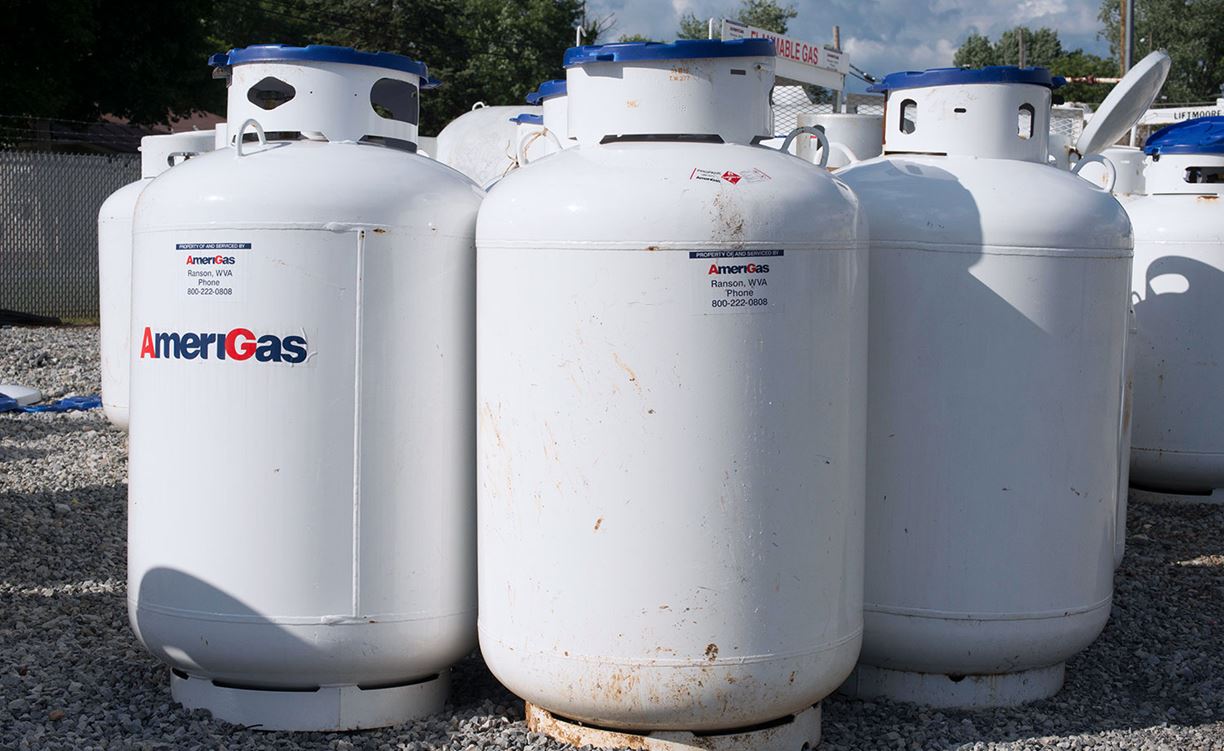
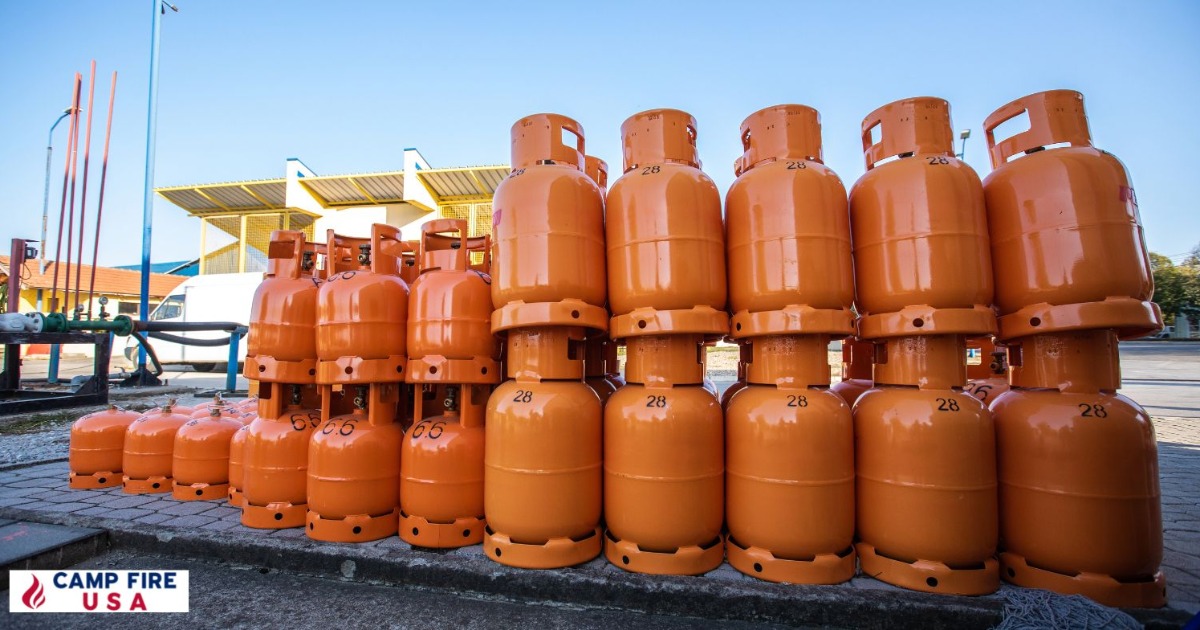
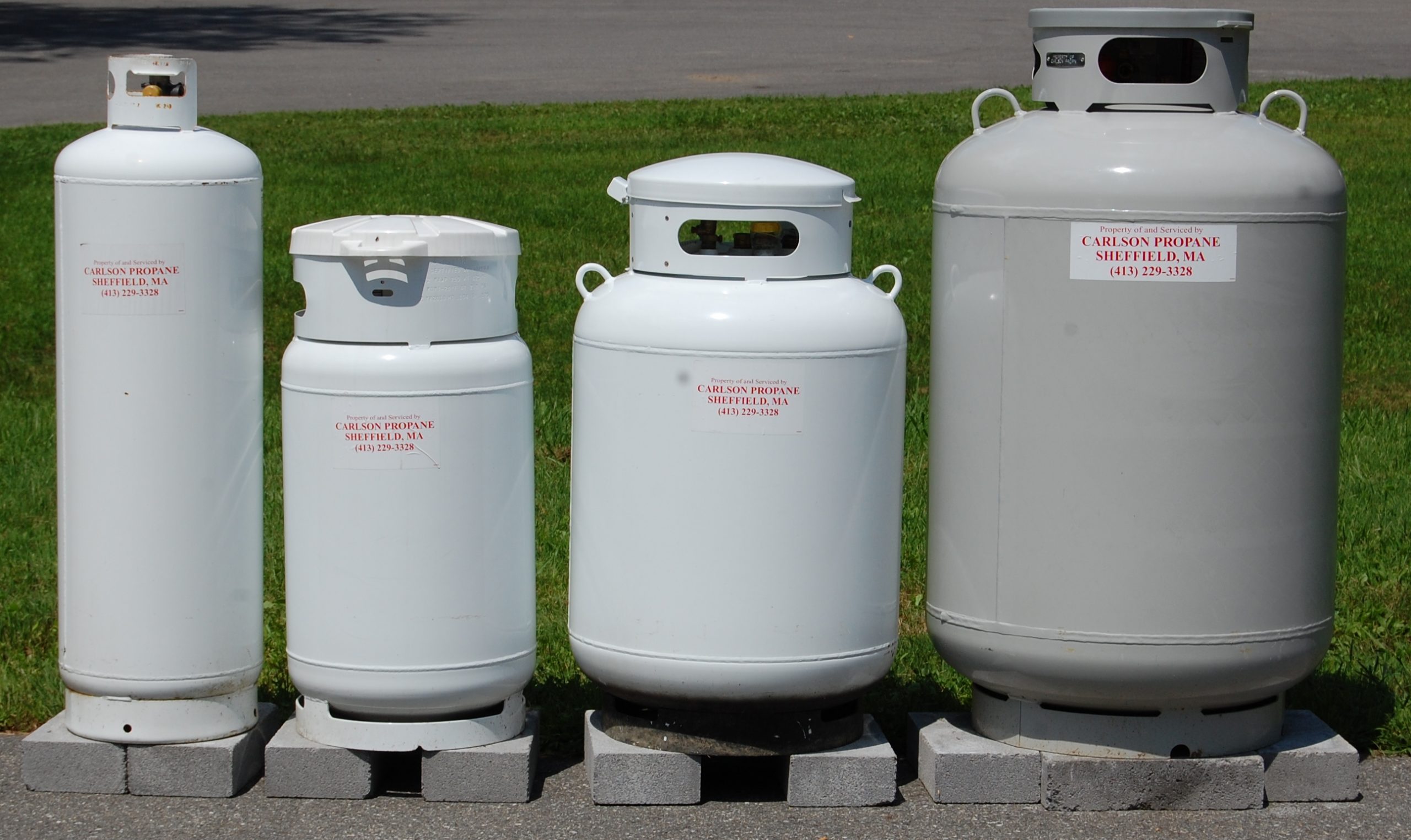
- Occasional Use (Weekends, infrequent evenings): A 20-lb propane tank (the type used for BBQ grills) might suffice for very small, low-BTU fireplaces. However, this is generally not recommended for safety and convenience reasons. It will require frequent refills.
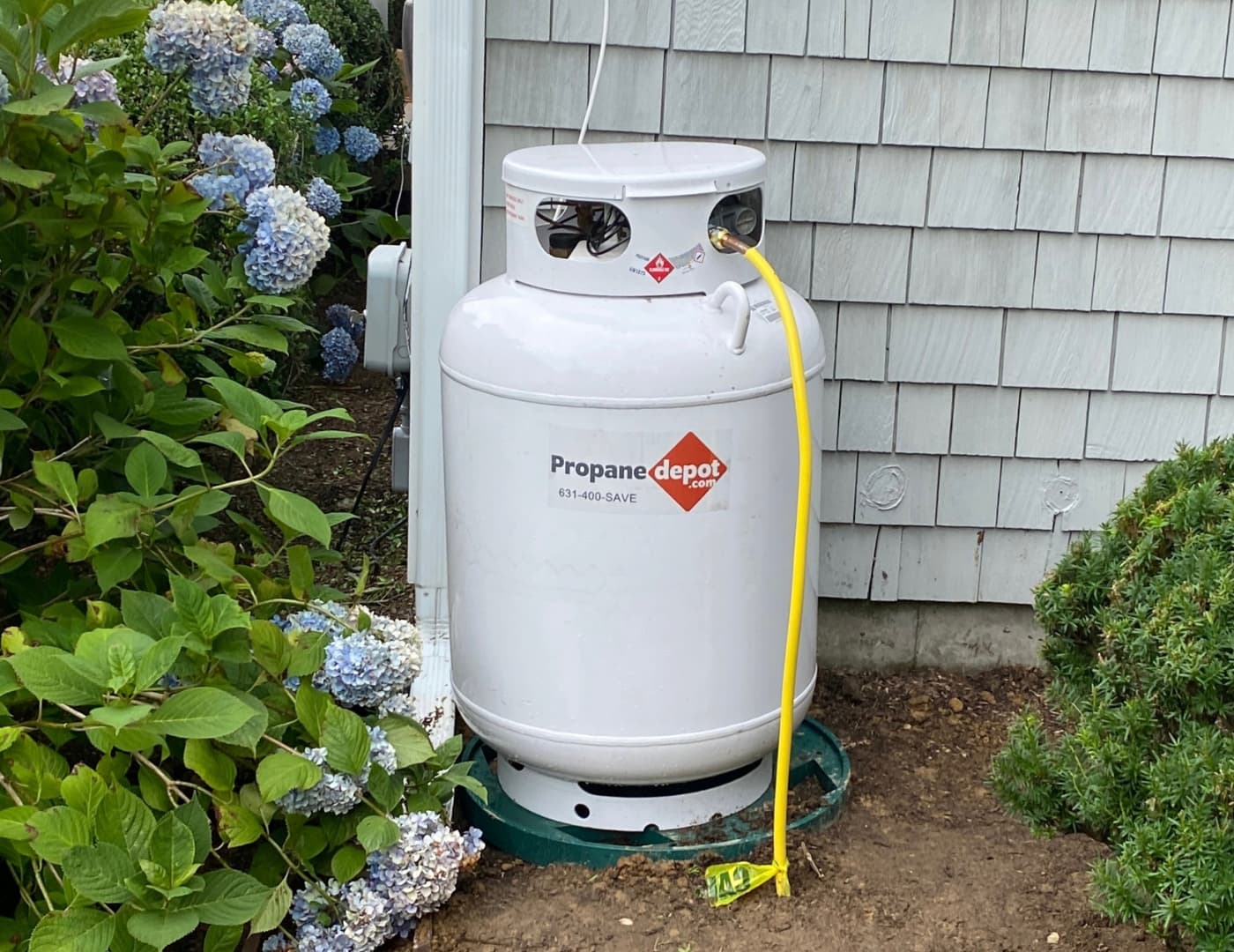
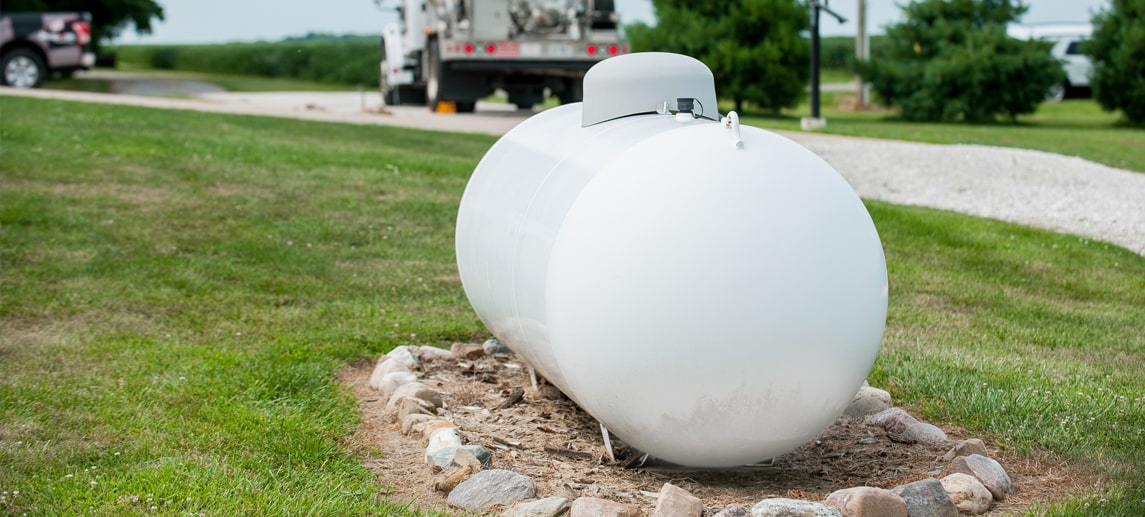
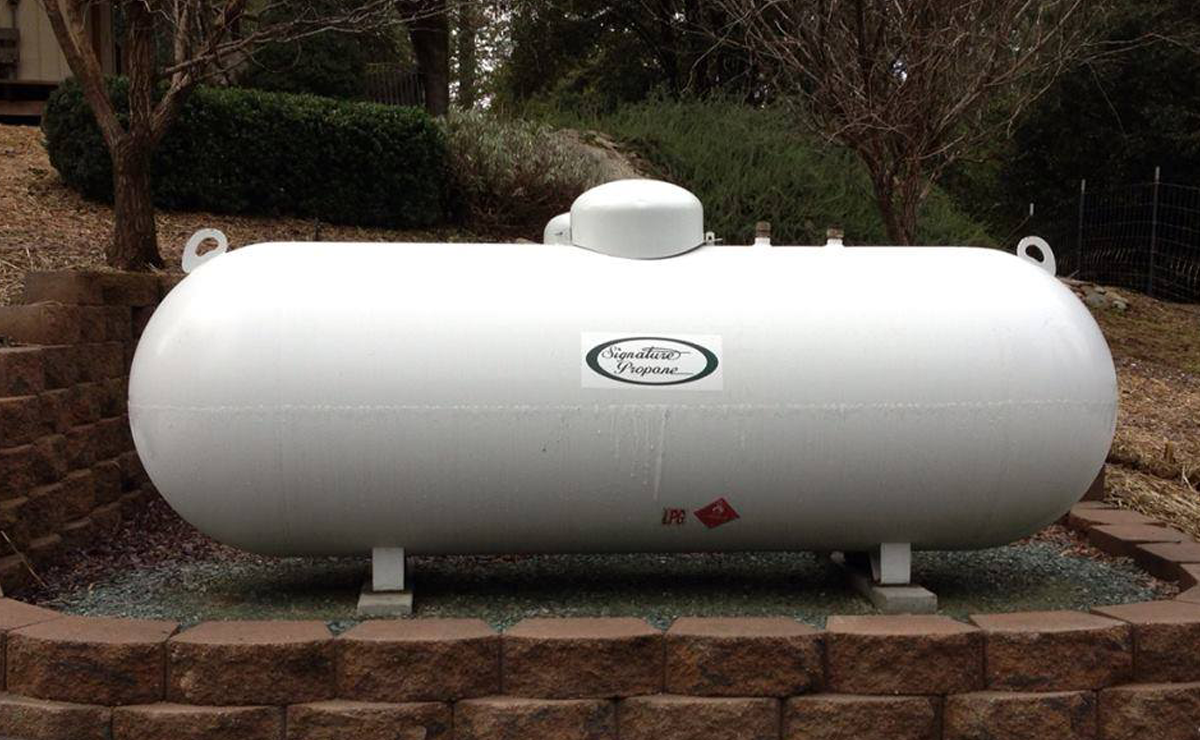
- Regular Use (Several evenings a week): A 120-gallon or 250-gallon propane tank is usually sufficient for regular residential use. These tanks offer a good balance between capacity and space requirements.
- Frequent/Primary Heating Use (Daily use during colder months): A 500-gallon or 1000-gallon tank is recommended. These larger tanks ensure a consistent supply of propane, especially during peak heating seasons.
To calculate a more precise estimate, follow these steps:
- Find your fireplace's BTU rating: This information is usually located on a sticker on the fireplace itself, in the owner's manual, or on the manufacturer's website.
- Determine your average usage: Estimate how many hours per day and days per week you'll be using the fireplace.
- Calculate total BTU consumption: Multiply the BTU rating by the hours of use per day and the days of use per week.
- Consult with a propane supplier: Share your usage estimates with a local propane supplier. They can help you determine the appropriate tank size based on your specific needs and climate. They will also consider factors like refill frequency and delivery schedules.
Important Considerations:
- Climate: Colder climates will require more propane.
- Insulation: A well-insulated home will require less propane.
- Tank Location: Above-ground tanks are easier to monitor, while underground tanks are more aesthetically pleasing but require professional installation.
Q: Can I use the same propane tank for my grill and my fireplace?
While technically possible, it's generally not recommended to share a 20-lb propane tank between your grill and a gas fireplace. Here’s why:
- Inconvenience: Constantly swapping tanks between appliances is cumbersome and can lead to running out of propane unexpectedly.
- Tank Capacity: Gas fireplaces typically consume a significant amount of propane, especially when used regularly. A 20-lb tank would likely require very frequent refills, making it impractical for fireplace use.
- Safety: Repeatedly disconnecting and reconnecting the tank increases the risk of leaks.
If you're considering using a larger tank for multiple appliances, you'll need to consult with a qualified propane technician to ensure the setup meets all safety codes and regulations. The technician can assess the combined BTU requirements of all appliances and determine the appropriate tank size and piping configuration.
Q: Where can I safely place my propane tank?
Proper propane tank placement is crucial for safety. Here are some key guidelines:
- Distance from Buildings: Propane tanks must be located a safe distance from buildings, ignition sources, and other potential hazards. Specific distances vary depending on the tank size and local regulations. Consult your local fire marshal or a qualified propane technician for specific requirements in your area. Generally, smaller tanks (like 120-gallon) require a minimum of 10 feet from buildings, while larger tanks require greater distances.
- Ventilation: Propane is heavier than air and can accumulate in low-lying areas. Ensure the tank is located in a well-ventilated area to prevent gas buildup. Avoid placing tanks in enclosed spaces or near drains.
- Ground Surface: The tank should be placed on a stable, level surface, such as a concrete pad or gravel bed. This prevents the tank from settling or shifting, which could damage the connections.
- Protection from Damage: Protect the tank from physical damage, such as being struck by vehicles or equipment. Consider installing bollards or other barriers to prevent accidental impacts.
- Accessibility: The tank should be easily accessible for delivery and maintenance. Ensure there is sufficient clearance around the tank for propane delivery trucks to maneuver.
- Underground Tanks: If you choose an underground tank, it must be installed by a qualified professional according to all applicable codes and regulations. Underground tanks require specialized venting and leak detection systems.
- Avoid Ignition Sources: Keep the tank away from potential ignition sources such as electrical outlets, open flames, and sources of heat.
Always check with your local authorities and a qualified propane installer for specific regulations and guidelines in your area. They can ensure your installation meets all safety requirements and local codes.
Q: How often does a propane tank need to be refilled?
The refill frequency depends directly on your fireplace's BTU rating, the tank's size, and the frequency of use. As we discussed earlier, estimating your usage is key.
Here's a simplified explanation:
- High BTU Fireplace + Frequent Use + Small Tank = Frequent Refills
- Low BTU Fireplace + Infrequent Use + Large Tank = Infrequent Refills
Most propane suppliers offer automatic delivery services, where they monitor your propane usage and schedule refills based on your consumption patterns. This can eliminate the need to manually monitor your tank level and call for refills.
Monitoring your Tank Level:
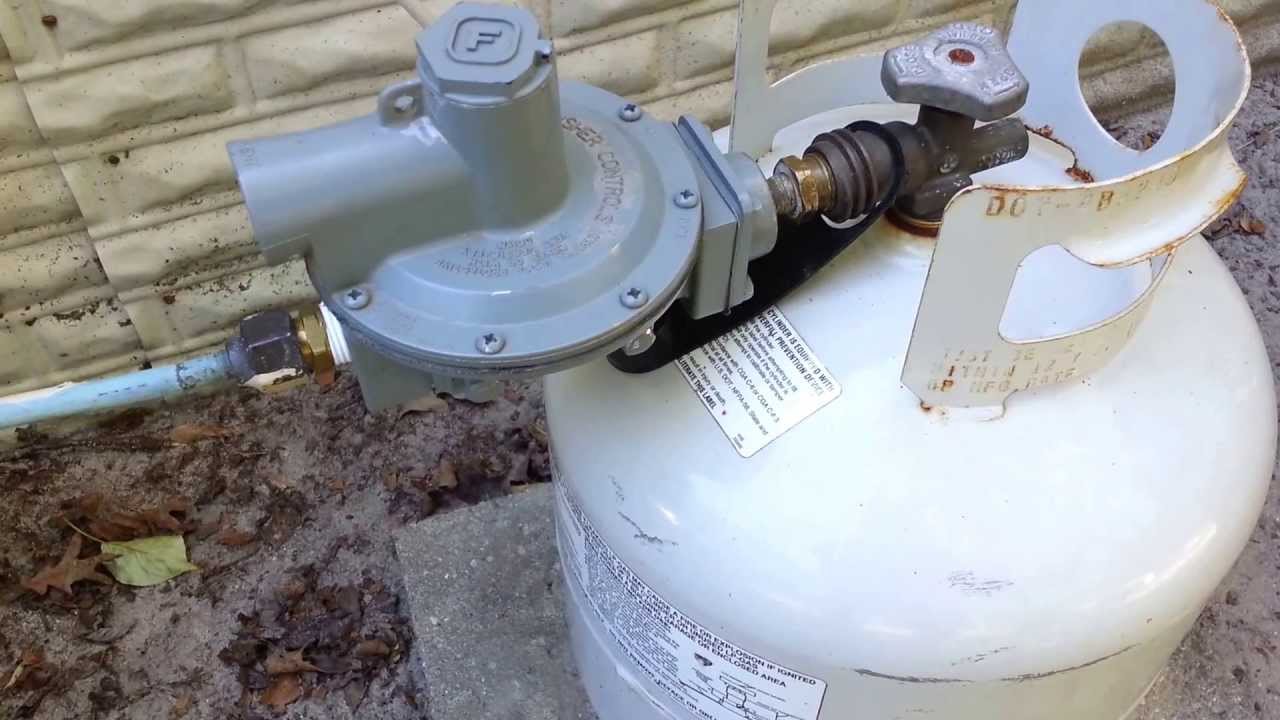
- Gauge Reading: Most propane tanks have a gauge that indicates the percentage of propane remaining in the tank. Regularly check this gauge to monitor your propane level. Remember that propane tanks are typically filled to only 80% capacity to allow for expansion.
- Smart Tank Monitors: Some propane suppliers offer smart tank monitors that automatically track your propane level and send alerts when it's time for a refill. These monitors provide real-time data and can help you optimize your propane usage.
Pro Tip: It's best to schedule a refill before your tank reaches 20% capacity to avoid running out of propane unexpectedly, especially during cold weather when demand is high.
Q: What are the safety precautions I should take with a propane tank for my fireplace?
Safety is paramount when dealing with propane. Here are essential precautions:
- Professional Installation: Always have your propane tank and fireplace installed by a qualified and licensed propane technician. This ensures the installation meets all safety codes and regulations.
- Leak Detection: Learn how to detect propane leaks. If you smell a rotten egg odor (the odorant added to propane), evacuate the area immediately and call your propane supplier or fire department. Do not use any electrical devices or open flames, as this could ignite the gas.
- Regular Inspections: Have your propane system inspected regularly by a qualified technician. Inspections can identify potential problems before they become serious.
- Carbon Monoxide Detectors: Install carbon monoxide detectors in your home, especially near the fireplace. Carbon monoxide is a colorless, odorless gas that can be deadly. Ensure the detectors are working correctly and replace the batteries regularly.
- Proper Ventilation: Ensure the area around the fireplace is well-ventilated to prevent the buildup of carbon monoxide and other combustion byproducts.
- Keep Flammable Materials Away: Keep flammable materials, such as curtains, furniture, and paper, away from the fireplace.
- Emergency Shut-Off Valve: Know the location of the emergency shut-off valve on your propane tank and how to use it. In the event of a leak or other emergency, you can quickly shut off the propane supply.
- Children and Pets: Keep children and pets away from the propane tank and fireplace.
- Maintenance: Regularly clean and maintain your fireplace according to the manufacturer's instructions. This will help ensure its safe and efficient operation.
- Read the Manuals: Carefully read and understand the owner's manuals for both your fireplace and propane tank.
Remember, propane is a safe and reliable fuel when handled properly. By following these safety precautions, you can enjoy the warmth and ambiance of your gas fireplace without any worries.
Q: How much does it cost to install a propane tank for a gas fireplace?
The cost of installing a propane tank varies significantly based on several factors:
- Tank Size: Larger tanks are generally more expensive to purchase and install.
- Tank Type: Underground tanks are more expensive than above-ground tanks due to the additional excavation and installation requirements.
- Location: Installation costs can vary depending on your location and the complexity of the installation site. Factors such as soil conditions, accessibility, and local regulations can all impact the cost.
- Distance from House: The further the tank is from the house, the more piping and labor will be required, increasing the cost.
- Labor Costs: Labor costs vary depending on the contractor's rates and the complexity of the installation.
- Permits and Inspections: Local permits and inspections are required for propane tank installations. The cost of these permits can vary depending on your location.
- Existing Gas Lines: If you have existing gas lines, the installation process may be simpler and less expensive.
Here's a very rough estimate (and these figures can vary *widely*):
- Small Tank (120-gallon): $500 - $1,500 (including tank, installation, and permits)
- Medium Tank (250-500 gallon): $1,500 - $3,000 (including tank, installation, and permits)
- Large Tank (1000-gallon): $3,000 - $6,000+ (including tank, installation, and permits)
Best Practice: Get multiple quotes from qualified and licensed propane installers in your area. Be sure to ask for a detailed breakdown of the costs, including the price of the tank, installation labor, permits, and any other associated fees. Make sure the installer is familiar with local codes and regulations. Ask for references and check online reviews before hiring a contractor.
Investing in a professional installation is crucial for ensuring safety and proper operation. A qualified installer will ensure the tank is properly sized, located, and connected to your gas fireplace, minimizing the risk of leaks or other problems.