Propane Tank Won T Turn Off
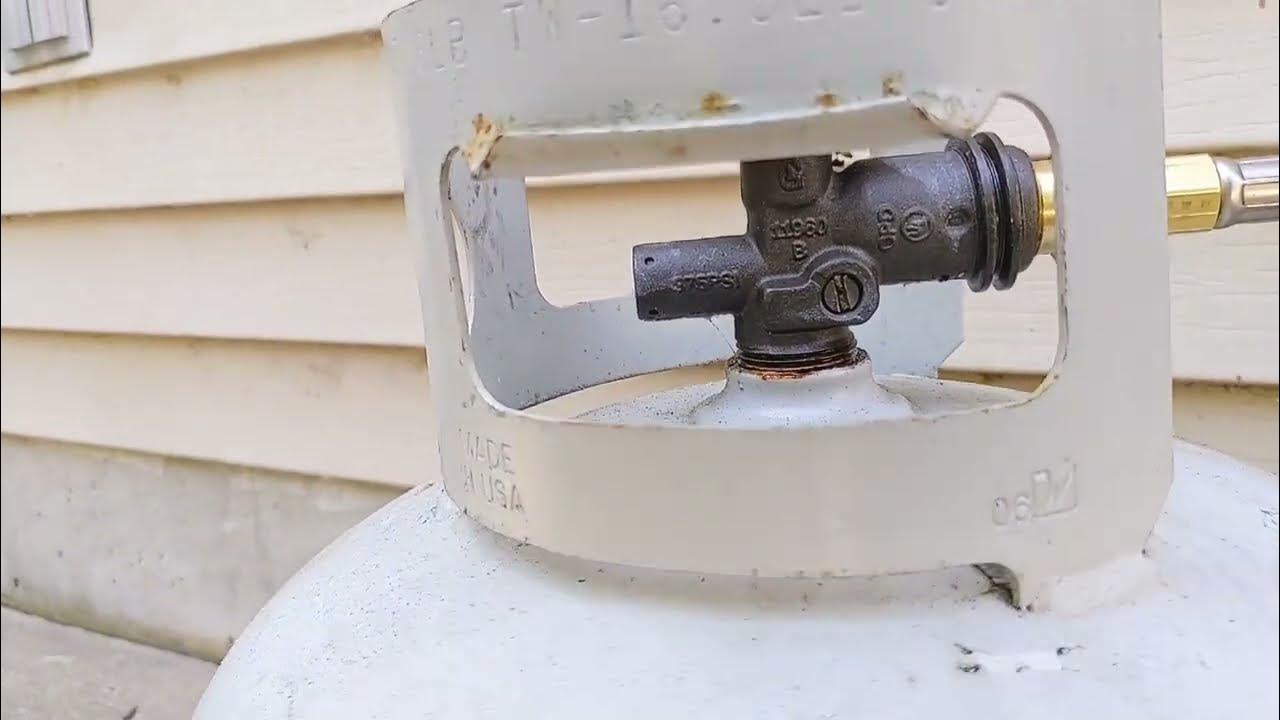
Imagine this: you're grilling burgers on a warm summer evening, the aroma of delicious food filling the air. But as the night winds down, you go to turn off your propane tank, and... nothing. The valve simply *won't budge*, leaving you stuck with a potentially dangerous situation. Don't panic! While a stuck propane tank valve can be concerning, it's often resolvable with a few simple troubleshooting steps. This guide will walk you through safe, DIY solutions, but remember – if at any point you feel unsure or detect a strong gas smell, stop immediately and call your local fire department or a qualified gas technician.
Understanding the Problem: Why Won't My Propane Tank Turn Off?
Before diving into solutions, let's understand common causes for a stuck propane tank valve:
- Corrosion: Rust and corrosion, especially if the tank is stored outdoors, can seize the valve mechanism.
- Debris: Dirt, insects, or other debris can get lodged in the valve, preventing it from turning.
- Over-Tightening: Repeatedly over-tightening the valve when closing it can damage the internal components.
- Frozen Valve: In extremely cold temperatures, moisture can freeze within the valve.
- Faulty Valve: Though less common, the valve itself might be internally damaged.
Safety First: Important Precautions
Safety is paramount when dealing with propane. Before attempting any troubleshooting steps, make sure to:
- Work in a well-ventilated area: Ideally, outdoors away from enclosed spaces.
- No open flames or sparks: Keep away from anything that could ignite propane, including cigarettes, lighters, and power tools.
- Wear gloves: Protect your hands from dirt, grime, and potential corrosion.
- Have a wrench handy: A properly sized wrench can provide extra leverage.
- Be aware of the smell of propane: Propane has a distinctive, rotten-egg smell. If you detect this smell, immediately evacuate the area and call the fire department.
Troubleshooting Steps: A Step-by-Step Guide
Step 1: Visual Inspection
Begin with a thorough visual inspection of the valve and the surrounding area:
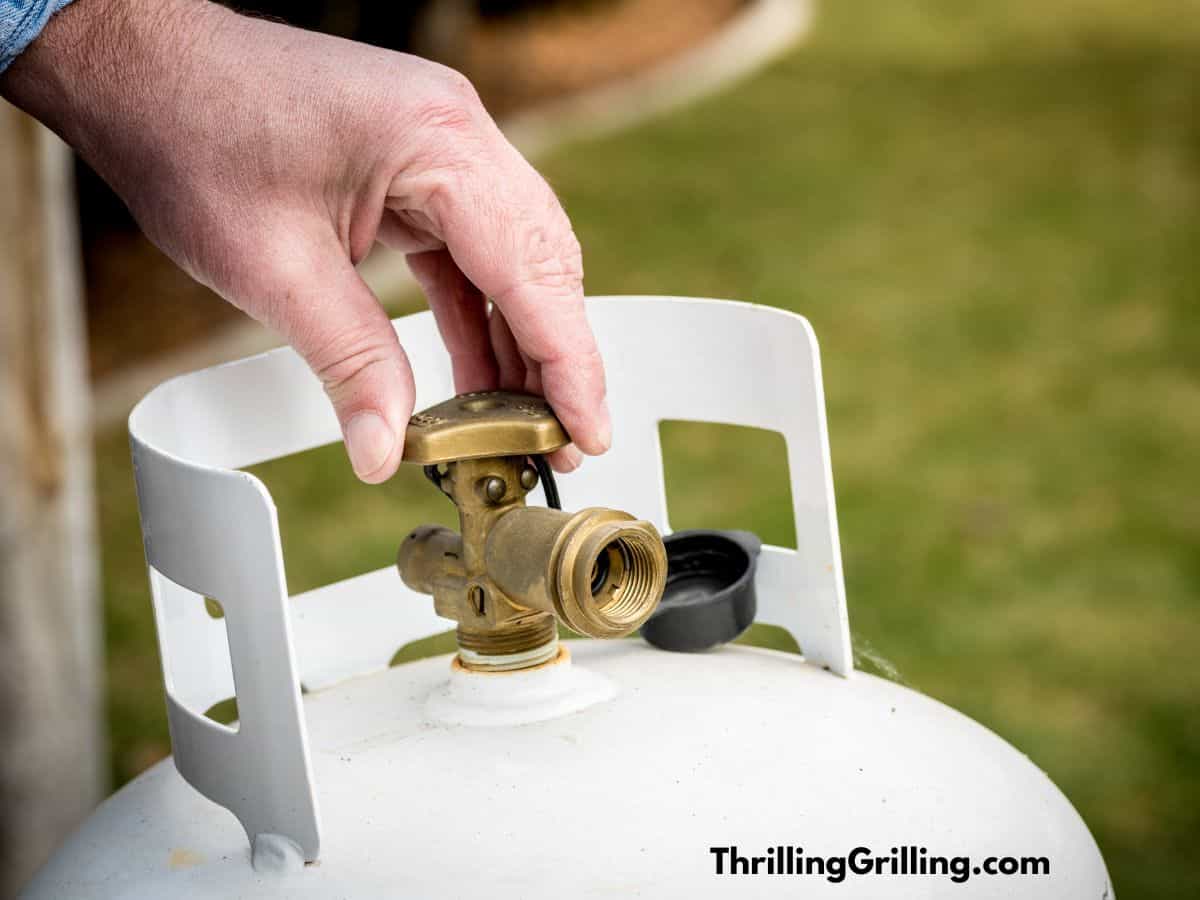
- Check for obvious signs of corrosion: Look for rust or white, powdery deposits around the valve handle and body.
- Inspect for debris: Examine the valve opening and any crevices for dirt, insect nests, or other obstructions.
- Examine the valve handle: Check for cracks, bends, or other damage that might prevent it from turning properly.
Step 2: Applying Gentle Pressure
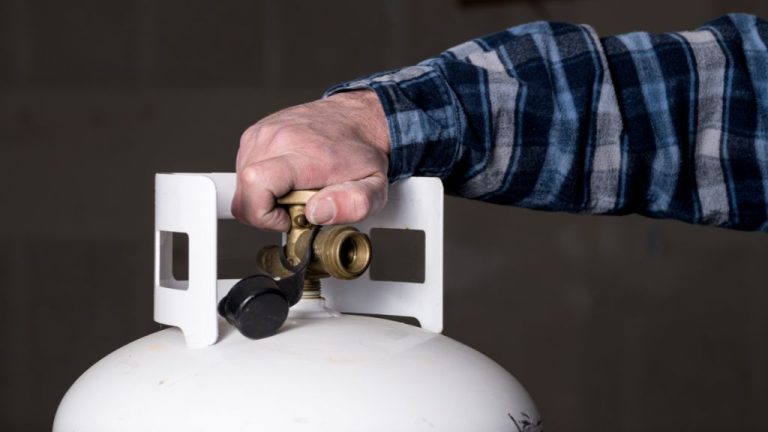
Sometimes, a little extra leverage is all you need. Use a wrench to gently attempt to turn the valve:
- Use the correct size wrench: Ensure the wrench fits snugly around the valve handle. Avoid using pliers, as they can damage the handle.
- Apply steady, even pressure: Don't force the valve. Apply gentle, consistent pressure in the "off" direction.
- Try a back-and-forth motion: Sometimes, rocking the valve handle slightly back and forth can help loosen it.
- If it still doesn't budge: Move on to the next step. Do not apply excessive force.
Step 3: Cleaning the Valve
Debris can often be the culprit. Try cleaning the valve area:
- Use a wire brush: Gently scrub away any visible corrosion or debris around the valve handle and body.
- Apply penetrating oil: Spray a small amount of penetrating oil (like WD-40 or a similar product) around the valve stem and handle. Let it sit for 10-15 minutes to help loosen any stuck components.
- Wipe away excess oil: After the oil has had time to penetrate, wipe away any excess with a clean cloth.
- Try turning the valve again: After cleaning and lubricating, try turning the valve using the wrench, as described in Step 2.
Step 4: Addressing a Frozen Valve
If you suspect a frozen valve, try these methods:
- Warm water: Carefully pour warm (not hot) water over the valve. The warm water can help melt any ice that may be present. Never use boiling water, as this can damage the valve and potentially cause a dangerous situation.
- Hair dryer (with extreme caution): Use a hair dryer on a low setting to gently warm the valve. Keep the hair dryer moving and avoid concentrating the heat in one spot. Be extremely cautious not to overheat the valve or any surrounding components. Ensure there are no propane leaks nearby.
- Avoid open flames: Never use an open flame to thaw a frozen propane valve. This is extremely dangerous and could lead to a fire or explosion.
- Try turning the valve again: After thawing, try turning the valve using the wrench, as described in Step 2.
Step 5: Checking the Regulator Connection
Sometimes, the issue isn't the tank valve itself, but the connection to the regulator. While less likely to cause a "stuck" valve, it's worth checking:
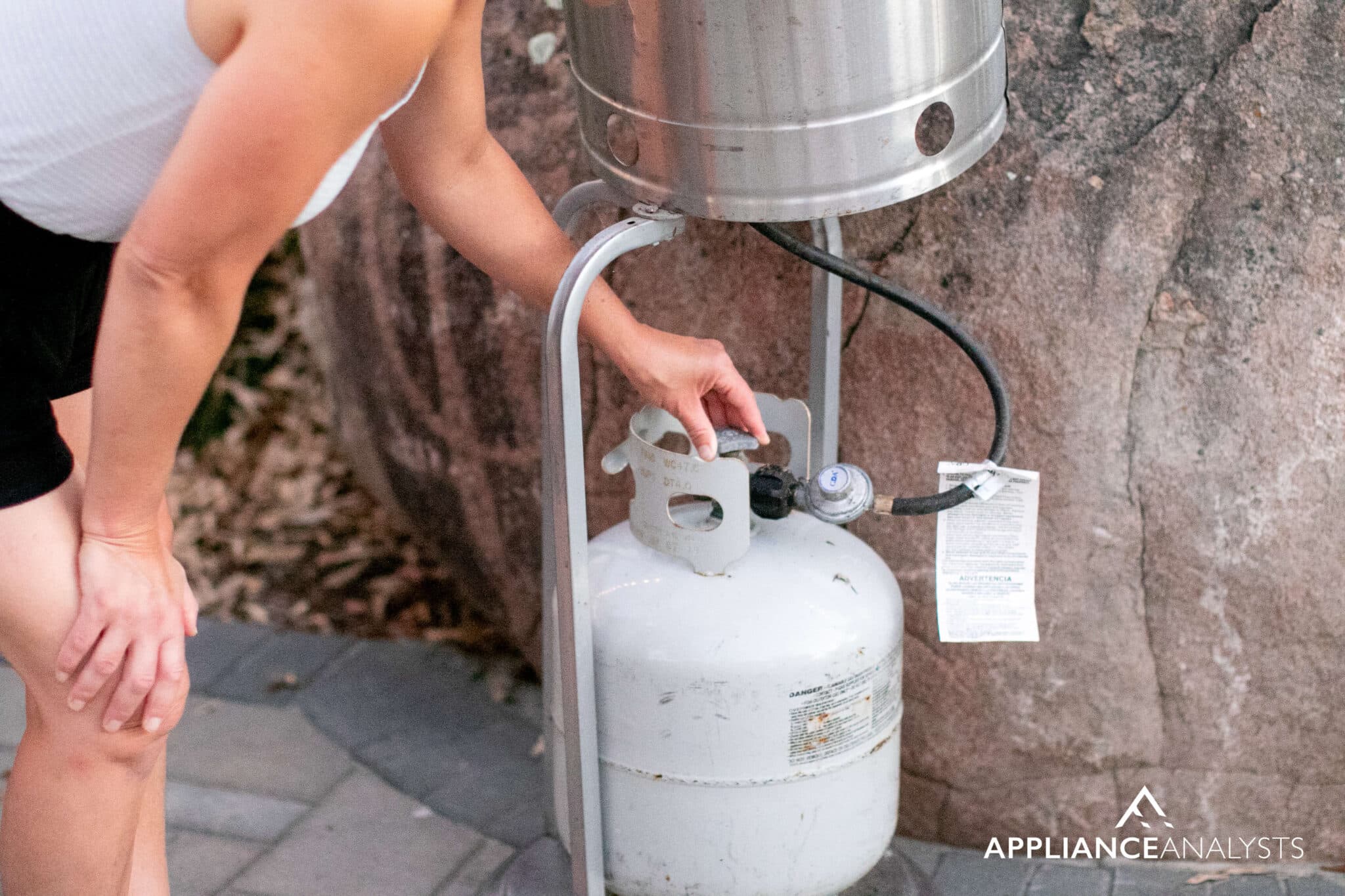
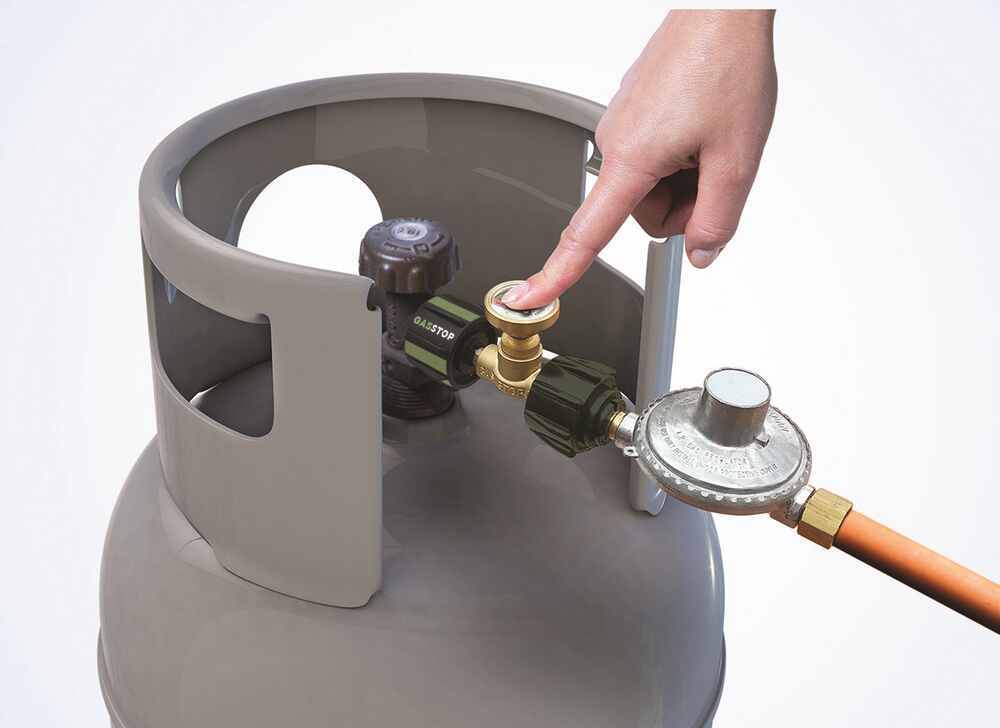
- Inspect the regulator connection: Ensure the regulator is securely connected to the tank.
- Check for leaks: Spray a soapy water solution around the regulator connection. If bubbles appear, there is a leak. Do not attempt to use the tank if there is a leak. Contact a professional gas technician immediately.
- Disconnect and reconnect the regulator (with caution): If you feel comfortable doing so, carefully disconnect the regulator and then reconnect it, ensuring it's properly seated and tightened. Make sure the tank valve is closed (or appears to be closed) before disconnecting the regulator.
When to Call a Professional
While these DIY steps can often resolve a stuck propane tank valve, there are situations where it's crucial to call a qualified professional:
- You smell propane: Any indication of a propane leak, no matter how small, requires immediate professional attention. Evacuate the area and contact the fire department or a qualified gas technician.
- The valve is severely corroded: Extensive corrosion can weaken the valve and make it unsafe to operate.
- The valve is damaged: Cracks, bends, or other damage to the valve compromise its integrity.
- You've tried the above steps and the valve still won't turn: Don't force the valve. Continuing to try may cause further damage and create a safety hazard.
- You are uncomfortable working with propane: If you feel unsure or uneasy about any of these steps, it's always best to err on the side of caution and call a professional.
- You suspect internal damage to the valve: If you suspect the valve is broken inside it is important to contact a professional for repair.
Preventative Maintenance: Keeping Your Propane Tank in Good Condition
Preventing a stuck propane tank valve is much easier than fixing one. Here are some tips for preventative maintenance:
- Store your propane tank properly: Store the tank upright in a well-ventilated area, away from direct sunlight and extreme temperatures.
- Protect the valve from the elements: Consider using a protective cap or cover for the valve, especially if the tank is stored outdoors.
- Avoid over-tightening the valve: When closing the valve, tighten it snugly, but avoid over-tightening.
- Regularly inspect the valve: Periodically inspect the valve for signs of corrosion, debris, or damage.
- Apply lubricant occasionally: Once or twice a year, apply a small amount of penetrating oil to the valve stem to keep it lubricated.
- Consider professional inspection: Have your propane tank and valve professionally inspected every few years to ensure they are in good working order.
Final Thoughts
A stuck propane tank valve can be a frustrating and potentially dangerous situation. By following these troubleshooting steps and prioritizing safety, you can often resolve the issue yourself. However, remember that propane is a flammable gas, and safety should always be your top priority. When in doubt, call a qualified professional. Empower yourself with knowledge, but never compromise on safety!