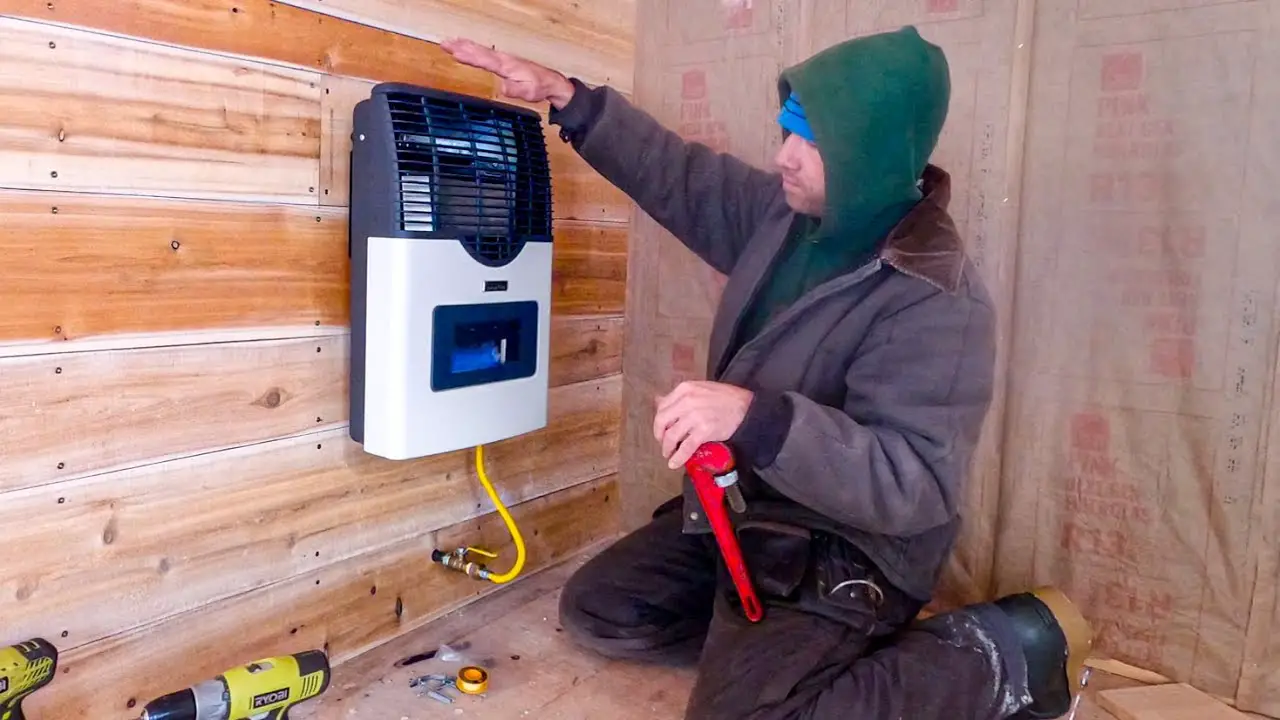
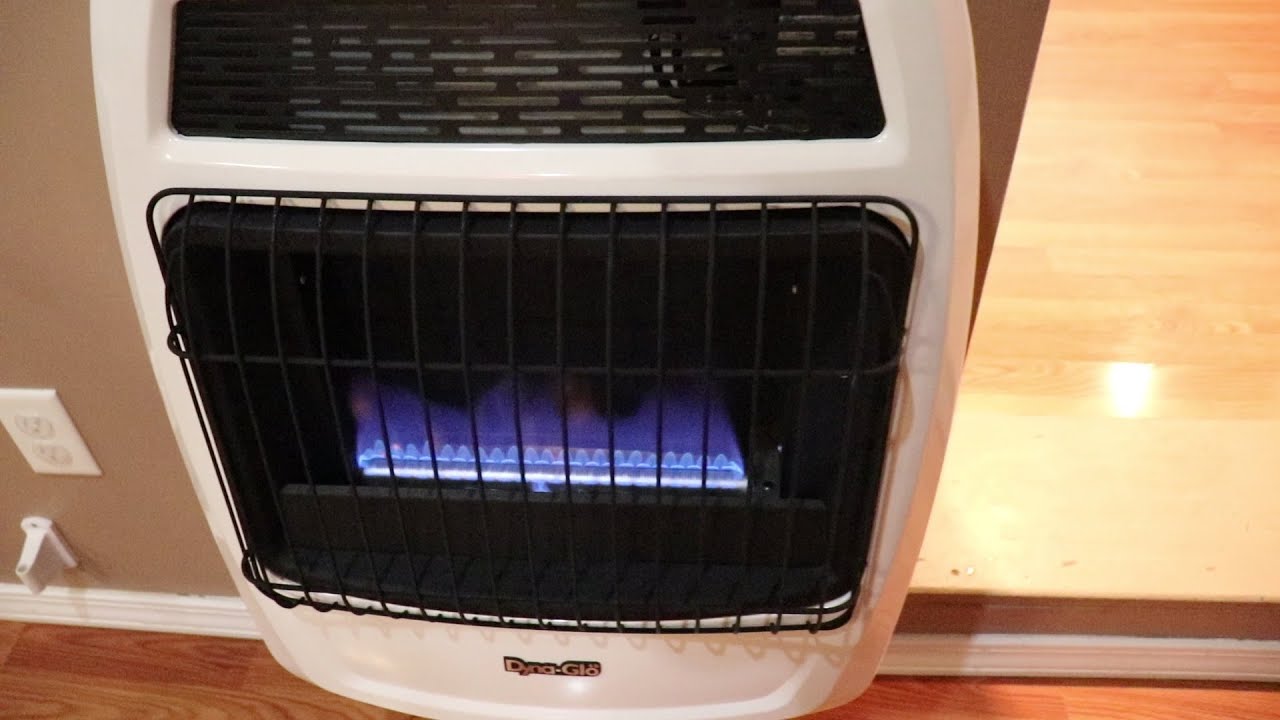
Propane Wall Heater Installation

Are you shivering despite your newly installed propane wall heater? Or maybe it’s blasting heat like a furnace when you only set it to "low"? Disappointing and frustrating, isn't it? One of the most common issues homeowners face after installing a propane wall heater is inconsistent heating. This manifests in several ways: the heater not turning on at all, cycling on and off too frequently, producing insufficient heat, or emitting a strange odor.
Diagnosing the Inconsistent Heat Problem
Don’t panic! Before calling a professional, let’s walk through a methodical diagnostic process. We'll start with the simplest checks, things you can do without any tools, and gradually move towards steps that require basic equipment. Remember: safety first. If at any point you feel uncomfortable or unsure, stop and call a qualified HVAC technician.
Step 1: The Obvious Checks (No Tools Required)
These are the first things to inspect. They might seem basic, but overlooking them is a common mistake.
- Propane Tank Level: This is the most obvious, yet easily forgotten. Is your propane tank full? Check the gauge. If it reads low or empty, that’s likely your problem. If the tank is empty, call your propane supplier to schedule a refill.
- Propane Tank Valves: Ensure the main valve on the propane tank is fully open. Also, check the valve at the heater itself; it should also be completely open. Sometimes these get accidentally bumped or partially closed.
- Pilot Light (If Applicable): Some older propane heaters have a pilot light. Is it lit? If not, follow the manufacturer's instructions for relighting it. Never use a lighter or match if you smell gas! Ventilate the area and call a professional.
- Thermostat Setting: Make sure the thermostat is set to a temperature higher than the current room temperature. It sounds simple, but it's easily overlooked! Also, check the thermostat mode. Is it set to "heat" or "on?" Ensure it's not set to "off" or "fan only."
- Airflow Obstructions: Is anything blocking the heater's air intake or exhaust vents? Curtains, furniture, or even dust accumulation can restrict airflow, leading to overheating and shutdown. Clear any obstructions.
- Battery Check (If Applicable): Some propane heaters use batteries to power the igniter or thermostat. Check the battery compartment and replace any dead batteries.
- Visual Inspection: Look for any obvious signs of damage, such as cracked components, loose wires, or gas leaks (listen for hissing sounds or smell gas). If you suspect a gas leak, evacuate the area immediately and call your gas company or fire department!
If you've checked all of these and the heater is still not working correctly, move on to the next step.
Step 2: Basic Troubleshooting (Requires Basic Tools)
These steps involve using simple tools to test specific components. Always turn off the propane supply at the tank before performing any of these tests!
- Thermocouple Check (Pilot Light Models): The thermocouple is a safety device that shuts off the gas supply if the pilot light goes out. If the pilot light lights but won't stay lit, the thermocouple might be faulty.
Tool Needed: Multimeter
How to Check: Disconnect the thermocouple from the gas valve. Set your multimeter to millivolts (mV). Connect the multimeter leads to the thermocouple terminals. Light the pilot light and hold the gas control knob in. The multimeter should read between 20-30 mV. If it reads lower, the thermocouple is likely bad and needs to be replaced. This is a delicate procedure; if you're not comfortable with electrical testing, call a professional.
- Gas Valve Continuity Check: The gas valve controls the flow of propane to the burner. A faulty gas valve can prevent the heater from turning on.
Tool Needed: Multimeter
How to Check: Disconnect the wires from the gas valve. Set your multimeter to ohms (Ω). Touch the multimeter leads to the gas valve terminals. You should get a reading, typically between 10-20 ohms. If you get no reading (OL or infinity), the gas valve is likely bad and needs to be replaced. Gas valve replacement is typically best left to a professional due to the risk of gas leaks.
- Flame Sensor Check (Electronic Ignition Models): Flame sensors, used in units without a pilot light, confirm the presence of a flame before allowing the gas valve to stay open. A dirty or faulty sensor can cause intermittent operation.
Tool Needed: Multimeter, Fine-grit sandpaper or steel wool
How to Check: Visually inspect the flame sensor for dirt or soot buildup. Gently clean it with fine-grit sandpaper or steel wool. Then, use your multimeter to check the sensor's continuity. Set the meter to ohms. With the sensor disconnected, touch the leads to the sensor terminals. You should get a reading of near zero ohms. An open circuit (OL or infinity) indicates a faulty sensor. Also, a weak flame can cause this component to not operate efficiently, even if it is not faulty.
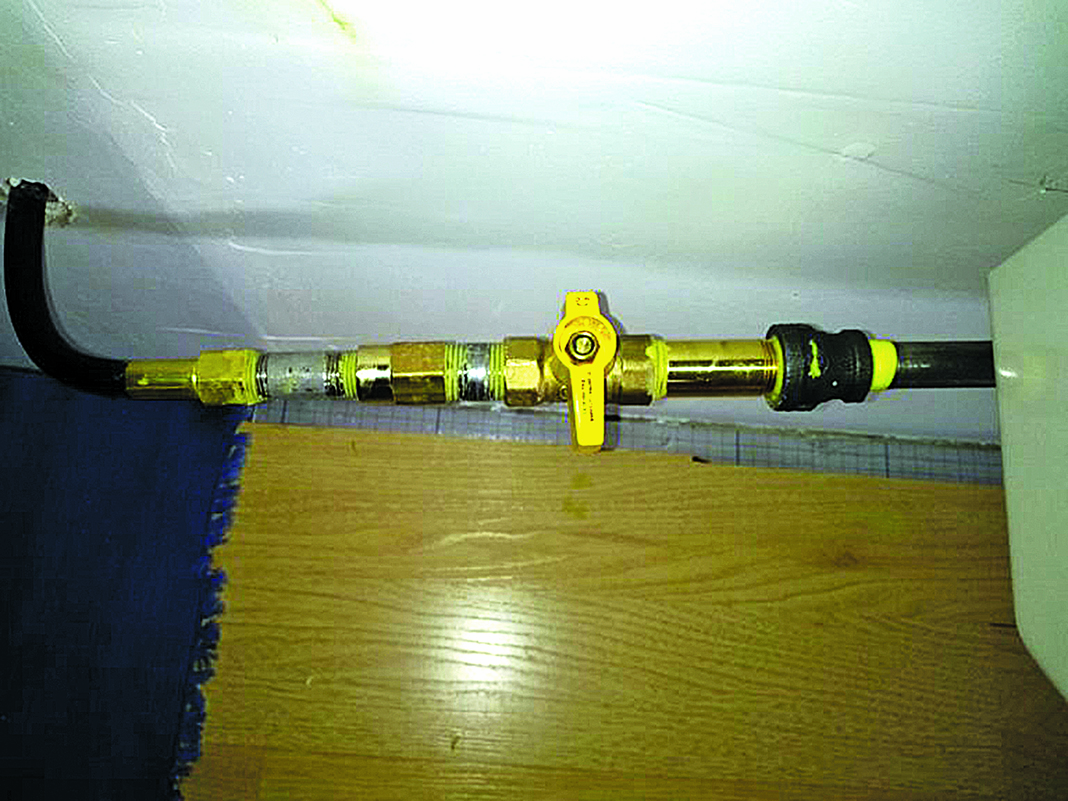
- Inspect Gas Line Connections: Using a soapy water solution, check all gas line connections (at the tank, regulator, and heater) for leaks. Apply the solution to the connections and look for bubbles. If you find bubbles, tighten the connections carefully. If the leak persists, turn off the gas supply and call a professional.
Step 3: Addressing Specific Issues
Based on your diagnosis, here are some common problems and potential DIY solutions. Remember to prioritize safety and turn off the gas supply before attempting any repairs.
- Heater Won't Turn On:
- Possible Cause: Empty propane tank, closed gas valve, faulty thermocouple, faulty gas valve, dead batteries (if applicable).
- DIY Solution: Refill propane tank, open gas valve, replace thermocouple (if you're comfortable), replace batteries. If the gas valve is suspected, consider calling a professional.
- Heater Cycles On and Off Too Frequently (Short Cycling):
- Possible Cause: Overheating due to restricted airflow, incorrect thermostat setting, faulty thermostat, undersized heater for the space.
- DIY Solution: Clear airflow obstructions, adjust thermostat setting, check thermostat wiring (if applicable). If the heater is undersized, consider a larger unit or supplementing with additional heating sources.
- Heater Produces Insufficient Heat:
- Possible Cause: Low propane pressure, dirty burner, incorrect heater size for the room, poor insulation in the room.
- DIY Solution: Clean the burner (carefully remove and brush it clean), ensure adequate propane pressure (may require a professional to check), improve room insulation.
- Heater Emits a Strange Odor:
- Possible Cause: Gas leak, dust burning off, incomplete combustion.
- DIY Solution: If you suspect a gas leak, evacuate the area and call your gas company or fire department! If it's a burning dust smell, ventilate the area and let the heater run for a while. If the odor persists or is accompanied by sooting, call a professional.
When to Call a Professional
While many propane wall heater problems can be resolved with basic troubleshooting and DIY repairs, certain situations require the expertise of a qualified HVAC technician. Never attempt repairs beyond your comfort level or if you suspect a serious problem. Call a professional if:
- You smell gas: This is a serious safety hazard. Evacuate the area and call your gas company or fire department immediately.
- You suspect a gas leak: Even a small leak can be dangerous.
- You're uncomfortable working with gas lines or electrical components: Leave it to the experts.
- You've tried all the DIY solutions and the heater still isn't working: There may be a more complex underlying issue.
- You need to replace the gas valve or regulator: These components require specialized knowledge and tools.
- The heater is under warranty: Attempting DIY repairs may void the warranty.
Specifically, if you encounter any of the following issues, it is absolutely critical to call a professional:
- Cracked or damaged gas lines.
- A malfunctioning gas regulator.
- Any issues with the heater's venting system (this can lead to carbon monoxide poisoning).
- Any doubts about your ability to safely and correctly diagnose or repair the problem.
By following these steps, you should be able to diagnose and resolve many common propane wall heater problems. Remember to prioritize safety, be methodical in your approach, and don't hesitate to call a professional when needed. With a little patience and effort, you can keep your propane wall heater running efficiently and safely for years to come, ensuring a warm and comfortable home during the colder months.