Propylene Glycol To Water Ratio Chart
Understanding Propylene Glycol to Water Ratio: Your Guide to Efficient HVAC Systems
Whether you're a homeowner battling escalating energy bills, a business owner aiming for sustainability, or an HVAC professional seeking optimal performance, understanding the propylene glycol to water ratio in your hydronic heating or cooling system is crucial. This seemingly simple mixture directly impacts your system’s efficiency, lifespan, and ability to withstand freezing temperatures. This article provides a comprehensive, SEO-optimized guide to navigating the complexities of glycol mixtures, maximizing energy savings, and leveraging smart home integration.
Why is Propylene Glycol Used in HVAC Systems?
Unlike water alone, a propylene glycol and water mixture offers several key advantages, particularly in climates prone to freezing:
- Freeze Protection: Glycol significantly lowers the freezing point of the circulating fluid, preventing pipes from bursting in cold weather. This is especially important for systems in unheated areas, vacation homes, or commercial buildings that might be unoccupied for extended periods.
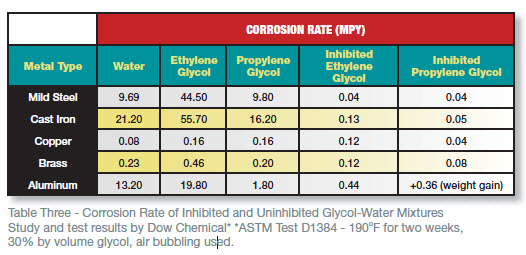
- Corrosion Inhibition: Many glycol formulations include corrosion inhibitors, protecting metal components within your HVAC system from rust and degradation. This extends the lifespan of your equipment and reduces maintenance costs.
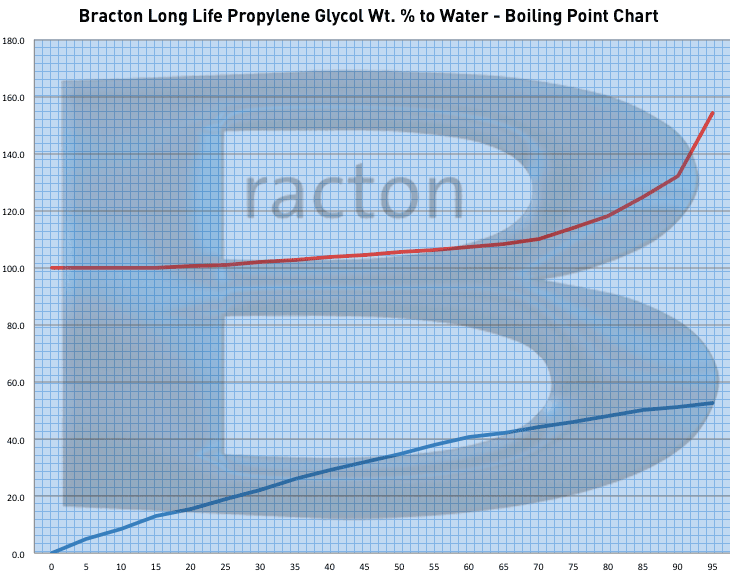
- Boiling Point Elevation: Glycol increases the boiling point of the fluid, minimizing the risk of cavitation and improving heat transfer efficiency in high-temperature applications.
While ethylene glycol is also used in some industrial applications, propylene glycol is generally preferred for HVAC systems due to its lower toxicity. This makes it a safer option for residential and commercial environments, especially where accidental leaks could occur.
Propylene Glycol to Water Ratio Chart: Finding Your Sweet Spot
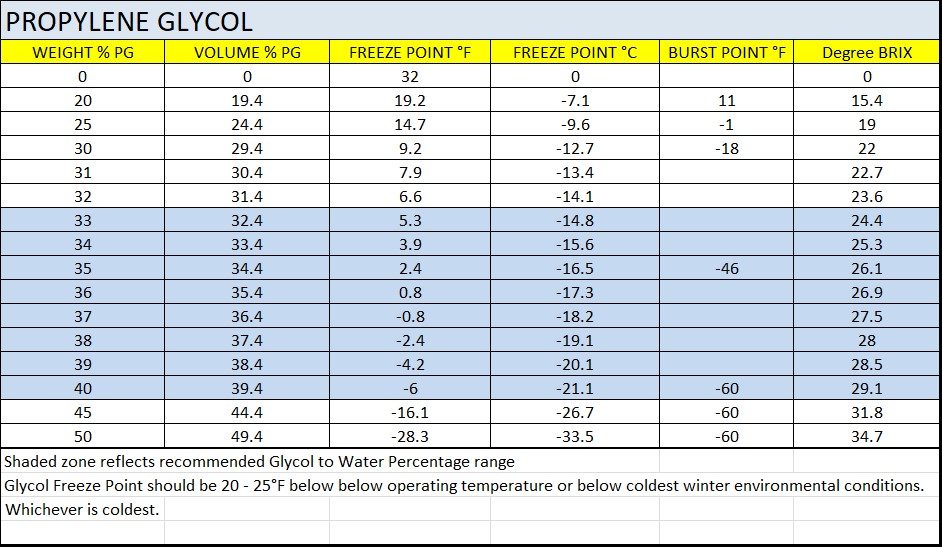
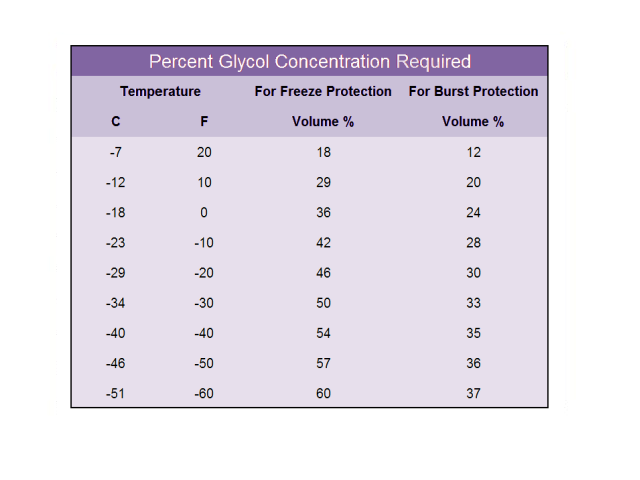
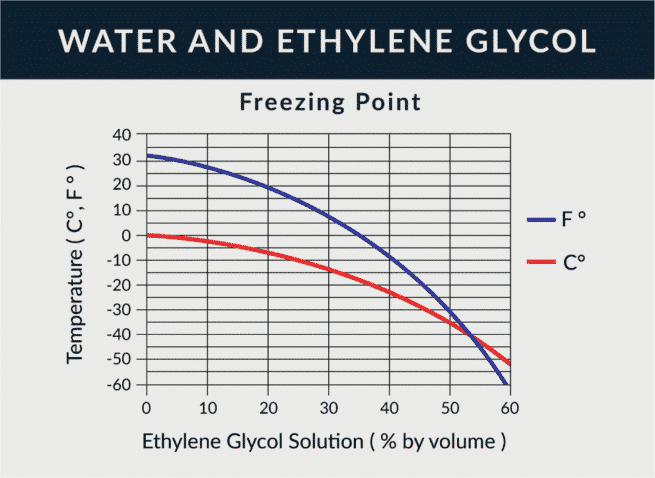
The ideal propylene glycol to water ratio depends on your specific climate, the minimum expected ambient temperature, and the desired level of freeze protection. Too little glycol leaves your system vulnerable to freezing, while too much can reduce heat transfer efficiency and increase pumping energy. Here's a general guideline, but always consult your HVAC system manufacturer's recommendations:
Important Note: These values are approximate. Always test your fluid with a glycol refractometer to ensure accurate freeze protection.
| Propylene Glycol Concentration (by volume) | Freeze Protection Temperature (°F) | Freeze Protection Temperature (°C) | Typical Application |
|---|---|---|---|
| 20% | 20°F | -7°C | Mild climates with occasional light frost |
| 30% | 8°F | -13°C | Moderate climates with regular freezing temperatures |
| 40% | -4°F | -20°C | Cold climates with extended periods below freezing |
| 50% | -29°F | -34°C | Very cold climates with extreme winter conditions |
Example: If you live in a region where the temperature occasionally dips to 0°F (-18°C), a 40% propylene glycol to water ratio would provide adequate freeze protection. However, if temperatures regularly drop below -10°F (-23°C), a 50% concentration might be necessary.
Impact on Energy Efficiency and ROI
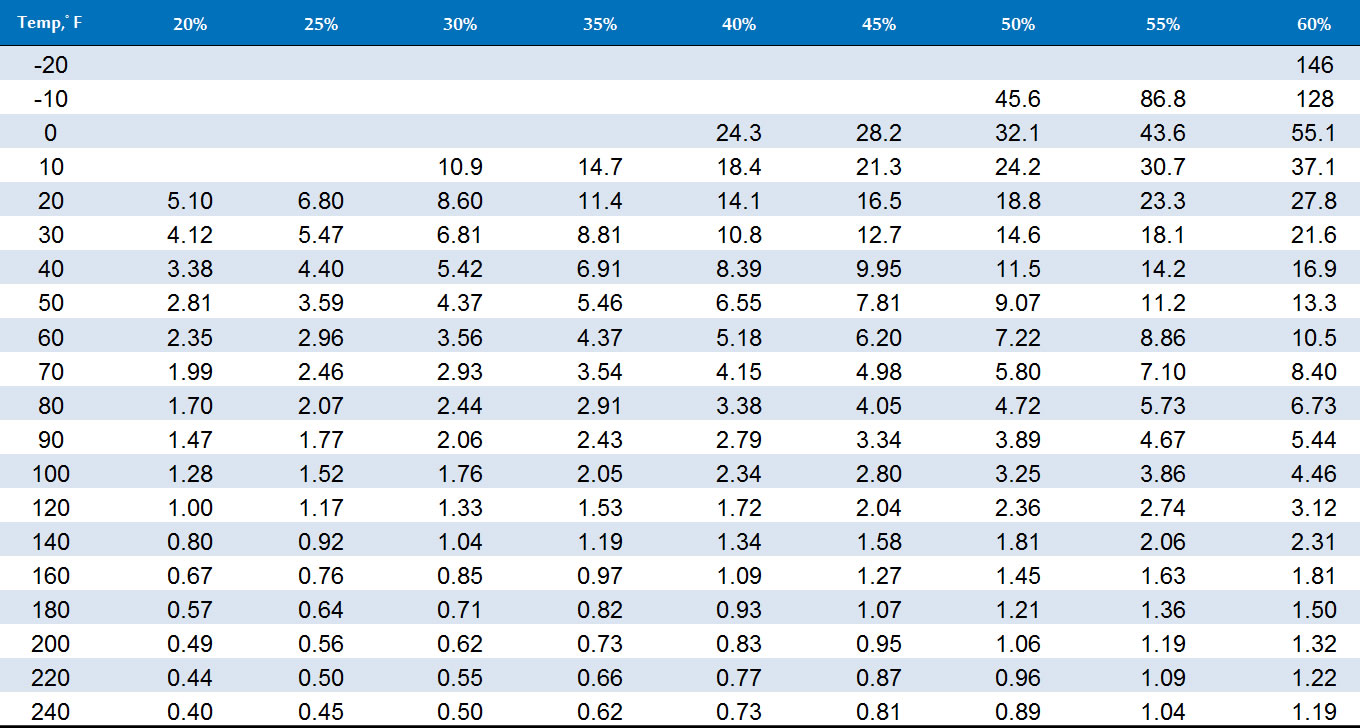
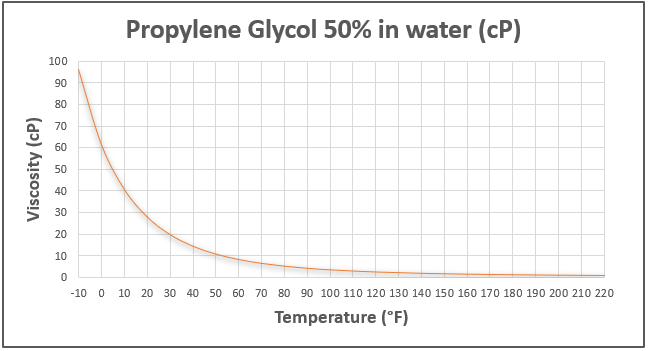
While glycol provides essential freeze protection, it also affects the thermal properties of the circulating fluid. A higher glycol concentration reduces heat transfer capacity, meaning your system has to work harder to deliver the same level of heating or cooling. This translates to higher energy consumption and increased operating costs.
Data Point: Studies have shown that a system operating with a 50% propylene glycol to water ratio can experience a 10-15% reduction in heat transfer efficiency compared to a system with a 30% concentration. This directly impacts your energy bill.
Therefore, finding the optimal propylene glycol to water ratio is a balancing act between freeze protection and energy efficiency. Over-protecting your system comes at a price. The key is to choose the lowest glycol concentration that provides adequate freeze protection for your climate.
Calculating ROI: Consider the long-term cost savings associated with a properly optimized glycol mixture. Lower energy consumption translates to reduced monthly bills. Furthermore, the corrosion protection offered by glycol extends the lifespan of your HVAC system, reducing the frequency of costly repairs and replacements.
Maintaining Your Glycol Mixture: Testing, Replacements, and Smart Monitoring
Regular maintenance is crucial to ensure your glycol mixture is performing optimally. This includes:
- Testing the Glycol Concentration: Use a glycol refractometer to periodically check the propylene glycol to water ratio. This inexpensive tool provides an accurate measurement of the fluid's freezing point. Test your mixture at least annually, and more frequently in harsh climates.
- Checking for pH Levels: Glycol solutions become acidic over time, compromising their corrosion protection abilities. Test the pH level of your mixture and add a buffer if necessary to maintain the proper pH range (typically between 8.0 and 9.0).
- Inspecting for Contamination: Look for signs of rust, debris, or other contaminants in the fluid. Contamination reduces heat transfer efficiency and can damage system components.
- Replacing the Glycol Mixture: Glycol degrades over time, losing its freeze protection and corrosion inhibition properties. Replace the entire mixture every 3-5 years, or as recommended by your HVAC professional.
Government Guidelines & Rebates: Check with your local utility company and government agencies (like Energy Star) for available rebates and incentives for energy-efficient HVAC upgrades and maintenance. Many programs offer financial assistance for installing smart thermostats, upgrading to high-efficiency pumps, and optimizing glycol mixtures.
Smart HVAC Integration: The Future of Efficient Glycol Management
Integrating smart technology into your HVAC system can significantly enhance glycol management and overall energy efficiency. Consider these smart solutions:
- Smart Thermostats: Program your thermostat to automatically adjust temperatures based on occupancy and weather forecasts. This reduces energy waste and optimizes glycol usage. Smart thermostats can even send alerts if your system detects a potential problem, such as low glycol levels or a sudden temperature drop.
- Smart Sensors: Install sensors in vulnerable areas, such as pipes in unheated spaces, to monitor temperatures and detect potential freezing conditions. These sensors can trigger alerts and automatically activate auxiliary heating systems to prevent damage.
- Automated Glycol Monitoring Systems: Some advanced systems feature automated glycol monitoring capabilities, continuously tracking the concentration, pH level, and contamination levels of the fluid. These systems can automatically add glycol or adjust the mixture as needed, ensuring optimal performance and minimizing maintenance requirements.
Benefits of Smart Integration:
- Reduced energy consumption
- Improved system performance
- Early detection of potential problems
- Reduced maintenance costs
- Enhanced peace of mind
Choosing the Right Propylene Glycol Product
Not all propylene glycol products are created equal. Look for high-quality, inhibited propylene glycol specifically designed for HVAC systems. Choose a product that meets industry standards and is compatible with all components in your system. Consult with your HVAC professional to determine the best product for your specific needs.
Consider these factors when selecting a propylene glycol product:
- Inhibition Package: Ensure the product contains a comprehensive inhibition package to protect against corrosion, scale, and other forms of degradation.
- Concentration: Choose a product with a concentration that matches your desired propylene glycol to water ratio.
- Manufacturer Reputation: Select a product from a reputable manufacturer with a proven track record of quality and performance.
- Compatibility: Verify that the product is compatible with all materials in your HVAC system, including pipes, pumps, and seals.
By carefully selecting and maintaining your propylene glycol to water ratio, you can significantly improve the energy efficiency, lifespan, and reliability of your HVAC system. Combining this knowledge with smart home integration and regular maintenance ensures a comfortable, cost-effective, and sustainable indoor environment.
Final Thoughts
Understanding the nuances of propylene glycol to water ratio is a cornerstone of efficient HVAC system management. While the specifics may vary based on your climate and system configuration, the principles remain the same: prioritize accurate testing, consistent maintenance, and informed decision-making. Embrace smart technology to automate monitoring and optimize performance, maximizing energy savings and minimizing environmental impact. By taking a proactive approach, you can ensure your HVAC system operates at its peak efficiency for years to come. Consult with a qualified HVAC technician to assess your system’s specific needs and receive personalized recommendations for optimizing your glycol mixture and overall energy performance.