Pros And Cons Of A Whole House Humidifier
:max_bytes(150000):strip_icc()/home-humidifier-types-4072878-FINAL3-59b5f41fc69848d1803039f044828187.png)
Maintaining optimal humidity levels in your home is crucial for comfort, health, and even preserving your property. A whole-house humidifier is a system integrated into your HVAC (Heating, Ventilation, and Air Conditioning) system, designed to regulate humidity throughout your entire home. Unlike portable humidifiers which only address specific rooms, a whole-house system offers a comprehensive solution. But is it the right choice for you? This guide explores the pros and cons to help you make an informed decision.
What is a Whole-House Humidifier?
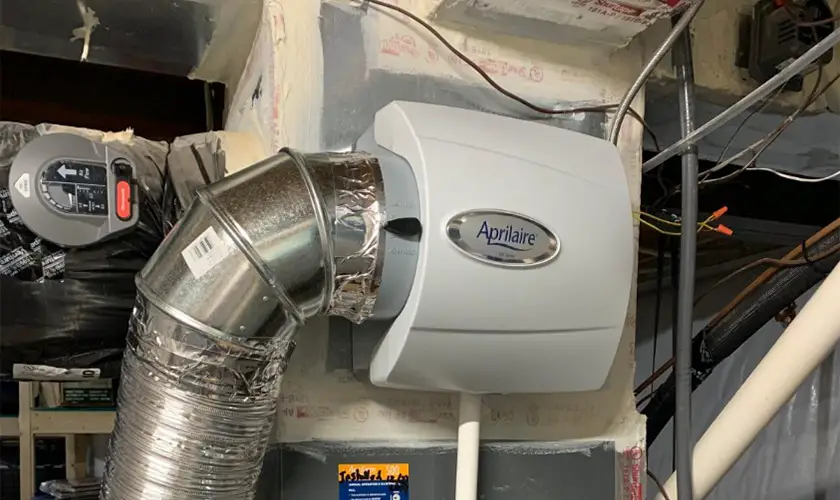
A whole-house humidifier is directly connected to your home's water supply and heating system. When your furnace runs, the humidifier adds moisture to the heated air, which is then circulated throughout your home via the ductwork. This allows for consistent and even humidity levels, preventing the discomfort and potential damage caused by overly dry air.
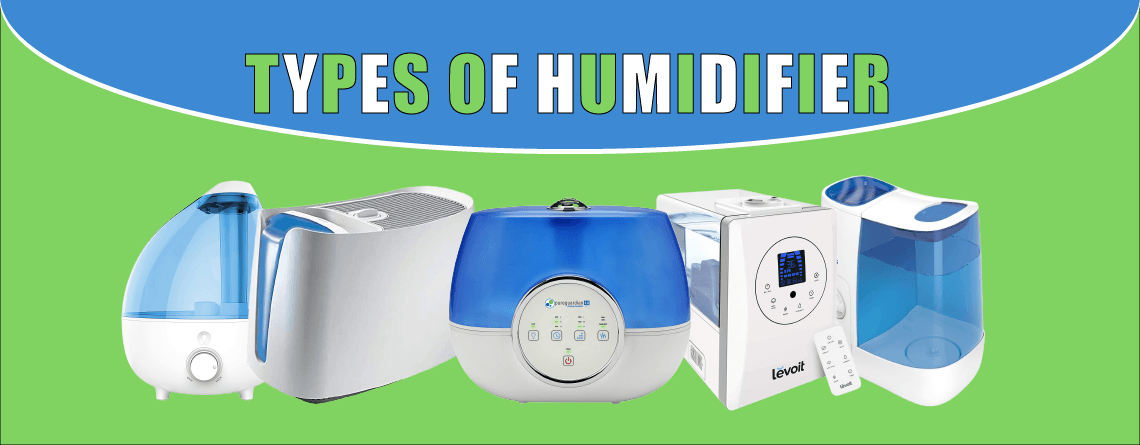
Types of Whole-House Humidifiers
There are several types of whole-house humidifiers, each with its own mechanism for adding moisture to the air:
- Bypass Humidifiers: These are the most common and affordable type. They work by diverting a portion of the heated air from the furnace through a water-soaked pad. The humidified air then returns to the main ductwork. Bypass humidifiers can be further categorized into:
- Flow-Through Bypass Humidifiers: These are more efficient as they continually replace the water in the pad, reducing mineral buildup.
- Drum Bypass Humidifiers: These use a rotating drum that dips into a water reservoir, picking up moisture and evaporating it into the air stream. They generally require more maintenance.
- Steam Humidifiers: These are more expensive but offer precise humidity control. They boil water to create steam, which is then injected directly into the ductwork. They operate independently of the furnace, allowing for humidity even when the heat isn't running.
- Spray Mist Humidifiers: These units inject a fine mist of water directly into the ductwork. They are relatively rare in residential settings.
Pros of a Whole-House Humidifier
A whole-house humidifier offers numerous benefits that can significantly improve your home environment and overall well-being.
Improved Comfort
Dry air can lead to a variety of discomforts, including dry skin, chapped lips, itchy eyes, and a scratchy throat. Adding moisture to the air can alleviate these symptoms, making your home feel much more comfortable, especially during the cold, dry winter months. Maintaining proper humidity can also make you feel warmer at a lower thermostat setting, saving energy and money.
Health Benefits
Dry air can dry out the mucous membranes in your nose and throat, making you more susceptible to colds, flu, and other respiratory infections. Proper humidity helps keep these membranes moist, providing a natural barrier against viruses and bacteria. It can also alleviate allergy and asthma symptoms triggered by dry air.
Protection of Wood Furnishings
Dry air can damage wood furniture, hardwood floors, and even musical instruments. Wood expands and contracts with changes in humidity. Over time, this can lead to cracks, warping, and joint separation. A whole-house humidifier helps maintain a consistent humidity level, protecting your valuable wood items from damage. This can extend the life of your furniture and prevent costly repairs.
Reduced Static Electricity
Static electricity is a common nuisance in dry environments. It can cause shocks when you touch metal objects and make your hair stand on end. Increasing humidity reduces static electricity, making your home environment more pleasant. No more shocking doorknobs!
Energy Savings (Potentially)
While a steam humidifier consumes energy to boil water, a properly humidified home can feel warmer at a lower temperature. This means you may be able to lower your thermostat setting and reduce your heating bills. The energy savings from a lower thermostat can potentially offset the cost of running the humidifier. However, this depends on the type of humidifier and your individual heating habits.
Even Humidity Distribution
Unlike portable humidifiers which only affect a limited area, a whole-house humidifier provides even humidity distribution throughout your entire home. This ensures that every room is comfortable and protected from the damaging effects of dry air. You won't have to worry about constantly refilling individual units or moving them from room to room.
Cons of a Whole-House Humidifier
Despite the numerous benefits, there are also potential drawbacks to consider before investing in a whole-house humidifier.
Installation Cost
The initial cost of purchasing and installing a whole-house humidifier can be significant. Professional installation is generally recommended to ensure proper operation and prevent potential problems. The cost will vary depending on the type of humidifier, the complexity of your HVAC system, and the labor rates in your area. Steam humidifiers tend to be more expensive to install than bypass humidifiers.
Maintenance Requirements
Whole-house humidifiers require regular maintenance to ensure optimal performance and prevent the growth of mold and bacteria. This typically includes cleaning or replacing the water panel or filter, checking for leaks, and disinfecting the unit. Neglecting maintenance can lead to reduced efficiency, health problems, and even damage to your HVAC system. Drum humidifiers, in particular, require more frequent cleaning due to the standing water reservoir.
Potential for Mold and Bacteria Growth
If not properly maintained, a whole-house humidifier can become a breeding ground for mold and bacteria. Excess moisture can also lead to mold growth in your ductwork or other areas of your home. It's crucial to follow the manufacturer's instructions for cleaning and maintenance to prevent these problems. Regular inspections of your ductwork are also recommended.
Risk of Over-Humidification
Over-humidification can be as problematic as dry air. High humidity levels can create a damp, uncomfortable environment and promote the growth of mold and mildew. It can also lead to condensation on windows and walls, which can damage paint and wood. A hygrometer (a device that measures humidity) is essential for monitoring humidity levels and adjusting the humidifier accordingly.
Water Usage
Bypass humidifiers, in particular, can use a significant amount of water. Some of the water used to saturate the pad is drained away. This can increase your water bill, especially if you live in an area with high water rates. Steam humidifiers use water to create steam, which also contributes to water consumption. Consider this factor when comparing different types of humidifiers.
Professional Installation Required (Generally)
While some homeowners may attempt to install a whole-house humidifier themselves, professional installation is generally recommended. Improper installation can lead to leaks, reduced efficiency, and even damage to your HVAC system. A qualified HVAC technician can ensure that the humidifier is properly sized and installed for your home and heating system. This helps guarantee optimal performance and safety.
Potential for Ductwork Issues
Adding moisture to the air can exacerbate existing problems with your ductwork. Leaks in the ductwork can allow humidified air to escape, reducing efficiency and potentially causing moisture damage in unintended areas. It's important to ensure that your ductwork is properly sealed and insulated before installing a whole-house humidifier.
Making the Decision: Is a Whole-House Humidifier Right for You?
Deciding whether or not to invest in a whole-house humidifier depends on your individual needs, circumstances, and priorities. Consider the following factors:
- Your Climate: If you live in an area with consistently dry winters, a whole-house humidifier can be a worthwhile investment.
- Your Health: If you or your family members suffer from dry skin, allergies, asthma, or other respiratory problems, a humidifier can provide significant relief.
- Your Home's Construction: Older homes may be more prone to air leaks and may require a larger humidifier to achieve optimal humidity levels.
- Your Budget: Consider the initial cost of the humidifier, as well as the ongoing costs of maintenance, water usage, and electricity.
- Your Maintenance Commitment: Are you willing to commit to regular cleaning and maintenance to prevent mold growth and ensure optimal performance?
Before making a decision, consult with a qualified HVAC professional. They can assess your home's needs, recommend the appropriate type and size of humidifier, and provide an accurate estimate of the installation cost. They can also advise you on proper maintenance procedures to ensure the long-term performance and health benefits of your whole-house humidifier.
In conclusion, a whole-house humidifier can be a valuable addition to your home, improving comfort, health, and protecting your property. However, it's important to weigh the pros and cons carefully and make an informed decision based on your individual needs and circumstances. With proper installation and maintenance, a whole-house humidifier can provide years of comfortable and healthy living.