Pros And Cons Of Propane Heat
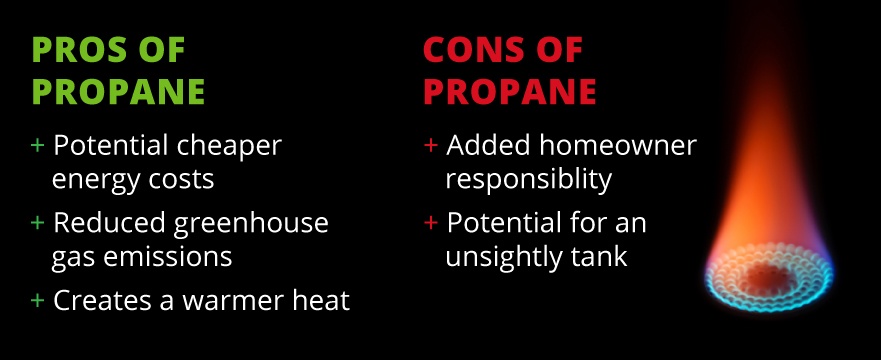
Propane heat, also known as liquefied petroleum gas (LPG) heating, remains a popular choice for residential and commercial heating across the United States. Understanding its advantages and disadvantages is crucial for HVAC professionals, students entering the field, and employers making informed decisions about heating solutions. This article provides a comprehensive overview of propane heat, examining its pros and cons, and offering insights into career opportunities and industry trends.
The Upsides of Propane Heat: Efficiency, Availability, and Versatility
High Efficiency and Cost-Effectiveness
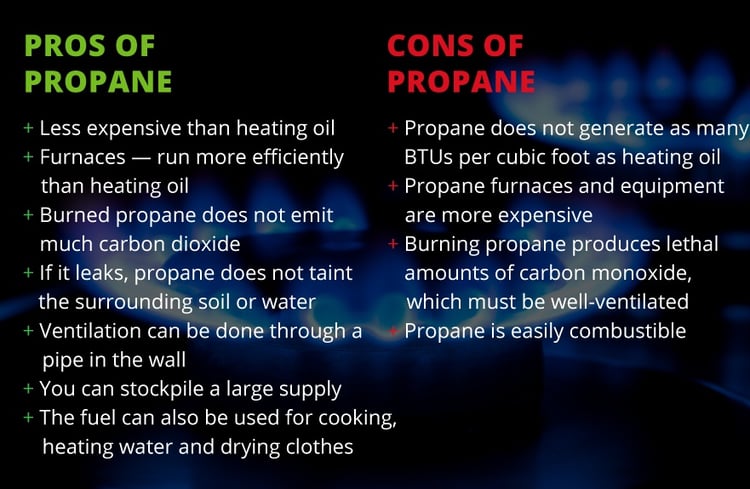
One of the most compelling advantages of propane heat is its efficiency. Modern propane furnaces boast Annual Fuel Utilization Efficiency (AFUE) ratings exceeding 90%, meaning that over 90% of the fuel's energy is converted into usable heat. This translates to lower heating bills compared to older, less efficient systems or even some electric resistance heating options. While propane prices fluctuate, its high BTU content (approximately 91,500 BTU per gallon) provides a significant amount of heat for the cost.
Example: A homeowner replacing a 60% AFUE furnace with a 95% AFUE propane furnace can expect to see a substantial reduction in their annual heating costs. The exact savings will vary depending on factors such as climate, insulation, and usage habits, but a 30-40% reduction is a realistic expectation.
Widespread Availability and Storage
Propane is readily available throughout the United States, particularly in rural areas where natural gas pipelines are limited. Propane is stored on-site in tanks, offering energy independence and eliminating reliance on a centralized grid. This is especially advantageous in areas prone to power outages.
The ability to store propane allows homeowners and businesses to purchase fuel when prices are favorable, further enhancing cost control. Many propane suppliers offer various tank sizes and lease agreements to accommodate different needs and budgets.
Versatile Applications Beyond Heating
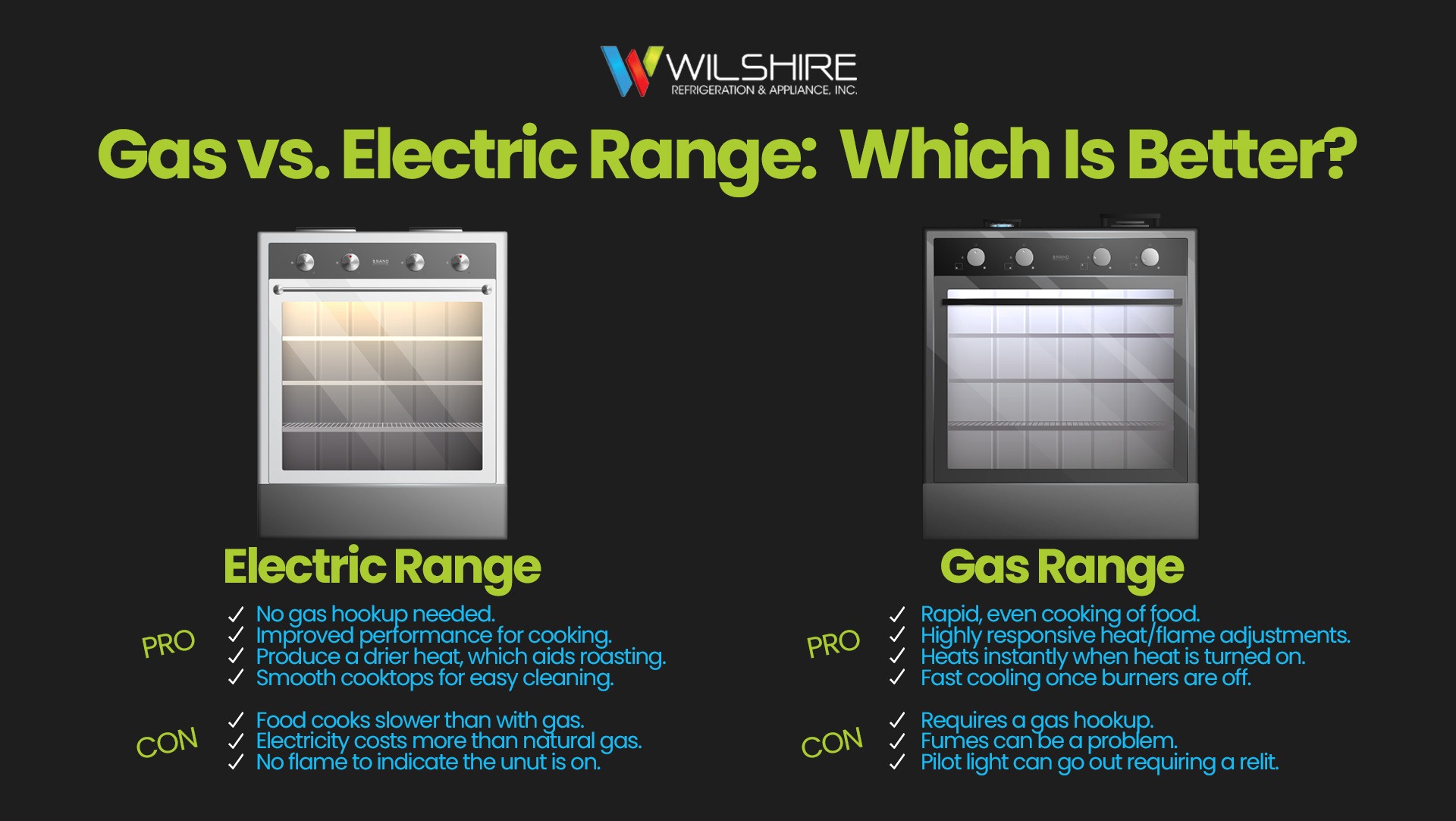
The versatility of propane extends beyond just heating homes and businesses. It can also power a variety of other appliances, including water heaters, stoves, clothes dryers, and even generators. This makes propane a comprehensive energy solution for many households.
Propane-powered generators offer a reliable backup power source during emergencies, ensuring that essential appliances and systems continue to function. The clean-burning nature of propane also makes it a more environmentally friendly alternative to gasoline or diesel generators.
Environmentally Friendly
Propane is considered a relatively clean-burning fuel compared to other fossil fuels like oil. It produces fewer greenhouse gas emissions than electricity generated from coal-fired power plants. Propane also has a low carbon content and is non-toxic, posing minimal risk to soil or water contamination in the event of a leak.
The EPA has classified propane as an approved clean alternative fuel, recognizing its environmental benefits. As environmental concerns continue to grow, propane is becoming an increasingly attractive option for consumers seeking a more sustainable energy source.
The Downsides of Propane Heat: Cost, Storage, and Safety Considerations
Fluctuating Propane Prices
One of the primary drawbacks of propane heat is the volatility of propane prices. Prices can fluctuate significantly based on factors such as supply and demand, weather patterns, and geopolitical events. This can make it difficult to budget for heating expenses accurately.
While propane suppliers often offer fixed-price contracts or budget billing programs to mitigate price fluctuations, these options may not always be the most cost-effective. Consumers need to carefully evaluate these programs and compare them to market prices to make informed decisions.
Tank Storage Requirements
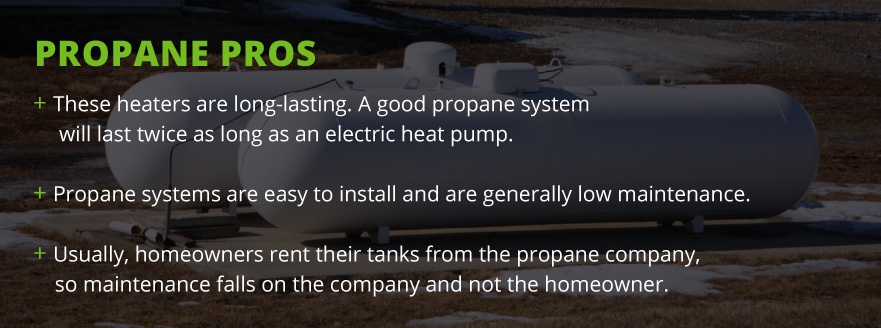
Propane requires on-site storage in tanks, which can be a logistical and aesthetic consideration. Tanks take up space and must be installed and maintained according to safety regulations. Underground tanks offer a more discreet option but involve higher installation costs.
Regular tank inspections are essential to ensure safe and reliable operation. Property owners are responsible for maintaining their propane tanks and should work with qualified technicians to address any issues promptly.
Potential Safety Hazards
While propane is generally safe when handled properly, it is a flammable gas and poses potential safety hazards if leaks occur. Propane leaks can lead to fires or explosions. It is crucial to install and maintain propane systems according to safety codes and to have working carbon monoxide detectors in the home.
NATE-certified technicians are trained to install and service propane systems safely and effectively. Regular maintenance and inspections can help prevent leaks and ensure the safe operation of propane appliances.
Higher Initial Investment
Installing a propane heating system can involve a higher initial investment compared to some other heating options, such as electric resistance heating. The cost of the furnace, tank, and installation can add up, especially for larger homes or businesses.
However, the long-term cost savings from higher efficiency and lower fuel costs can often offset the initial investment over time. A careful cost-benefit analysis is essential when choosing a heating system.
Career Opportunities in Propane HVAC: Growth and Certification
The demand for skilled HVAC technicians specializing in propane systems is expected to grow in the coming years. The Bureau of Labor Statistics projects a 5% growth in employment for HVAC mechanics and installers from 2022 to 2032. This growth is driven by the increasing demand for energy-efficient heating and cooling solutions, as well as the need to replace aging equipment.
The median annual wage for HVAC mechanics and installers was $59,620 in May 2023. The highest 10 percent earned more than $87,740.
Essential Certifications
Several certifications are highly valued in the propane HVAC industry:
- NATE (North American Technician Excellence): NATE certification demonstrates competency in HVAC installation, service, and repair. Specific NATE certifications related to propane heating are highly regarded.
- EPA 608 Certification: While primarily focused on refrigerant handling, EPA 608 certification is essential for HVAC technicians working with any type of refrigeration or air conditioning equipment, including some propane-powered systems.
- CETP (Certified Employee Training Program): Offered by the Propane Education & Research Council (PERC), CETP certification provides specialized training in propane safety, handling, and system installation.
Career Paths
Here are some potential career paths for individuals with propane HVAC expertise:
- HVAC Technician: Install, service, and repair propane heating systems in residential and commercial buildings.
- Propane System Installer: Specialize in the installation of propane tanks, piping, and related equipment.
- Service Manager: Oversee a team of HVAC technicians and manage service operations for a propane company.
- Sales Engineer: Sell propane heating systems and related services to customers.
- HVAC Instructor: Teach HVAC courses at vocational schools or community colleges.
Real-World Example: From Apprentice to Master Technician
Consider the career path of Sarah, a recent graduate of an HVAC program. She started as an apprentice with a local propane company, assisting experienced technicians with installations and repairs. She obtained her NATE certification and EPA 608 certification. Through on-the-job training and continuing education, she became a skilled HVAC technician specializing in propane systems. Now, 10 years into her career, Sarah is a master technician, leading a team of installers and earning a salary in the top 10% for her profession. She also holds a CETP certification demonstrating her commitment to propane safety and best practices.
Conclusion: Making Informed Decisions About Propane Heat
Propane heat offers numerous advantages, including high efficiency, widespread availability, and versatility. However, potential drawbacks such as fluctuating prices, storage requirements, and safety considerations must also be carefully evaluated. For HVAC professionals, students, and employers, a thorough understanding of the pros and cons of propane heat is essential for making informed decisions about heating solutions and career opportunities in this dynamic industry.