Pros And Cons Of Tankless Water Heater Vs Tank
One of the most frustrating household appliance failures is waking up to a cold shower. Before you panic and consider expensive repairs, let's explore a common issue: a malfunctioning water heater. Whether you have a traditional tank water heater or a modern tankless system, this guide will walk you through some basic troubleshooting steps you can safely attempt. We'll also weigh the pros and cons of each type to help you understand your system better.
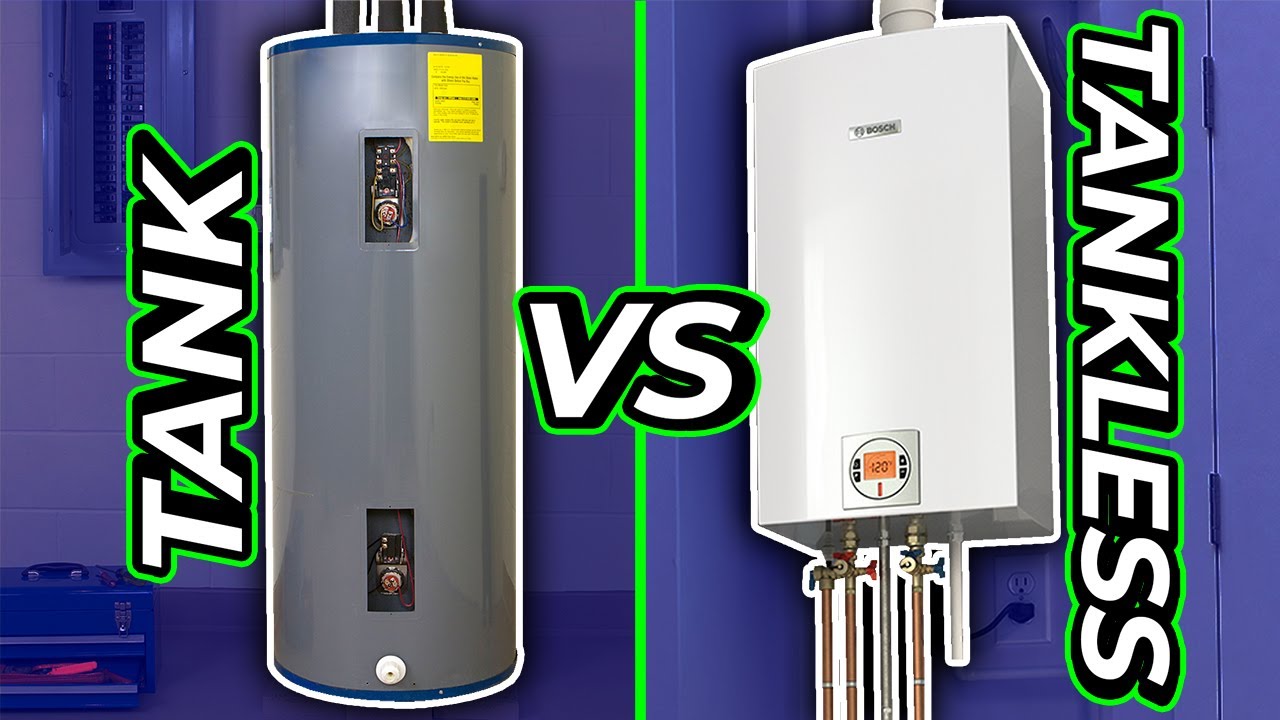
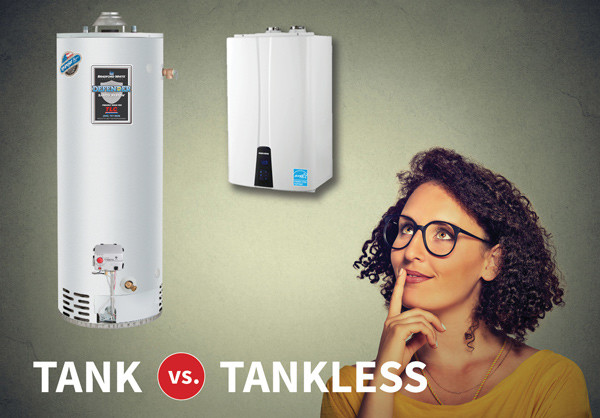
Understanding Your Water Heater: Tank vs. Tankless
Before diving into troubleshooting, it's essential to understand the fundamental differences between tank and tankless water heaters. This will help you diagnose problems more effectively.
Tank Water Heaters:
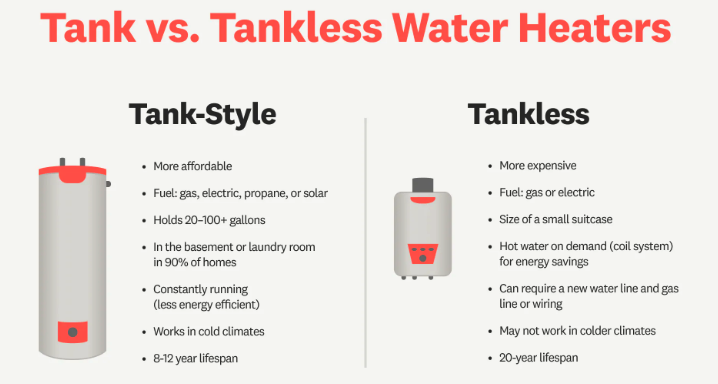
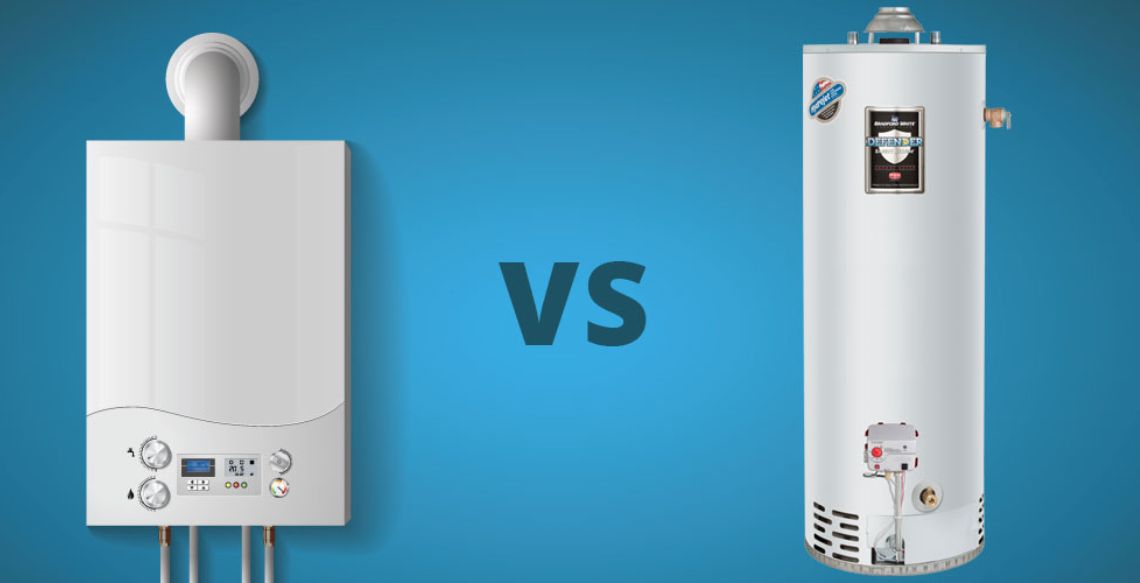
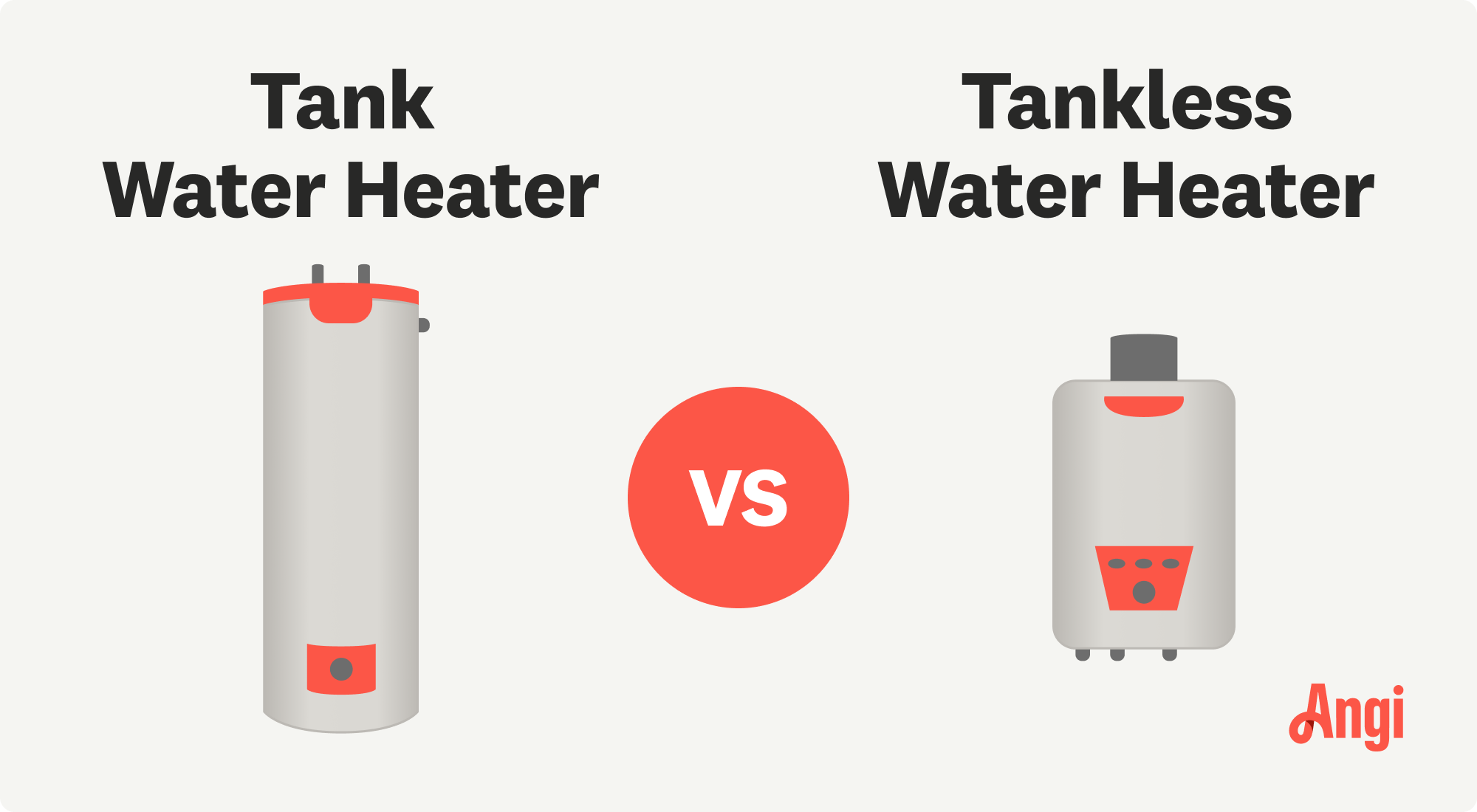
These are the more traditional type. They heat and store a reservoir of water (typically 40-80 gallons) in an insulated tank. When you turn on a hot water tap, hot water is drawn from the top of the tank while cold water enters the bottom to be heated.
Pros:
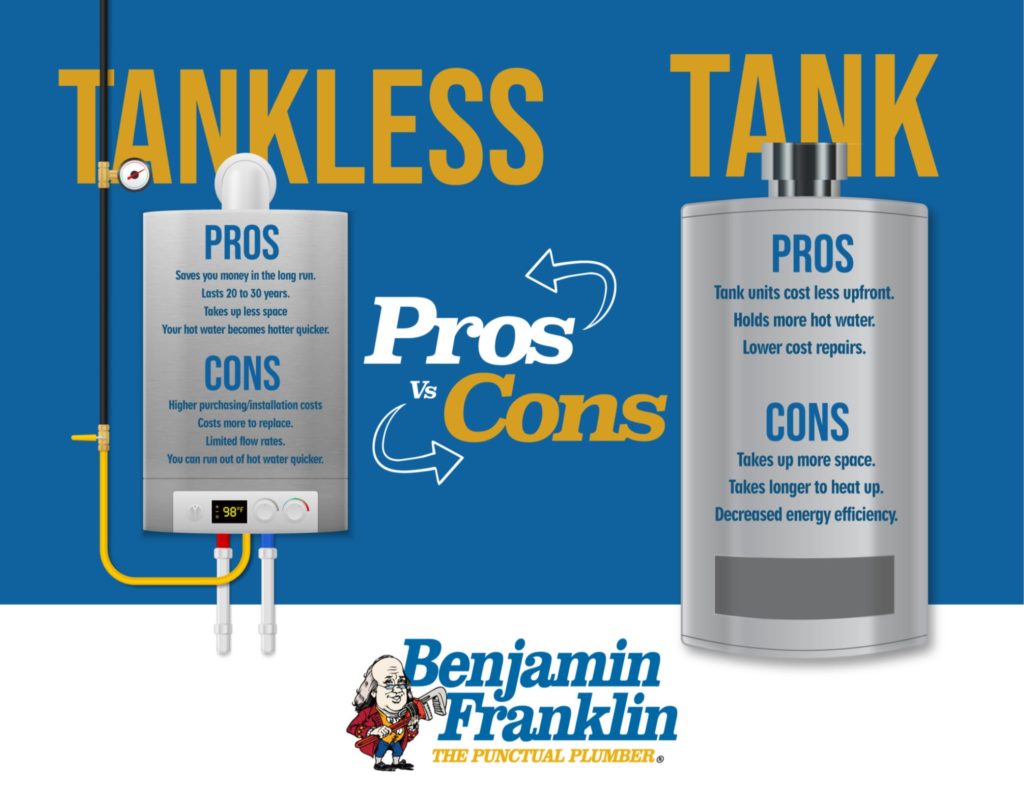
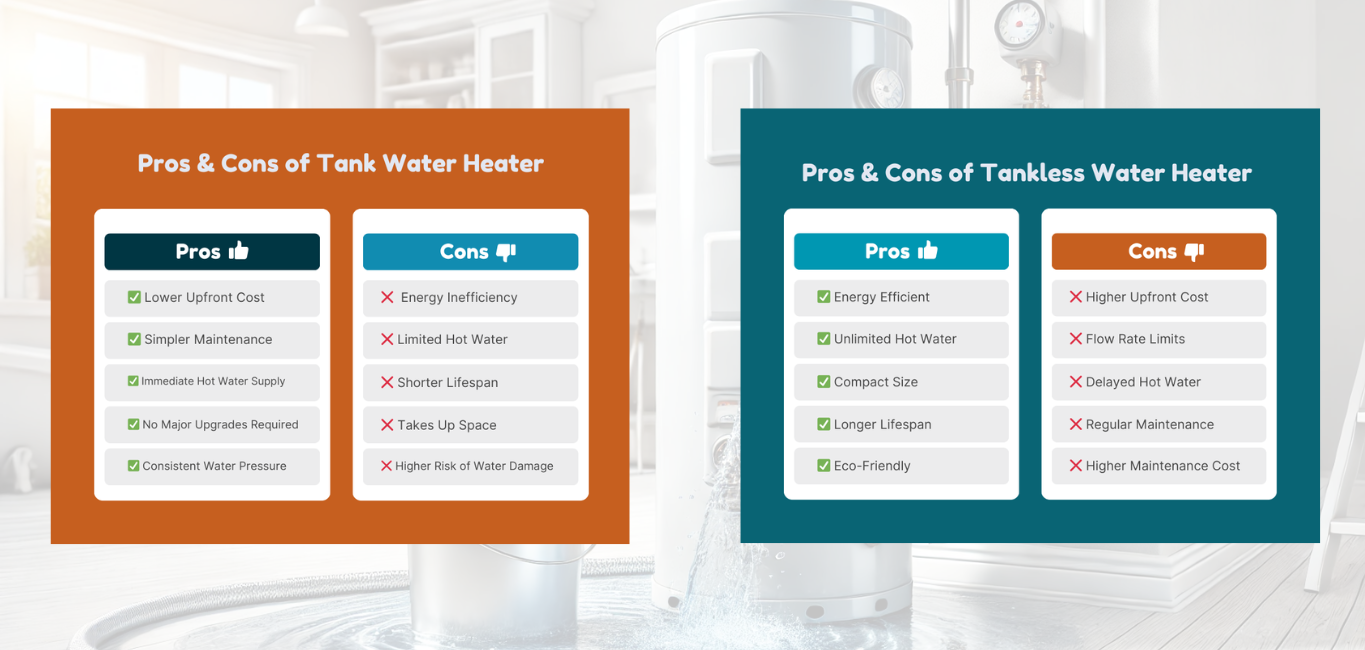
- Lower upfront cost: Tank heaters are generally less expensive to purchase and install than tankless models.
- Simpler installation: Installation is typically straightforward, especially if replacing an existing tank heater.
- Easier to repair: Many of the components are readily accessible and relatively simple to replace.
- Can handle multiple simultaneous uses: The stored hot water allows for multiple showers or appliances to run at the same time without a noticeable drop in temperature (within the tank's capacity).
Cons:
- Wasted energy: Tank heaters constantly cycle on and off to maintain the water temperature, leading to standby heat loss.
- Limited hot water supply: Once the tank is depleted, you have to wait for it to reheat.
- Larger footprint: Tank heaters take up more space.
- Shorter lifespan: Typically last 10-15 years.
Tankless Water Heaters:
These systems heat water on demand. When you turn on a hot water tap, a powerful burner or electric element activates and heats the water as it flows through the unit.
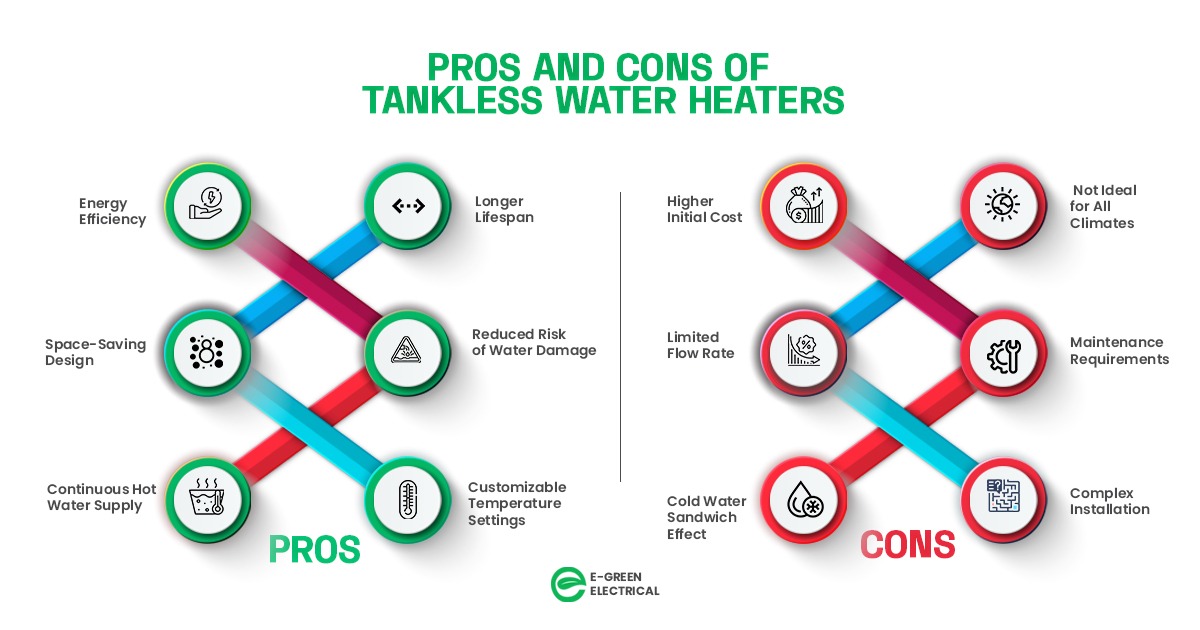
Pros:
- Endless hot water: As long as the unit can keep up with the flow rate, you'll have a continuous supply of hot water.
- Energy efficiency: Tankless heaters only heat water when you need it, eliminating standby heat loss.
- Space-saving design: Tankless heaters are much smaller and can be mounted on a wall.
- Longer lifespan: Typically last 20+ years.
Cons:
- Higher upfront cost: Tankless heaters are more expensive to purchase and install.
- More complex installation: Installation often requires upgrades to gas lines or electrical panels.
- Can be expensive to repair: Repairing tankless heaters often require a skilled professional.
- Flow rate limitations: May struggle to supply hot water to multiple fixtures simultaneously, especially in colder climates.
Troubleshooting Your Water Heater: A Step-by-Step Guide
Before you begin, always prioritize safety. Turn off the power (for electric heaters) or gas supply (for gas heaters) before attempting any repairs. If you are uncomfortable with any of these steps, call a qualified technician.
1. No Hot Water At All (Both Tank and Tankless):
This is a common problem and often has a relatively simple solution.
Step 1: Check the Power Supply (Electric Heaters)
- Circuit Breaker: Go to your electrical panel and check the circuit breaker for the water heater. Make sure it hasn't tripped. If it has, reset it. If it trips again immediately, do not continue resetting it. There is likely a short circuit, and you need to call an electrician.
- Power Switch: Some electric heaters have a separate on/off switch located near the unit. Ensure it is in the "on" position.
- Voltage (Advanced - Requires a Multimeter): If the breaker isn't tripped, use a multimeter to check the voltage at the water heater's terminals. You should read approximately 240 volts. If you're not comfortable using a multimeter, call an electrician.
Step 1: Check the Gas Supply (Gas Heaters)
- Gas Valve: Make sure the gas valve on the gas line leading to the water heater is open. It should be parallel to the gas line.
- Pilot Light (Older Models): If your gas heater has a pilot light, check if it's lit. Follow the manufacturer's instructions to relight it if necessary. Be very careful when working around gas. If you smell gas, evacuate the area and call your gas company immediately.
- Gas Pressure (Advanced - Requires a Manometer): Checking gas pressure requires specialized equipment and knowledge. This should only be done by a qualified gas technician.
Step 2: Check the Thermostat (Tank Heaters)
- Access Panels: Locate the access panels on the side of the tank. There are typically two, one for the upper thermostat and heating element and one for the lower.
- Thermostat Settings: Remove the panels (turn off the breaker first!). You'll see insulation and the thermostat. Make sure the thermostat is set to the desired temperature (typically 120-130°F). Also, some have a High Limit Reset Button (often red). Press it. If it clicks, it means it tripped. This could indicate an overheating issue, which should be investigated by a professional.
Step 2: Check the Display/Error Codes (Tankless Heaters)
- Error Codes: Tankless heaters often display error codes that can help pinpoint the problem. Consult your owner's manual to understand what the code means. Common codes relate to ignition failure, overheating, or flow rate issues.
- Reset Button: Some tankless heaters have a reset button. Try pressing it to see if it clears the error code.
Step 3: Check for Leaks
Examine the area around the water heater for any signs of leaks. Leaks can indicate a failing tank (for tank heaters) or a loose connection.
2. Not Enough Hot Water (Tank Heaters):
This could be due to a number of factors, including sediment buildup, a failing heating element, or a thermostat problem.
Step 1: Check the Thermostat Settings (As described above)
Ensure the thermostat is set to an appropriate temperature.
Step 2: Flush the Tank (Sediment Buildup)
- Turn off the Power/Gas: Before flushing, turn off the power (electric) or gas supply (gas).
- Attach a Hose: Connect a garden hose to the drain valve at the bottom of the tank.
- Open the Drain Valve: Run the hose to a safe drainage area (like a floor drain or outside). Open the drain valve and let the tank drain completely. Be prepared for rusty, sediment-filled water.
- Flush the Tank: Once the tank is empty, briefly open the cold water inlet valve to flush out any remaining sediment.
- Close the Drain Valve: Close the drain valve and refill the tank.
- Turn on the Power/Gas: Once the tank is full, turn the power or gas back on.
Step 3: Check the Heating Elements (Electric Heaters - Requires Basic Electrical Knowledge)
- Turn off the Power: Absolutely essential! Turn off the circuit breaker before attempting this step.
- Remove Access Panels: As before, remove the access panels on the side of the tank.
- Test the Elements: Use a multimeter to test the continuity of the heating elements. If an element has no continuity (reads infinite resistance), it's likely burned out and needs to be replaced.
- Element Replacement: Replacing a heating element is a relatively straightforward process, but it involves working with electricity and water. If you are not comfortable, call a professional. You'll need to drain the tank to below the level of the element, unscrew the old element, and screw in the new one, using Teflon tape on the threads.
3. Lukewarm Water (Both Tank and Tankless):
This often points to a problem with the heating element, gas burner, or thermostat.
For Tank Heaters: Follow the steps above for checking thermostats and heating elements.
For Tankless Heaters:
- Flow Rate: Make sure you're not exceeding the unit's flow rate capacity. Try running only one hot water fixture at a time.
- Inlet Water Temperature: If the incoming water is very cold (especially in winter), the tankless heater may struggle to heat it to the desired temperature.
- Gas Pressure (Gas Models): Low gas pressure can prevent the burner from firing properly. This should be checked by a qualified gas technician.
- Scale Buildup: Over time, mineral deposits (scale) can build up inside the heat exchanger of a tankless heater, reducing its efficiency. Descaling the unit may be necessary. Refer to your owner's manual for instructions on how to descale your specific model.
4. Water is Too Hot (Both Tank and Tankless):
This is usually a thermostat issue.
For Tank Heaters: Adjust the thermostat to a lower temperature.
For Tankless Heaters: Adjust the temperature setting on the unit's control panel.
5. Noisy Water Heater (Tank Heaters):
Banging, rumbling, or popping noises often indicate sediment buildup in the tank.
- Flush the Tank: Follow the flushing procedure described above.
When to Call a Professional:
While many water heater problems can be addressed with basic troubleshooting, some issues require the expertise of a qualified plumber or HVAC technician. Call a professional if:
- You are uncomfortable working with electricity or gas.
- You smell gas.
- The circuit breaker trips repeatedly.
- You suspect a gas leak.
- You see signs of corrosion or rust on the tank or unit.
- You are unable to diagnose the problem.
- The water heater is leaking.
- Repairs involve complex parts or internal components.
- You are unsure about any step in the troubleshooting process.
Preventative Maintenance:
Regular maintenance can help prevent water heater problems and extend the life of your unit.
- Flush the Tank (Tank Heaters): Flush the tank at least once a year to remove sediment.
- Inspect the Anode Rod (Tank Heaters): The anode rod protects the tank from corrosion. It should be inspected and replaced every few years.
- Descale the Unit (Tankless Heaters): Descale the unit as needed, according to the manufacturer's instructions.
- Check for Leaks: Regularly inspect the area around the water heater for any signs of leaks.
- Insulate the Pipes: Insulating the hot water pipes can help reduce heat loss and save energy.
By understanding the pros and cons of tank versus tankless water heaters and following these troubleshooting steps, you can keep your hot water flowing and potentially save money on costly repairs. Remember to always prioritize safety and call a professional when needed. With a little knowledge and care, you can keep your water heater running efficiently for years to come.