Ptfe Thread Seal Tape Natural Gas
When working with natural gas lines, safety is paramount. Every connection must be airtight to prevent leaks, which can lead to dangerous and even deadly situations. While pipe dope has been a traditional solution, PTFE thread seal tape, specifically designed for natural gas applications, offers a reliable and convenient alternative. This article dives into the world of PTFE tape for natural gas, exploring its benefits, limitations, proper usage, and how it stacks up against other sealing methods.
What is PTFE Thread Seal Tape for Natural Gas?
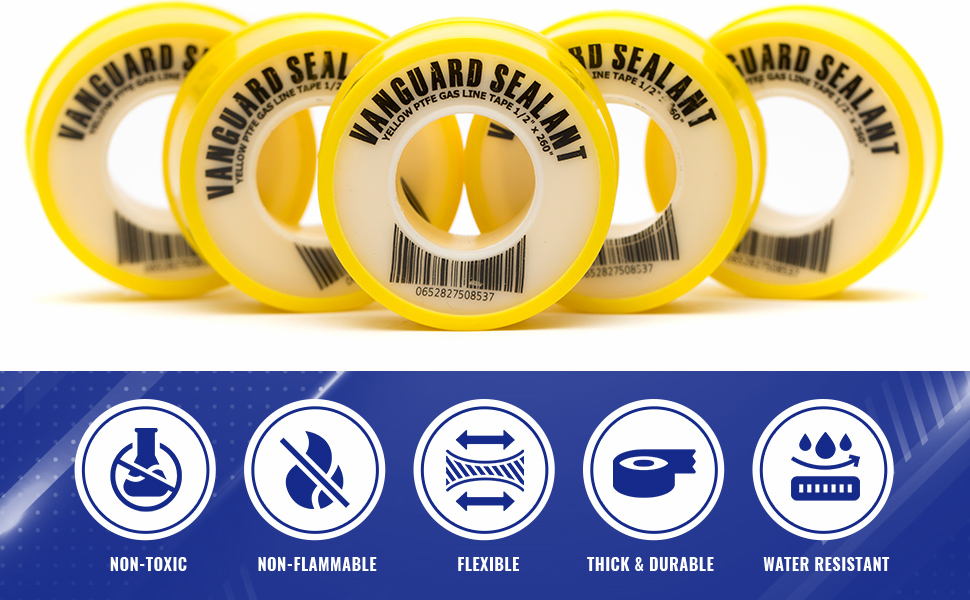
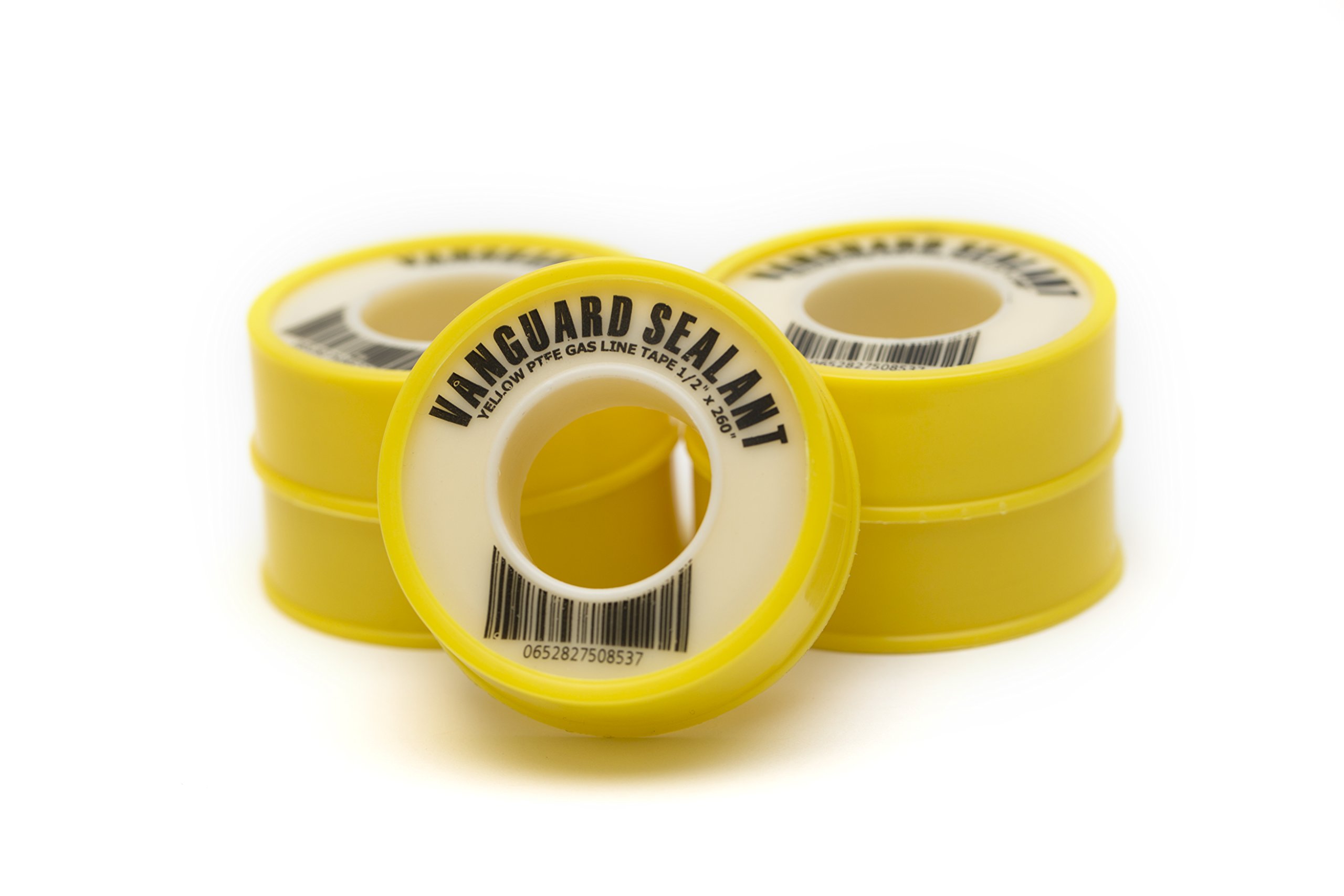
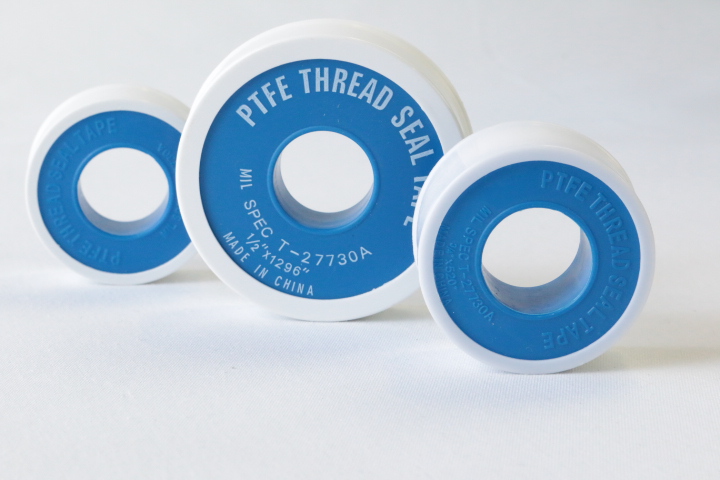
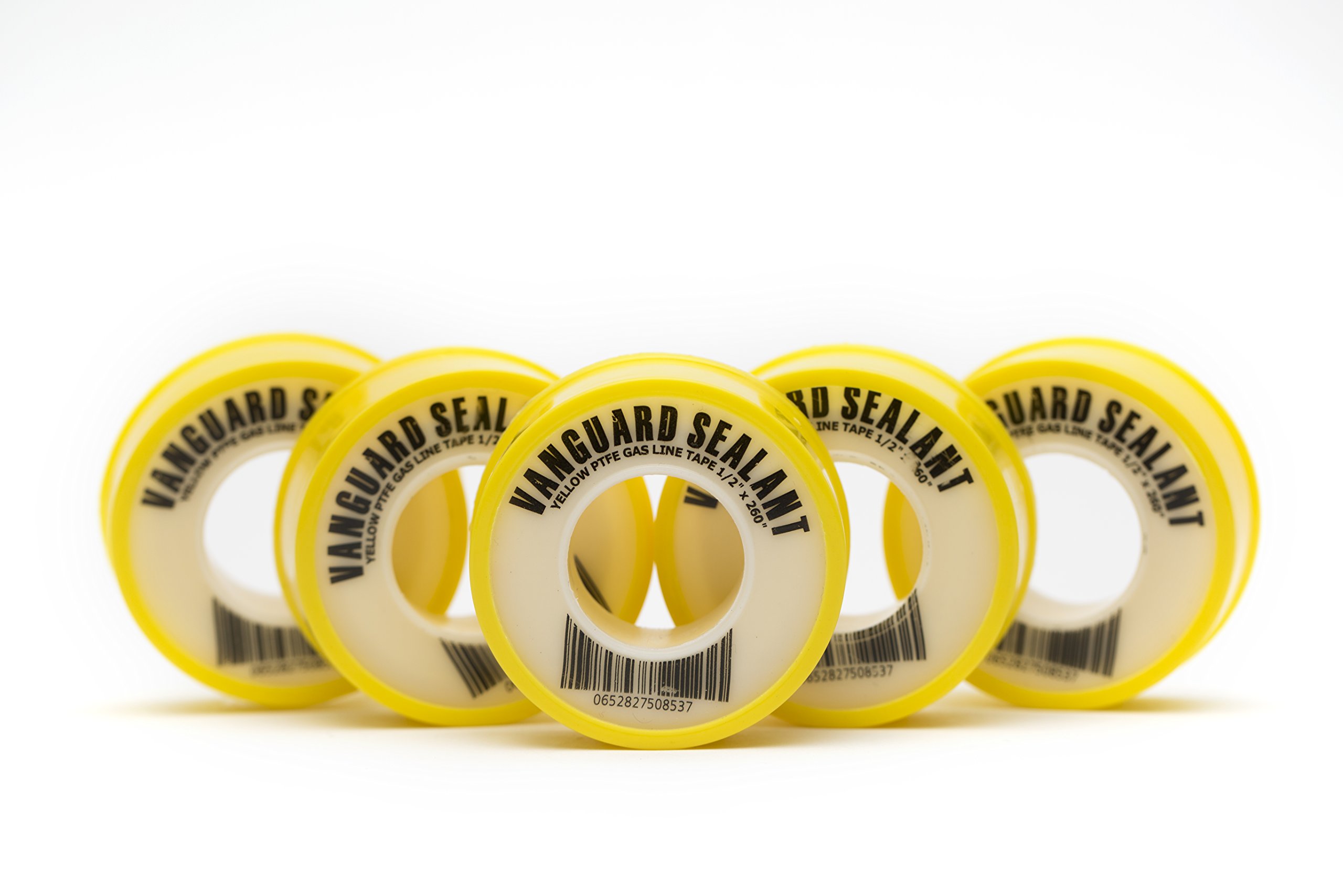
PTFE (Polytetrafluoroethylene) thread seal tape, often referred to as Teflon tape or plumber's tape, is a thin, white film used to create a watertight seal between threaded pipe connections. However, not all PTFE tape is created equal. Natural gas-approved PTFE tape is typically yellow and is specifically formulated to withstand the rigors of natural gas systems. This specialized tape is denser and thicker than standard white PTFE tape, providing a more robust seal against gas permeation.
Key Features of Natural Gas PTFE Tape:
- Color: Typically yellow to distinguish it from standard white PTFE tape.
- Density: Higher density for a stronger seal and better resistance to gas.
- Thickness: Thicker than standard tape, providing extra sealing power.
- Temperature Resistance: Designed to withstand the temperature ranges commonly found in natural gas systems.
- Chemical Resistance: Inert and resistant to most chemicals found in natural gas.
Benefits of Using PTFE Tape for Natural Gas
Compared to traditional pipe dope or other sealing methods, PTFE tape offers several advantages:
- Ease of Use: Application is straightforward and requires minimal tools or expertise. Simply wrap the tape around the threads in the direction of the thread spiral.
- Cleanliness: Unlike pipe dope, PTFE tape is clean and doesn't make a mess.
- Compatibility: Generally compatible with various pipe materials, including steel, brass, and PVC (ensure compatibility with the specific pipe material).
- Non-Hardening: Remains flexible, preventing cracking or shrinking over time, which can lead to leaks.
- Chemical Resistance: PTFE is inert and resists degradation from most chemicals found in natural gas.
- Cost-Effective: Relatively inexpensive compared to other sealing solutions.
Potential Drawbacks
While PTFE tape is a great option, it's essential to be aware of its limitations:
- Proper Application is Key: An incorrectly applied tape can lead to leaks. Overlapping and proper tension are crucial.
- Not a Gap Filler: PTFE tape primarily seals threads. It won't effectively fill large gaps or compensate for damaged threads.
- Limited Temperature Range: While designed for natural gas systems, extreme temperatures beyond the specified range could affect its performance.
- Thread Damage Potential: Excessive tape or overtightening can potentially damage threads, especially on softer materials like brass.
- Not for High-Pressure Systems: While suitable for typical residential natural gas pressures, it may not be ideal for very high-pressure industrial applications. Always consult with a qualified professional for high-pressure systems.
How to Apply PTFE Tape to Natural Gas Fittings
Proper application is crucial for achieving a leak-proof seal. Follow these steps:
- Clean the Threads: Ensure the threads are clean and free from debris.
- Wrap the Tape: Wrap the tape around the male threads in the direction opposite the way the fitting will be tightened. This ensures the tape tightens as the fitting is screwed on.
- Overlap the Tape: Overlap the tape by about 50% with each wrap.
- Apply Tension: Apply slight tension as you wrap the tape to ensure it conforms to the threads.
- Use Sufficient Layers: Apply 3-5 layers of tape, depending on the thread size and tightness.
- Avoid Covering the First Thread: Leave the first thread exposed to help initiate the connection smoothly.
- Tighten the Fitting: Tighten the fitting securely, following the manufacturer's recommendations.
- Leak Test: After installation, test the connection for leaks using a soap and water solution. Bubbles indicate a leak.
PTFE Tape vs. Pipe Dope (Thread Sealant)
Pipe dope, also known as thread sealant or pipe joint compound, is a paste-like substance used to seal threaded pipe connections. Here's a comparison:
| Feature | PTFE Tape | Pipe Dope |
|---|---|---|
| Ease of Use | Generally easier for beginners. | Requires more skill and experience to apply correctly. |
| Cleanliness | Clean and mess-free. | Can be messy and difficult to clean up. |
| Compatibility | Generally compatible with various materials. | Check compatibility with specific pipe materials. |
| Gap Filling | Limited gap-filling ability. | Can fill minor imperfections and gaps in threads. |
| Temperature Resistance | Good for typical natural gas systems. | Formulas vary; check temperature rating. |
| Flexibility | Remains flexible and doesn't harden. | Some types can harden over time. |
| Cost | Inexpensive. | Inexpensive. |
The Verdict: Both PTFE tape and pipe dope are effective sealing methods. PTFE tape is generally preferred for its ease of use and cleanliness, while pipe dope can be beneficial for filling minor imperfections. Choose the method you are most comfortable with and that is appropriate for the specific application.
Brands and Products
Several brands offer PTFE tape suitable for natural gas applications. Look for products specifically labeled as "gas line tape" or "PTFE tape for natural gas." Some popular brands include:
- Gasoila: Offers high-quality PTFE tape specifically designed for gas lines.
- Rectorseal: Known for their reliable pipe joint compounds and also produces PTFE tape for gas.
- Oatey: A trusted brand in plumbing supplies, offering a range of PTFE tapes, including gas-approved options.
Always check the product specifications to ensure it meets the requirements for your specific natural gas system.
Safety Considerations
Working with natural gas requires extreme caution. If you are not comfortable working with gas lines, hire a qualified HVAC technician or plumber. Always follow these safety precautions:
- Turn off the gas supply: Before working on any gas lines, turn off the gas supply at the meter.
- Ventilate the area: Ensure proper ventilation to prevent gas buildup.
- Use a gas detector: Use a gas detector to check for leaks after making any connections.
- Test with soapy water: After tightening connections, test for leaks with a soapy water solution. Bubbles indicate a leak.
- Never use an open flame: Never use an open flame to check for gas leaks.
Cost and Availability
PTFE tape for natural gas is readily available at most hardware stores, plumbing supply stores, and online retailers. A standard roll typically costs between $5 and $15, depending on the brand and length. The cost is minimal compared to the potential consequences of a gas leak.
Conclusion
Using PTFE thread seal tape for natural gas is a reliable and cost-effective way to create leak-proof connections in your natural gas system. By understanding its benefits, limitations, and proper application techniques, you can ensure a safe and efficient gas system. Remember to prioritize safety and consult with a qualified professional if you have any doubts or concerns. Always choose tape specifically designed and rated for natural gas applications, usually identified by its yellow color.