Pump Serial Number Lookup

In the quest for energy efficiency, understanding the components of your HVAC system is paramount. One often overlooked, yet critical, piece is the pump. Whether it’s a circulator pump for your radiant heating system or a condensate pump for your air conditioner, knowing its specifications can unlock valuable information for maintenance, repairs, and ultimately, energy savings. This article delves into the world of pump serial number lookups, explaining how to locate them, what information they provide, and how to leverage that information to optimize your HVAC system's performance and reduce your energy bills.
Why is a Pump Serial Number Important?
The serial number is more than just a random string of characters; it's the unique identifier of your pump. It’s essentially the pump's DNA, containing crucial information about its:
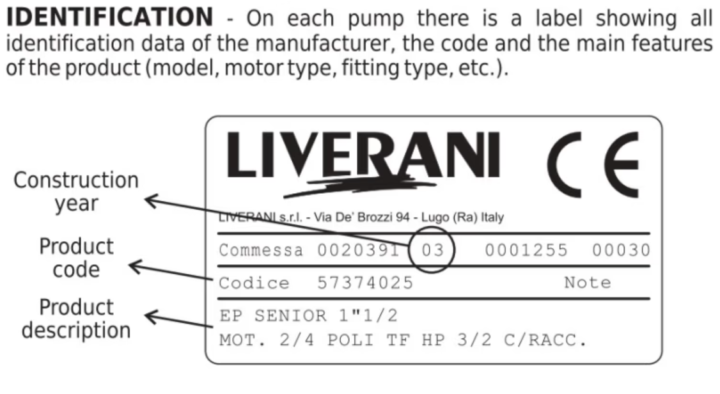
- Manufacturing Date: Allows you to determine the age of the pump and anticipate potential maintenance needs.
- Model Number: Provides specific details about the pump's design, performance characteristics, and compatible replacement parts.
- Technical Specifications: Including flow rate, head pressure, power consumption, and voltage requirements, which are critical for proper system operation.
- Warranty Information: Enables you to verify if your pump is still under warranty, potentially saving you money on repairs.
- Replacement Part Identification: Ensures you order the correct replacement parts for repairs, avoiding costly mistakes.
For homeowners, understanding these details empowers you to make informed decisions about repairs versus replacement, ultimately contributing to lower energy consumption. For businesses and HVAC contractors, it streamlines maintenance processes and ensures optimal system performance.
Where to Find the Pump Serial Number
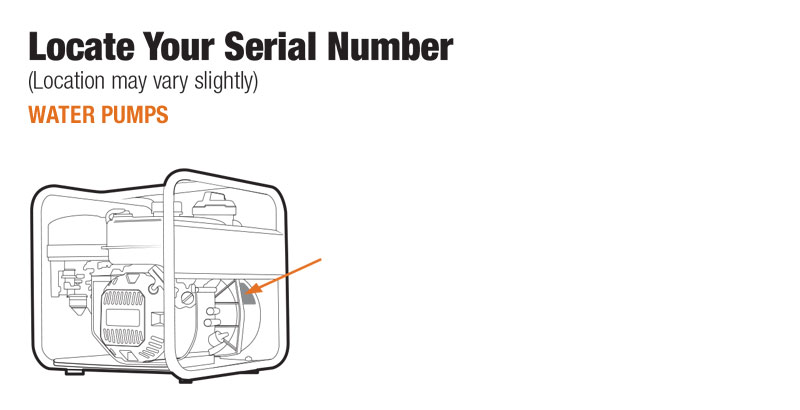
Locating the serial number is the first step. Fortunately, manufacturers typically place it in a prominent location. Here are the most common places to look:
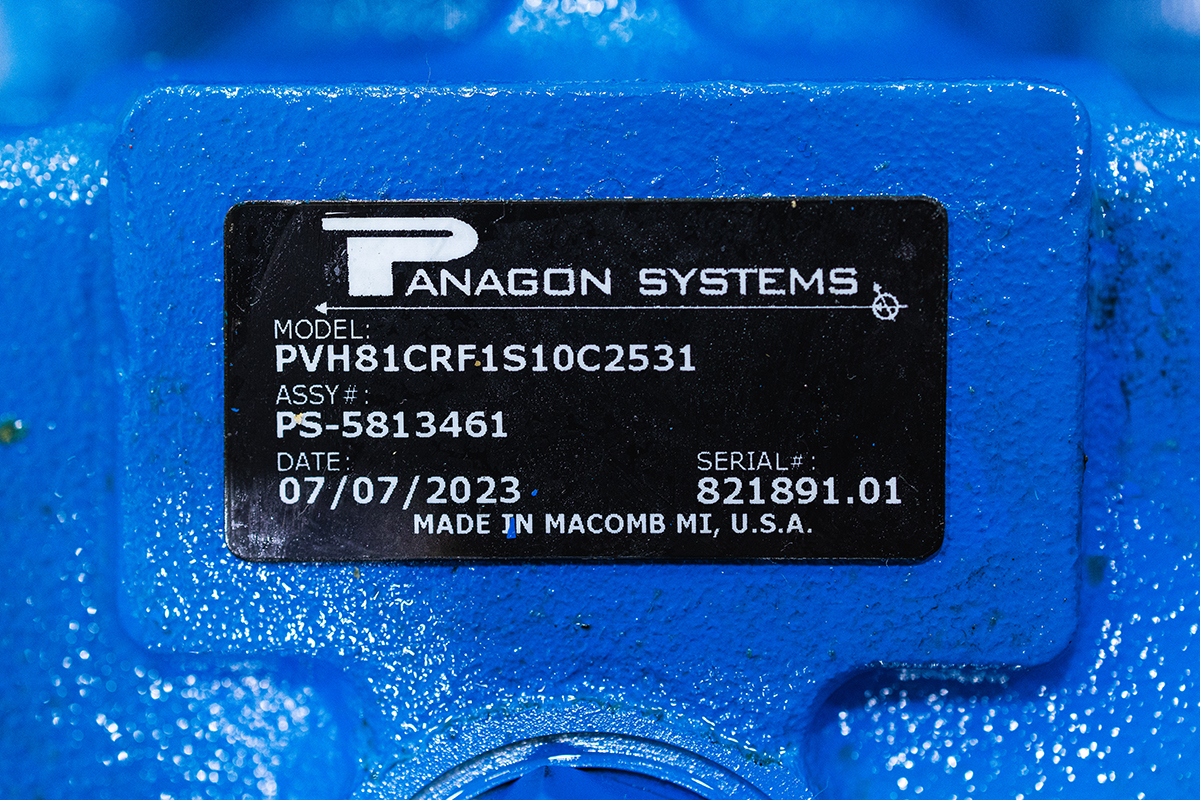
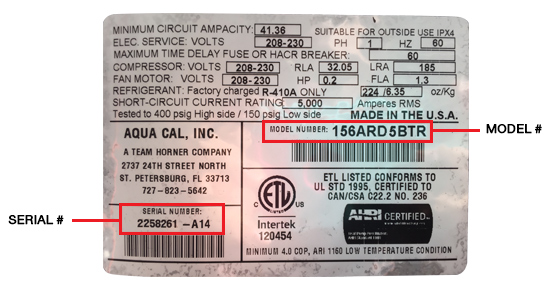
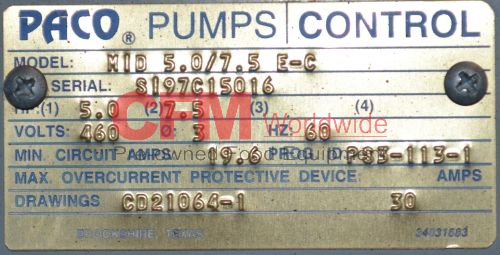
- Nameplate: This is usually a metal or plastic tag affixed directly to the pump housing. The nameplate typically includes the manufacturer's name, model number, serial number, and other technical specifications. Look carefully on all sides of the pump.
- Original Packaging: If you have the original packaging, the serial number may be printed on a label.
- Installation Manual: The manual often includes the serial number, especially for larger or more complex pumps.
- Pump Housing: In some cases, the serial number may be stamped or etched directly onto the pump housing itself.
Once you've located the nameplate, you'll find a series of numbers and letters. Identifying the serial number from other information on the plate can sometimes be tricky. Look for labels explicitly marked "Serial Number," "S/N," or "Serial No."
Performing a Pump Serial Number Lookup
Once you have the serial number, the next step is to use it to access detailed information about your pump. Here are several methods you can use:
Manufacturer's Website
The most reliable method is to visit the pump manufacturer's website. Most manufacturers have online databases or support sections where you can enter the serial number to access product specifications, manuals, warranty information, and replacement parts lists. This is often the quickest and most accurate way to obtain the information you need. Examples of manufacturers to search include Grundfos, Wilo, Armstrong Fluid Technology, and Taco Comfort Solutions.
Online Pump Databases
Several online databases specialize in aggregating pump information from various manufacturers. These databases can be a valuable resource if you're unsure of the manufacturer or if their website doesn't offer a serial number lookup tool. However, ensure the database is reputable and the information is accurate before relying on it.
Contacting the Manufacturer Directly
If you can't find the information you need online, contacting the manufacturer directly is another option. Most manufacturers have customer support departments that can assist you with serial number lookups and provide detailed product information. Be prepared to provide the serial number, model number, and any other relevant details you have.
Consulting an HVAC Professional
If you're unsure about any aspect of the pump serial number lookup process or need assistance interpreting the information, consulting a qualified HVAC professional is always a good idea. They have the expertise and experience to accurately identify your pump, understand its specifications, and recommend the best course of action for maintenance, repairs, or upgrades. They can also help identify if any Energy Star rated replacements are available.
Leveraging Pump Information for Energy Efficiency
The information obtained from the serial number lookup can be used to optimize your HVAC system's energy efficiency in several ways:
Proper Sizing and Matching
Ensuring your pump is correctly sized for your system is crucial for energy efficiency. An oversized pump will consume excessive energy, while an undersized pump will not provide adequate flow, leading to system inefficiencies. The serial number information can help you verify the pump's flow rate and head pressure capabilities and ensure they align with your system's requirements.
Optimizing Pump Settings
Many modern pumps offer adjustable settings, such as variable speed control, which can significantly improve energy efficiency. The serial number lookup can provide information about these features and how to optimize them for your specific application. For example, a variable-speed circulator pump, when properly configured, can reduce energy consumption by up to 70% compared to a traditional fixed-speed pump, according to the U.S. Department of Energy.
Identifying Inefficient Pumps
If your pump is old or inefficient, replacing it with a newer, more energy-efficient model can result in substantial energy savings. The serial number information can help you determine the pump's age and efficiency rating and compare it to modern alternatives. Look for pumps with the Energy Star certification, indicating they meet stringent energy efficiency standards.
Smart HVAC Integration
Integrating smart technology with your pumps can further enhance energy efficiency. Smart thermostats and sensors can monitor system performance and adjust pump settings in real-time to optimize energy consumption. The serial number lookup can help you determine if your pump is compatible with smart HVAC systems and what integration options are available.
Preventative Maintenance
Understanding your pump's specifications and maintenance requirements can help you proactively address potential issues before they lead to energy-wasting problems. Regular maintenance, such as cleaning impellers and lubricating bearings, can ensure optimal performance and extend the pump's lifespan. The serial number information can provide guidance on recommended maintenance procedures and schedules.
ROI and Rebates: Making the Case for Upgrades
While upgrading to a more efficient pump involves an initial investment, the long-term energy savings and reduced maintenance costs can result in a significant return on investment (ROI). Consider this scenario: a homeowner replaces a 20-year-old, single-speed circulator pump with a modern, variable-speed Energy Star certified model. The new pump consumes 60% less electricity. Over a 10-year period, the homeowner could save hundreds of dollars in energy costs, more than offsetting the initial cost of the pump.
Furthermore, many utility companies and government agencies offer rebates and incentives for installing energy-efficient HVAC equipment. Check with your local utility provider or visit the Energy Star website to explore available rebates for pumps and other energy-saving measures. Combining energy savings with rebates can make the upgrade even more financially attractive.
The Future of Pump Technology
Pump technology continues to evolve, with manufacturers developing increasingly efficient and intelligent models. Look for features like:
- Integrated Sensors: Providing real-time data on pump performance and system conditions.
- Cloud Connectivity: Allowing for remote monitoring and control.
- Predictive Maintenance: Using data analytics to anticipate potential failures and schedule maintenance proactively.
By staying informed about these advancements and leveraging the information available through pump serial number lookups, you can ensure your HVAC system is operating at peak efficiency, saving you money and reducing your environmental footprint.
Conclusion
A pump serial number lookup is an invaluable tool for homeowners, businesses, and HVAC professionals alike. It provides a gateway to a wealth of information that can be used to optimize HVAC system performance, reduce energy consumption, and save money. By understanding how to locate serial numbers, perform lookups, and leverage the information obtained, you can make informed decisions about maintenance, repairs, and upgrades, ensuring your HVAC system operates efficiently and reliably for years to come. From homeowners seeking lower energy bills to businesses aiming for sustainable operations, embracing the power of pump serial number lookups contributes to a more energy-efficient and cost-effective future.