Put The System Installation And Inspection Steps In Order

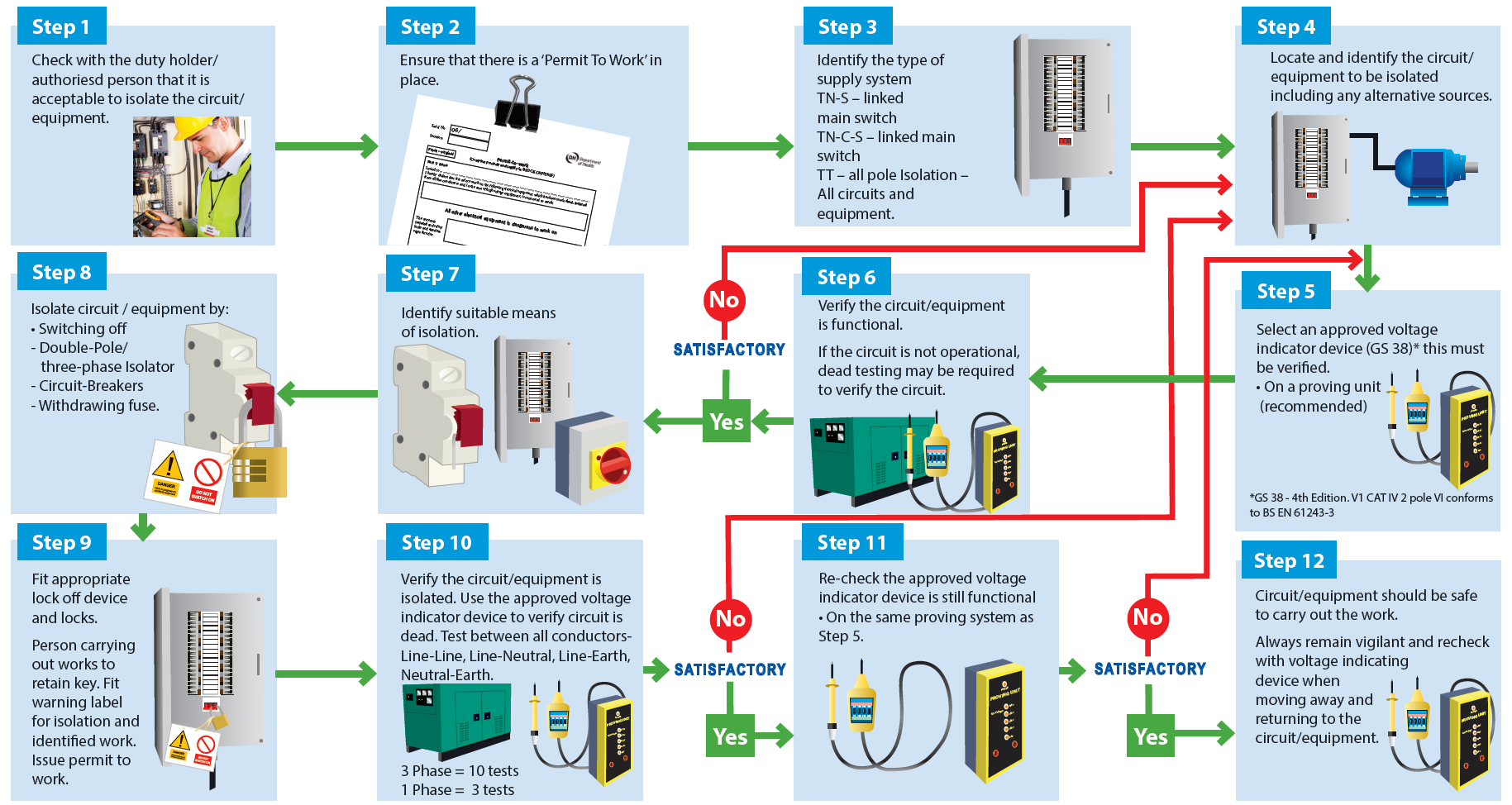
Understanding the proper sequence of system installation and inspection is paramount for anyone involved in the HVAC industry. Whether you're a student just starting out, a seasoned technician seeking advancement, or an employer looking for top talent, knowing these steps is critical for efficiency, safety, and regulatory compliance. A misstep can lead to costly rework, system inefficiencies, and even safety hazards. This article outlines the typical order of operations for HVAC system installation and inspection, providing a foundation for a successful career in this rapidly growing field.
HVAC Installation: A Step-by-Step Guide
HVAC installation is a multi-stage process that requires careful planning and execution. The exact steps can vary slightly depending on the type of system (e.g., split system, packaged unit, ductless mini-split), but the following represents a general sequence:
1. Planning and Design
This initial phase is crucial. It involves assessing the building's heating and cooling needs, considering factors like square footage, insulation, climate, and occupancy. Proper load calculations are essential for selecting the right size equipment. Ignoring this step often results in over or undersized systems, leading to inefficiency and discomfort.
Key Considerations:
- Accurate load calculations (using tools like Manual J)
- Building codes and regulations
- Energy efficiency requirements
- Client preferences and budget
2. Site Preparation
Before any equipment arrives, the installation site must be prepared. This includes clearing the area, ensuring proper access for equipment delivery, and verifying that the structural supports are adequate. Electrical and plumbing connections should also be readily available. This also may involve removing old equipment.
Tasks:
- Clearance of the work area
- Structural integrity checks
- Electrical and plumbing preparation
- Removal of old systems, if applicable
3. Equipment Placement and Mounting
The next step is physically placing the HVAC equipment, such as the air handler, condenser, furnace, or heat pump, in its designated location. Secure mounting is essential to prevent vibrations, noise, and potential damage. Follow the manufacturer's instructions meticulously.
Important Aspects:
- Leveling and secure mounting
- Adherence to manufacturer's specifications
- Proper clearances for maintenance
4. Ductwork Installation (if applicable)
For ducted systems, installing the ductwork is a critical step. This involves connecting the duct sections, sealing the seams to prevent air leaks, and insulating the ductwork to minimize energy loss. Proper duct design and installation significantly impact system efficiency and airflow.
Essential Practices:
- Proper duct sizing and layout
- Sealing all seams with mastic or foil tape
- Insulating ductwork to meet code requirements
5. Refrigerant Line Connections (if applicable)
Connecting the refrigerant lines between the indoor and outdoor units is a delicate process. These lines must be properly sized, brazed (welded), and leak-tested to ensure efficient refrigerant flow. Any leaks can lead to system failure and environmental damage.
Safety and Precision:
- Proper brazing techniques to prevent leaks
- Nitrogen purging during brazing
- Leak testing with appropriate methods (e.g., soap bubbles, electronic leak detectors)
6. Electrical Connections
Connecting the electrical wiring is a crucial step that must be performed by a qualified electrician or HVAC technician with electrical expertise. Incorrect wiring can cause electrical shocks, fires, and equipment damage. Strict adherence to electrical codes is mandatory.
Safety First:
- Compliance with all applicable electrical codes
- Proper grounding of equipment
- Use of appropriate wiring and connectors
7. System Startup and Testing
Once all connections are made, the system can be started up and tested. This involves checking the refrigerant charge, airflow, and operating temperatures. Any discrepancies must be addressed to ensure optimal performance.
Critical Checks:
- Verification of refrigerant charge
- Airflow measurement and adjustment
- Temperature readings at various points in the system
- Voltage and amperage readings
8. System Commissioning
Commissioning is the final stage, where the system is fine-tuned and optimized for efficient operation. This may involve adjusting dampers, calibrating controls, and documenting system performance. Training the homeowner or building operator on how to use the system is also part of this step.
Final Touches:
- System fine-tuning and optimization
- Documentation of system performance
- Homeowner/operator training
HVAC Inspection: Ensuring Quality and Safety
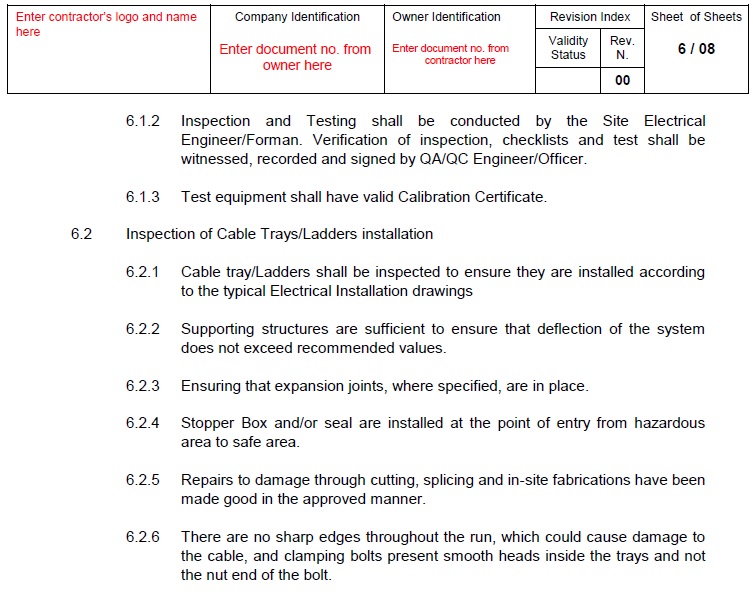
Regular inspections are essential to ensure the ongoing safety and efficiency of HVAC systems. Inspections can be performed at various stages of the installation process or as part of routine maintenance. The goal is to identify potential problems before they escalate into major issues.
1. Pre-Installation Inspection
Before starting any work, inspect the site for potential hazards, such as asbestos or other environmental concerns. Verify that the electrical and plumbing connections are adequate and that the structural supports are sufficient.
2. Rough-In Inspection
This inspection typically occurs after the ductwork and refrigerant lines have been installed but before they are covered up. The inspector will check for proper sealing of ductwork, correct sizing of refrigerant lines, and adherence to building codes.
3. Final Inspection
The final inspection is performed after the entire system has been installed and is operational. The inspector will verify that all components are functioning correctly, that the refrigerant charge is correct, and that all safety features are in place. This also includes ensuring the homeowner has received proper documentation and training.
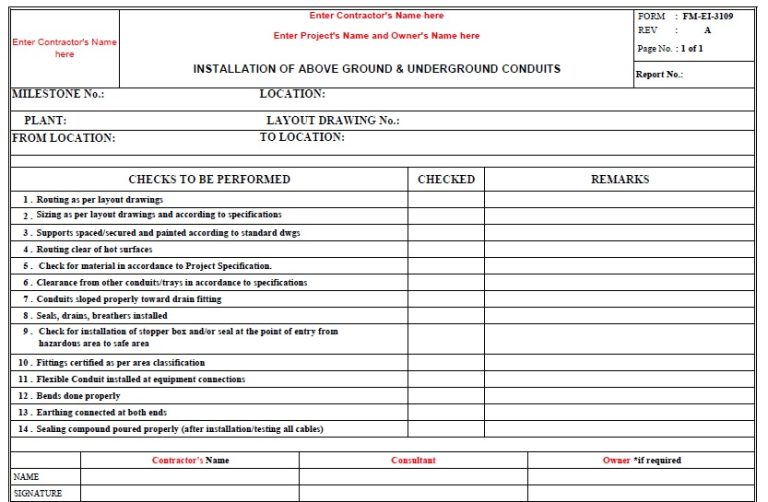
Key Inspection Points:
- Proper installation of equipment
- Adequate ventilation and airflow
- Leak-free refrigerant lines
- Safe electrical connections
- Compliance with building codes
- Proper system performance
Certifications and Career Paths
Obtaining relevant certifications can significantly enhance your career prospects in the HVAC industry. Some of the most important certifications include:
- EPA 608 Certification: Required for anyone who handles refrigerants. This certification demonstrates knowledge of refrigerant recovery, recycling, and reclamation procedures.
- NATE (North American Technician Excellence) Certification: A highly respected certification that validates the skills and knowledge of HVAC technicians. NATE offers certifications in various specialties, such as air conditioning, heating, and refrigeration.
- HVAC Excellence Certification: Another widely recognized certification that demonstrates competency in HVAC skills.
Career Paths:
The HVAC industry offers a wide range of career paths, from entry-level technician positions to specialized roles such as:
- HVAC Installer: Installs new HVAC systems in residential or commercial buildings.
- HVAC Service Technician: Diagnoses and repairs malfunctioning HVAC systems.
- HVAC Maintenance Technician: Performs routine maintenance on HVAC systems to prevent breakdowns.
- HVAC Sales Engineer: Designs and sells HVAC systems to customers.
- HVAC Project Manager: Oversees the installation and commissioning of large-scale HVAC projects.
Job Outlook and Salary
The job outlook for HVAC technicians is excellent. The Bureau of Labor Statistics projects a growth rate of 6% from 2022 to 2032, which is about average for all occupations. This growth is driven by increasing demand for energy-efficient HVAC systems and the need to replace aging equipment. According to the BLS, the median annual wage for HVAC technicians was $51,900 in May 2022. However, salaries can vary widely depending on experience, location, and certifications. Skilled technicians with advanced certifications can earn significantly more.
Example: A NATE-certified technician with 5+ years of experience in a major metropolitan area could potentially earn upwards of $70,000 per year.
The HVAC industry is constantly evolving with new technologies and regulations. Staying up-to-date with the latest trends through continuing education and professional development is essential for career advancement.
Conclusion
Mastering the proper sequence of HVAC system installation and inspection is crucial for success in this dynamic industry. By understanding the steps outlined in this article, students, technicians, and employers can ensure efficient, safe, and compliant HVAC system operation. Investing in certifications and staying current with industry trends will further enhance career prospects and contribute to a more sustainable future. The HVAC field offers stable and rewarding careers for skilled professionals who are committed to excellence.