Pvc Furnace Intake And Exhaust Pipes

Imagine this: it's a chilly evening, you turn up the thermostat, but instead of feeling that warm, comforting air, you're met with… nothing. The furnace simply refuses to kick on. While there could be several reasons, a common culprit, especially in modern high-efficiency furnaces, involves the PVC intake and exhaust pipes. These pipes play a crucial role in delivering fresh air to the furnace for combustion and venting the exhaust gases safely outside. When they become blocked or damaged, your furnace can shut down as a safety precaution.
Troubleshooting Your PVC Furnace Intake and Exhaust Pipes: A Step-by-Step Guide
Before we dive in, a critical safety warning: if you smell gas at any point, immediately leave your home and call your gas company or emergency services. Do not attempt any repairs yourself. Also, if you are uncomfortable working with electricity or gas lines, please contact a qualified HVAC technician. This guide focuses on simple, visual checks and minor blockages. More complex issues require professional expertise.
Step 1: The Preliminary Checks – Power and Obvious Errors
Even before inspecting the pipes, rule out the most basic issues:
- Check the Thermostat: Is it set to "Heat," and is the temperature set higher than the current room temperature? Make sure the batteries are fresh.
- Inspect the Furnace Switch: There's usually a light switch near the furnace that controls its power. Ensure it's in the "On" position. It sounds simple, but it's often overlooked!
- Circuit Breaker: Locate the circuit breaker panel and check the breaker for the furnace. If it's tripped (in the "Off" or middle position), reset it by flipping it all the way to "Off" and then back to "On." If it trips again immediately, there's a more serious electrical problem, and you need a professional.
If these initial checks don't solve the problem, it's time to examine the PVC pipes.
Step 2: Visual Inspection of the PVC Pipes – Inside and Out
This is where we start looking for obvious problems with the intake and exhaust pipes.
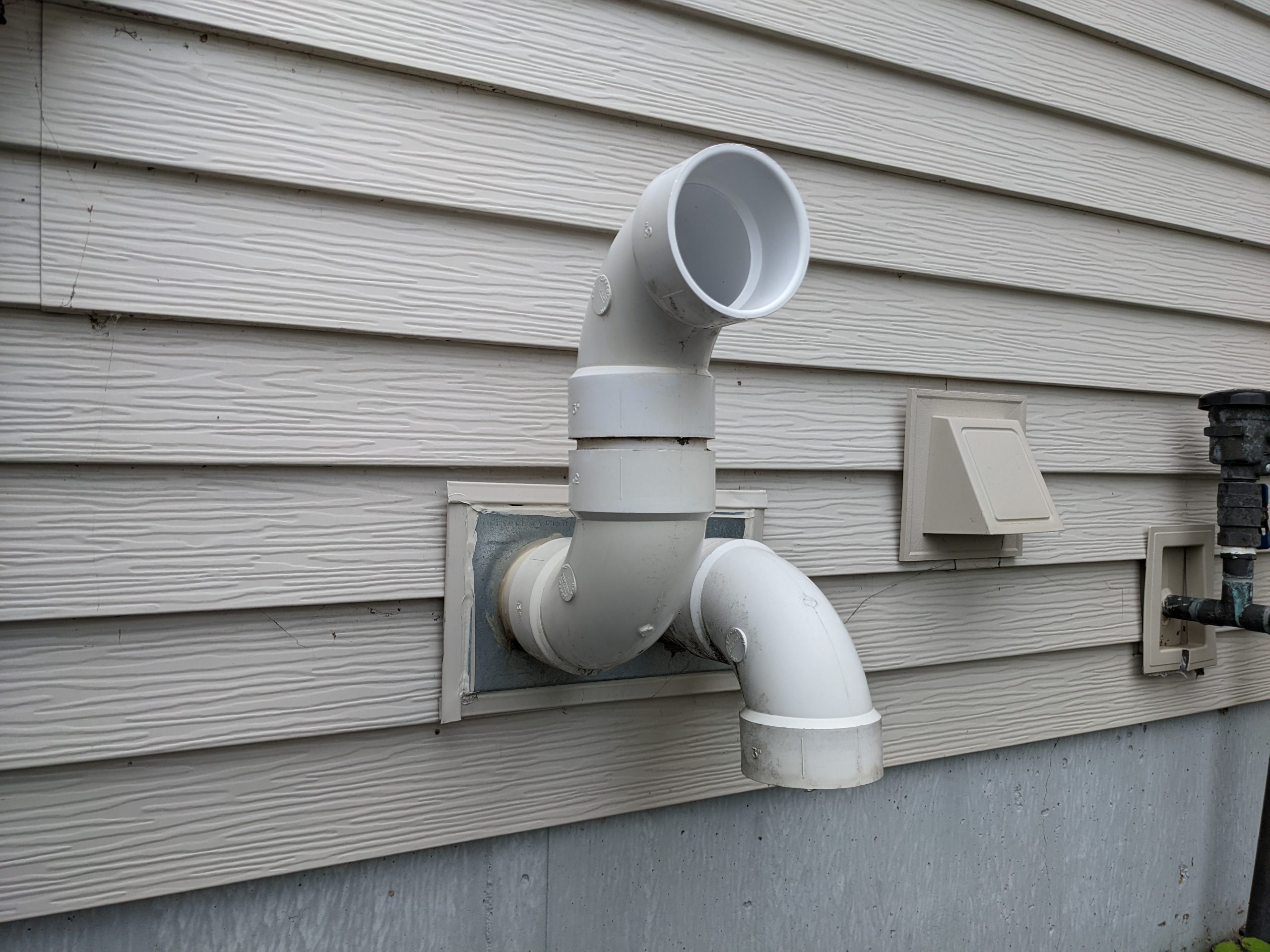
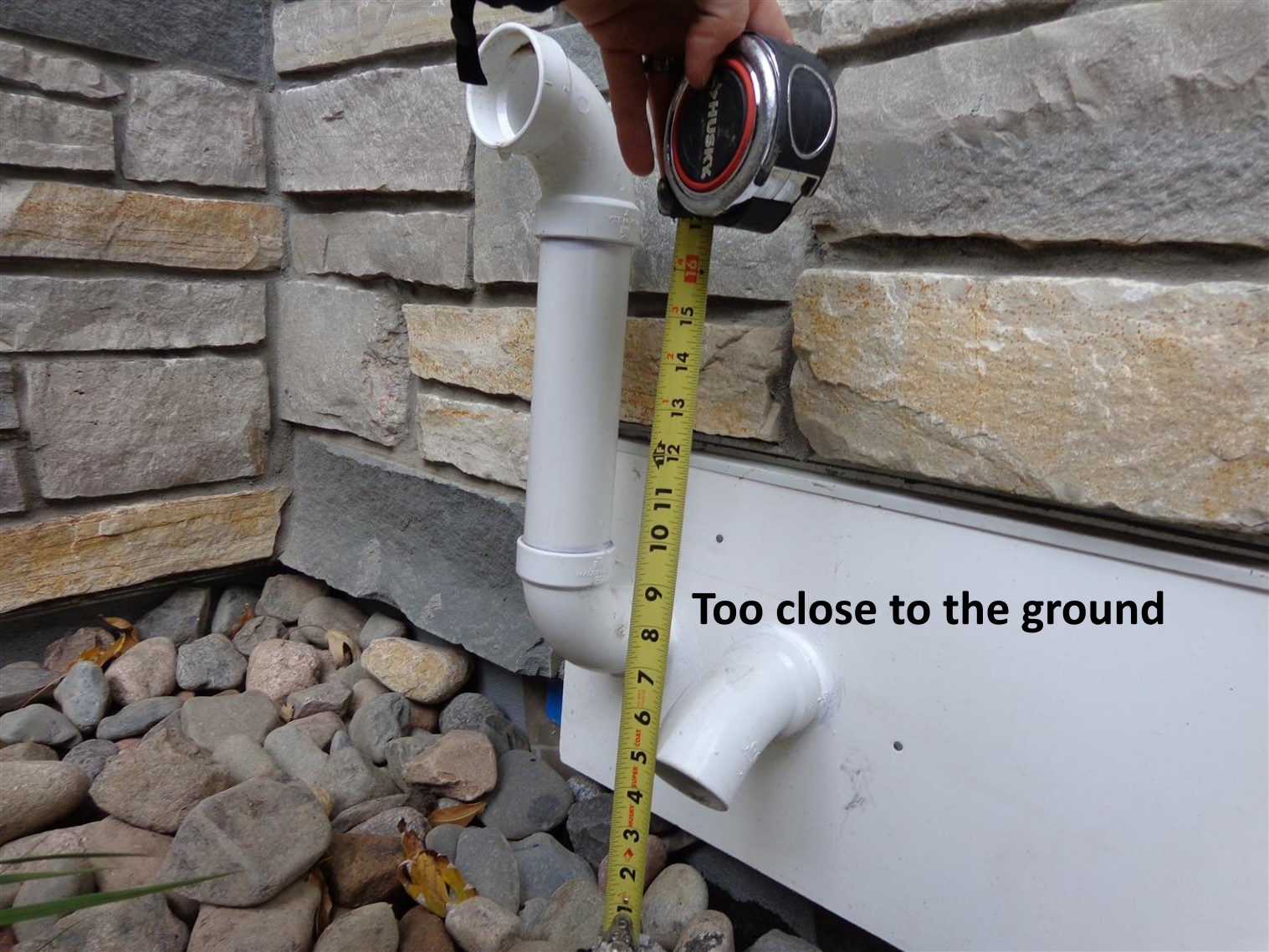
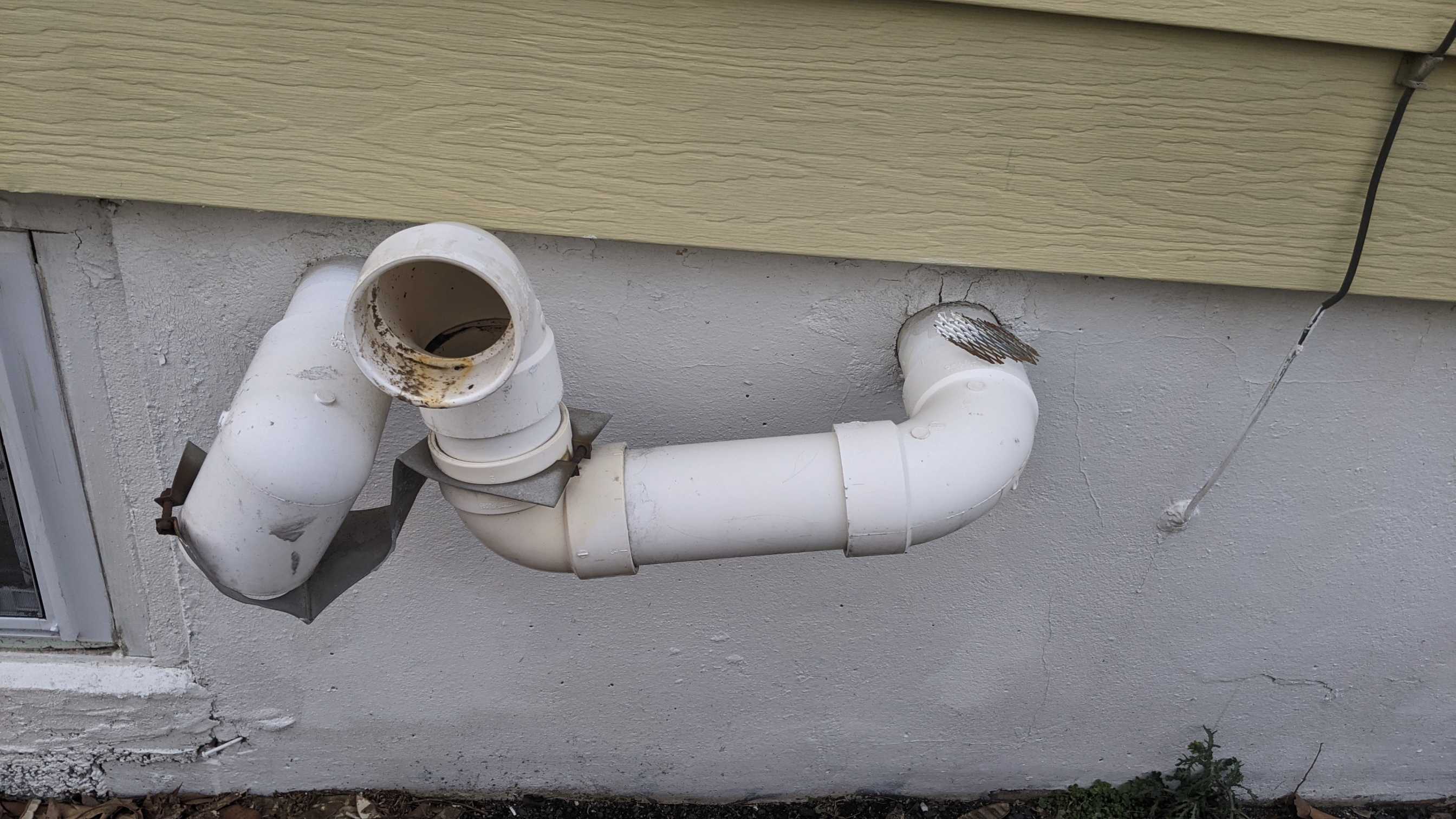
- Identify the Pipes: Typically, there will be two PVC pipes running from the furnace to the exterior of your house. One is the intake pipe, bringing fresh air in, and the other is the exhaust pipe, venting combustion gases out. They are usually labeled, but if not, the exhaust pipe might be slightly warmer.
- Exterior Inspection: Walk around the outside of your house and locate where the pipes exit. Look for the following:
- Blockages: Are the openings blocked by snow, ice, leaves, bird nests, or other debris? Clear any obstructions carefully. A long stick or even your hand (wearing gloves!) can be used. Never use sharp objects that could damage the pipe.
- Damage: Are there any cracks, holes, or broken connections in the pipes? Even small cracks can cause problems with airflow and potentially allow exhaust gases to leak into your home. If you find damage, do not attempt to patch it yourself. Call a qualified HVAC technician.
- Sagging: Are the pipes properly supported? Over time, the weight of the pipes, especially when filled with condensation, can cause them to sag. This can create low spots where water accumulates and restricts airflow. Adding supports (pipe straps) is a simple DIY fix, but ensure they are properly secured to the wall or ceiling joists.
- Interior Inspection: Follow the pipes back to the furnace inside your home. Look for similar issues:
- Disconnections: Are any of the pipe sections disconnected or loose? If so, carefully reconnect them. You might need PVC cement to properly seal the joints (see Step 4).
- Condensation: Is there excessive condensation inside the pipes or around the furnace? A small amount is normal, but excessive condensation could indicate a problem with the venting system or the furnace itself.
- Obstructions: Visually inspect inside the pipes as much as possible. Use a flashlight to look for any obvious obstructions like leaves or small animals that may have entered.
Step 3: Clearing Minor Blockages
If you suspect a blockage inside the pipes, try these methods to clear it:
- Vacuuming: Use a shop vacuum with a hose attachment to try and suck out any loose debris from the pipe openings. This is often effective for removing leaves or small twigs.
- Blowing: If you have a leaf blower or compressed air, you can try blowing air into the pipes to dislodge any blockages. Be careful not to blow debris back into the furnace! It's best to disconnect the pipes from the furnace first, if possible, and blow the air outwards. Always wear eye protection when using compressed air.
- Flexible Rod: A flexible rod, like a plumber's snake or even a stiff wire, can be used to carefully probe the pipes and break up any stubborn blockages. Be gentle and avoid damaging the pipe walls.
Important: If you are unable to clear the blockage after several attempts, it's likely a more serious issue requiring professional attention. Don't force anything that could damage the pipes or the furnace.
Step 4: Reconnecting and Sealing PVC Joints (Simple Repairs)
If you found any disconnected PVC pipe sections, you can attempt to reconnect them. However, for a proper and airtight seal, you'll need PVC cement.
- Preparation: Clean the surfaces of both pipe sections that will be joined using a PVC cleaner/primer. This removes any dirt or grease and softens the PVC for a better bond.
- Application: Apply a thin, even coat of PVC cement to both surfaces.
- Joining: Immediately slide the pipe sections together, giving them a slight twist to distribute the cement evenly.
- Hold: Hold the joint firmly for about 30 seconds to allow the cement to set.
- Curing: Allow the cement to cure completely according to the manufacturer's instructions (usually 24 hours) before using the furnace.
Important: Work in a well-ventilated area when using PVC cement, as it has strong fumes. Wear gloves to protect your skin.
Step 5: Checking the Condensate Drain
High-efficiency furnaces produce condensate (water) as a byproduct of combustion. This condensate needs to be drained away properly. A clogged condensate drain can cause the furnace to shut down.
- Locate the Drain: The condensate drain is usually a small PVC pipe (often 1/2 inch or 3/4 inch) that runs from the furnace to a floor drain or a condensate pump.
- Check for Blockages: Inspect the drain line for any visible blockages. You might see algae or mineral deposits clogging the opening.
- Clear the Drain: You can try to clear the drain line using a stiff wire, a wet/dry vacuum, or even a solution of hot water and vinegar. Pour the solution into the drain line and let it sit for a few minutes before flushing it out.
- Condensate Pump (if applicable): If your furnace uses a condensate pump to pump the water away, make sure the pump is working properly. Check the float switch to ensure it's moving freely. You may need to clean the pump reservoir periodically to remove sediment.
Step 6: When to Call a Professional
While many of these troubleshooting steps are simple and safe for homeowners to perform, there are situations where you should always call a qualified HVAC technician:
- Gas Leaks: If you smell gas at any time, evacuate the premises and call your gas company or emergency services immediately.
- Electrical Problems: If the circuit breaker trips repeatedly, or if you suspect any electrical issues with the furnace, do not attempt to repair it yourself. Electricity and gas are a dangerous combination.
- Complex Repairs: If the PVC pipes are severely damaged, or if you suspect a problem with the furnace's internal components (e.g., the burner, heat exchanger, or blower motor), leave the repairs to a professional.
- Recurring Problems: If you are constantly experiencing problems with your furnace, it's time to have it inspected by a professional. There may be an underlying issue that needs to be addressed.
- You are Uncomfortable: If you are not comfortable performing any of these troubleshooting steps, don't hesitate to call a professional. It's better to be safe than sorry.
Remember: Working with gas appliances can be dangerous. If you're unsure about anything, it's always best to err on the side of caution and call a qualified HVAC technician. Regular maintenance by a professional can also help prevent problems and extend the life of your furnace.
By following these steps, you can confidently troubleshoot many common issues related to your PVC furnace intake and exhaust pipes. Hopefully, this guide has empowered you to take a proactive approach to maintaining your home's heating system and staying warm all winter long!