Pvc Pipe For Above Ground Pool
The world of above-ground pools often involves a bit of DIY, and one component that frequently comes into play is PVC pipe. While it might seem straightforward, understanding the nuances of using PVC pipe in this application is crucial for a safe, efficient, and long-lasting pool setup. This article dives deep into the ins and outs of using PVC pipe for above-ground pools, covering everything from material selection to installation best practices.
Understanding PVC: Types and Ratings
Not all PVC pipe is created equal. There are several types of PVC, each with its own characteristics and applications. For above-ground pools, the most common types you'll encounter are Schedule 40 and Schedule 80 PVC.
Schedule 40 PVC
Schedule 40 PVC is the most widely used type of PVC. It's a versatile and cost-effective option suitable for many plumbing applications, including pool filtration systems. It's readily available at most hardware stores and comes in various sizes.
Key Features of Schedule 40 PVC:
- Pressure Rating: Lower pressure rating compared to Schedule 80. Consult the pipe's markings for specific PSI (pounds per square inch) ratings at different temperatures.
- Wall Thickness: Thinner walls than Schedule 80, making it lighter and more flexible.
- Cost: Generally less expensive than Schedule 80.
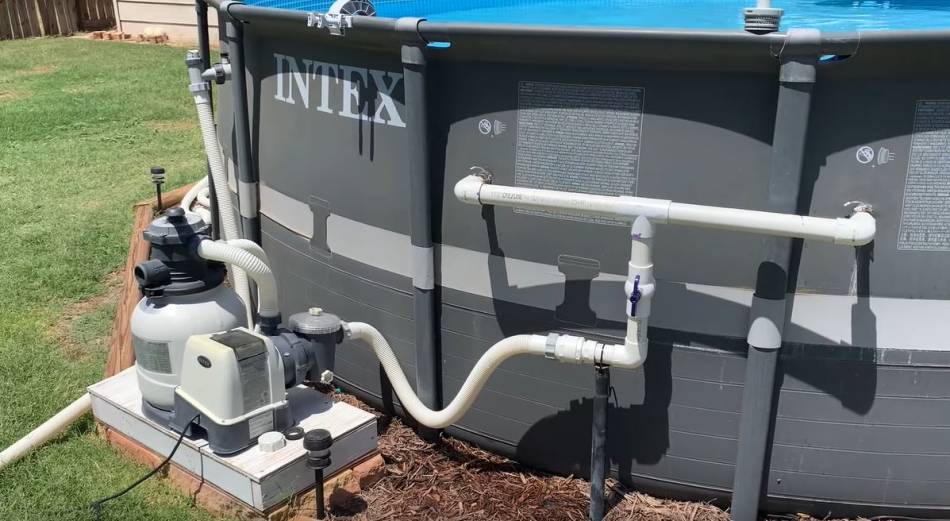
- Applications: Suitable for the main plumbing lines of an above-ground pool, including connecting the pump, filter, and heater (if applicable).
Schedule 80 PVC
Schedule 80 PVC is a heavier-duty option designed for higher-pressure applications. It has thicker walls than Schedule 40, making it stronger and more resistant to pressure and impact.
Key Features of Schedule 80 PVC:
- Pressure Rating: Higher pressure rating compared to Schedule 40. Again, check the pipe markings for the specific PSI rating.
- Wall Thickness: Thicker walls provide increased strength and durability.
- Cost: More expensive than Schedule 40.
- Applications: Often used in commercial or industrial settings, or in situations where higher pressure or greater durability is required. While it can be used for above-ground pools, it’s generally overkill for most residential setups. However, consider it for sections exposed to potential impact.
Important Note: Always check the PVC pipe's markings for its specific pressure rating. This rating indicates the maximum pressure the pipe can safely handle at a given temperature. Exceeding this rating can lead to pipe failure and potential leaks.
Choosing the Right Size of PVC Pipe
Selecting the correct PVC pipe size is crucial for maintaining proper water flow and preventing strain on your pool's pump. Using a pipe that's too small can restrict flow, making the pump work harder and potentially shortening its lifespan. Conversely, using a pipe that's too large can reduce water velocity, which can affect the efficiency of the filtration system.
The ideal PVC pipe size depends on the flow rate of your pool's pump, the length of the plumbing runs, and the number of fittings used. Consult your pool pump's specifications for the recommended pipe size. As a general guideline, most above-ground pools use 1.5-inch PVC pipe for their main plumbing lines.
Consider the following when determining the appropriate PVC pipe size:
- Pump Flow Rate: Higher flow rates require larger diameter pipes.
- Plumbing Run Length: Longer runs may require larger pipes to minimize friction loss.
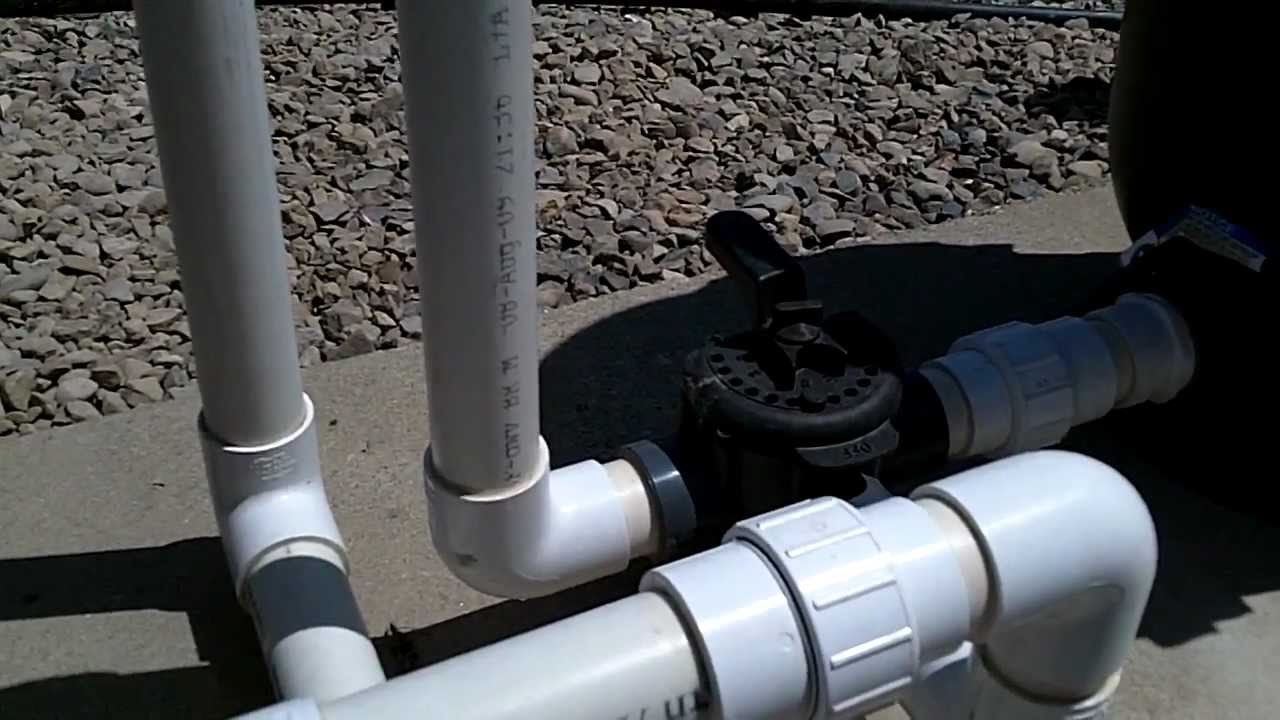
- Number of Fittings: Each fitting (elbow, tee, valve) creates some resistance to flow. Account for this resistance when selecting pipe size.
Essential Tools and Materials for PVC Pipe Installation
Before you begin working with PVC pipe, gather the necessary tools and materials. Having everything on hand will make the installation process smoother and more efficient.
Tools:
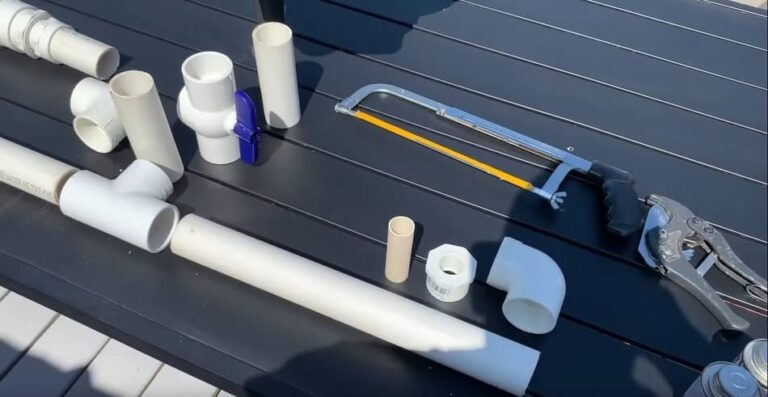
- PVC Pipe Cutter or Saw: For cutting PVC pipe to the desired lengths. A ratcheting PVC pipe cutter is a popular and efficient option.
- Measuring Tape: For accurate measurements.
- Deburring Tool or Utility Knife: For removing burrs from the cut ends of the PVC pipe.
- PVC Primer and Cement: For solvent welding PVC pipe fittings.
- Clean Rags: For cleaning PVC pipe and fittings before applying primer and cement.
- Safety Glasses: To protect your eyes from debris and fumes.
- Gloves: To protect your hands from primer and cement.
Materials:
- PVC Pipe: Schedule 40 or Schedule 80, depending on your needs.
- PVC Fittings: Elbows, tees, couplings, adapters, valves, etc. Choose fittings that are compatible with the PVC pipe size and type.
- Thread Sealant Tape (Teflon Tape): For sealing threaded connections.
Step-by-Step Guide to Installing PVC Pipe for an Above-Ground Pool
Follow these steps to ensure a successful PVC pipe installation for your above-ground pool:
- Plan Your Layout: Before you start cutting and gluing, plan the layout of your plumbing system. Consider the placement of the pump, filter, heater, and any other components. Measure the distances between these components and determine the lengths of PVC pipe needed.
- Cut the PVC Pipe: Use a PVC pipe cutter or saw to cut the PVC pipe to the desired lengths. Make sure the cuts are clean and square.
- Deburr the Cut Ends: Use a deburring tool or utility knife to remove any burrs from the cut ends of the PVC pipe. This will ensure a smooth and leak-free connection.
- Dry Fit the Components: Before applying primer and cement, dry fit all the components together to ensure they fit properly and the layout is correct.
- Apply Primer and Cement: Use PVC primer to clean and soften the surfaces of the PVC pipe and fitting. Apply a liberal coat of PVC cement to both surfaces.
- Join the Components: Immediately insert the PVC pipe into the fitting and twist slightly to ensure even distribution of the cement. Hold the joint firmly for about 30 seconds until the cement sets.
- Allow to Cure: Allow the cement to cure completely according to the manufacturer's instructions before putting the system into service. This typically takes several hours.
- Pressure Test: Once the cement has cured, pressure test the system to check for leaks. Fill the plumbing system with water and check all the joints for leaks. If you find any leaks, repair them immediately.
Troubleshooting Common PVC Pipe Problems
Even with careful installation, problems can sometimes arise with PVC pipe systems. Here are some common issues and how to address them:
- Leaks at Joints: This is often caused by improper priming and cementing. Cut out the leaky joint and replace it with a new section of PVC pipe and fittings, ensuring proper priming and cementing.
- Cracked PVC Pipe: Can result from freezing temperatures, excessive pressure, or physical impact. Replace the cracked section of PVC pipe. Protect your system from freezing temperatures by draining it during the off-season.
- Clogged PVC Pipe: Can be caused by debris or mineral buildup. Use a plumbing snake or other cleaning tool to remove the clog. Consider installing a filter to prevent debris from entering the system.
PVC Pipe Alternatives for Pool Plumbing
While PVC pipe is the most common choice for above-ground pool plumbing, other options exist. These include:
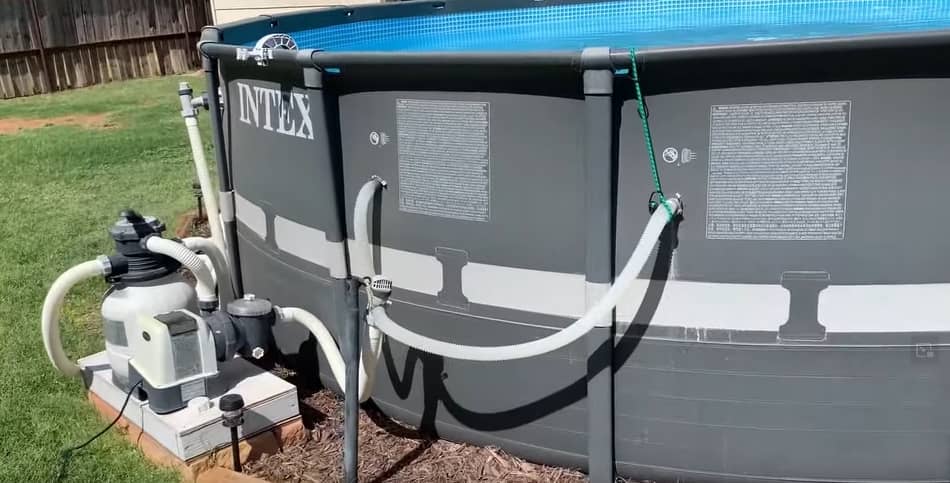
- Flexible PVC Pipe: Easier to install in tight spaces or around curves, but generally more expensive than rigid PVC pipe.
- CPVC Pipe: Similar to PVC pipe but more heat-resistant. Not typically necessary for above-ground pools.
- Polyethylene (PE) Pipe: Flexible and resistant to chemicals, but not as strong as PVC pipe.
For most above-ground pool applications, standard PVC pipe remains the most cost-effective and reliable choice. However, consider the alternatives if you have specific needs or constraints.
Safety Precautions When Working with PVC Pipe
Always prioritize safety when working with PVC pipe and related materials:
- Wear Safety Glasses: Protect your eyes from debris and fumes.
- Wear Gloves: Protect your hands from primer and cement.
- Work in a Well-Ventilated Area: PVC primer and cement release fumes that can be harmful if inhaled.
- Follow Manufacturer's Instructions: Always read and follow the manufacturer's instructions for all products you use.
- Dispose of Waste Properly: Dispose of used primer, cement, and PVC pipe scraps according to local regulations.
By following these guidelines, you can ensure a safe and successful PVC pipe installation for your above-ground pool. Remember, proper planning, material selection, and installation techniques are key to a long-lasting and efficient pool plumbing system.
"Proper preparation prevents poor performance." - A common saying applicable to all DIY and HVAC projects.