Pvc To Cast Iron No Hub Coupling
Frequently Asked Questions: PVC to Cast Iron No-Hub Couplings
Connecting different types of pipes, like PVC and cast iron, can seem daunting. Using a no-hub coupling is a common and effective solution. This FAQ addresses some of the most common questions homeowners and facility managers have about using these couplings.
What is a No-Hub Coupling?
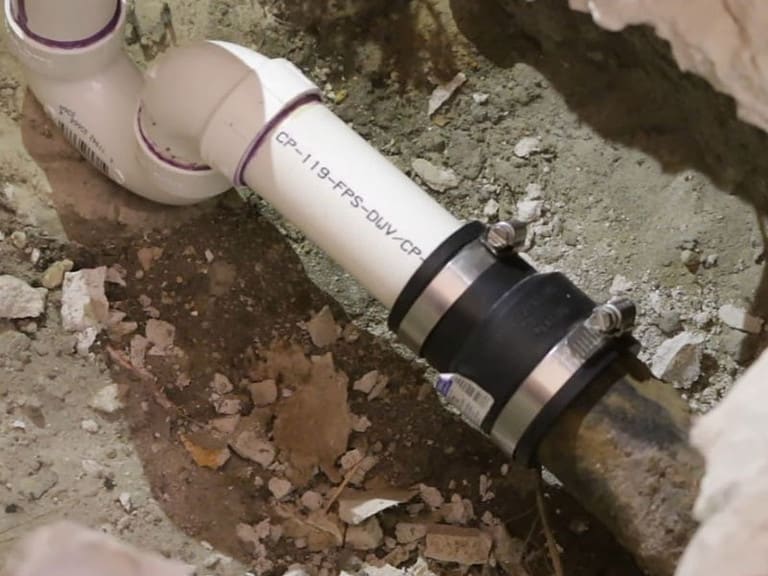
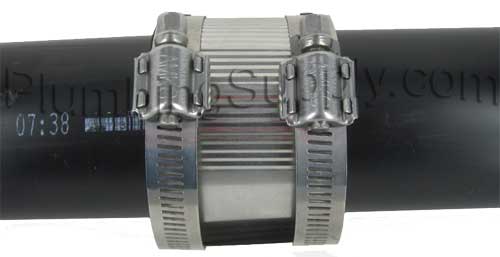
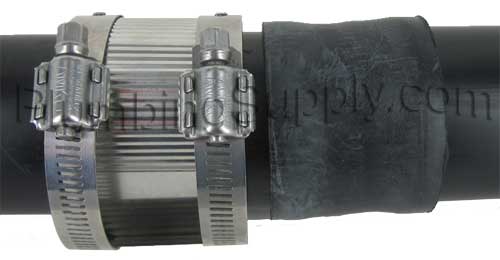
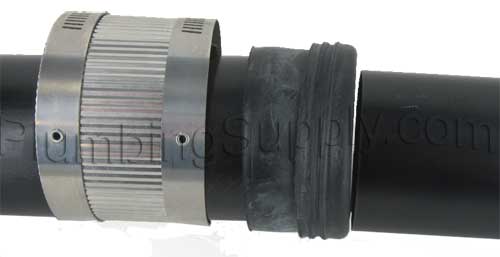
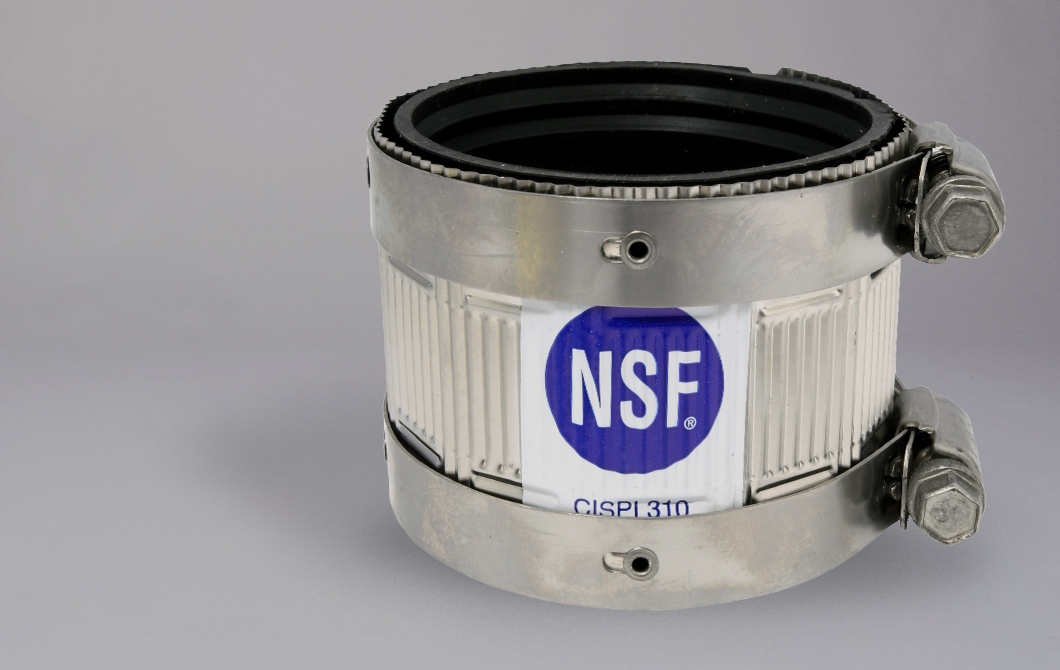
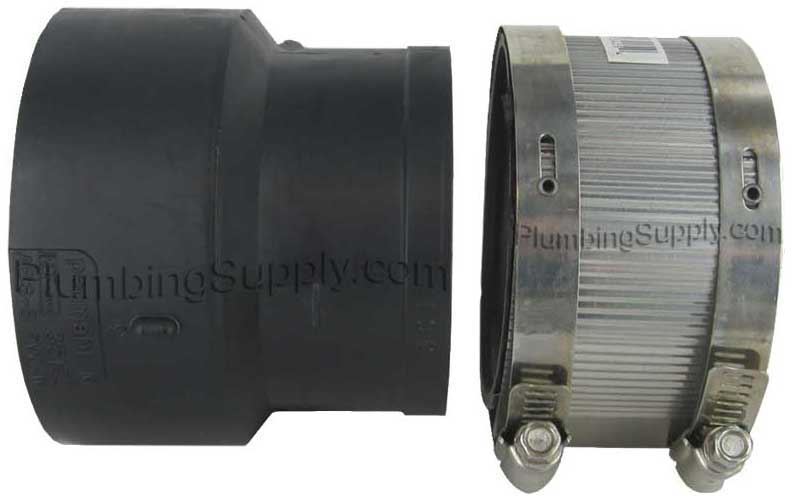
A no-hub coupling, sometimes called a shielded coupling, is a type of pipe fitting used to join two pipes together without the need for threading or welding. It typically consists of a rubber sleeve, usually made of neoprene or EPDM, and a stainless-steel shield secured with tightening bands and clamps. These couplings provide a watertight and airtight seal, accommodating minor misalignments and vibrations.
Why Use a No-Hub Coupling to Connect PVC to Cast Iron?
There are several advantages to using a no-hub coupling for this type of connection:
- Ease of Installation: No-hub couplings are relatively easy to install, requiring only basic tools like a screwdriver or wrench. No specialized skills or equipment are needed.
- Flexibility: They allow for some flexibility in the connection, which can be beneficial when dealing with pipes that may shift or settle over time. This helps prevent cracks and leaks.
- Material Compatibility: No-hub couplings are designed to connect dissimilar materials like PVC and cast iron without causing corrosion or other compatibility issues. The rubber sleeve acts as a barrier between the two metals.
- Repair Solution: They are often used to repair damaged or broken sections of cast iron pipe by connecting them to replacement PVC segments.
- Code Compliance: When installed correctly, no-hub couplings meet plumbing code requirements in many jurisdictions.
What Size No-Hub Coupling Do I Need?
Selecting the correct size of no-hub coupling is crucial for a secure and leak-proof connection. Here's how to determine the right size:
- Measure the Outside Diameter (OD) of Both Pipes: Use a tape measure or calipers to accurately measure the outside diameter of both the PVC and cast iron pipes. It's essential to measure the actual outside diameter, not just rely on the nominal pipe size. Cast iron pipe, in particular, can have varying ODs depending on its age and type.
- Consult a Sizing Chart: Once you have the OD measurements, consult a manufacturer's sizing chart for no-hub couplings. These charts typically list the acceptable OD ranges for each coupling size. You can find these charts on the manufacturer's website or in product catalogs. Ensure the chart specifies suitability for connecting PVC to Cast Iron.
- Consider Transition Couplings: If the ODs of the PVC and cast iron pipes are significantly different, you may need to use a transition coupling. These couplings are specifically designed to connect pipes of different sizes and materials.
- Buy the Right Coupling: Order the no-hub coupling that corresponds to the measured pipe diameters based on the sizing chart. Make sure to verify that the coupling is rated for the pressure and temperature requirements of your application.
Important Note: Using the wrong size coupling can lead to leaks, joint failure, and potentially costly repairs. Always double-check your measurements and consult a sizing chart before purchasing.
How Do I Install a PVC to Cast Iron No-Hub Coupling?
Installing a no-hub coupling is a straightforward process, but it's important to follow the steps carefully to ensure a proper seal. Here's a general guide:
- Safety First: Wear safety glasses and gloves to protect yourself during the installation process.
- Prepare the Pipes:
- Clean the Pipe Ends: Thoroughly clean the outside surfaces of both the PVC and cast iron pipes where the coupling will be installed. Remove any dirt, rust, debris, or old adhesive. Use a wire brush for cast iron to remove loose rust and scale.
- Deburr the Pipe Ends: Use a file or deburring tool to remove any sharp edges or burrs from the cut ends of the pipes. This will prevent damage to the rubber sleeve.
- Lubricate (Optional): Applying a small amount of silicone-based lubricant to the inside of the rubber sleeve can make it easier to slide onto the pipes. Avoid using petroleum-based lubricants, as they can damage the rubber.
- Position the Coupling: Slide the no-hub coupling onto one of the pipes, positioning it so that the rubber sleeve covers the joint area between the PVC and cast iron pipes. Ensure the coupling is centered over the joint.
- Align the Pipes: Make sure the pipes are properly aligned before tightening the clamps. The coupling can accommodate some minor misalignment, but excessive misalignment can compromise the seal.
- Tighten the Clamps: Use a screwdriver or wrench to tighten the clamps on the coupling. Tighten the clamps evenly and gradually, alternating between them to ensure uniform pressure. Follow the manufacturer's torque specifications for the clamps. Overtightening can damage the coupling or the pipes, while undertightening can result in leaks. Typically, this is around 60 inch-pounds (5 foot-pounds), but ALWAYS consult the coupling manufacturer's instructions.
- Inspect the Connection: After tightening the clamps, carefully inspect the connection for any signs of gaps or leaks. If you notice any issues, loosen the clamps and reposition the coupling or check the pipe alignment before retightening.
- Test the Connection: Once you are satisfied with the installation, test the connection by running water through the pipes and checking for leaks. If you detect any leaks, tighten the clamps further or re-evaluate the installation.
Can I Use a Standard No-Hub Coupling or Do I Need a Special One for PVC to Cast Iron?
While a standard no-hub coupling can sometimes be used to connect PVC to cast iron, it's often best to use a coupling specifically designed for this purpose. Here's why:
- Material Compatibility: Standard no-hub couplings are primarily designed for connecting sections of cast iron pipe. When connecting dissimilar materials like PVC and cast iron, you want to ensure that the coupling is compatible with both materials and can provide a reliable seal.
- Shield Design: Couplings designed for connecting PVC to cast iron often have a different shield design or a thicker rubber sleeve to accommodate the different expansion and contraction rates of the two materials. They may also have features to prevent galvanic corrosion, which can occur when dissimilar metals are in contact.
- Sizing: As mentioned earlier, the outside diameters of PVC and cast iron pipes can vary, so it's important to choose a coupling that is sized appropriately for both types of pipe. Couplings specifically designed for PVC to cast iron connections often have a wider OD range to accommodate these variations.
- Code Compliance: In some jurisdictions, plumbing codes may require the use of specific types of couplings for connecting dissimilar materials. Using a coupling that is not code-compliant can result in inspection failures and costly rework.
To be on the safe side, look for no-hub couplings that are explicitly labeled for connecting PVC to cast iron. These couplings are designed and tested to provide a reliable, leak-proof connection between the two materials.
How Long Will a PVC to Cast Iron No-Hub Coupling Last?
The lifespan of a properly installed PVC to cast iron no-hub coupling can be quite long, often lasting 20 years or more. However, several factors can affect its longevity:
- Material Quality: The quality of the rubber sleeve and stainless-steel shield plays a significant role in the coupling's lifespan. High-quality materials are more resistant to degradation from exposure to water, chemicals, and UV radiation.
- Installation Quality: Proper installation is crucial for ensuring a long lifespan. Overtightening or undertightening the clamps, misalignment of the pipes, or using the wrong size coupling can all shorten the coupling's lifespan.
- Environmental Conditions: Exposure to harsh chemicals, extreme temperatures, or excessive vibration can accelerate the degradation of the rubber sleeve and metal shield. If the coupling is installed in a corrosive environment, it may need to be replaced more frequently.
- Soil Conditions (if buried): If the coupling is buried underground, soil conditions can affect its lifespan. Acidic or alkaline soils can corrode the metal shield and degrade the rubber sleeve. Consider using a coupling specifically designed for buried applications if the connection will be underground.
- Regular Inspection: Periodically inspect the coupling for signs of wear, such as cracks, leaks, or corrosion. Addressing minor issues promptly can help prevent more serious problems and extend the coupling's lifespan.
To maximize the lifespan of your PVC to cast iron no-hub coupling, choose a high-quality coupling, install it correctly, and protect it from harsh environmental conditions. Regular inspections can also help identify and address potential problems before they lead to failure.
Can I Reuse a No-Hub Coupling?
While it might be tempting to reuse a no-hub coupling to save money or time, it's generally not recommended. Here's why:
- Compromised Seal: When a no-hub coupling is installed, the rubber sleeve conforms to the shape of the pipes it's connecting. Removing the coupling can distort the sleeve and compromise its ability to create a tight seal on a different set of pipes.
- Wear and Tear: The rubber sleeve and stainless-steel shield can experience wear and tear during installation and removal. The clamps may also become damaged or lose their ability to hold their tension.
- Unknown History: You may not know the history of a used coupling. It could have been exposed to harsh chemicals, extreme temperatures, or excessive vibration, which could have weakened its materials.
- Risk of Leaks: Using a reused coupling significantly increases the risk of leaks, which can lead to water damage and costly repairs.
It's always best to use a new no-hub coupling to ensure a reliable and leak-proof connection. The cost of a new coupling is relatively low compared to the potential cost of repairing a leak caused by a reused coupling.