R Value For Exterior Wall Insulation
Choosing the right insulation for your exterior walls is a crucial decision that impacts your home's comfort, energy efficiency, and overall value. A key factor in this decision is understanding the R-value. This guide provides a comprehensive yet accessible explanation of R-value for exterior wall insulation, helping you make an informed choice.
What is R-Value?
Simply put, R-value measures an insulation material's resistance to heat flow. The higher the R-value, the better the insulation's ability to prevent heat from entering or escaping your home. Think of it like a thick winter coat: a thicker coat (higher R-value) provides more insulation and keeps you warmer than a thin jacket (lower R-value).
R-value is not a fixed property of a material. It's a measure of thermal resistance under specific conditions, including material thickness and temperature. This is why you'll see R-values listed per inch of thickness for various insulation types.
Understanding the Components of R-Value
While a single number represents R-value, it encompasses different types of heat transfer that insulation aims to impede:
* Conduction: This is heat transfer through a solid material. Imagine holding a metal spoon in hot soup; the heat travels through the spoon to your hand. Insulation materials with low thermal conductivity resist this type of heat transfer. * Convection: This is heat transfer through fluids (liquids or gases). Warm air rises, and cool air sinks, creating convection currents. Insulation materials with tightly packed fibers or closed cells minimize air movement and reduce convection. * Radiation: This is heat transfer through electromagnetic waves. The sun warms the earth through radiation. Some insulation materials, like radiant barriers, are designed to reflect radiant heat.Why is R-Value Important for Exterior Walls?
Exterior walls are a significant source of heat loss in the winter and heat gain in the summer. Insulating them properly with the appropriate R-value can:
* Reduce Energy Bills: By minimizing heat transfer, insulation reduces the load on your heating and cooling systems, saving you money on energy bills. * Improve Comfort: Well-insulated walls create a more consistent and comfortable indoor temperature, eliminating drafts and cold spots. * Increase Home Value: Energy-efficient homes are more attractive to buyers, potentially increasing your home's value. * Reduce Condensation: Proper insulation helps prevent condensation on walls, which can lead to mold growth and structural damage. * Minimize Environmental Impact: Reducing energy consumption lowers your carbon footprint.Factors Affecting Recommended R-Value
The appropriate R-value for your exterior walls depends on several factors:
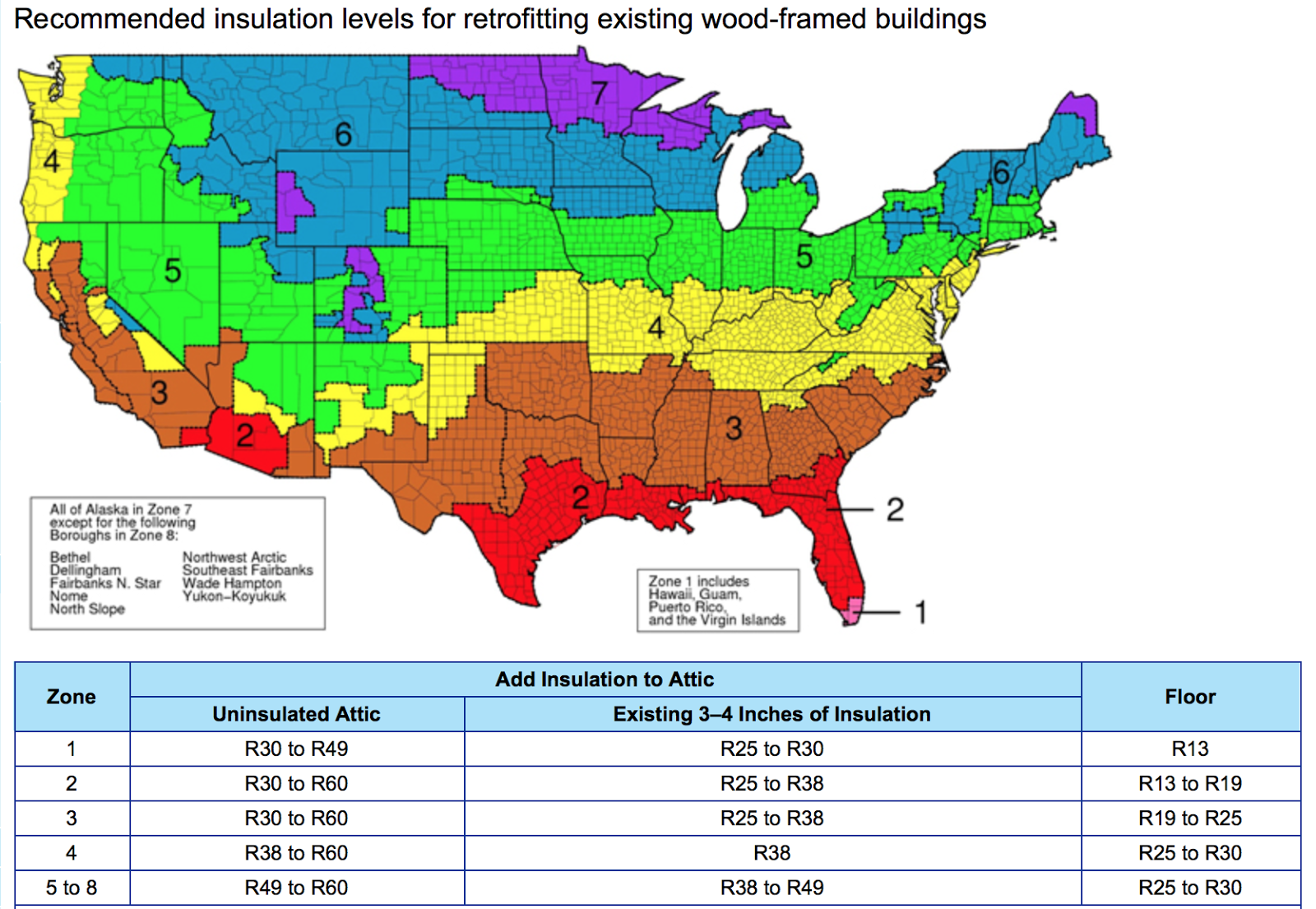
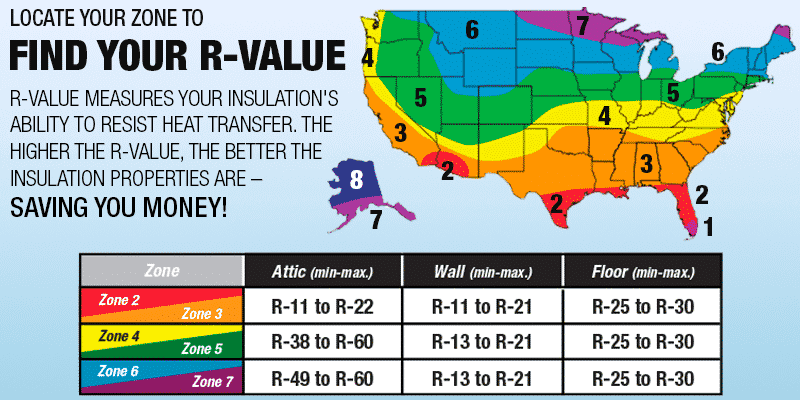
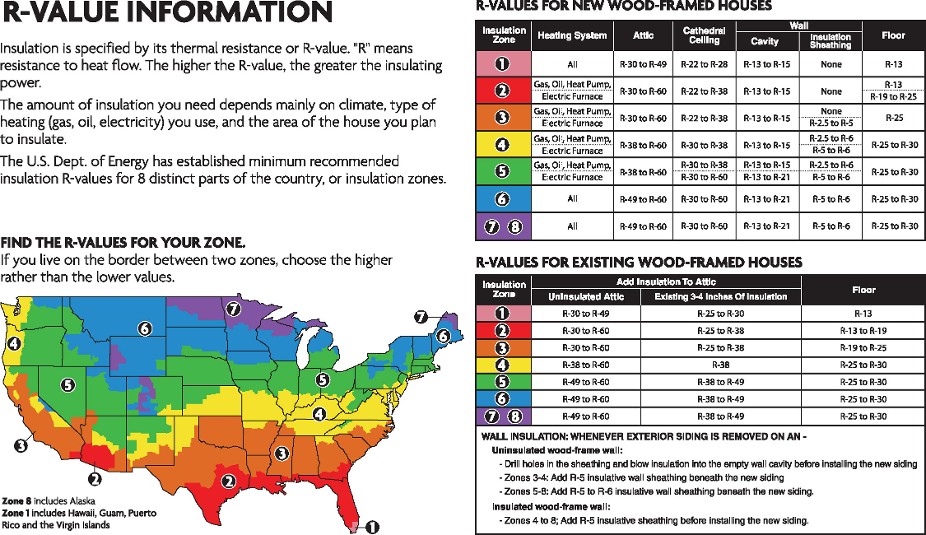
* Climate Zone: The colder your climate, the higher the R-value you'll need. The US is divided into climate zones, each with recommended insulation levels. You can find your climate zone on maps provided by the Department of Energy or your local building codes. * Wall Construction: The type of wall construction (e.g., wood frame, brick, concrete block) affects the overall thermal performance. Walls with lower inherent insulation properties require higher R-value insulation. * Local Building Codes: Building codes specify minimum R-value requirements for new construction and renovations. It's essential to comply with these codes. * Energy Goals: If you're aiming for a highly energy-efficient home (e.g., a passive house), you may choose to exceed the minimum R-value requirements. * Budget: Different insulation materials have different costs, and higher R-value insulation generally costs more. You'll need to balance your energy goals with your budget.Common Insulation Materials and Their R-Values
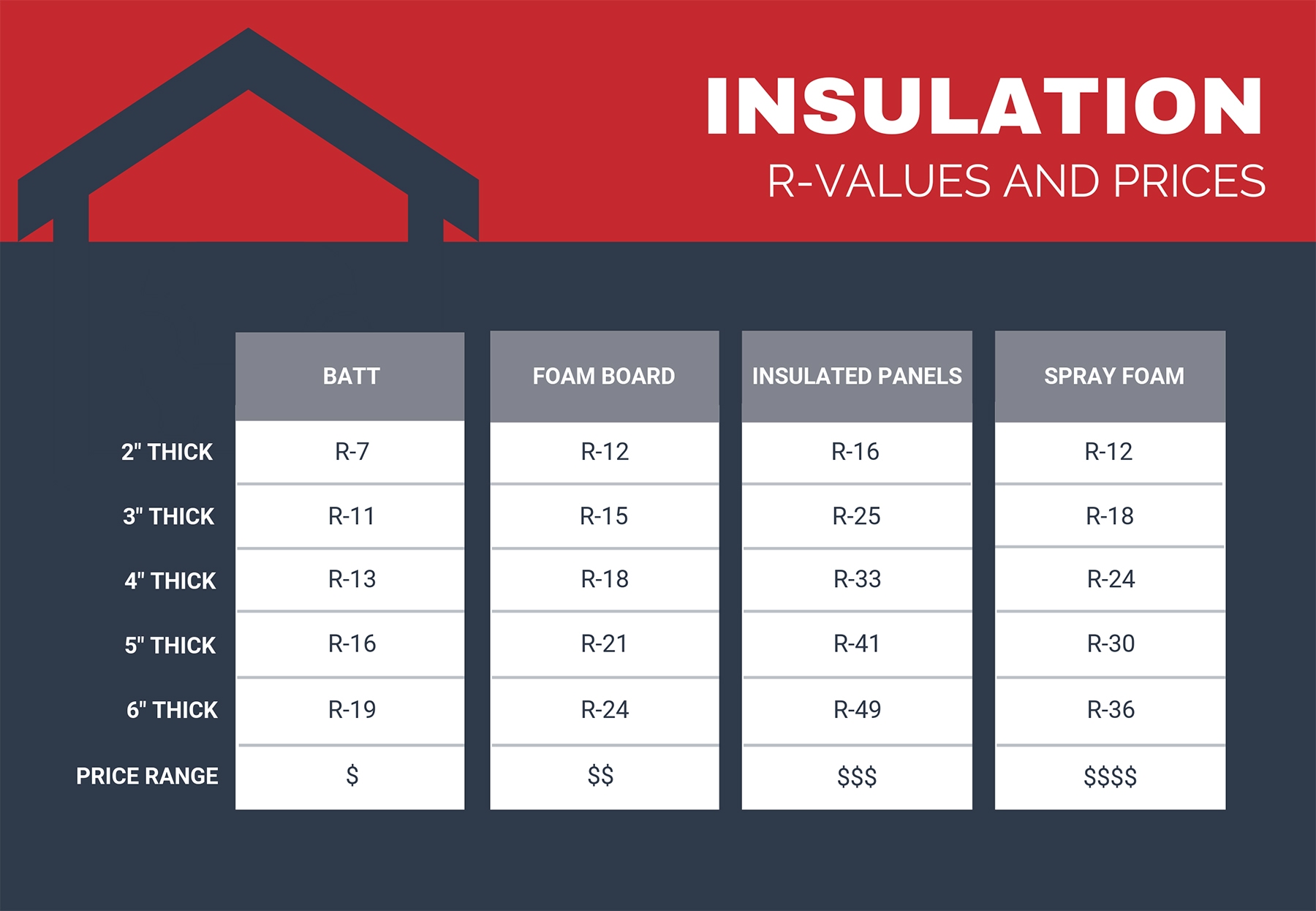
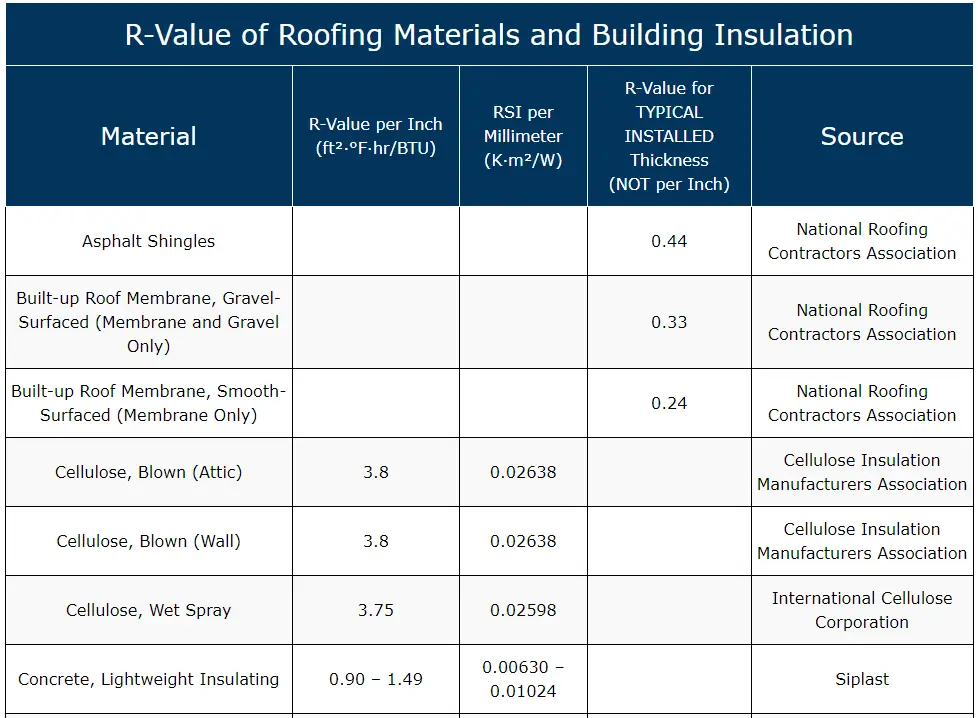
Here's an overview of common insulation materials used in exterior walls and their approximate R-values per inch:
* Fiberglass Batt Insulation: This is a common and relatively inexpensive option. R-values typically range from 3.0 to 4.0 per inch. * Cellulose Insulation: Made from recycled paper, cellulose has good insulating properties and is environmentally friendly. R-values range from 3.1 to 3.7 per inch. * Mineral Wool Insulation (Rockwool or Slag Wool): This is made from recycled industrial waste. It's fire-resistant and offers good soundproofing. R-values range from 3.0 to 4.0 per inch. * Spray Foam Insulation (Polyurethane or Polyisocyanurate): Spray foam provides excellent air sealing and high R-values. Closed-cell spray foam has higher R-values (around 6.0 to 7.0 per inch) than open-cell spray foam (around 3.5 to 4.0 per inch). * Rigid Foam Board Insulation (Expanded Polystyrene (EPS), Extruded Polystyrene (XPS), Polyisocyanurate (Polyiso)): Rigid foam boards offer high R-values and are often used as continuous insulation on the exterior of walls. EPS has an R-value of around 4.0 per inch, XPS around 5.0 per inch, and Polyiso around 6.0 to 7.0 per inch.Important Note: These are just approximate R-values. The actual R-value can vary depending on the specific product and installation method. Always check the manufacturer's specifications for accurate information.
Calculating Total Wall R-Value
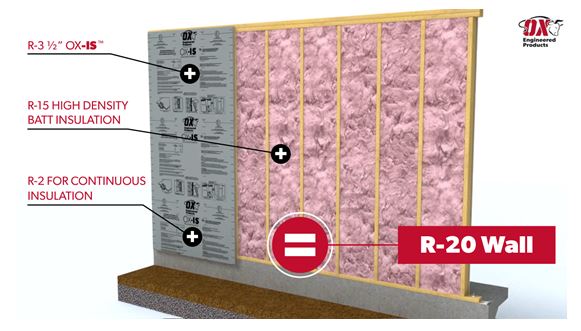
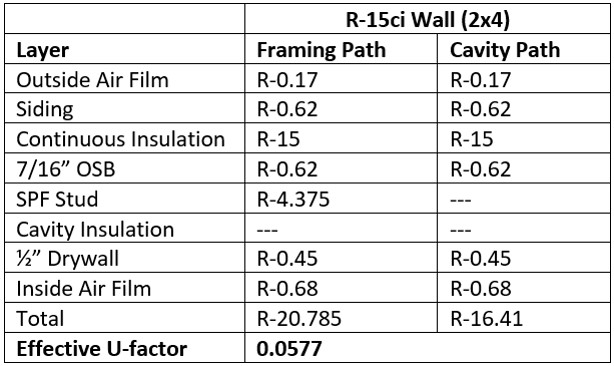
The R-value of your exterior wall is not just the R-value of the insulation. It's the sum of the R-values of all the materials in the wall assembly, including:
* Exterior Sheathing: This is the material covering the wall framing (e.g., plywood, OSB). * Insulation: The primary insulation material. * Interior Drywall: The material covering the interior wall framing. * Air Films: Even still air provides some insulation. The inside and outside air films contribute a small amount to the overall R-value.To calculate the total wall R-value, you need to add up the R-values of each component. You can find the R-values of common building materials in tables provided by the Department of Energy or the American Society of Heating, Refrigerating and Air-Conditioning Engineers (ASHRAE).
Example: Let's say you have a wall with the following components:
* Exterior Sheathing (R-0.5) * Fiberglass Batt Insulation (R-13) in a 2x4 stud wall * Interior Drywall (R-0.5) * Air Films (R-0.7)The total wall R-value would be R-0.5 + R-13 + R-0.5 + R-0.7 = R-14.7.
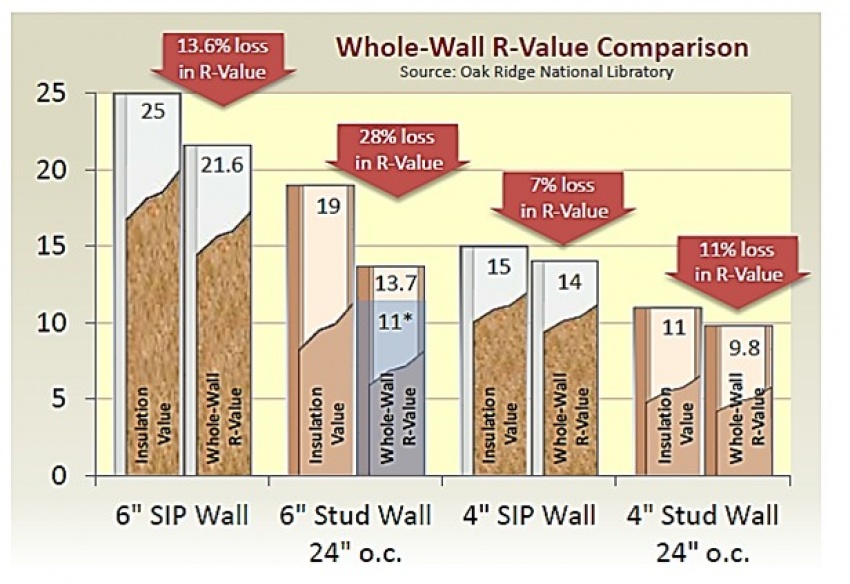
Important Consideration: This simple calculation doesn't account for thermal bridging, which occurs when heat flows through highly conductive materials like wood studs. Thermal bridging can significantly reduce the effective R-value of the wall. Using continuous insulation on the exterior of the wall can minimize thermal bridging.
Installation Considerations
Even the best insulation material won't perform properly if it's not installed correctly. Here are some important installation considerations:
* Proper Fit: Insulation should fit snugly within the wall cavity without gaps or compressions. Gaps and compressions reduce the insulation's effectiveness. * Air Sealing: Air leakage can significantly reduce the performance of insulation. Seal all cracks, gaps, and penetrations in the wall assembly to prevent air infiltration. * Moisture Control: Moisture can damage insulation and lead to mold growth. Install a vapor barrier or retarder to prevent moisture from entering the wall cavity from the interior. Proper ventilation is also crucial for moisture control. * Professional Installation: For optimal results, consider hiring a professional insulation contractor. They have the expertise and equipment to install insulation properly and safely.Choosing the Right R-Value
Choosing the right R-value for your exterior walls requires careful consideration of the factors mentioned above, including your climate zone, wall construction, budget, and energy goals. Consult with a qualified insulation contractor or energy auditor to determine the optimal R-value for your specific situation.
General Guidelines: While specific recommendations vary based on location and building codes, here are some general guidelines for minimum R-values for exterior walls:
* Warm Climates (Climate Zones 1-3): R-13 to R-15 * Moderate Climates (Climate Zones 4-5): R-15 to R-21 * Cold Climates (Climate Zones 6-8): R-21 to R-30Beyond R-Value: Considering the Big Picture
While R-value is an important factor, it's not the only consideration when choosing insulation. Other factors to consider include:
* Air Sealing: Air sealing is just as important as insulation. Preventing air leakage can significantly improve energy efficiency. * Moisture Management: Proper moisture management is crucial for preventing mold growth and structural damage. * Material Sustainability: Consider the environmental impact of the insulation material. Choose materials made from recycled content or renewable resources. * Fire Resistance: Ensure that the insulation material meets fire safety standards. * Soundproofing: Some insulation materials offer good soundproofing properties, which can improve your home's comfort.Conclusion
Understanding R-value is essential for making informed decisions about exterior wall insulation. By considering the factors outlined in this guide, you can choose the right R-value and insulation material to improve your home's comfort, energy efficiency, and value. Remember to consult with a qualified professional to ensure proper installation and optimal performance. By prioritizing insulation and air sealing, you'll create a more comfortable, energy-efficient, and sustainable home.
:max_bytes(150000):strip_icc()/size-insulation-for-2x4-and-2x6-walls-1821598-V2-55b64bcbe4c242428cc1670d93413fb9.png)