R134a Pressure Chart High And Low Side

Understanding your HVAC system is key to maintaining a comfortable and energy-efficient home or business. One crucial aspect of HVAC maintenance is understanding refrigerant pressures, particularly when dealing with systems that use R134a refrigerant. Knowing how to interpret an R134a pressure chart, both the high and low sides, can help you diagnose potential problems, optimize performance, and ultimately save money on energy bills.
Decoding the R134a Pressure Chart: A User-Friendly Guide
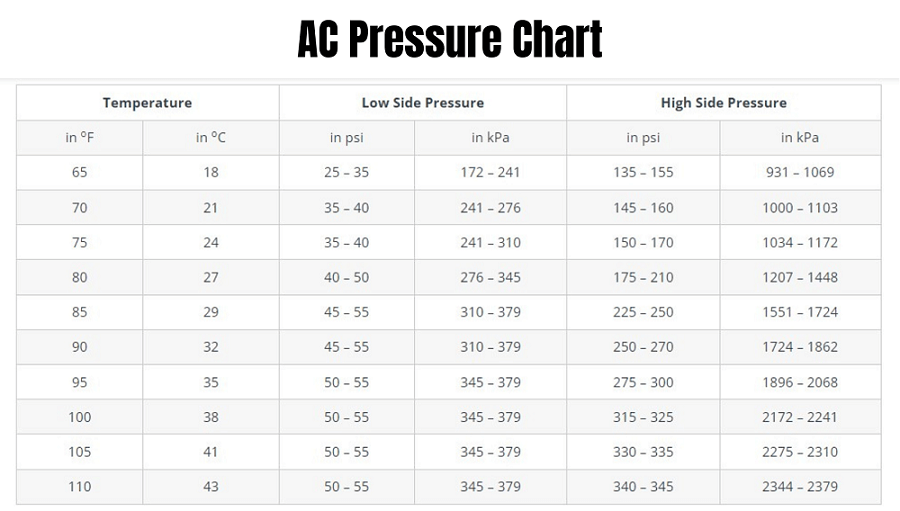
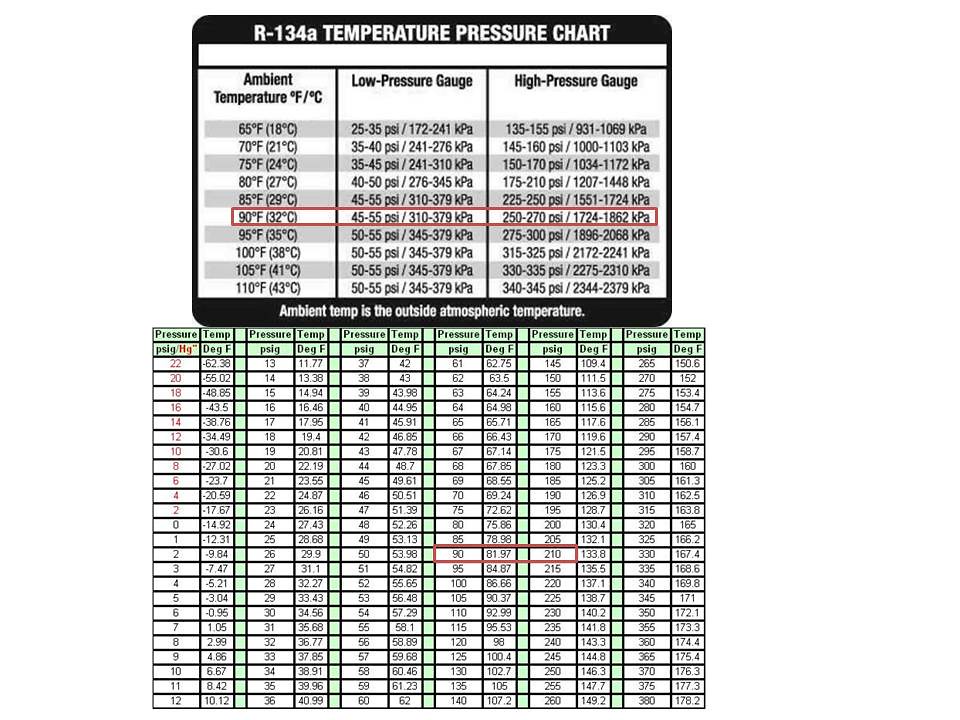
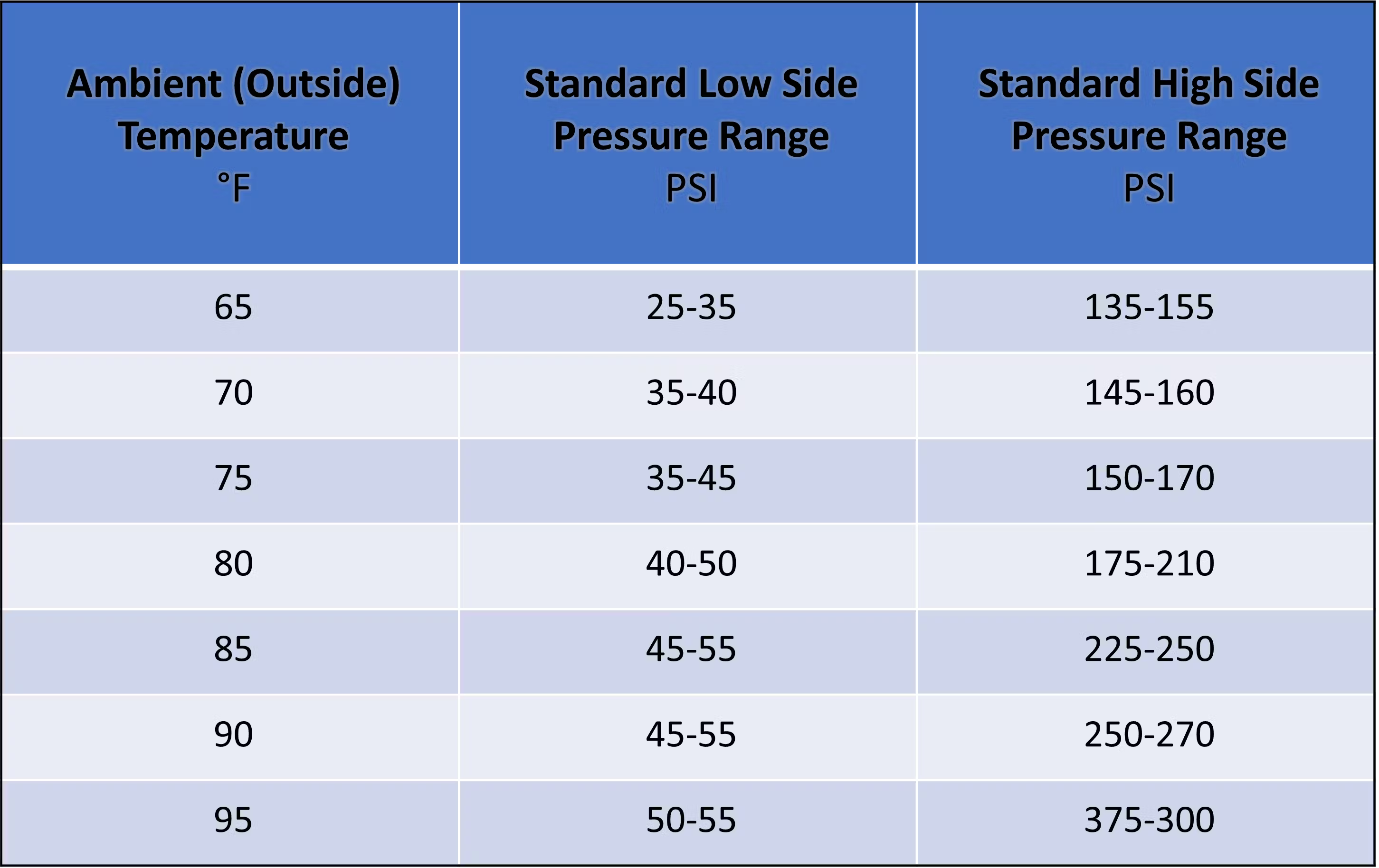
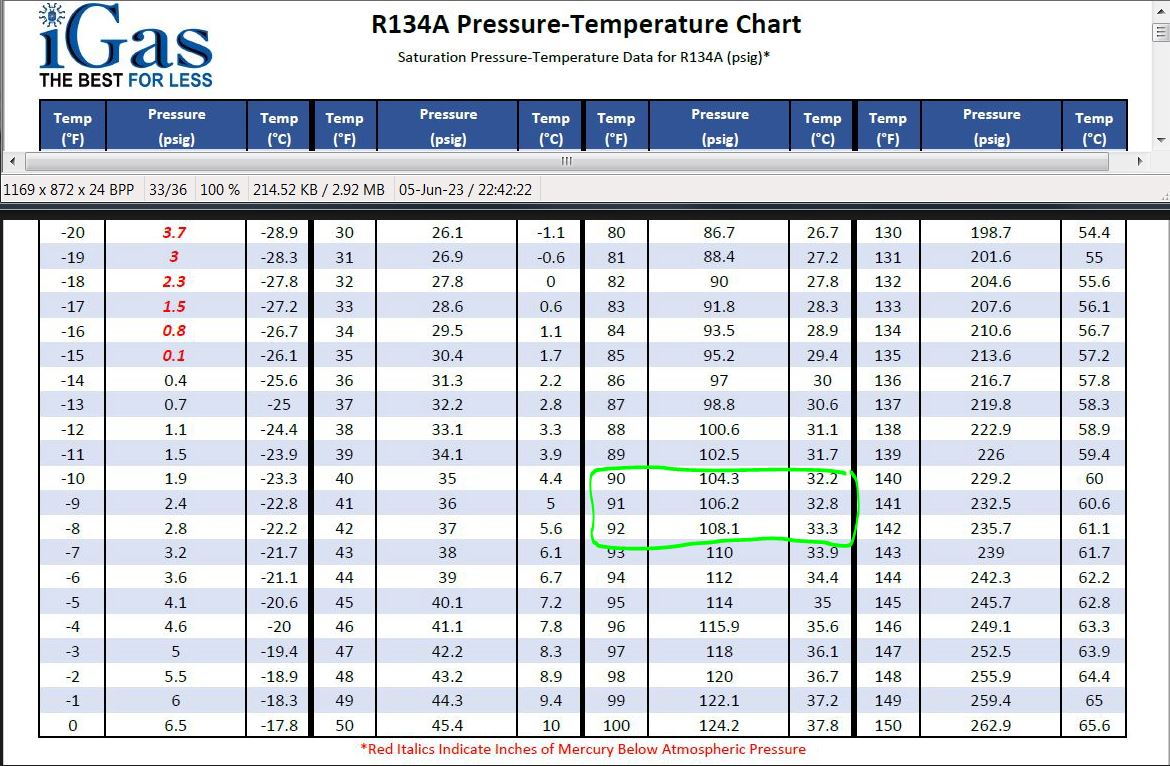
An R134a pressure chart is a valuable tool for HVAC technicians and informed homeowners alike. It correlates the refrigerant pressure with the system's operating temperature. By comparing your system's readings to the chart, you can identify potential issues like leaks, overcharging, undercharging, or compressor problems.
The chart typically displays two pressure readings: the low-side pressure and the high-side pressure. Let's break down what each of these readings signifies:
Low-Side Pressure: The Evaporator's Story
The low-side pressure, also known as the suction pressure, reflects the pressure in the evaporator coil. The evaporator is responsible for absorbing heat from your indoor air, cooling it before it's circulated back into your home or business. A normal low-side pressure for R134a systems generally falls within the range of 25-45 PSI at typical indoor temperatures (around 70-80°F). However, it's crucial to consult the manufacturer's specifications for your specific unit, as these values can vary.
Here's what abnormal low-side pressure readings might indicate:
- Low Low-Side Pressure: This could point to several problems. A refrigerant leak is a common culprit, as a loss of refrigerant reduces the pressure in the system. Other possibilities include a restricted airflow across the evaporator coil (due to a dirty filter, for example), a faulty expansion valve, or even a compressor issue.
- High Low-Side Pressure: This can suggest an overcharged system (too much refrigerant), a restricted expansion valve, or the presence of non-condensables (like air) in the system. A bad compressor valve can also cause the low-side pressure to be high.
High-Side Pressure: The Condenser's Performance
The high-side pressure, or discharge pressure, reflects the pressure in the condenser coil. The condenser releases the heat absorbed by the refrigerant to the outside air. A typical high-side pressure for R134a systems ranges from 150-250 PSI under normal operating conditions (outdoor temperatures around 80-90°F). Again, always refer to the manufacturer's specifications for accurate readings.
Abnormal high-side pressure readings can indicate the following:
- Low High-Side Pressure: Similar to low low-side pressure, a refrigerant leak can cause this issue. Other causes include a faulty compressor or a restriction in the refrigerant lines.
- High High-Side Pressure: This is often caused by a dirty condenser coil (reducing heat transfer), restricted airflow around the condenser, overcharging of refrigerant, or the presence of non-condensables in the system. A faulty condenser fan motor can also contribute to this problem.
Why Monitoring R134a Pressures Matters: ROI and Energy Savings
Regularly checking and understanding your R134a pressures provides a significant return on investment (ROI) through energy savings and reduced repair costs. Here's how:
- Early Detection of Problems: Identifying issues early, such as minor refrigerant leaks, allows for timely repairs before they escalate into major, costly problems like compressor failure. A new compressor can cost several thousand dollars, while a simple leak repair is significantly less expensive.
- Optimized System Efficiency: Proper refrigerant charge ensures that your system operates at peak efficiency. An undercharged or overcharged system wastes energy, leading to higher electricity bills. According to Energy Star, properly maintained HVAC systems can reduce energy consumption by up to 20%.
- Extended Equipment Lifespan: Maintaining correct refrigerant pressures reduces stress on the compressor and other components, extending the overall lifespan of your HVAC system. This delays the need for expensive replacements.
- Improved Comfort: A properly functioning HVAC system provides consistent and comfortable temperatures throughout your home or business, enhancing your quality of life or productivity.
Smart HVAC Integration: Monitoring R134a Pressures Remotely
Smart home technology is revolutionizing HVAC management. Smart thermostats and sensors can now monitor system performance, including refrigerant pressures, in real-time. This allows for proactive maintenance and early detection of potential problems.
Here's how smart HVAC integration can help you monitor R134a pressures and save energy:
- Real-Time Monitoring: Smart sensors can track refrigerant pressures and alert you or your HVAC technician to any deviations from normal operating ranges.
- Data Logging and Analysis: Smart systems log historical data on refrigerant pressures, allowing for trend analysis and identification of recurring issues.
- Remote Diagnostics: HVAC technicians can remotely access system data and diagnose problems without needing to visit your home or business, saving time and money.
- Automated Adjustments: Some smart thermostats can automatically adjust system settings based on refrigerant pressure readings, optimizing performance and efficiency.
Finding Rebates and Incentives for Energy-Efficient HVAC Upgrades
Upgrading to a more energy-efficient HVAC system can significantly reduce your energy bills and improve your home's comfort. Many government and utility programs offer rebates and incentives to encourage homeowners and businesses to invest in energy-efficient upgrades.
Here's how to find rebates and incentives:
- Energy Star Website: The Energy Star website provides a comprehensive database of rebates and incentives for energy-efficient products, including HVAC systems.
- Local Utility Companies: Contact your local utility companies to inquire about available rebates and incentives for energy-efficient upgrades.
- State Energy Offices: Many states offer energy-efficiency programs with rebates and incentives. Check your state's energy office website for details.
- HVAC Contractors: Qualified HVAC contractors can often provide information on available rebates and incentives and assist you with the application process.
When to Call a Professional HVAC Technician
While understanding the basics of R134a pressure charts can be helpful, it's crucial to know when to call a qualified HVAC technician. Working with refrigerants requires specialized knowledge and equipment, and attempting to diagnose or repair HVAC systems without proper training can be dangerous and potentially damage your equipment.
Here are some situations where you should contact a professional HVAC technician:
- You suspect a refrigerant leak.
- You are unsure how to interpret the R134a pressure chart.
- You lack the necessary tools or expertise to diagnose or repair your HVAC system.
- Your HVAC system is not functioning properly, even after basic troubleshooting steps.
- You are planning to upgrade to a more energy-efficient HVAC system.
Beyond R134a: Future of Refrigerants and Sustainability
While R134a has been a widely used refrigerant, its global warming potential (GWP) has led to the development of more environmentally friendly alternatives. Newer refrigerants like R32 and R454B offer significantly lower GWP, reducing their impact on the environment.
Many new HVAC systems are now designed to use these next-generation refrigerants, offering improved energy efficiency and reduced environmental impact. As older R134a systems reach the end of their lifespan, consider upgrading to a system that uses a more sustainable refrigerant. This not only benefits the environment but can also qualify you for additional rebates and incentives.
By understanding R134a pressure charts, embracing smart HVAC technology, and exploring sustainable refrigerant options, you can take control of your energy costs and create a more comfortable and environmentally friendly home or business. Remember to consult with qualified HVAC professionals for any diagnostic or repair work to ensure the safety and longevity of your system.