R22 Suction And Discharge Pressure Chart

Summer's here, and that familiar hum of your air conditioner is usually a welcome sound. But what if it's blowing warm air, or working overtime without cooling your home effectively? One potential culprit lies in your AC system's refrigerant pressures. Understanding the R22 suction and discharge pressure chart can be a key to diagnosing the problem. *Before we begin, a crucial warning: R22 refrigerant is being phased out and handling it requires EPA certification. This guide is for informational purposes and focuses on diagnosis; any work involving refrigerant handling MUST be done by a certified professional.* This guide will help you identify issues and determine when to call in the pros. Always prioritize safety. If you are uncomfortable with any of these steps, call a qualified HVAC technician.
Understanding the Basics: The R22 Pressure Chart
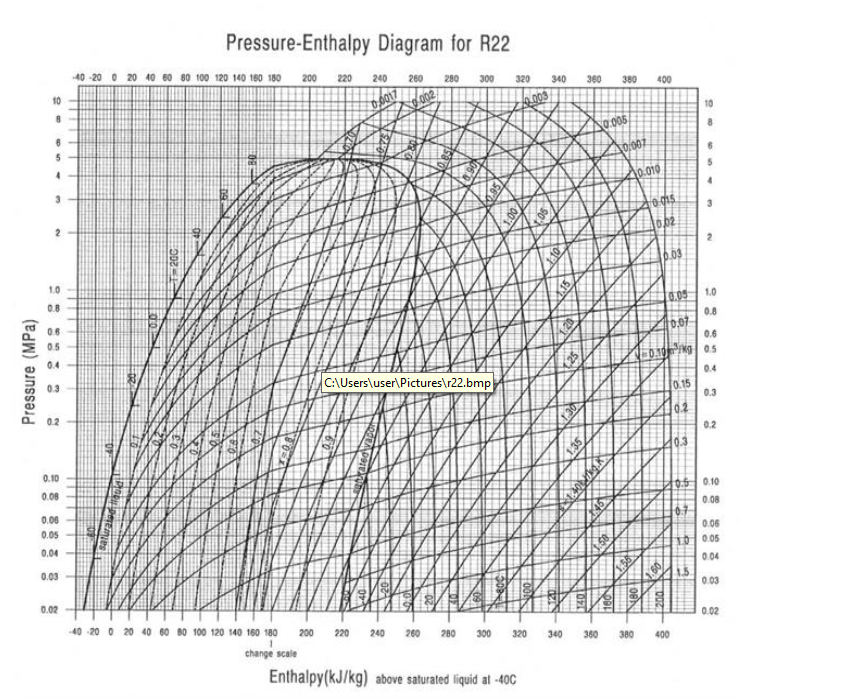
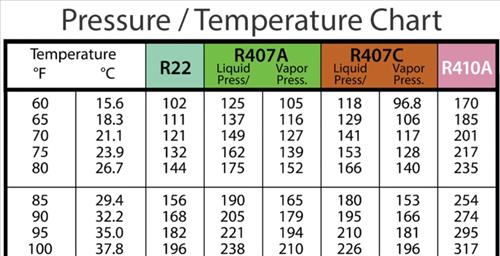
An R22 pressure chart provides the expected suction and discharge pressures for your air conditioner at different outdoor temperatures. These pressures indicate the refrigerant's state, which is crucial for efficient cooling. Think of it like a blood pressure reading for your AC unit. Deviation from these expected pressures indicates a potential problem.
What are Suction and Discharge Pressures?
*Suction Pressure (Low Side):* This pressure is measured on the larger copper line coming from the evaporator coil (indoor unit) to the compressor. It represents the pressure of the refrigerant as it returns to the compressor to be compressed. A low suction pressure can indicate a refrigerant leak, a restriction in the system, or a frozen evaporator coil.
*Discharge Pressure (High Side):* This pressure is measured on the smaller copper line coming from the compressor to the condenser coil (outdoor unit). It represents the pressure of the refrigerant after it has been compressed. High discharge pressure can indicate a dirty condenser coil, a restriction in the system, or a faulty compressor.
A normal R22 system will have a suction pressure between 60-80 PSI and a discharge pressure between 150-250 PSI, but these values are highly dependent on the outdoor temperature. This is why the R22 pressure chart is vital.
Common Problem: The AC Isn't Cooling Properly
The most common symptom of a refrigerant issue is poor cooling performance. Your AC might run constantly, but the air coming from the vents isn't as cold as it should be. Other symptoms can include:
- The AC unit cycles on and off frequently (short cycling).
- Higher than normal energy bills.
- Ice forming on the copper lines or the evaporator coil.
- A hissing sound coming from the AC unit.
Step-by-Step Diagnosis (With Safety First!)
Before you begin, turn off the AC unit at the thermostat and the breaker. Safety first!
Step 1: Gather Your Tools (and Safety Gear!)
You'll need the following (remember, we're only diagnosing, not working with refrigerant):
- *R22 Pressure Chart:* You can find these online or in your AC unit's manual. Make sure it's specific to R22.
- *Outdoor Thermometer:* Accurate temperature reading is crucial.
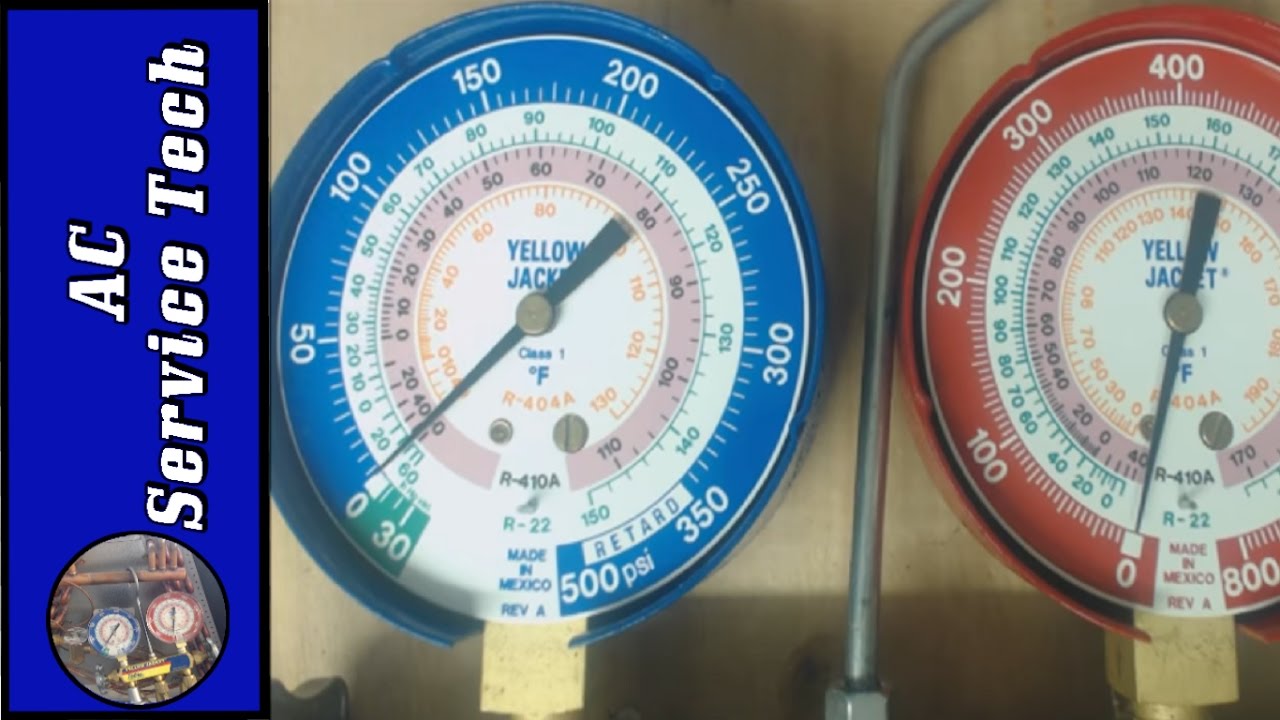
- *Manifold Gauge Set (Optional, but highly recommended for accurate readings):* A manifold gauge set allows you to connect to the service ports and read the pressures. If you don't know how to safely use a manifold gauge set, do not attempt this. Leave it to a professional.
- *Screwdrivers (Various sizes):* For removing access panels.
- *Flashlight:* For better visibility.
- *Work Gloves:* Protect your hands.
- *Safety Glasses:* Protect your eyes.
Step 2: Check the Outdoor Temperature
Use your outdoor thermometer to get an accurate reading of the ambient temperature near the condenser unit (outdoor unit). This is the essential reference point for using the R22 pressure chart.
Step 3: Locate the Service Ports
The service ports are typically located on the copper lines near the condenser unit. They are usually capped with brass or plastic caps. Remove the caps to expose the Schrader valves (like tire valves).
Step 4: Connect the Manifold Gauge Set (If You Have One)
If you are using a manifold gauge set, follow these steps CAREFULLY. If you're not comfortable, skip to Step 5.
- Connect the blue hose to the suction (low-side) service port.
- Connect the red hose to the discharge (high-side) service port.
- Connect the yellow hose to a vacuum pump (only if you intend to evacuate the system – DO NOT VENT R22 REFRIGERANT INTO THE ATMOSPHERE! This is illegal and harmful to the environment.)
- Open the manifold valves slightly to get pressure readings.
Important Note: If you are using a manifold gauge, ensure it is properly calibrated and rated for R22. Improper use can damage the gauge and the AC system.
Step 5: Consult the R22 Pressure Chart
Now, using the outdoor temperature you recorded, consult the R22 pressure chart. Find the corresponding suction and discharge pressures for that temperature.
Step 6: Compare Your Readings (or Observations) to the Chart
Here's where you start analyzing:
- *Normal Pressures:* If your pressure readings (or, if you don't have gauges, your observations – see below) are close to what the chart indicates, the refrigerant levels are likely within the normal range. The problem probably lies elsewhere (dirty coils, airflow issues, etc.).
- *Low Suction Pressure:* If the suction pressure is significantly lower than the chart indicates, it could indicate a refrigerant leak. Without gauges, this might manifest as ice forming on the suction line.
- *High Discharge Pressure:* If the discharge pressure is significantly higher than the chart indicates, it could indicate a dirty condenser coil, a restriction in the system, or a faulty compressor. Visually inspect the condenser coils for dirt and debris.
- *High Suction Pressure:* May indicate a restriction in the liquid line or a faulty compressor.
- *Low Discharge Pressure:* May indicate a restriction in the system or a faulty compressor.
If you don't have gauges, rely on visual cues and other symptoms. Ice on the suction line strongly suggests low refrigerant. A condenser coil packed with debris suggests high discharge pressure.
Simple DIY Fixes (Before Calling the Pros)
These fixes are safe and don't involve handling refrigerant. If the problem persists after these steps, it's time to call a professional.
1. Clean the Condenser Coil
A dirty condenser coil is a common cause of high discharge pressure. Turn off the power to the AC unit at the breaker. Use a garden hose with a gentle spray nozzle to clean the coil from the inside out. Avoid using a pressure washer, as it can damage the fins. Straighten any bent fins with a fin comb (available at most hardware stores). Let the coil dry completely before turning the unit back on.
2. Check and Replace the Air Filter
A clogged air filter restricts airflow, which can affect the evaporator coil and refrigerant pressures. Replace the air filter regularly (every 1-3 months, or more often if you have pets or allergies). A dirty air filter can cause the evaporator coil to freeze.
3. Clear Obstructions Around the Condenser Unit
Make sure there are no bushes, plants, or other objects blocking airflow around the condenser unit. The unit needs adequate space to breathe.
4. Ensure Proper Airflow Inside
Make sure all vents are open and not blocked by furniture. Proper airflow inside the house is just as important as airflow around the outdoor unit.
When to Call a Professional (This is Crucial!)
Any situation involving refrigerant MUST be handled by a certified professional. This includes:
- *Refrigerant Leaks:* If you suspect a refrigerant leak (low suction pressure, hissing sound, oily residue on the lines), do not attempt to fix it yourself. Call a qualified HVAC technician immediately.
- *Adding Refrigerant:* Adding refrigerant requires specialized equipment and knowledge. It is illegal and dangerous to handle R22 without proper certification.
- *Evacuating the System:* Evacuating the system (removing all refrigerant) also requires specialized equipment and is best left to the pros.
- *Compressor Problems:* If you suspect a faulty compressor (unusual noises, no pressure readings), call a professional. Compressor replacement is a complex job.
- *Electrical Issues:* If you suspect any electrical problems, call a qualified electrician or HVAC technician.
- *If DIY Fixes Don't Work:* If you've tried the simple DIY fixes and the problem persists, it's time to call in the experts. They have the tools and knowledge to diagnose and repair the issue safely and effectively.
Remember: Working with refrigerant requires EPA certification. Improper handling of R22 can be harmful to the environment and your health. Always prioritize safety and call a professional when in doubt.
Future-Proofing Your AC System
R22 is being phased out, and finding replacement refrigerant will become increasingly difficult and expensive. Consider these options:
- *Retrofit to an Alternative Refrigerant (If Possible):* Some R22 systems can be retrofitted to use a more environmentally friendly refrigerant like R410A. However, this may not be feasible or cost-effective for all systems.
- *Replace Your AC System:* If your AC system is old and inefficient, consider replacing it with a new unit that uses R410A or another approved refrigerant. New systems are more energy-efficient and environmentally friendly.
By understanding the basics of your AC system and the R22 pressure chart, you can be a more informed homeowner and make better decisions about maintaining and repairing your cooling system. Always remember that safety is paramount, and when in doubt, call a qualified HVAC technician.