R410a Condenser With R22 Evaporator
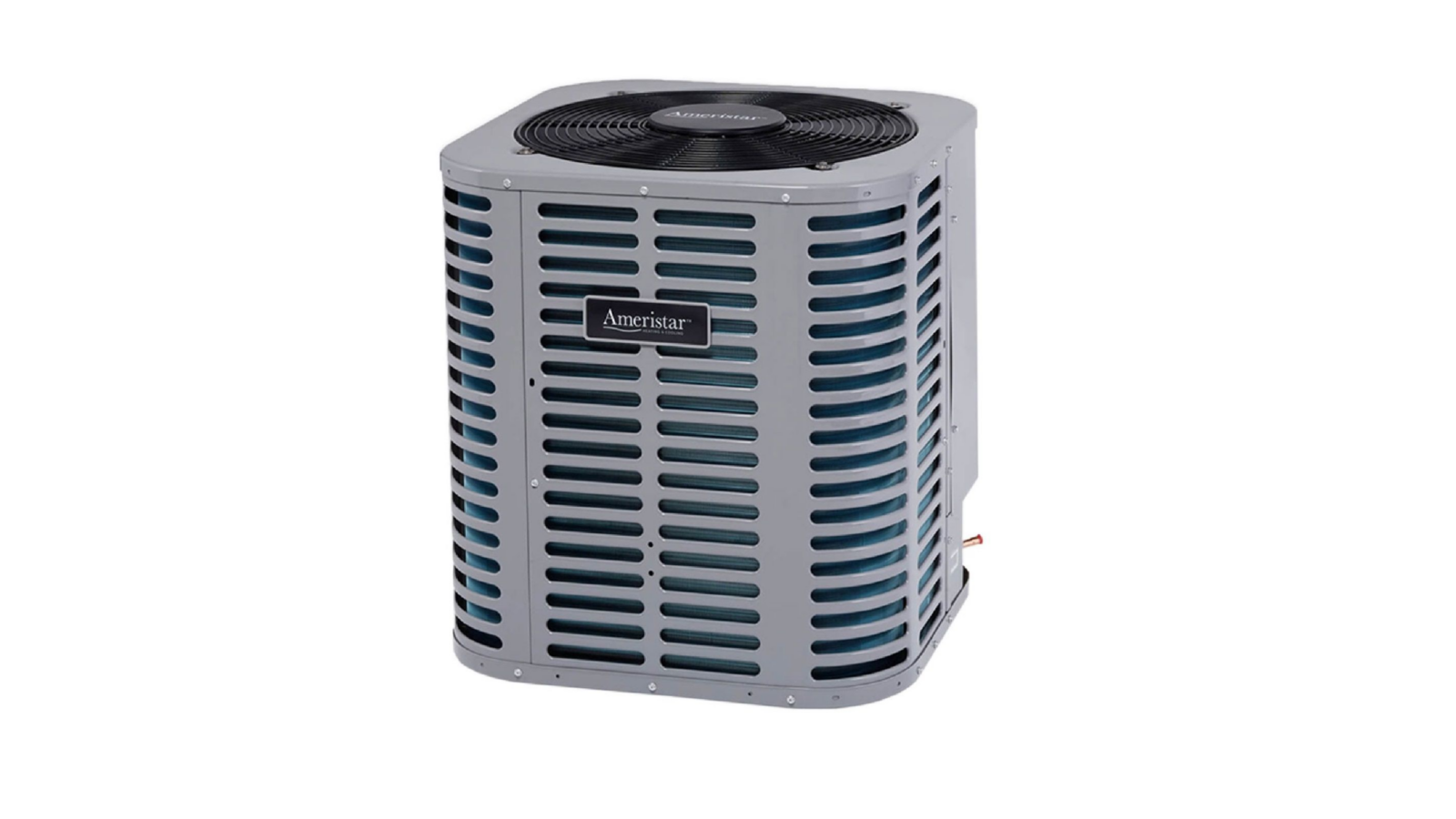
The HVAC (Heating, Ventilation, and Air Conditioning) industry has undergone significant changes over the years, especially concerning refrigerant types. One common, and often debated, scenario is running an R410a condenser with an R22 evaporator. This article explores the feasibility, challenges, and implications of such a setup, targeting homeowners, HVAC technicians, and facility managers alike.
Understanding the Refrigerants: R22 vs. R410a
Before delving into the compatibility issues, it's crucial to understand the fundamental differences between R22 and R410a.
R22: The Phased-Out Refrigerant
R22, also known as Freon, was the industry standard for decades. However, due to its ozone-depleting properties, it was phased out under the Montreal Protocol. Production and import of new R22 were banned in the United States as of January 1, 2020. While existing systems using R22 can still be serviced, the cost of R22 refrigerant has skyrocketed, making repairs increasingly expensive.
R410a: The Environmentally Friendlier Alternative
R410a is a hydrofluorocarbon (HFC) refrigerant that does not deplete the ozone layer. It operates at higher pressures than R22, requiring systems specifically designed for its use. R410a is now the standard refrigerant in most new air conditioning systems.
The Core Issue: Incompatibility
The fundamental problem with using an R410a condenser with an R22 evaporator lies in their inherent incompatibility. These systems are designed to operate under different pressures and with different types of oil. Here’s a breakdown of the key reasons why this combination is generally not recommended:
- Pressure Differences: R410a systems operate at significantly higher pressures (around 50-70% higher) than R22 systems. An R22 evaporator is not designed to withstand these pressures, which can lead to leaks, component failure, and potentially dangerous situations.
- Oil Incompatibility: R22 systems typically use mineral oil, while R410a systems use synthetic oil (usually POE – Polyolester – oil). These oils are not compatible. If mixed, they can cause lubrication problems, leading to compressor failure and reduced system efficiency.
- Metering Device Mismatch: The metering device (e.g., TXV or orifice) in the evaporator coil is designed to regulate refrigerant flow based on the specific refrigerant. An R22 metering device will not accurately control the flow of R410a, leading to inefficient cooling and potential compressor damage.
- Design Differences: Beyond the refrigerant, the entire system design – including coil sizes, tubing diameters, and component ratings – is optimized for a specific refrigerant. Mixing components designed for different refrigerants will compromise overall performance and reliability.
Why Would Someone Consider This? (And Why It’s Usually a Bad Idea)
The most common reason for considering an R410a condenser with an R22 evaporator is cost savings. When an R22 condenser fails, some homeowners or inexperienced technicians might think that replacing only the outdoor unit with a newer, more efficient R410a model is a cheaper alternative to replacing the entire system. However, this approach is almost always a false economy.
While it might seem like you're saving money upfront, the long-term consequences are often much more expensive. Here's why:
- Reduced Efficiency: The mismatched system will operate far below its potential efficiency, leading to higher energy bills. The SEER (Seasonal Energy Efficiency Ratio) rating will be significantly lower than the R410a condenser's rating, negating any energy savings you might have hoped for.
- Increased Repair Costs: The strain on the mismatched components will lead to premature failure of the compressor, evaporator coil, or other parts. You'll likely face frequent and costly repairs.
- Shorter Lifespan: The entire system's lifespan will be significantly reduced due to the stress caused by the incompatibility.
- Voided Warranties: Most manufacturers will void the warranty on the R410a condenser if it's connected to an R22 evaporator.
Example: Imagine a homeowner with an old R22 system where the condenser fails. They get a quote to replace the entire system with a new R410a unit, which costs $6,000. They then get a quote to replace only the condenser with an R410a model for $3,000. While the $3,000 option seems attractive, it will likely result in higher energy bills, frequent repairs, and a much shorter system lifespan, ultimately costing them more in the long run.
The Exception: Retrofit Kits (Use with Extreme Caution)
In some rare cases, retrofit kits are available that claim to allow the use of an R410a condenser with an existing R22 evaporator. These kits typically involve replacing the metering device, adding adapters, and potentially flushing the system to remove residual mineral oil.
However, using these kits is generally not recommended unless performed by a highly experienced and qualified HVAC technician. Even with a retrofit kit, the performance and reliability of the system are unlikely to match that of a properly matched R410a system. Furthermore, the long-term effects of these retrofits are not always well-understood, and they may still lead to premature component failure.
Important Note: Before considering any retrofit, thoroughly research the kit's performance data, read reviews from other users, and consult with multiple HVAC professionals. Ensure the technician has extensive experience with this specific type of retrofit and can provide guarantees about the system's performance and lifespan. Also, verify that the retrofit complies with all applicable local and national codes.
Best Practices: Complete System Replacement
In most cases, the best and most cost-effective solution is to replace the entire HVAC system – both the condenser and the evaporator – with a matched R410a system. This ensures optimal performance, efficiency, and reliability.
Here are some of the benefits of a complete system replacement:
- Optimal Performance and Efficiency: A matched system is designed to work together seamlessly, providing the best possible cooling and heating performance. Modern R410a systems often have higher SEER ratings than older R22 systems, resulting in significant energy savings.
- Increased Reliability: All components are designed to work together, reducing the risk of premature failure.
- Longer Lifespan: A new, matched system will typically last 15-20 years with proper maintenance.
- Warranty Protection: A complete system replacement will come with a full manufacturer's warranty, providing peace of mind.
- Improved Air Quality: Newer systems often incorporate advanced air filtration technologies, improving indoor air quality.
Cost Considerations
While a complete system replacement requires a larger upfront investment, it often proves to be the most cost-effective option in the long run. Consider the following factors when evaluating the costs:
- Purchase Price: The initial cost of the system, including equipment and installation.
- Energy Costs: The ongoing cost of electricity or gas to operate the system.
- Repair Costs: The potential cost of future repairs.
- Lifespan: The expected lifespan of the system.
A well-maintained, high-efficiency R410a system will typically have lower energy and repair costs and a longer lifespan than a mismatched system, ultimately saving you money over time. Get quotes from multiple HVAC contractors and compare the total cost of ownership, including purchase price, energy costs, and potential repair costs.
For HVAC Technicians: Ethical and Professional Considerations
As HVAC technicians, it's our responsibility to provide honest and accurate advice to our clients. While it might be tempting to offer a cheaper "quick fix" by replacing only the condenser, it's crucial to explain the potential drawbacks and long-term consequences of this approach. We should always recommend the best solution for the client's needs, even if it means a larger upfront investment.
Furthermore, we must ensure that any work we perform complies with all applicable codes and regulations. Using incompatible components or performing improper retrofits can have serious safety and environmental consequences.
Conclusion
While running an R410a condenser with an R22 evaporator might seem like a cost-effective solution in the short term, it's generally not recommended due to performance, reliability, and safety concerns. A complete system replacement with a matched R410a system is almost always the best option for homeowners, facility managers, and anyone looking for a long-term, efficient, and reliable HVAC solution. Always consult with a qualified HVAC professional to determine the best course of action for your specific needs.