Radiant Heat In Concrete Slab Problems
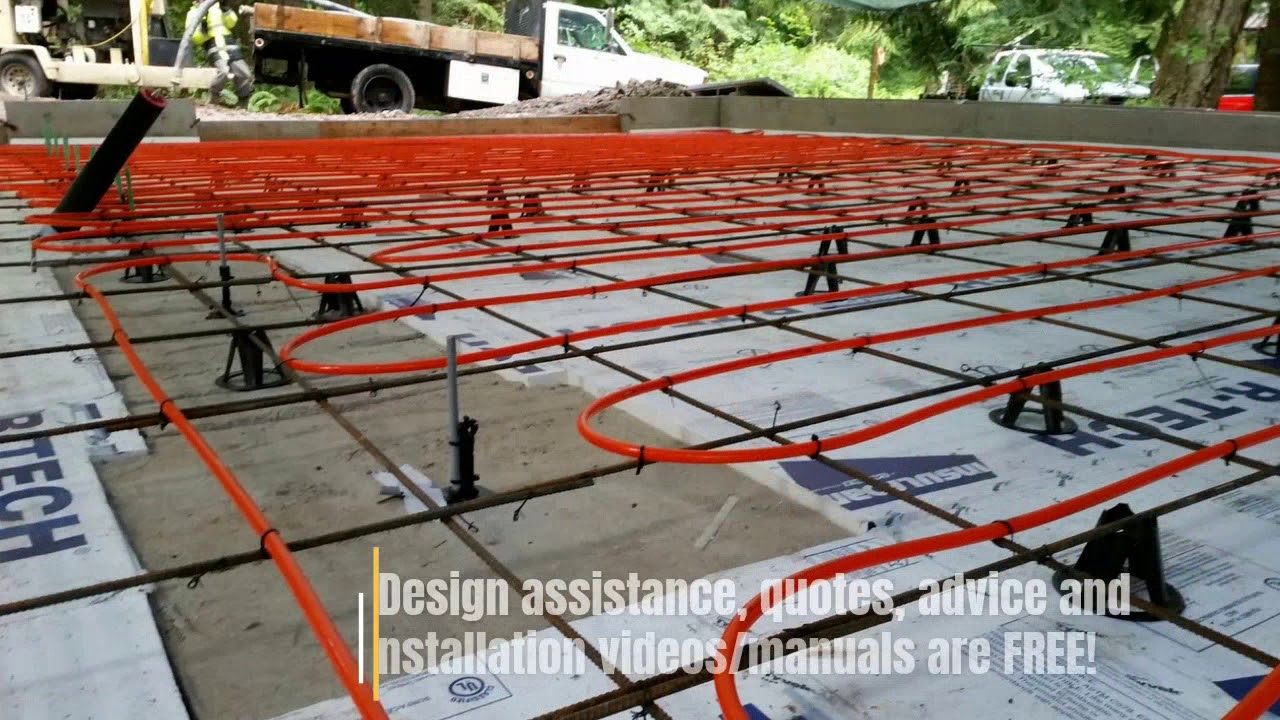
Radiant floor heating offers a luxurious and efficient way to heat your home. When embedded in a concrete slab, it provides even heat distribution and energy savings. However, problems can arise, and understanding these potential issues is crucial for maintaining a comfortable and efficient heating system. This guide provides a comprehensive overview of common problems associated with radiant heat in concrete slabs, offering insights and solutions to help you troubleshoot and resolve issues.
Understanding Radiant Heat in Concrete Slabs
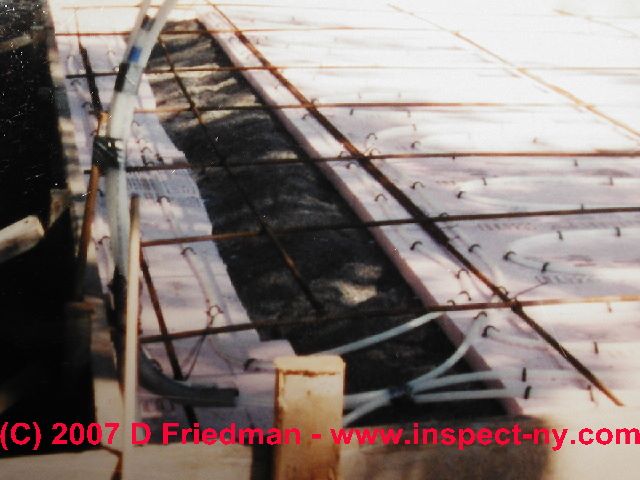
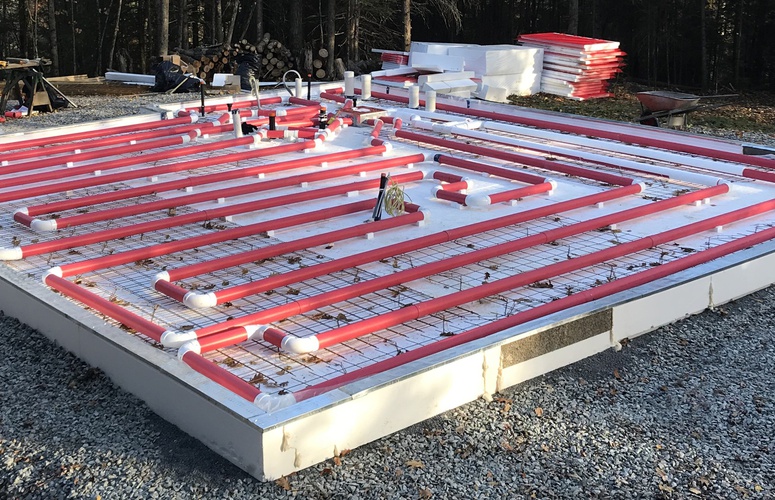
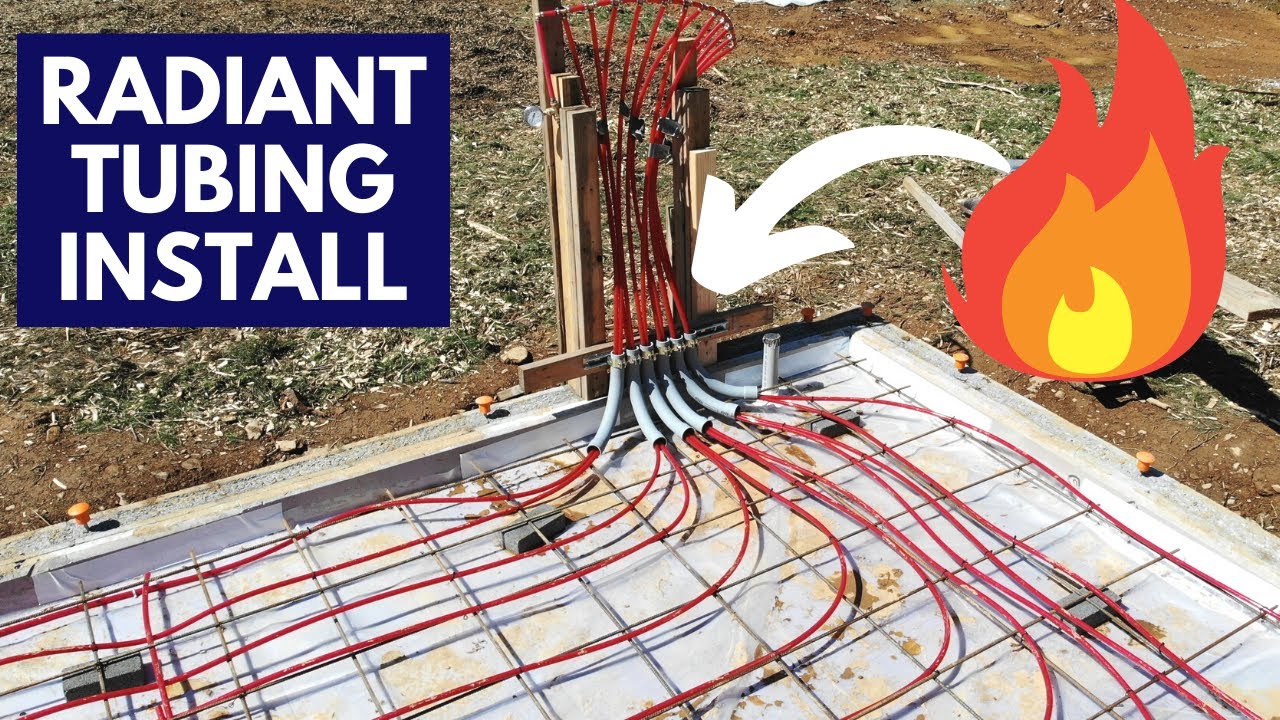
Before diving into problems, let's briefly review how radiant floor heating works within a concrete slab. The system typically consists of a network of flexible tubing embedded within the concrete. Heated water (hydronic systems) or electrical resistance wires (electric systems) circulate through this tubing, warming the slab. The concrete then radiates this heat upwards, warming the room from the floor up. This provides a more even and comfortable heat compared to forced-air systems.
Hydronic vs. Electric Systems
It's important to distinguish between hydronic and electric radiant floor heating systems, as the types of problems they experience differ. Hydronic systems use a boiler or water heater to heat water, which is then pumped through the tubing. Electric systems use resistance wires to generate heat directly within the slab.
Common Problems with Radiant Heat in Concrete Slabs
Many issues can affect the performance of a radiant heat system in a concrete slab. We'll break them down into categories for clarity.
1. Inadequate Heat Output
This is a frequent complaint: the floor doesn't get warm enough, or the room isn't heating adequately.
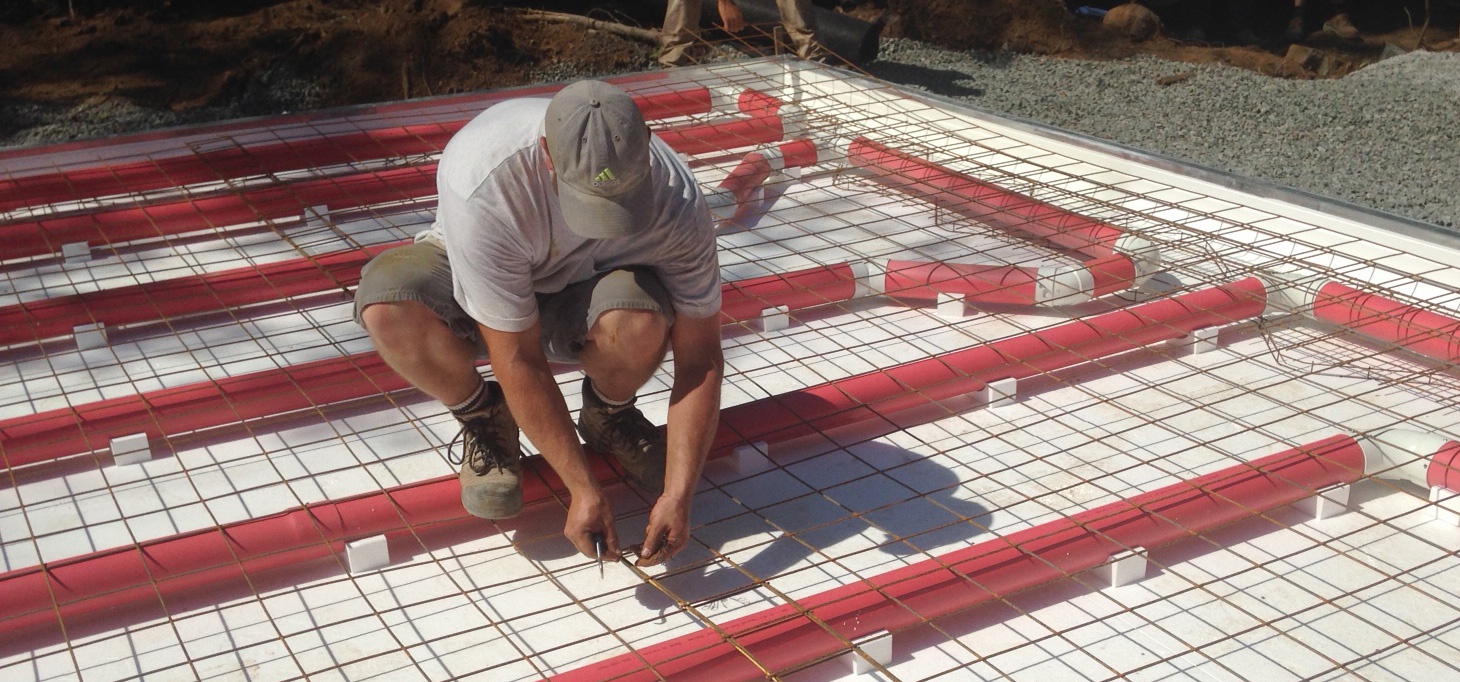
- Improper Slab Insulation: Insulation is critical beneath and around the concrete slab. Without adequate insulation, heat will escape downwards and outwards, reducing the amount of heat radiated into the room. Think of insulation as a blanket that keeps the heat where you want it.
- Incorrect Water Temperature (Hydronic): The boiler or water heater may not be set to the correct temperature. Check the manufacturer's recommendations for the optimal water temperature for your system. A faulty thermostat or mixing valve can also contribute to this problem.
- Insufficient Tubing Spacing: If the tubing is spaced too far apart, the heat distribution will be uneven, and the overall heat output will be lower.
- Air in the System (Hydronic): Air pockets in the tubing can impede water flow, reducing heat transfer. Bleeding the system to remove air is a necessary maintenance task.
- Sediment Buildup (Hydronic): Over time, sediment can accumulate in the tubing, restricting water flow and reducing efficiency. Flushing the system periodically can prevent this.
- Boiler/Water Heater Issues (Hydronic): The boiler or water heater itself may be malfunctioning, preventing it from reaching the desired temperature or maintaining consistent heat output.
- Undersized System: The system may simply be too small for the space it's intended to heat. This is especially common if the system was installed without proper load calculations.
- Thermostat Malfunction: A faulty thermostat can misread the room temperature and prevent the system from heating properly.
- Electric System Failure: In electric systems, a break in the resistance wires can cause a section of the floor to stop heating.
2. Uneven Heat Distribution
You might notice some areas of the floor are much warmer than others.
- Uneven Tubing Spacing: Inconsistent spacing between the tubing runs can create hot and cold spots.
- Air Pockets (Hydronic): As mentioned before, air pockets can disrupt water flow and cause uneven heating.
- Slab Cracks: Cracks in the concrete slab can affect heat distribution, as they create thermal breaks.
- Furniture Coverage: Large rugs or furniture can insulate the floor, preventing heat from radiating into the room and creating cooler spots.
- Edge Losses: Heat loss is typically greater around the perimeter of the slab. Proper edge insulation is essential to minimize this effect.
- Loop Length Imbalance (Hydronic): In multi-zone hydronic systems, unequal loop lengths can lead to uneven flow rates and temperature differences. Manifolds with flow meters allow for balancing the system.
3. Leaks in the System (Hydronic)
Leaks are a serious problem, as they can damage your floors and potentially lead to mold growth.
- Pinhole Leaks in Tubing: Over time, the tubing can develop small leaks due to corrosion or physical damage.
- Fitting Leaks: Connections between tubing sections are potential leak points.
- Slab Cracks Exposing Tubing: Cracks in the slab can expose the tubing to further damage, increasing the risk of leaks.
- Corrosion: Water chemistry issues can lead to corrosion of the tubing and fittings. Using corrosion inhibitors can help prevent this.
- Improper Installation: Incorrect installation techniques can stress the tubing and create weak points that eventually leak.
4. Cracks in the Concrete Slab
While not directly related to the heating system itself, cracks in the slab can exacerbate other problems.
- Settling: Ground settling beneath the slab can cause cracks.
- Improper Concrete Mix: Using the wrong concrete mix or not allowing it to cure properly can lead to cracking.
- Lack of Expansion Joints: Expansion joints are necessary to accommodate the natural expansion and contraction of the concrete due to temperature changes.
- Excessive Weight: Placing excessive weight on the slab can cause it to crack.
- Freezing and Thawing: In cold climates, repeated freezing and thawing cycles can damage the concrete.
5. Electrical Issues (Electric Systems)
For electric radiant floor heating systems, electrical problems are common.
- Breaks in Resistance Wires: A break in the resistance wires will prevent that section of the floor from heating.
- Faulty Thermostat: A malfunctioning thermostat can prevent the system from turning on or off properly.
- Wiring Issues: Loose connections or damaged wiring can cause the system to malfunction.
- Overheating: Overheating can damage the resistance wires and other components.
- GFCI Tripping: Ground fault circuit interrupters (GFCIs) are often used to protect electric radiant floor heating systems. If the GFCI trips frequently, it indicates a ground fault, which requires immediate attention.
Troubleshooting and Solutions
Diagnosing radiant heat problems in concrete slabs can be challenging. Here's a breakdown of common troubleshooting steps and potential solutions.
Inadequate Heat Output
- Check Thermostat Settings: Ensure the thermostat is set to the desired temperature and is functioning correctly.
- Verify Water Temperature (Hydronic): Check the boiler or water heater settings to ensure the water is heating to the recommended temperature.
- Bleed the System (Hydronic): Remove any air pockets from the tubing.
- Inspect Insulation: Check the insulation around the slab to ensure it's in good condition and properly installed.
- Remove Obstructions: Clear any rugs or furniture that may be blocking heat radiation.
- Professional Inspection: If the problem persists, consult a qualified HVAC technician to diagnose and repair the system.
Uneven Heat Distribution
- Bleed the System (Hydronic): Remove any air pockets from the tubing.
- Adjust Flow Rates (Hydronic): Use the flow meters on the manifold to balance the flow rates in each loop.
- Address Slab Cracks: Repair any cracks in the slab to prevent heat loss and uneven distribution.
- Professional Inspection: A thermal imaging camera can help identify hot and cold spots, making it easier to diagnose the problem.
Leaks in the System (Hydronic)
- Locate the Leak: Identifying the location of the leak is the first step. This may require specialized equipment.
- Repair the Leak: Depending on the location and severity of the leak, the repair may involve patching the tubing or replacing a section of it.
- Pressure Test: After the repair, pressure test the system to ensure the leak is fixed.
- Professional Repair: Leaks in embedded tubing are best left to professionals with experience in radiant floor heating systems.
Electrical Issues (Electric Systems)
- Check the Thermostat: Verify that the thermostat is functioning correctly.
- Inspect Wiring: Look for any loose connections or damaged wiring.
- Test Resistance Wires: Use a multimeter to test the resistance of the wires. A break in the wire will result in an open circuit.
- Professional Repair: Electrical repairs should be performed by a qualified electrician.
Prevention is Key
Many radiant heat problems can be prevented by taking proactive measures.
- Proper Installation: Ensure the system is installed correctly by a qualified contractor. This includes proper insulation, tubing spacing, and concrete pouring techniques.
- Regular Maintenance: Perform regular maintenance tasks, such as bleeding the system (hydronic) and inspecting for leaks.
- Water Treatment (Hydronic): Use corrosion inhibitors to protect the tubing and fittings from corrosion.
- Slab Protection: Protect the slab from excessive weight and damage.
- Professional Inspections: Schedule regular inspections by a qualified HVAC technician to identify and address potential problems early on.
When to Call a Professional
While some problems can be addressed by homeowners, others require the expertise of a qualified professional. It's best to call a professional if you encounter any of the following:
- Leaks in the tubing: Repairing leaks in embedded tubing requires specialized knowledge and equipment.
- Electrical problems: Electrical repairs should always be performed by a qualified electrician.
- Major system malfunctions: If the system is not heating at all or is experiencing significant performance issues, a professional can diagnose and repair the problem.
- Uncertainty: If you are unsure about how to troubleshoot or repair a problem, it's always best to err on the side of caution and consult a professional.
Radiant heat in concrete slabs offers a comfortable and efficient heating solution. By understanding the common problems, troubleshooting techniques, and prevention measures outlined in this guide, you can ensure your system operates smoothly and efficiently for years to come. Remember, regular maintenance and professional inspections are crucial for maintaining a healthy and reliable radiant floor heating system.