Radiant Heat Systems For Wood Floors

Radiant heat systems offer a luxurious and efficient way to heat your home, providing warmth from the floor up. When paired with wood floors, the result is a comfortable and aesthetically pleasing living space. However, combining these two elements requires careful planning and understanding. This guide will walk you through everything you need to know about radiant heat systems for wood floors, helping you make an informed decision.
Understanding Radiant Heat Systems
Radiant heat works by warming objects and surfaces directly, rather than heating the air like traditional forced-air systems. Think of it like the sun: you feel its warmth even on a cold day because it's directly heating you. This results in more even heat distribution and eliminates drafts, making for a much more comfortable environment. Radiant systems are generally more energy-efficient as well because they can operate at lower temperatures to achieve the same level of comfort.
Types of Radiant Heat Systems
There are primarily two types of radiant heat systems commonly used with wood floors:
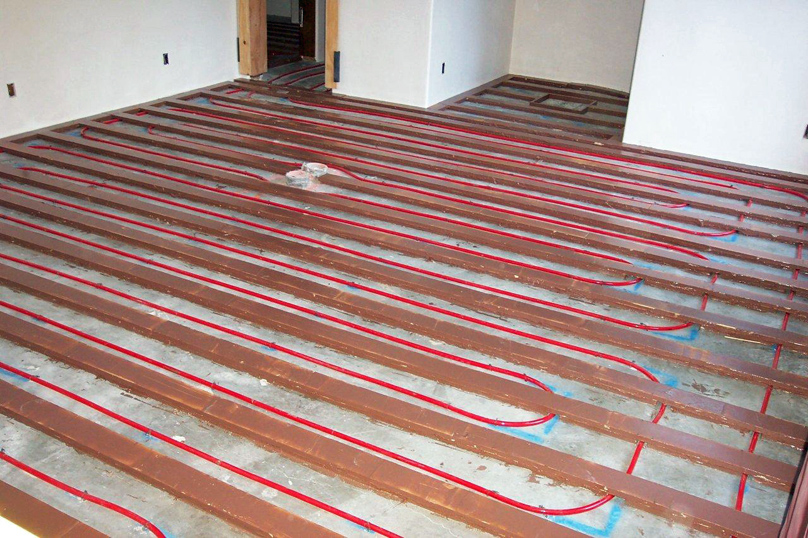
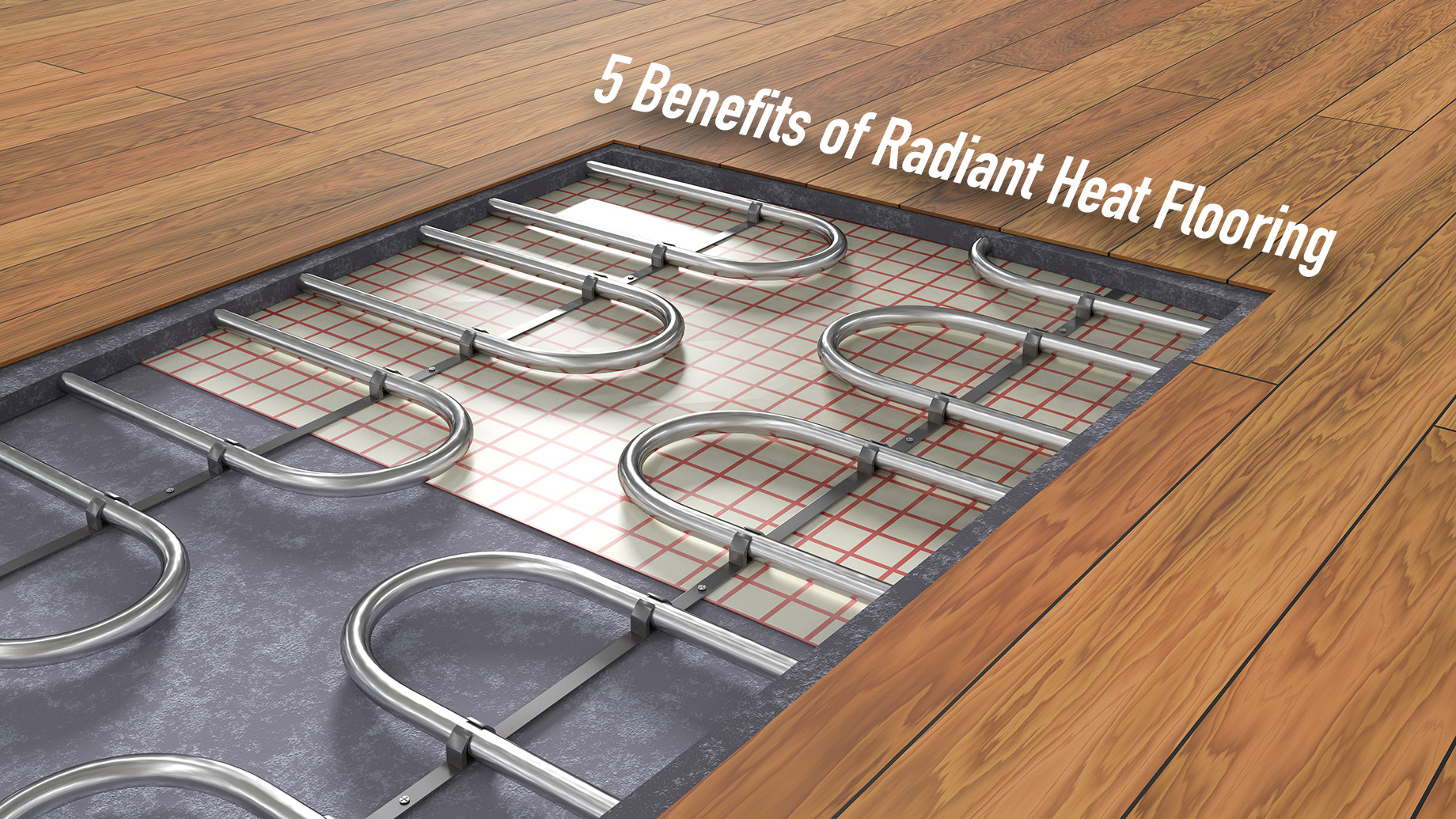
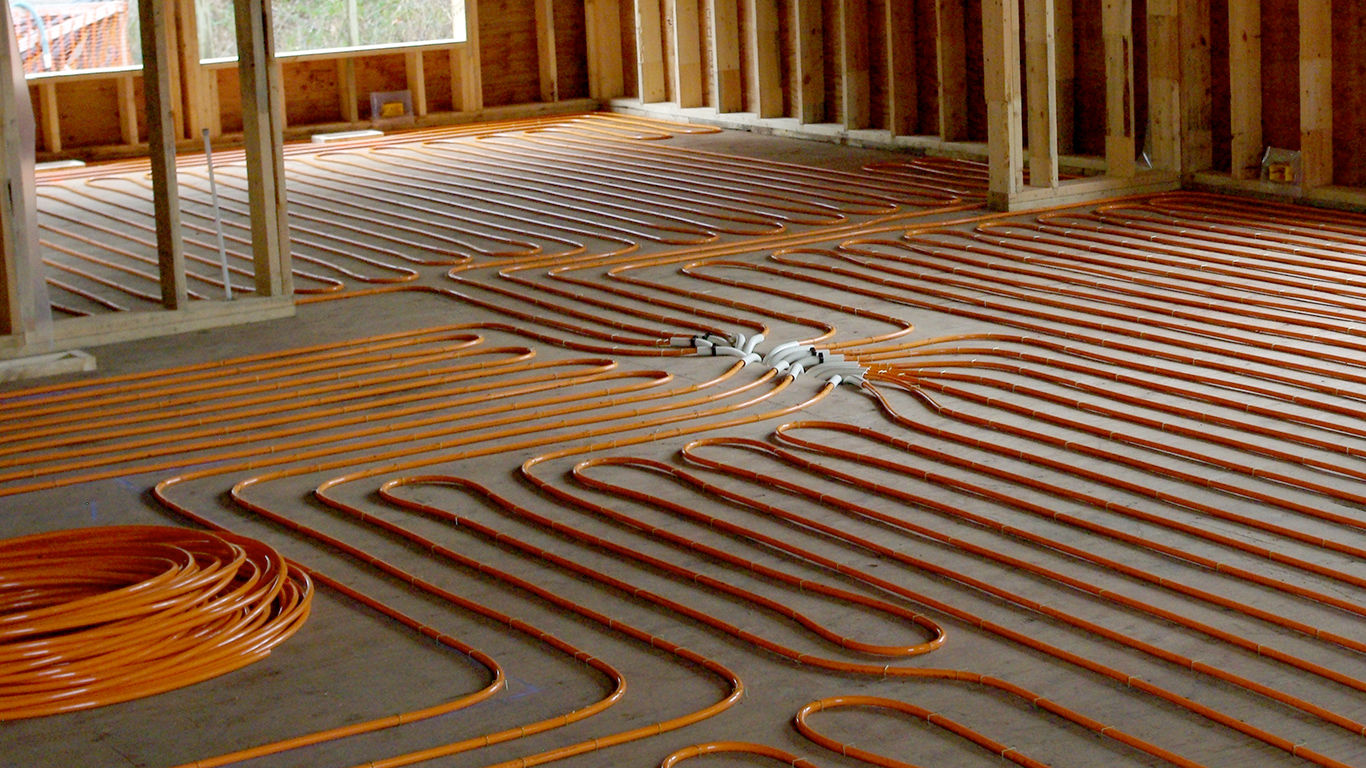
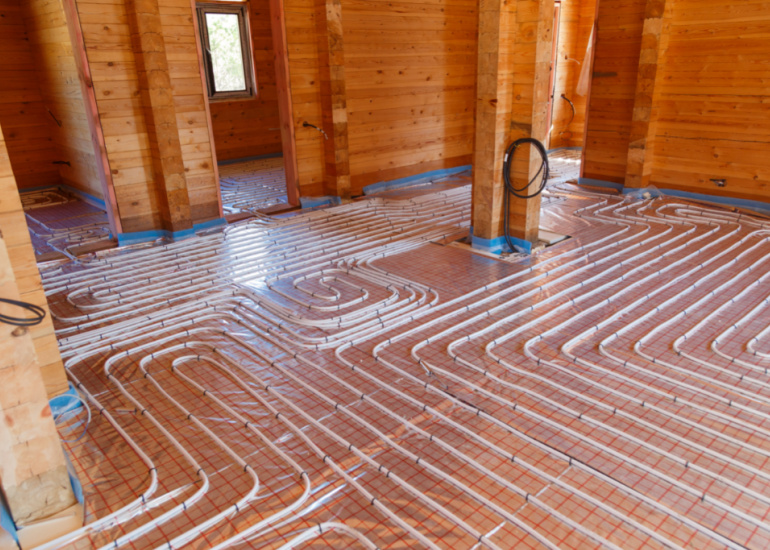
- Hydronic Systems: These systems circulate heated water through pipes embedded in the floor. The water is heated by a boiler, heat pump, or even solar thermal collectors. Think of this as a miniature plumbing system running beneath your floor. Hydronic systems are generally more efficient for larger areas and offer greater temperature control.
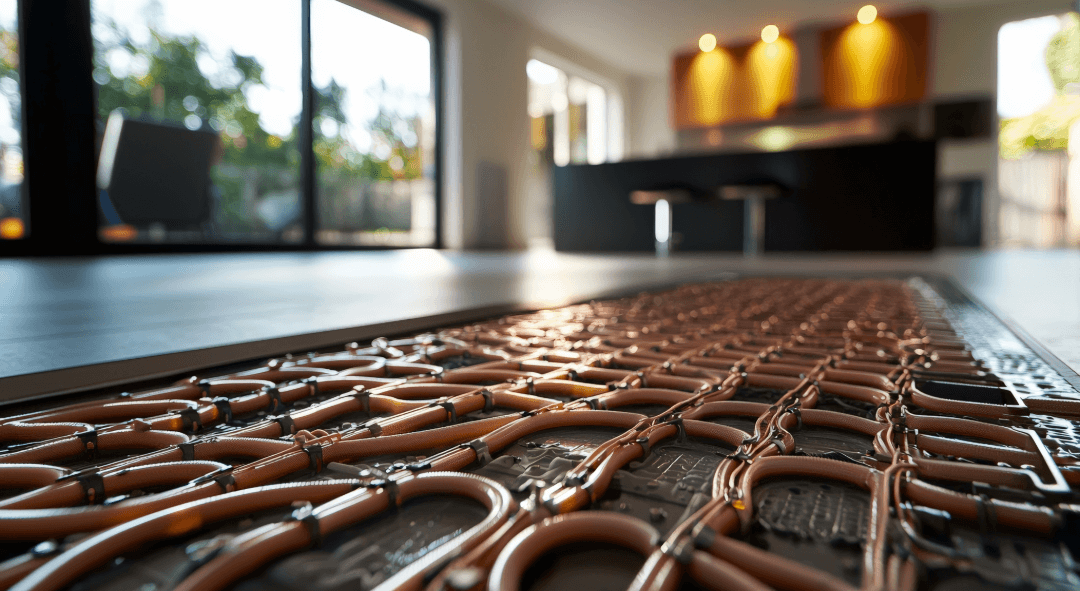
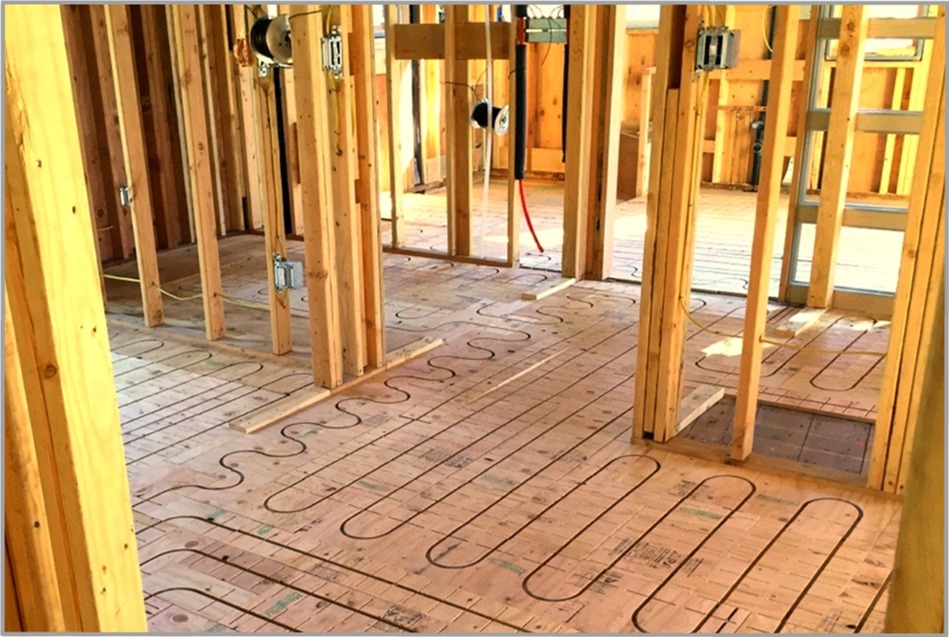
- Electric Systems: These systems use electric cables or mats to generate heat. These are typically installed between the subfloor and the finished wood floor. Imagine an electric blanket under your floor. Electric systems are easier and less expensive to install, particularly for smaller rooms, but can be more expensive to operate in the long run, especially in areas with high electricity costs.
Choosing the Right System
The best system for you will depend on several factors, including:
- Room Size: Hydronic systems are usually better for larger spaces, while electric systems are often more cost-effective for smaller areas.
- Energy Costs: Consider the cost of electricity versus the cost of the fuel source for a hydronic system (natural gas, propane, etc.). Compare the long-term operating costs of each system.
- Installation Costs: Electric systems typically have lower upfront installation costs, but hydronic systems can be more cost-effective over time due to lower energy consumption.
- Existing HVAC System: If you're already using a boiler for heating, integrating a hydronic radiant floor system might be more straightforward.
- Floor Construction: The type of subfloor and floor construction will influence the ease and cost of installation.
Wood Floors and Radiant Heat: Compatibility Considerations
Not all wood floors are suitable for use with radiant heat. Wood is a natural material that expands and contracts with changes in temperature and humidity. The key is to choose a wood floor that is dimensionally stable and can withstand the temperature fluctuations associated with radiant heating.
Suitable Wood Flooring Options
The following wood flooring options are generally considered to be more compatible with radiant heat systems:
- Engineered Wood Flooring: This is the most recommended option. Engineered wood consists of multiple layers of wood veneer glued together, making it more resistant to warping and expansion/contraction than solid wood. Look for engineered floors specifically designed for radiant heat.
- Laminate Flooring: High-quality laminate flooring can also be used with radiant heat, but it's crucial to choose a product specifically labeled as suitable for this application. Laminate is typically more resistant to moisture than solid wood, making it a viable option.
- Bamboo Flooring: Certain types of bamboo flooring are compatible with radiant heat, but it's important to verify the manufacturer's recommendations. Look for strand-woven bamboo, which is denser and more stable.
- Some Solid Wood Flooring (with caveats): Solid wood flooring is generally not recommended for use with radiant heat, but certain species, such as quartersawn wood (cut to minimize expansion and contraction) and those that are naturally dimensionally stable (like rift-sawn oak), can be used with extreme caution. It is crucial to consult with a flooring expert and follow strict installation guidelines to minimize the risk of warping, cupping, or gapping. Thinner planks are often better.
Factors Affecting Wood Floor Compatibility
Several factors influence how well a wood floor will perform with radiant heat:
- Wood Species: Softer wood species are more prone to expansion and contraction. Denser, more stable species like oak, maple, and hickory are generally better choices.
- Cut of Wood: Quartersawn wood is more dimensionally stable than plainsawn wood.
- Plank Width: Narrower planks are generally better than wider planks because they have less surface area to expand or contract.
- Moisture Content: The wood flooring must be properly acclimated to the environment before installation. This means allowing the wood to sit in the room for several days to adjust to the temperature and humidity levels.
- Installation Method: Proper installation is critical. The flooring should be installed using a method that allows for some movement, such as floating or gluing down with a flexible adhesive. Nail-down installations are generally not recommended.
Installation Considerations
Installing a radiant heat system with wood floors requires meticulous planning and execution. It's highly recommended to hire experienced professionals who have specific expertise in both radiant heat installation and wood flooring.
Key Installation Steps
Here's a general overview of the installation process:
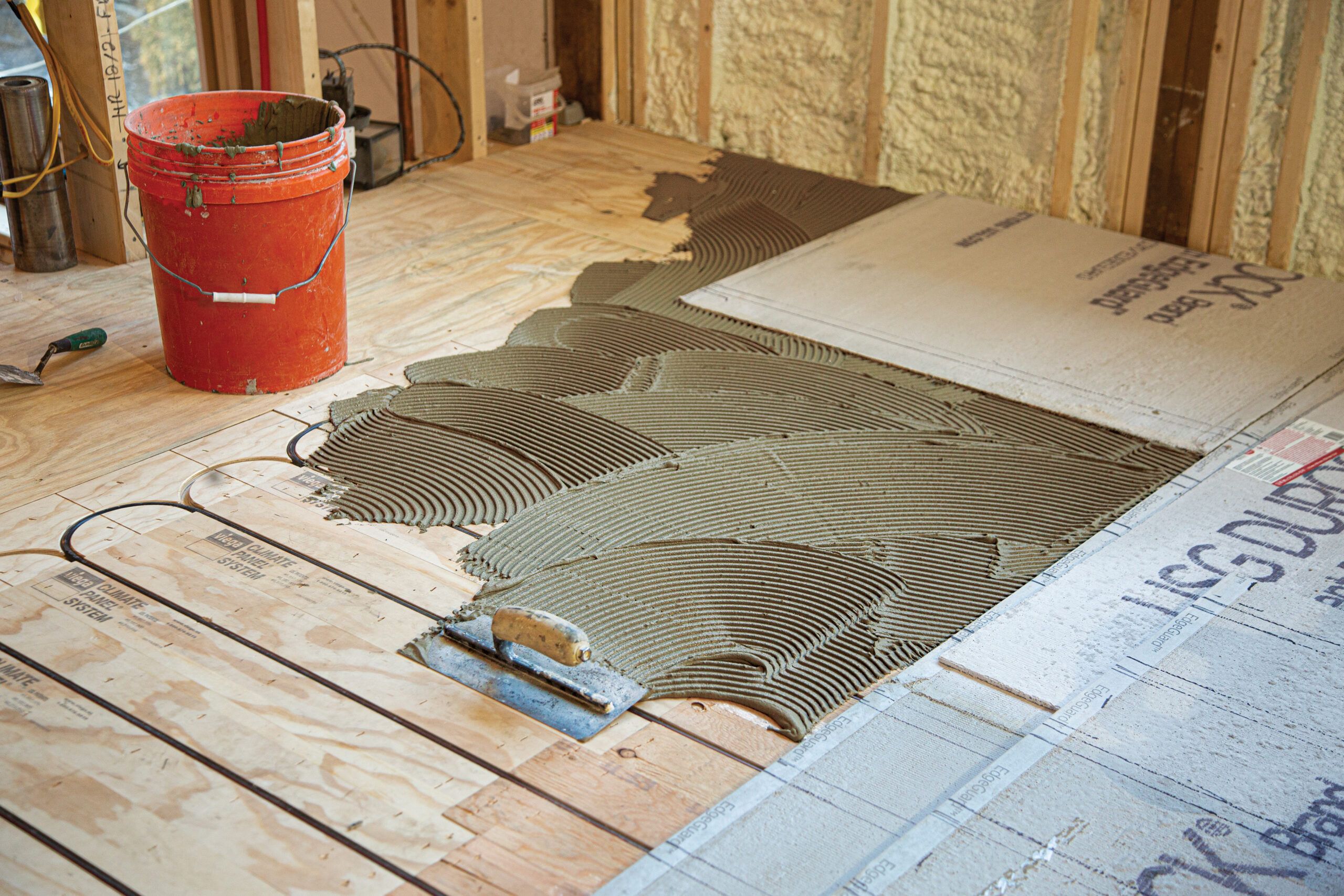
- Subfloor Preparation: Ensure the subfloor is level, clean, and dry. It may need to be insulated to improve the efficiency of the radiant heat system.
- Radiant Heat System Installation: Install the hydronic tubing or electric cables/mats according to the manufacturer's instructions. For hydronic systems, this often involves embedding the tubing in a layer of concrete or lightweight concrete.
- Testing the System: Before installing the flooring, test the radiant heat system to ensure it's working correctly and that there are no leaks (for hydronic systems).
- Acclimation: Acclimate the wood flooring to the environment for several days, following the manufacturer's recommendations.
- Flooring Installation: Install the wood flooring using the appropriate method (floating or gluing down), leaving expansion gaps around the perimeter of the room.
- Finishing (if applicable): Apply the finish to the wood floor, if needed.
- System Activation: Gradually increase the temperature of the radiant heat system over several days to avoid shocking the wood flooring.
Important Installation Tips
- Use a Moisture Meter: Measure the moisture content of both the subfloor and the wood flooring before installation. The moisture content should be within the recommended range.
- Install a Vapor Barrier: A vapor barrier can help prevent moisture from rising from the subfloor and affecting the wood flooring.
- Follow Expansion Gap Guidelines: Leave adequate expansion gaps around the perimeter of the room and around any fixed objects. The size of the expansion gap will depend on the type of wood flooring and the expected temperature fluctuations.
- Use a Flexible Adhesive (for glue-down installations): If gluing down the flooring, use a flexible adhesive specifically designed for use with radiant heat.
- Consult with Professionals: Don't hesitate to consult with experienced professionals at every stage of the process, from system selection to installation.
Maintaining Wood Floors with Radiant Heat
Maintaining wood floors with radiant heat requires a slightly different approach than maintaining wood floors in a traditionally heated home. The key is to control the temperature and humidity levels to minimize the risk of expansion and contraction.
Key Maintenance Tips
- Control Temperature Fluctuations: Avoid drastic temperature changes. Set the thermostat to a consistent temperature and avoid turning the system off completely for extended periods of time.
- Maintain Proper Humidity Levels: Use a humidifier or dehumidifier to maintain a consistent humidity level in your home, ideally between 30% and 50%.
- Use a Humidistat: A humidistat is a device that measures humidity and can automatically turn a humidifier or dehumidifier on or off to maintain the desired humidity level.
- Avoid Rugs (especially in the beginning): Rugs can trap heat and create hot spots, which can lead to uneven expansion and contraction. If you must use rugs, choose thin, breathable rugs.
- Regular Cleaning: Clean your wood floors regularly with a damp mop and a cleaner specifically designed for wood floors. Avoid using excessive water, as this can damage the wood.
- Monitor for Gaps: Periodically inspect your wood floors for gaps or cracks. Small gaps are normal, but large or excessive gaps may indicate a problem.
- Consider a Professional Inspection: Have your flooring professionally inspected every few years to identify any potential issues early on.
Troubleshooting Common Issues
Even with proper installation and maintenance, some issues may arise with wood floors and radiant heat systems. Here are some common problems and their potential solutions:
- Gapping: Gapping is the most common issue. Small gaps are normal, especially during the heating season. However, large or excessive gaps may indicate that the humidity levels are too low. Increase the humidity levels in your home.
- Cupping: Cupping occurs when the edges of the wood planks are higher than the center. This is often caused by excessive moisture. Reduce the moisture levels in your home and address any sources of moisture.
- Warping: Warping is a more severe form of distortion. It can be caused by excessive moisture or extreme temperature fluctuations. Address the underlying cause and consider replacing the affected planks.
- Uneven Heating: If some areas of the floor are warmer than others, there may be an issue with the radiant heat system. Check the thermostat settings and consult with a HVAC professional.
- Noisy System: Gurgling or popping sounds can indicate air in the hydronic system. Have a professional bleed the system to remove the air.
Conclusion
Radiant heat systems offer a wonderful combination of comfort and efficiency. While using them with wood floors requires careful consideration, the result can be a beautiful and comfortable living space. By understanding the compatibility of different wood flooring options, following proper installation guidelines, and implementing appropriate maintenance practices, you can enjoy the warmth and beauty of wood floors with radiant heat for many years to come. Remember to consult with qualified professionals throughout the process to ensure a successful installation and long-lasting performance.
.jpg)