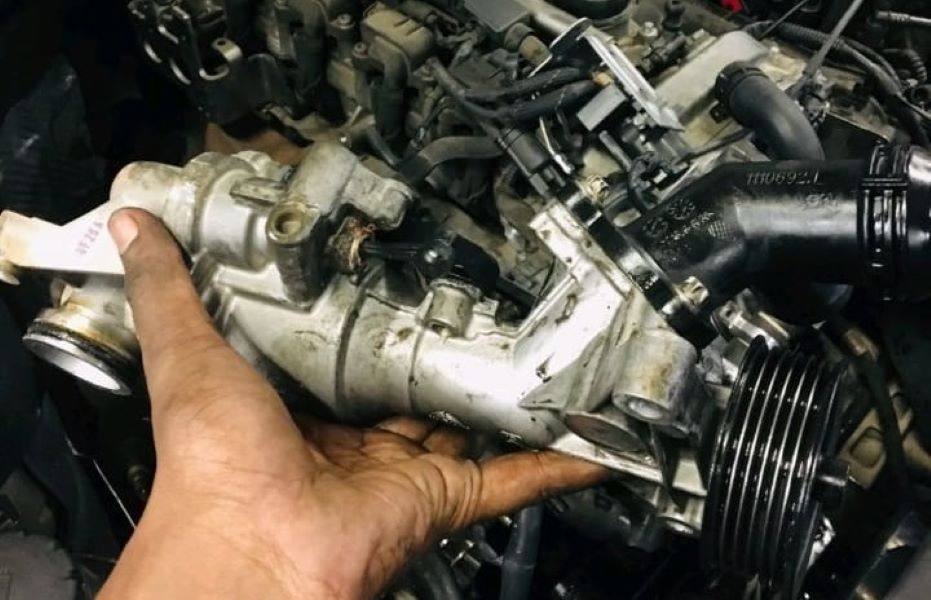
Radiator Fluid Leaking From Back Of Engine

Understanding Radiator Fluid Leaks from the Back of Your Engine: A Homeowner's Guide
Discovering a puddle of brightly colored fluid under your car is never a good sign, especially when it's originating from the back of your engine. That fluid is likely coolant, also known as antifreeze or radiator fluid, and a leak demands immediate attention to prevent severe engine damage. This article will guide you through the potential causes, troubleshooting steps, and repair options for radiator fluid leaks emanating from the rear of your engine.
Identifying the Culprit: Common Causes of Radiator Fluid Leaks
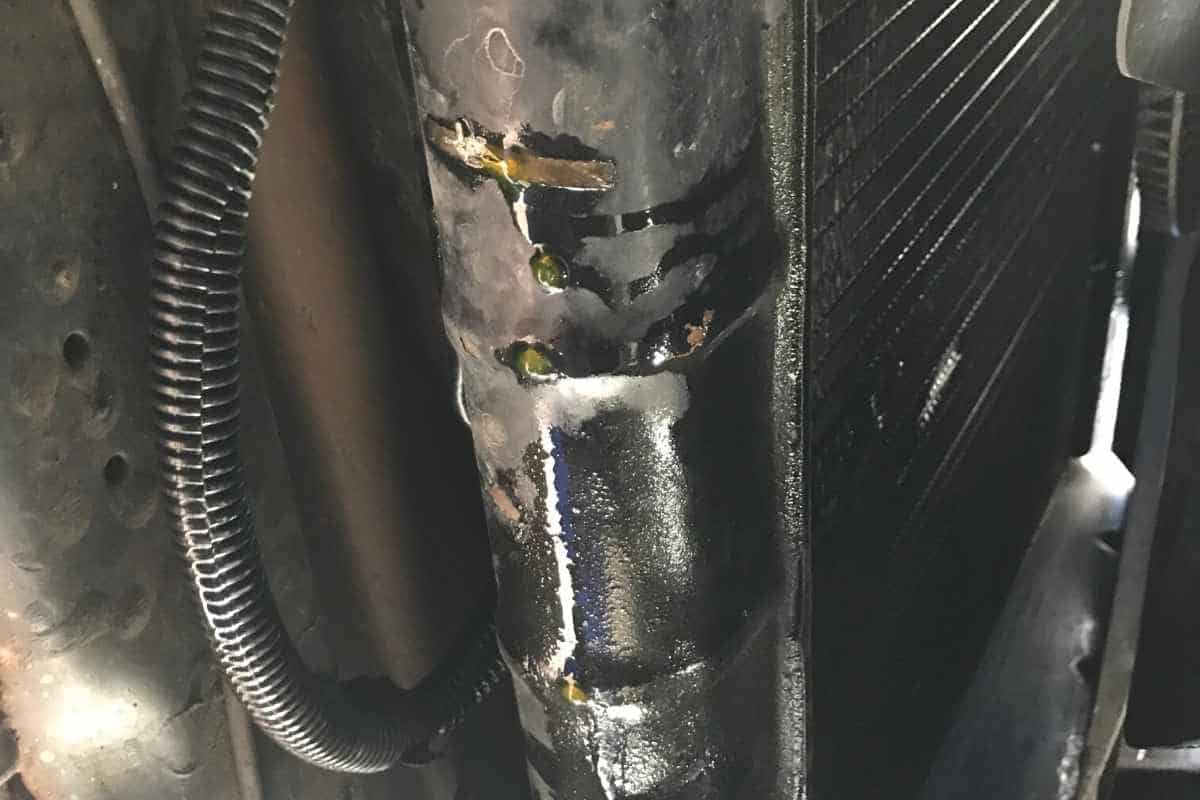
Pinpointing the exact source of a radiator fluid leak requires careful observation. While some leaks are obvious, others can be deceptive due to the fluid running down the engine and appearing to originate from a different location. When the leak is visibly from the back of the engine, consider these common suspects:
- Freeze Plugs: Also known as core plugs or welch plugs, these small metal discs are pressed into the engine block during manufacturing to seal casting holes. Over time, corrosion can weaken these plugs, leading to leaks. Leaks from freeze plugs are more common in older vehicles or those operating in climates with extreme temperature fluctuations.
- Head Gasket: A blown or leaking head gasket is a serious issue. The head gasket seals the engine block to the cylinder head, preventing coolant and oil from mixing and maintaining proper compression. A leak at the back of the engine often indicates a compromised head gasket, especially if accompanied by other symptoms like white smoke from the exhaust, overheating, or milky oil.
- Heater Hoses and Connections: Heater hoses carry coolant from the engine to the heater core, which provides heat for the cabin. These hoses and their connections at the rear of the engine can crack, become brittle, or loosen over time, resulting in leaks. Check the hose clamps for tightness and the hoses themselves for signs of wear.
- Water Pump: While water pumps are typically located at the front of the engine, coolant can sometimes migrate towards the back before dripping. Look for signs of leakage around the water pump pulley or weep hole.
- Intake Manifold Gasket: Some engines have coolant passages that run through the intake manifold. If the intake manifold gasket fails, it can cause coolant to leak at the rear of the engine where the manifold meets the cylinder head.
Troubleshooting the Leak: A Step-by-Step Approach
Before seeking professional help, try these troubleshooting steps to narrow down the source of the leak:
- Safety First: Ensure the engine is cool before attempting any inspection. Hot coolant can cause severe burns.
- Visual Inspection: Thoroughly examine the back of the engine, paying close attention to the areas mentioned above. Use a flashlight to illuminate hard-to-reach spots. Look for signs of fresh coolant, stains, or corrosion.
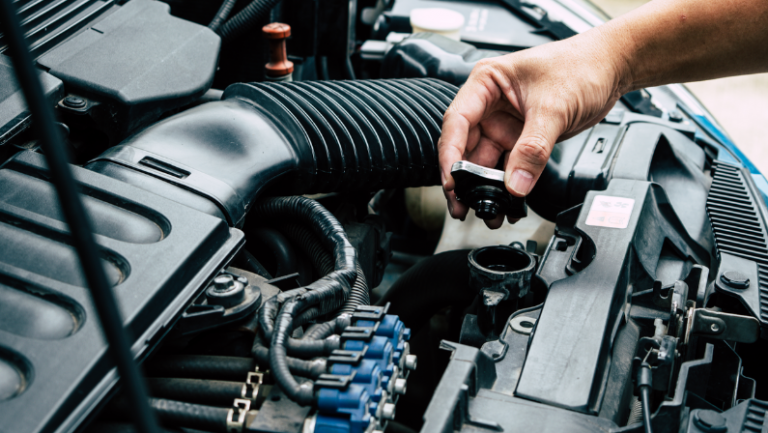
- Pressure Test: A cooling system pressure tester can help identify leaks that are not immediately apparent. Attach the tester to the radiator cap opening and pump it up to the specified pressure (usually around 15-20 psi). Watch for pressure drops, which indicate a leak.
- Dye Test: Adding UV dye to the coolant and using a UV light can make leaks easier to spot. The dye will fluoresce under the UV light, highlighting the source of the leak.
- Check Coolant Level: Monitor the coolant level in the radiator and overflow reservoir regularly. A significant drop in coolant level indicates a leak.
Repair Options and Costs
The repair required will depend on the cause of the leak. Here’s a breakdown of common repair options and their associated costs:
- Freeze Plug Replacement: Replacing freeze plugs can be a challenging task, especially those located in difficult-to-reach areas. The cost can range from $100 to $500 per plug, depending on the location and complexity of the job.
- Head Gasket Replacement: Replacing a head gasket is a major repair that requires removing the cylinder head. The cost can range from $1,000 to $3,000, depending on the vehicle and the extent of the damage.
- Heater Hose Replacement: Replacing a heater hose is a relatively simple and inexpensive repair. The cost typically ranges from $50 to $200, including parts and labor.
- Water Pump Replacement: Replacing a water pump can range from $200 to $600, depending on the vehicle and the complexity of the job.
- Intake Manifold Gasket Replacement: Replacing an intake manifold gasket can range from $300 to $800, depending on the vehicle and the complexity of the job.
Preventive Maintenance: Keeping Your Cooling System in Top Shape
Preventing radiator fluid leaks is crucial to maintaining your engine's health and avoiding costly repairs. Here are some preventive maintenance tips:
- Regular Coolant Flushes: Flush the cooling system according to the manufacturer's recommendations. This removes contaminants and prevents corrosion.
- Inspect Hoses and Clamps: Regularly inspect hoses and clamps for signs of wear, cracks, or leaks. Replace them as needed.
- Use the Correct Coolant: Use the coolant specified by the vehicle manufacturer. Mixing different types of coolant can cause corrosion and damage.
- Pressure Test Regularly: Have the cooling system pressure tested periodically to identify potential leaks early on.
When to Call a Professional
While some minor leaks can be addressed with DIY repairs, it's essential to seek professional help in the following situations:
- Large or Rapid Leaks: If you are losing a significant amount of coolant quickly, it's best to have a professional diagnose and repair the issue.
- Head Gasket Suspected: If you suspect a head gasket leak, it's crucial to have a professional confirm the diagnosis and perform the necessary repairs.
- Complex Repairs: Repairs like freeze plug or water pump replacement can be challenging and require specialized tools.
- Uncertainty: If you are unsure about the source of the leak or how to repair it, it's always best to consult a qualified mechanic.
Coolant Types: Choosing the Right Antifreeze
Selecting the correct type of coolant is vital for your vehicle's cooling system. Different coolants are formulated for different engine types and materials. Using the wrong coolant can lead to corrosion and damage. Here's a brief overview of common coolant types:
- IAT (Inorganic Additive Technology): Typically green, IAT coolant is an older formula commonly used in older vehicles. It needs to be replaced every 2 years or 24,000 miles.
- OAT (Organic Acid Technology): Typically orange, red, or pink, OAT coolant is a longer-lasting formula commonly used in newer vehicles. It needs to be replaced every 5 years or 150,000 miles.
- HOAT (Hybrid Organic Acid Technology): Typically yellow, HOAT coolant is a hybrid formula that combines the benefits of IAT and OAT coolants. It needs to be replaced every 5 years or 150,000 miles.
Always consult your vehicle's owner's manual to determine the correct type of coolant to use.
The Bottom Line: Addressing Radiator Fluid Leaks Promptly
A radiator fluid leak from the back of your engine can be a serious issue that requires prompt attention. By understanding the potential causes, troubleshooting steps, and repair options, you can make informed decisions about how to address the problem and protect your engine from damage. Regular maintenance and timely repairs will help keep your cooling system in top shape and ensure the longevity of your vehicle.
HVAC Analogy: Protecting Your Investment
Just as you invest in regular maintenance for your HVAC system to prevent costly breakdowns and ensure optimal performance (considering factors like AFUE, SEER, and HSPF ratings for efficiency), maintaining your vehicle's cooling system is crucial for its longevity and reliability. Ignoring a coolant leak is akin to neglecting a faulty component in your HVAC system – it can lead to more significant problems down the line. A proactive approach to cooling system maintenance, including regular coolant flushes and hose inspections, can save you money and hassle in the long run. Consider the cost of a new AC unit versus a simple coil cleaning, similarly, a small hose replacement can prevent a costly engine overhaul.



.jpg)