Reasons Why Car Air Conditioner Not Cooling

Just like that frustrating moment when your home air conditioner sputters and wheezes instead of blasting refreshing cool air, finding your car's AC blowing warm air on a sweltering day is equally disheartening. It's a common problem, but thankfully, many causes are simple to diagnose and even fix yourself. Before rushing to the mechanic, let's explore some troubleshooting steps to get your car's AC back on track.
Step 1: Preliminary Checks – The Obvious First
Before diving into more complex diagnostics, start with the basics. Sometimes the solution is surprisingly simple.
1.1. Check the AC Button and Settings
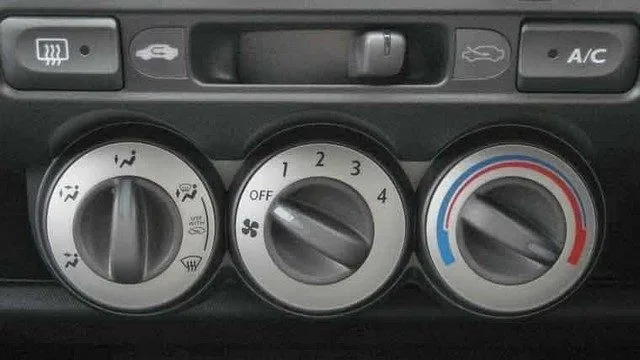
This might sound silly, but double-check that the AC button is actually engaged! Make sure the snowflake symbol is lit up on your dashboard. Verify that the fan speed is turned up to at least a medium setting. Also, ensure that the air recirculation mode isn't activated. Recirculating warm cabin air will hinder the cooling process. Turn off recirculation and allow the system to draw in fresh air from outside.
1.2. Listen for the Compressor
With the engine running and the AC turned on, listen carefully near the engine compartment. You should hear a distinct clicking sound as the AC compressor engages. The compressor is the heart of the AC system, and if it's not turning on, the system won't cool. If you don't hear the click, it indicates a potential problem with the compressor itself or the electrical circuit controlling it.
1.3. Check the Belts
The AC compressor is driven by a belt, usually the serpentine belt. Open the hood and visually inspect the belt. Is it intact, or is it cracked, frayed, or missing altogether? A damaged or missing belt will prevent the compressor from operating. If the belt is loose, it might be slipping, causing insufficient cooling. Note the belt routing before attempting any replacement.
Step 2: Diagnosing Common Issues – Getting Your Hands Dirty
If the preliminary checks don't reveal the problem, it's time to investigate some of the more common culprits.
2.1. Refrigerant Level – The Lifeblood of Your AC
Low refrigerant is the most frequent cause of a weak or non-functioning AC system. The refrigerant absorbs heat from the cabin air and releases it outside. If the level is low, the system can't effectively cool.
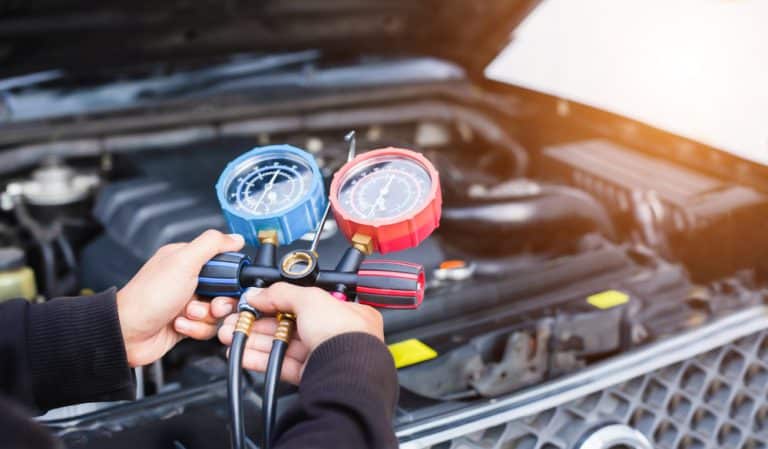
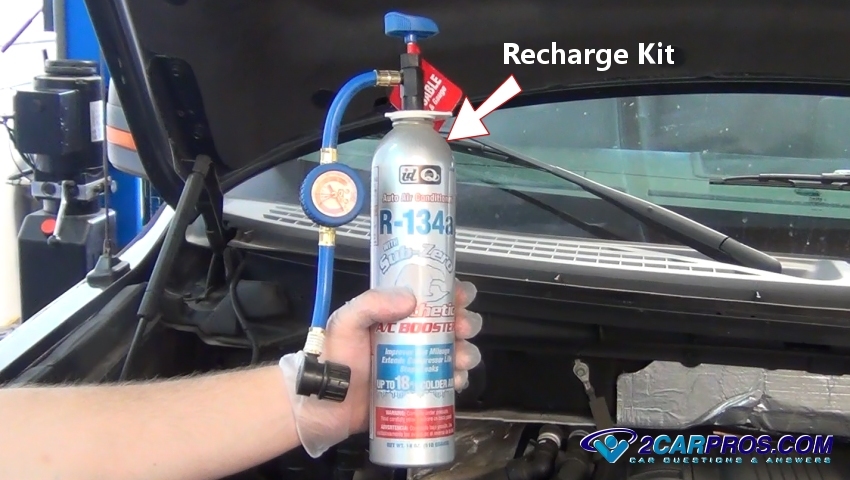
How to check (with caution!): Many auto parts stores sell AC recharge kits with a gauge. These kits are designed for DIY use, but always wear safety glasses and gloves when working with refrigerant. Follow the kit's instructions carefully. Typically, you'll attach the gauge to the low-pressure port (usually marked with a "L" or colored blue). The gauge will indicate the refrigerant pressure. Compare the reading to the recommended pressure range, often found on a sticker under the hood or in the owner's manual. Do not overcharge the system! Overcharging can damage the compressor and other components.
Important Safety Note: Refrigerant can cause frostbite and is harmful if inhaled. Work in a well-ventilated area. If you're uncomfortable working with refrigerant, take your car to a professional.
2.2. Condenser Issues – Heat Exchange Problems
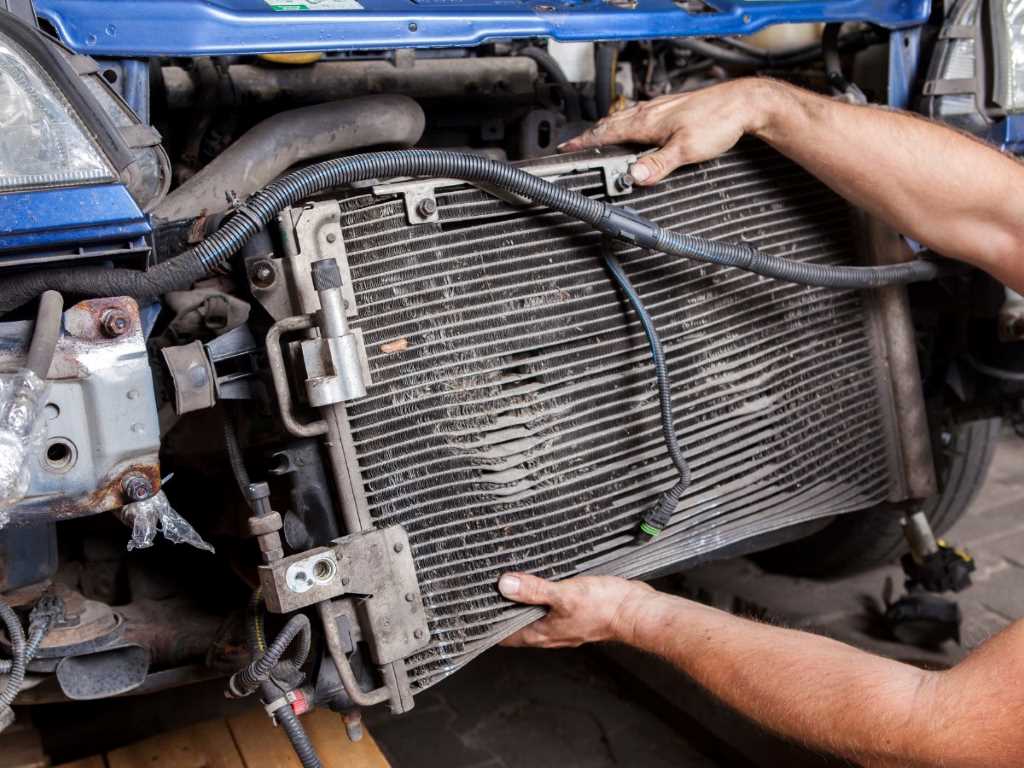
The condenser is a radiator-like component located in front of the engine radiator. Its job is to dissipate heat from the refrigerant. If the condenser is blocked or damaged, it can't effectively cool the refrigerant, leading to poor AC performance.
Check for obstructions: Visually inspect the condenser for leaves, bugs, or other debris blocking airflow. Use a garden hose to gently rinse the condenser fins, being careful not to bend them. Straighten any bent fins with a fin comb, available at auto parts stores.
Check for damage: Look for signs of physical damage to the condenser, such as dents or leaks. Damage can significantly reduce its efficiency. If the condenser is severely damaged, it will likely need to be replaced by a professional.
2.3. Faulty Compressor Clutch – The Engagement Mechanism
The compressor clutch engages and disengages the compressor from the engine. A faulty clutch can prevent the compressor from turning on, even if the refrigerant level is adequate.
Visual inspection: With the engine running and the AC on, watch the compressor clutch. It's the round plate on the front of the compressor. It should be spinning along with the pulley. If the pulley is spinning, but the clutch is not engaging (spinning with the pulley), the clutch is likely faulty.
Clutch gap: Sometimes, the gap between the clutch plate and the pulley becomes too large, preventing engagement. You can try adjusting the gap using shims, but this requires specialized tools and knowledge. It's generally best to have a professional diagnose and repair a faulty compressor clutch.
2.4. Clogged Cabin Air Filter – Restricting Airflow
The cabin air filter filters the air entering the cabin through the vents. A clogged filter restricts airflow, reducing the efficiency of the AC system and causing it to blow warm air.
Location and replacement: The cabin air filter is usually located behind the glove box or under the dashboard. Consult your owner's manual for its exact location. Replacing the filter is a simple DIY task. Remove the old filter and install a new one, ensuring it's oriented correctly. Replacing a dirty cabin air filter can significantly improve AC performance and air quality inside the car.
Step 3: More Advanced Issues – Time for a Professional
If you've checked the common issues and your AC is still not cooling properly, the problem might be more complex and require professional diagnosis and repair. These issues often involve specialized tools and knowledge of automotive AC systems.
3.1. Leaks in the System – A Serious Concern
If you've added refrigerant and the AC stopped cooling again after a short period, you likely have a leak in the system. Leaks can occur in various locations, including the hoses, evaporator, condenser, and compressor. Finding and repairing leaks requires specialized equipment, such as a refrigerant leak detector.
3.2. Compressor Failure – The Heart Stops Beating
If the compressor is not engaging or making unusual noises (grinding, squealing), it might be failing internally. Compressor replacement is a complex and expensive repair that should be performed by a qualified mechanic.
3.3. Electrical Problems – Wiring and Sensors
Problems with the electrical circuits controlling the AC system can also cause cooling issues. This includes faulty wiring, relays, fuses, and sensors. Diagnosing electrical problems requires a multimeter and knowledge of automotive electrical systems. A mechanic can use a scan tool to read diagnostic trouble codes and pinpoint the source of the problem.
3.4. Expansion Valve Issues – Regulating Refrigerant Flow
The expansion valve controls the flow of refrigerant into the evaporator. A malfunctioning expansion valve can restrict refrigerant flow or cause excessive pressure, leading to poor cooling. Diagnosing and replacing the expansion valve requires specialized tools and knowledge of AC system operation.
3.5. Evaporator Problems – Internal Blockage or Leak
The evaporator is located inside the dashboard and is responsible for cooling the air that enters the cabin. If the evaporator is blocked or leaking, it can cause poor AC performance. Accessing the evaporator requires removing the dashboard, a complex and time-consuming task best left to a professional.
Step 4: When to Seek Professional Help – Don't Go It Alone
While some AC issues are easily addressed with DIY methods, others require the expertise of a qualified mechanic. It's time to seek professional help if:
- You're uncomfortable working with refrigerant or automotive systems.
- You suspect a refrigerant leak.
- The compressor is making unusual noises.
- You suspect an electrical problem.
- You've tried the simple fixes and the AC is still not cooling.
- You lack the necessary tools or knowledge to perform a repair.
Trying to fix complex AC problems without the proper tools and knowledge can lead to further damage and potentially dangerous situations. A qualified mechanic has the training, experience, and equipment to diagnose and repair AC problems safely and effectively.
Preventative Maintenance – Keeping Cool Long-Term
Regular preventative maintenance can help keep your car's AC system running smoothly and prevent costly repairs. Consider these tips:
- Have the AC system inspected annually by a qualified mechanic.
- Replace the cabin air filter regularly, as recommended in your owner's manual.
- Run the AC for a few minutes each month, even during the winter, to keep the system lubricated.
- Keep the condenser clean and free of debris.
- Address any unusual noises or performance issues promptly.
By following these troubleshooting steps and preventative maintenance tips, you can keep your car's AC system running cool and comfortable for years to come. Remember, safety is paramount, and don't hesitate to seek professional help when needed. Happy driving!