Rec Tec Temperature Problems

Imagine this: You're planning a weekend BBQ, meticulously preparing your favorite brisket. You fire up your Rec Tec pellet grill, set the temperature, and eagerly anticipate a delicious, smoky feast. But then, the temperature starts fluctuating wildly, or worse, it refuses to heat up at all. Don't panic! Temperature problems are a common frustration with pellet grills, but many can be resolved with a little troubleshooting.
Understanding the Basics: How Your Rec Tec Grill Works
Before diving into troubleshooting, it's helpful to understand the basic components and how they work together. Your Rec Tec pellet grill relies on:
- The Hopper: Stores the wood pellets.
- The Auger: A motorized screw that feeds pellets from the hopper to the fire pot.
- The Fire Pot: Where the pellets are ignited and burned.
- The Igniter (Hot Rod): An electric heating element that ignites the pellets.
- The Fan: Provides airflow to fuel the fire and distribute heat.
- The Temperature Sensor (RTD Probe): Measures the internal temperature of the grill.
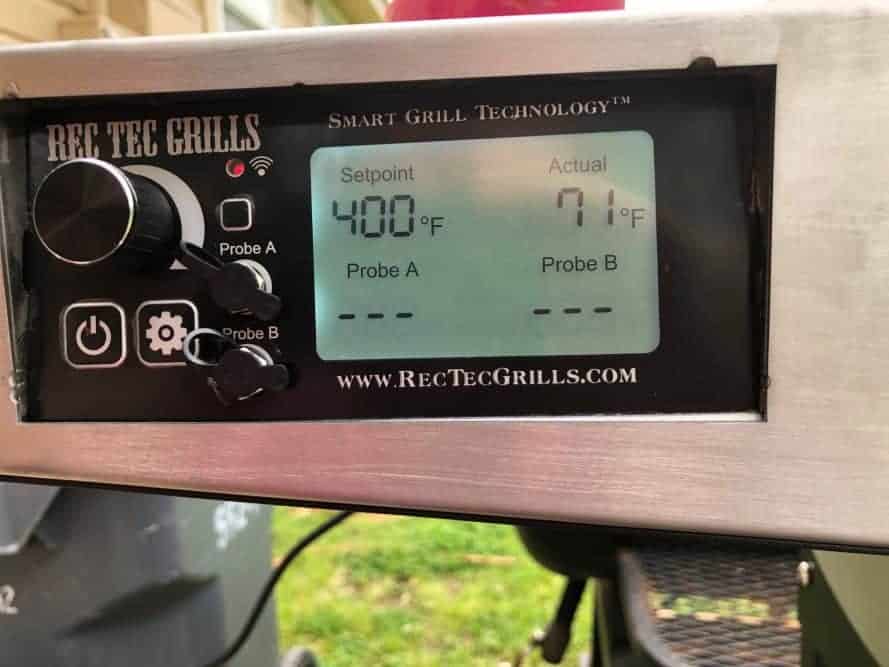
- The Controller: The brain of the operation, regulating the auger and fan based on the temperature sensor readings and your set temperature.
A problem with any of these components can lead to temperature issues. Let's explore some common problems and how to troubleshoot them safely.
Step-by-Step Troubleshooting Guide: Rec Tec Temperature Problems
1. Initial Checks: Power and Basic Settings
Start with the simplest solutions first. You might be surprised how often these are the culprit.
- Check the Power Cord: Is it securely plugged into both the grill and the outlet? A loose connection can interrupt power.
- Verify the Outlet: Plug another appliance into the outlet to ensure it's working. A tripped breaker or a faulty outlet can prevent the grill from heating.
- Inspect the Power Cord for Damage: Look for any cuts, frays, or exposed wires. Never use a damaged power cord. This is a serious safety hazard, and the cord should be replaced by a qualified electrician.
- Review the Controller Settings: Make sure you've set the correct temperature. It sounds obvious, but it's easy to overlook! Also, check if you've accidentally activated a timer or other setting that might be affecting the temperature.
- Clear the Hopper: Make sure the pellet hopper is not empty or clogged.
2. Pellet Quality and Auger Function
The quality of your pellets and the auger's ability to feed them correctly are crucial for consistent temperatures.
- Check Pellet Quality: Are your pellets dry and in good condition? Damp or old pellets don't burn efficiently and can clog the auger. Look for fresh, high-quality pellets specifically designed for pellet grills.
- Empty and Inspect the Hopper: If you suspect bad pellets, empty the hopper completely. Look for any signs of moisture, mold, or excessive dust.
- Prime the Auger: After emptying the hopper, you may need to prime the auger to ensure it's feeding pellets properly. Consult your Rec Tec owner's manual for the specific priming procedure for your model. Typically, this involves running the auger for a set period until pellets begin to drop into the fire pot.
- Listen to the Auger Motor: When you turn on the grill, can you hear the auger motor running? If not, the motor might be faulty. This requires more advanced troubleshooting. Note: Some auger motors only run intermittently.
- Auger Obstruction Check (Unplug the Grill First!): Disconnect the grill from the power source. Carefully remove the access panel to the auger. Manually turn the auger using pliers or a wrench. Does it turn freely, or is it blocked? If it's blocked, use a stiff wire or a small brush to clear any obstructions. Be careful not to damage the auger flights.
3. Inspecting the Fire Pot and Igniter
The fire pot is where the magic happens. A dirty or malfunctioning fire pot can significantly impact temperature control.
- Clean the Fire Pot: Regularly clean the fire pot to remove ash and debris. A buildup of ash can smother the fire and prevent proper ignition. Use a vacuum cleaner or a brush to thoroughly clean the fire pot after each use.
- Inspect the Igniter (Hot Rod): With the grill unplugged, carefully examine the igniter (hot rod). It's usually a small, metal rod located near the bottom of the fire pot. Look for any signs of damage, such as cracks, breaks, or corrosion.
- Igniter Test (Proceed with Caution!): This step involves electricity and should only be attempted if you are comfortable working with electrical components. If not, contact a qualified technician. With the grill unplugged, use a multimeter to test the igniter for continuity. A lack of continuity indicates a faulty igniter that needs to be replaced. Warning: Never touch the igniter while the grill is plugged in and powered on. It gets extremely hot!
- Observe the Igniter During Startup: If you're comfortable and have the necessary safety precautions in place, carefully observe the igniter during the startup process (with the grill plugged in, but standing a safe distance away). It should glow orange or red within a few minutes. If it doesn't glow, it's likely faulty and needs to be replaced. Again, exercise extreme caution when working with electricity.
4. Fan Function and Airflow
Proper airflow is essential for maintaining a consistent temperature. The fan ensures that the fire receives enough oxygen and that heat is distributed evenly throughout the grill.
- Check the Fan Operation: When you turn on the grill, can you hear the fan running? If not, the fan motor might be faulty.
- Inspect the Fan Blades: Ensure that the fan blades are clean and free of obstructions. Debris buildup can reduce the fan's efficiency.
- Ventilation: Make sure the grill's vents are not blocked by food, grease, or other debris. Proper ventilation is crucial for maintaining consistent temperatures.
5. Temperature Sensor (RTD Probe) Issues
The temperature sensor is responsible for providing feedback to the controller. A faulty sensor can lead to inaccurate temperature readings and poor temperature control.
- Inspect the Temperature Sensor: Carefully examine the temperature sensor (RTD probe). It's usually located inside the grill, attached to a wall or the lid. Look for any signs of damage, such as cracks, breaks, or corrosion.
- Clean the Temperature Sensor: Gently clean the temperature sensor with a soft cloth to remove any grease or buildup.
- Temperature Sensor Test (Advanced): You can test the temperature sensor using a multimeter and comparing the resistance reading to a known temperature chart. This is a more advanced troubleshooting step that requires technical knowledge. Consult your Rec Tec owner's manual or online resources for specific instructions and resistance values.
- Sensor Placement: Ensure the sensor is properly positioned and not touching any metal parts of the grill. Contact with metal can affect the accuracy of the readings.
6. Controller Malfunctions
The controller is the brain of your Rec Tec grill. If none of the above steps resolve the temperature issues, the controller might be faulty.
- Check for Error Codes: The controller might display error codes that can help diagnose the problem. Consult your Rec Tec owner's manual for a list of error codes and their meanings.
- Reset the Controller: Try resetting the controller by unplugging the grill for a few minutes and then plugging it back in. This can sometimes resolve minor software glitches.
- Software Updates: Check if there are any software updates available for your controller. Updating the software can sometimes fix bugs that are causing temperature problems. Refer to the Rec Tec website or owner's manual for instructions on how to update the controller.
- Contact Rec Tec Support: If you suspect a controller malfunction, it's best to contact Rec Tec support for assistance. Replacing the controller typically requires professional assistance.
When to Call a Professional
While many temperature problems can be resolved with DIY troubleshooting, some situations require the expertise of a qualified technician. Always prioritize safety.
- Electrical Issues: If you're uncomfortable working with electricity, do not attempt to diagnose or repair electrical components. Contact a qualified electrician.
- Gas Leaks: If you smell gas, immediately turn off the gas supply and contact your gas company or a qualified gas technician.
- Complex Part Replacements: Replacing the controller, auger motor, or other complex parts often requires specialized tools and knowledge. It's best to leave these repairs to a professional.
- Persistent Problems: If you've tried all the troubleshooting steps and the temperature problems persist, it's time to call a professional. They have the expertise to diagnose and repair more complex issues.
Preventive Maintenance: Keeping Your Rec Tec Grill in Top Shape
Regular maintenance is key to preventing temperature problems and extending the life of your Rec Tec grill.
- Clean the Grill Regularly: Clean the grill grates, fire pot, and grease tray after each use.
- Empty the Hopper: Empty the hopper and vacuum out any dust or debris every few months.
- Inspect the Components: Regularly inspect the igniter, temperature sensor, fan, and auger for any signs of damage or wear.
- Use High-Quality Pellets: Use only high-quality pellets designed for pellet grills.
- Store Pellets Properly: Store pellets in a dry, airtight container to prevent them from absorbing moisture.
- Cover the Grill: When not in use, cover the grill to protect it from the elements.
By following these troubleshooting steps and practicing regular maintenance, you can keep your Rec Tec pellet grill running smoothly and enjoy delicious, perfectly cooked BBQ for years to come. Remember to always prioritize safety and when in doubt, contact a qualified professional for assistance.