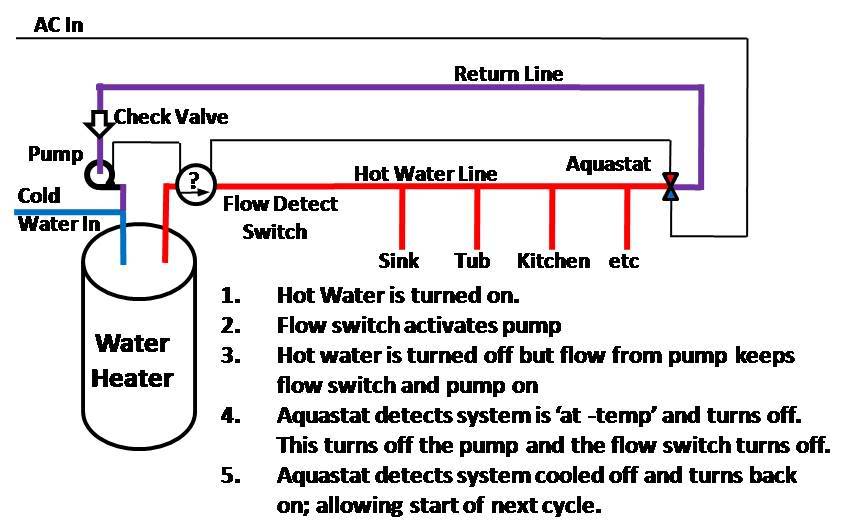
Recirculation Pump For Water Heater Diagram

Understanding Recirculation Pumps for Water Heaters: A Comprehensive Guide
Imagine turning on your shower and instantly feeling warm water. No more waiting, no more wasted water down the drain. This convenience is achievable with a recirculation pump integrated into your water heater system. This article explores the functionality, benefits, installation, and maintenance of these pumps, catering to homeowners, HVAC technicians, and facility managers alike.
What is a Recirculation Pump?
A recirculation pump, also known as a circulator pump, is a device designed to continuously circulate hot water throughout your plumbing system. Unlike traditional systems where water sits stagnant in pipes, cooling down between uses, a recirculation system ensures hot water is always available near your fixtures. This system dramatically reduces the wait time for hot water, conserving water and energy in the process.
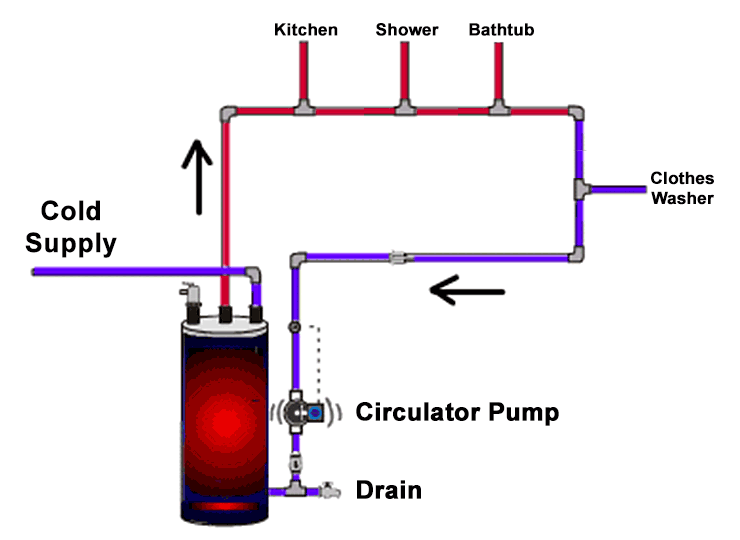
How Does it Work? The Basic Recirculation Pump for Water Heater Diagram
The core principle revolves around creating a closed-loop system. Here's a simplified explanation:
- Hot Water Supply: Hot water is drawn from the water heater's outlet.
- Circulation: The pump propels the hot water through the hot water supply lines, extending to the furthest fixture (e.g., bathroom faucet, shower).
- Return Line: A dedicated return line, or the cold water line in some systems, carries the cooled water back to the water heater.
- Water Heater: The cooler water re-enters the water heater, where it's reheated, restarting the cycle.
Think of it as a miniature plumbing loop constantly circulating hot water. The pump is the engine driving this circulation. A thermostat, often integrated within the pump or installed separately, regulates the pump's operation based on water temperature, preventing overheating and unnecessary energy consumption.
Types of Recirculation Systems
Recirculation systems come in various configurations, each with its advantages and disadvantages:
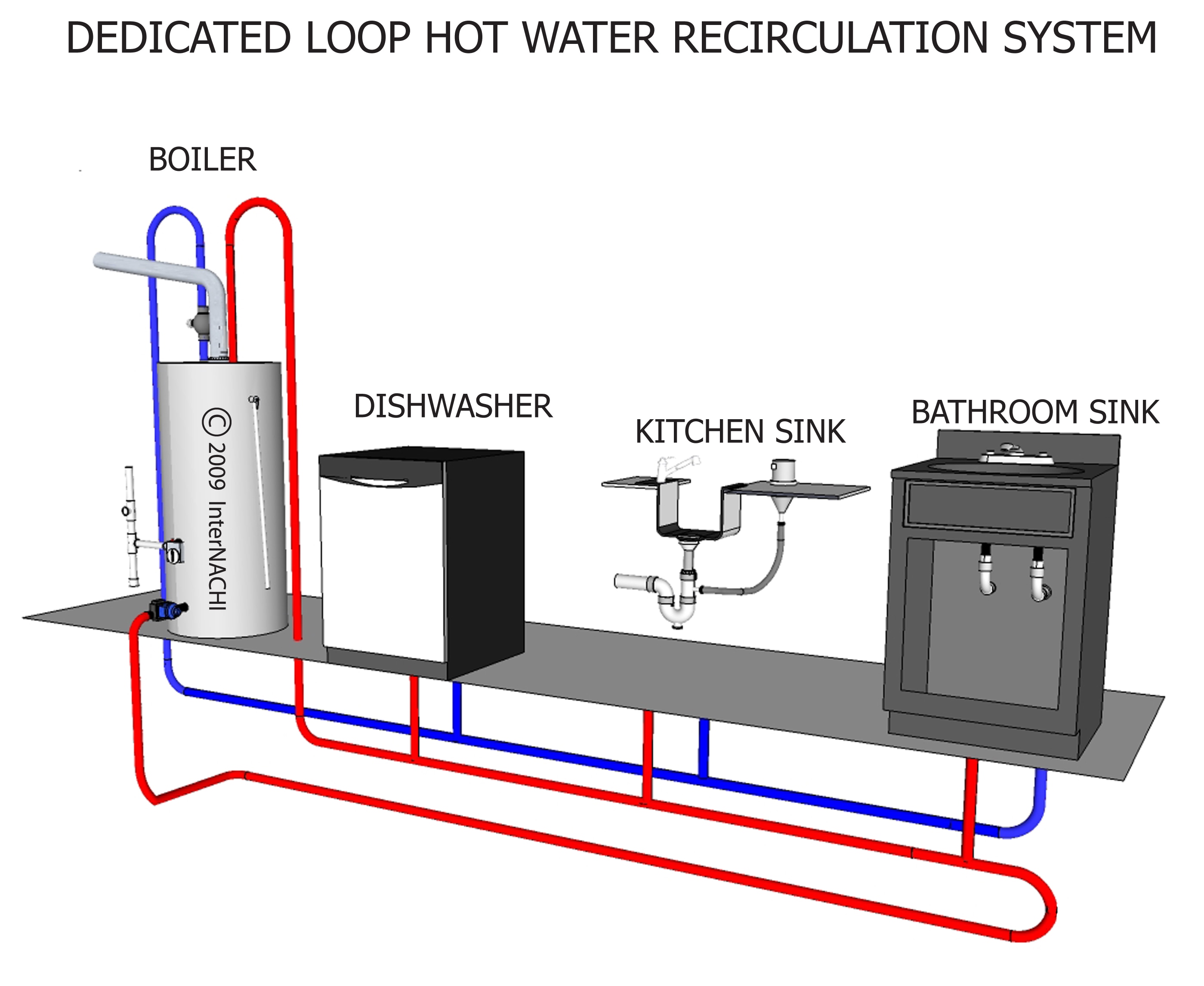
- Dedicated Return Line Systems: These systems feature a separate, dedicated pipe running from the furthest fixture back to the water heater. This is the most efficient and reliable type but requires more extensive plumbing during installation.
- Comfort Systems (Using Cold Water Line): These systems utilize the existing cold water line as the return line. While easier to install (no new pipes), they can temporarily deliver lukewarm water through the cold water taps when the pump is running. This approach is often less efficient than a dedicated return line.
- On-Demand Systems: These systems are activated by a button or motion sensor near the fixture. When triggered, the pump circulates water until hot water reaches the fixture. On-demand systems minimize energy waste by only operating when needed but require more user interaction.
- Timer-Based Systems: Controlled by a timer, the pump runs at pre-set intervals, ensuring hot water availability during peak usage times (e.g., morning showers).
Benefits of Using a Recirculation Pump
The advantages of installing a recirculation pump are numerous:
- Instant Hot Water: Eliminates the wait time for hot water, providing immediate comfort and convenience.
- Water Conservation: Reduces water waste by preventing the need to run the tap while waiting for hot water. This can lead to significant savings on your water bill.
- Energy Efficiency: While the pump itself consumes energy, the reduction in water heating demand (less water wasted) can lead to overall energy savings. Timer-based and on-demand systems maximize this efficiency.
- Increased Comfort: Enjoy warm showers and readily available hot water for various household tasks.
- Environmentally Friendly: Conserving water and energy contributes to a smaller environmental footprint.
Recirculation Pump for Water Heater Diagram: Key Components and Installation Considerations
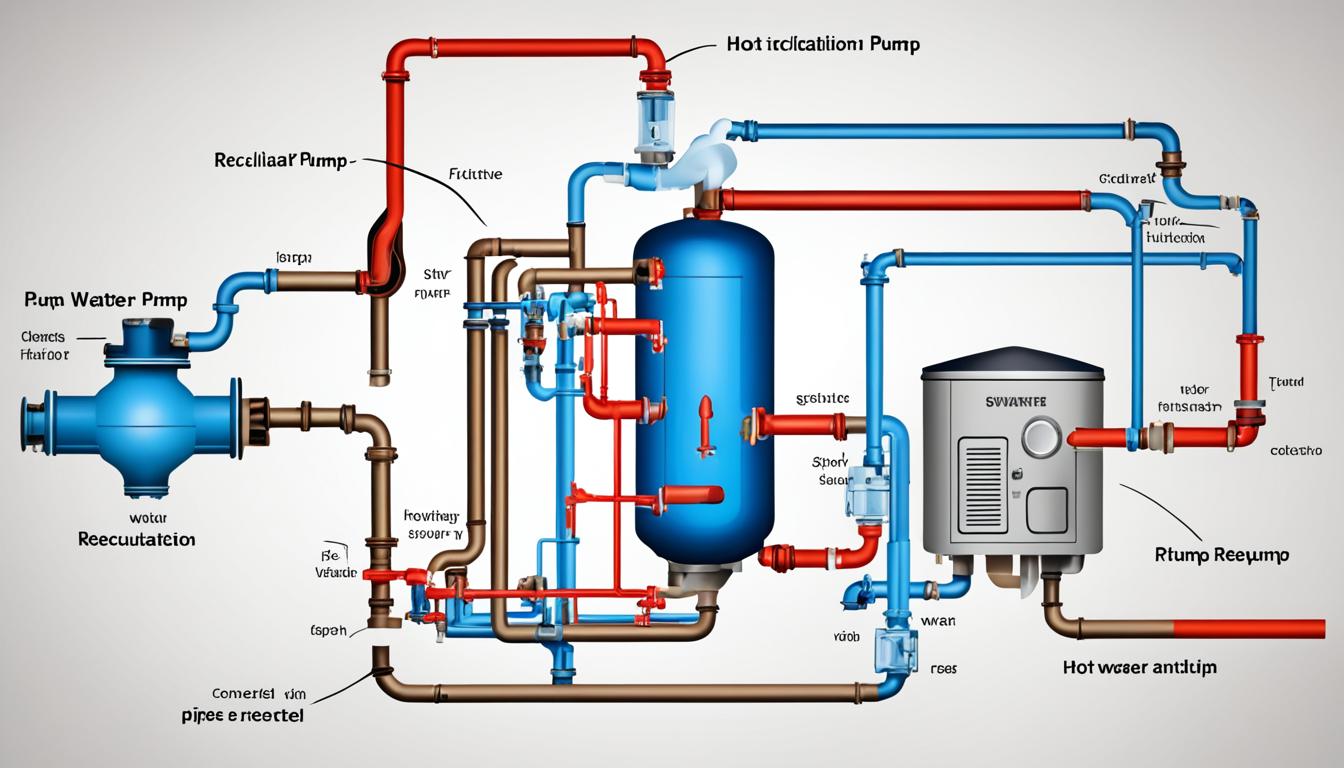
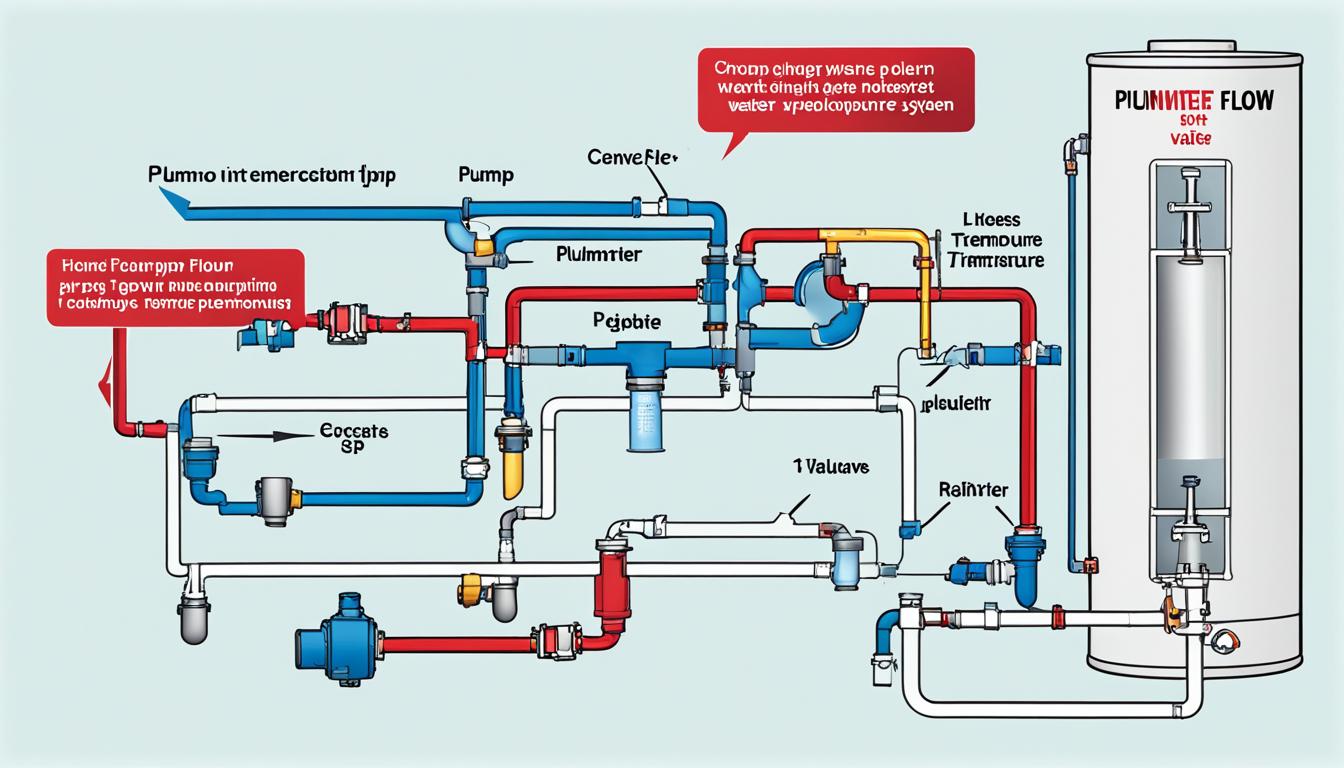
A typical recirculation pump system comprises the following key components:
- Recirculation Pump: The heart of the system, responsible for circulating the water. Look for pumps with variable speed settings for optimal efficiency.
- Check Valve: Prevents backflow of water into the cold water line (essential for comfort systems).
- Temperature Sensor/Thermostat: Monitors water temperature and controls the pump's operation.
- Dedicated Return Line (for dedicated systems): A separate pipe returning cooled water to the water heater.
- Timer/Control System (optional): Allows for scheduled operation or on-demand activation.
- Fittings and Plumbing Connections: Ensure proper connections and leak-free operation.
Installation varies depending on the system type. Dedicated return line systems require more extensive plumbing, potentially involving opening walls and running new pipes. Comfort systems are simpler to install, often connecting to existing plumbing under the sink furthest from the water heater. On-demand systems require electrical wiring for the activation button or sensor.
Important Considerations During Installation:
- Pump Location: Install the pump as close to the water heater as possible to minimize heat loss.
- Pipe Insulation: Insulate all hot water pipes, including the return line, to reduce heat loss and improve efficiency.
- Proper Sizing: Choose a pump with the appropriate flow rate for your plumbing system. An undersized pump won't circulate water effectively, while an oversized pump can waste energy and cause noise.
- Professional Installation: For complex systems, consider hiring a qualified HVAC technician or plumber to ensure proper installation and avoid potential issues.
Cost, Efficiency, and Lifespan
The cost of a recirculation system varies based on the type and complexity of the installation.
- Pump Cost: Pumps range from $100 to $500, depending on features and capacity.
- Installation Cost: Installation costs can range from $200 to $1000 or more, depending on the complexity of the project and whether you hire a professional. Dedicated return line installations are typically the most expensive.
Efficiency is measured in terms of energy consumption and water savings. While the pump consumes electricity, the reduction in water waste can offset this cost. Timer-based and on-demand systems are the most energy-efficient options.
The lifespan of a recirculation pump typically ranges from 5 to 10 years, depending on the quality of the pump and the operating conditions. Regular maintenance, such as cleaning the pump and checking for leaks, can extend its lifespan.
Maintenance and Troubleshooting
Maintaining your recirculation pump is crucial for optimal performance and longevity:
- Regular Inspection: Periodically inspect the pump for leaks, corrosion, and unusual noises.
- Cleaning: Clean the pump impeller and strainer regularly to remove debris that can hinder performance.
- Check Valve Maintenance: Inspect the check valve to ensure it's functioning properly and preventing backflow.
- Professional Servicing: Schedule professional servicing every few years to ensure the system is operating efficiently and to address any potential issues.
Troubleshooting Common Issues:
- Pump Not Working: Check the power supply, circuit breaker, and pump motor.
- No Hot Water: Verify the thermostat setting and check for airlocks in the system.
- Lukewarm Water in Cold Water Line: Adjust the check valve or consider installing a dedicated return line system.
- Noisy Pump: Check for airlocks, loose fittings, or a worn-out pump motor.
Conclusion: Is a Recirculation Pump Right for You?
A recirculation pump can significantly enhance your comfort, conserve water, and potentially save energy. Before investing, consider your specific needs, plumbing system configuration, and budget. For homeowners seeking instant hot water and reduced water waste, a recirculation pump is a worthwhile investment. For HVAC technicians and facility managers, understanding the nuances of different systems and proper installation techniques is essential for providing optimal solutions to clients. By carefully evaluating your options and implementing proper maintenance practices, you can enjoy the benefits of a recirculation pump for years to come.