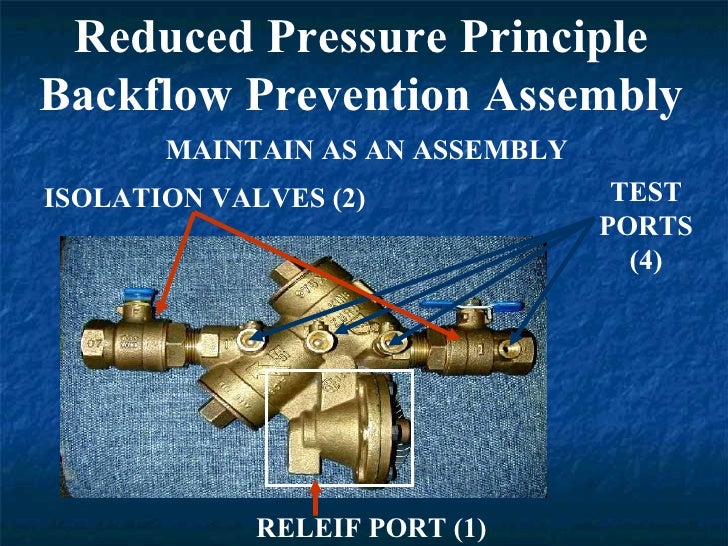
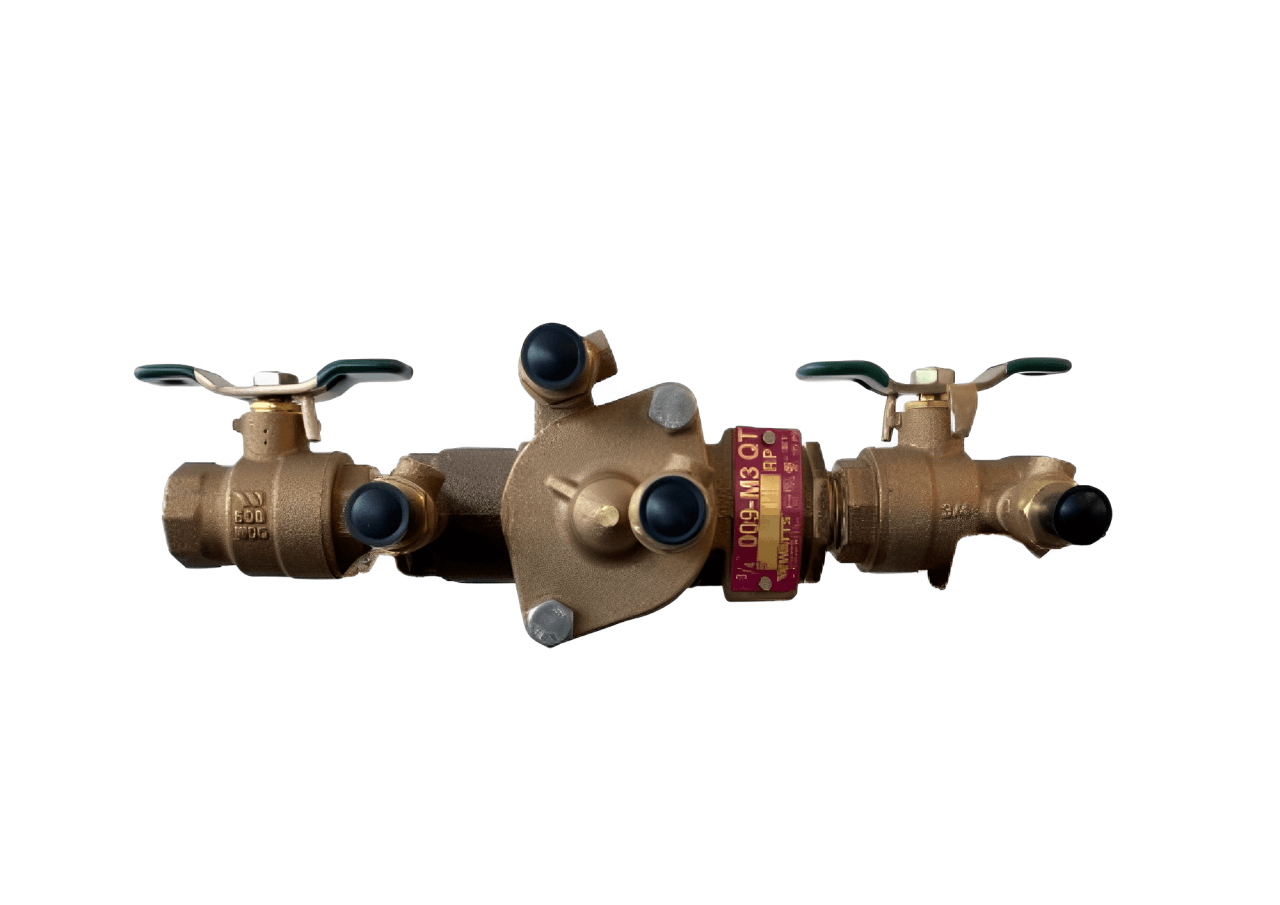
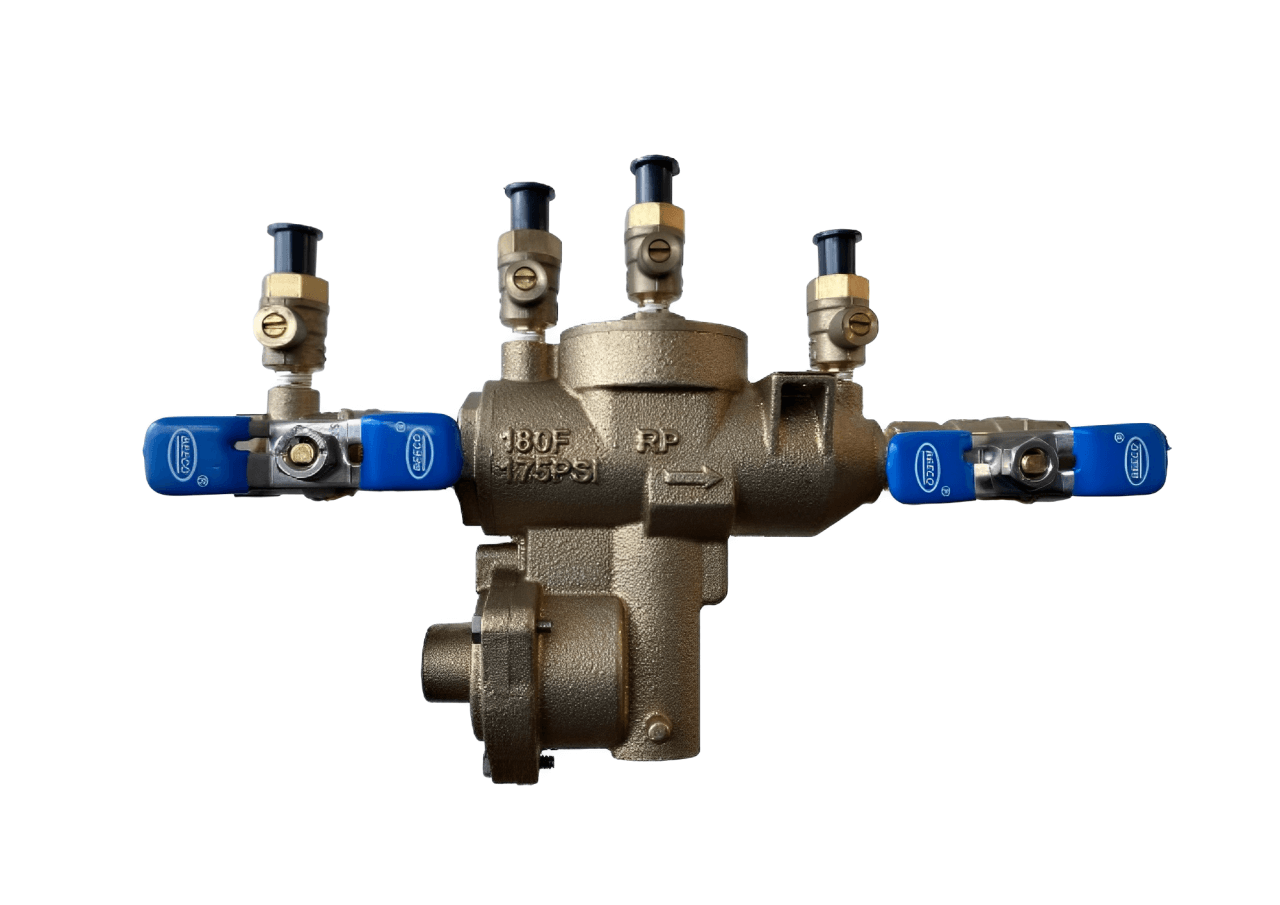
Reduced Pressure Principle Backflow Prevention Assembly

Safeguarding Your Water Supply and Saving Energy: Understanding Reduced Pressure Principle Backflow Prevention Assemblies
In the quest for a more sustainable and cost-effective home or business, we often focus on obvious energy consumers like air conditioners and lighting. However, one critical, often overlooked, component can have a significant impact on both water safety and, indirectly, energy efficiency: the Reduced Pressure Principle (RPP) Backflow Prevention Assembly. This article dives deep into RPP backflow preventers, explaining their function, benefits, and why they're essential for both residential and commercial properties seeking to minimize water waste and maximize efficiency.
What is Backflow and Why Should You Care?
Imagine contaminated water flowing backwards into your potable (drinking) water supply. This is backflow, and it's a serious concern. It occurs when pressure in a non-potable water system (like irrigation, fire suppression, or industrial processes) exceeds the pressure in the potable water system. This can happen due to a drop in municipal water pressure, a burst water main, or even the operation of a high-demand appliance. Backflow can introduce pollutants, contaminants, and even hazardous materials into your drinking water, posing significant health risks.
Enter the RPP Backflow Preventer: The Guardian of Your Water
The RPP assembly is considered the gold standard in backflow prevention. It's a mechanical device designed to prevent backflow under even the most severe conditions. Unlike simpler check valves that only prevent backflow under certain pressures, the RPP assembly provides a higher level of protection by actively reducing pressure and discharging potentially contaminated water.
How it Works:
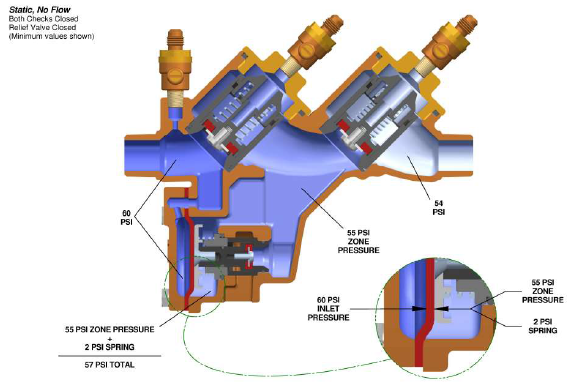
The RPP assembly consists of two independently operating, spring-loaded check valves with a pressure-regulated zone located between them. This zone, maintained at a pressure lower than the supply pressure, is connected to a relief valve. If either check valve fails, or if back pressure exceeds supply pressure, the relief valve opens, discharging water and preventing backflow. Think of it as a fail-safe system with multiple layers of protection.
Benefits of RPP Backflow Preventers: Beyond Water Safety
While primarily installed for safety, RPP backflow preventers offer several benefits that contribute to overall efficiency and cost savings:
- Unparalleled Protection: Offers the highest level of protection against backflow, safeguarding your drinking water. This is particularly crucial for facilities like hospitals, schools, and food processing plants.
- Reduced Water Waste: By preventing backflow, RPP assemblies minimize the risk of contaminated water re-entering the system, reducing the need for costly flushing and cleaning procedures. This is especially important in large irrigation systems, where backflow can lead to significant water loss.
- Compliance with Regulations: Many municipalities and jurisdictions require RPP backflow preventers for specific applications, particularly those involving potential cross-connections between potable and non-potable water systems.
- Long-Term Cost Savings: While the initial investment might be higher than simpler backflow preventers, the superior protection and reduced water waste translate to significant cost savings over the lifespan of the device. Avoiding a single backflow incident can save thousands of dollars in remediation and potential health-related expenses.
RPP vs. Other Backflow Preventers: Making the Right Choice
Several types of backflow preventers exist, each offering varying levels of protection. These include:
- Double Check Valve Assembly (DCVA): Provides a good level of protection but is less robust than an RPP assembly. It's suitable for applications where the risk of backpressure is relatively low.
- Pressure Vacuum Breaker (PVB): Designed to prevent backsiphonage (backflow caused by negative pressure) and is commonly used in irrigation systems. However, it doesn't protect against backpressure.
- Atmospheric Vacuum Breaker (AVB): The simplest and least expensive option, primarily used for low-hazard applications like hose bibs.
When to Choose an RPP Assembly:
RPP assemblies are recommended for high-hazard applications where the risk of backflow is significant and the consequences could be severe. This includes:
- Irrigation systems with chemical injection (fertilizers, pesticides).
- Fire suppression systems.
- Medical facilities and dental offices.
- Food processing plants.
- Industrial facilities with process water systems.
Integrating RPP Assemblies with Smart Home and Building Management Systems
The integration of RPP assemblies with smart home and building management systems is a growing trend, offering enhanced monitoring and control. This allows for real-time detection of potential backflow events, enabling prompt corrective action.
How it Works:
- Pressure Sensors: Installing pressure sensors on either side of the RPP assembly allows for continuous monitoring of pressure differentials. Abnormal pressure readings can trigger alerts, indicating a potential backflow situation.
- Flow Meters: Flow meters can detect unusual flow patterns, such as reverse flow, which could indicate backflow.
- Remote Monitoring: Data from sensors and flow meters can be transmitted to a central monitoring system, allowing for remote oversight and control.
Benefits of Smart Integration:
- Early Detection: Real-time monitoring enables early detection of backflow events, minimizing potential damage and contamination.
- Reduced Downtime: Prompt corrective action reduces downtime and prevents costly disruptions.
- Improved Efficiency: Smart systems can optimize water usage and identify potential leaks, leading to further cost savings.
- Data Logging and Reporting: Automated data logging provides valuable insights into system performance, facilitating proactive maintenance and compliance reporting.
Installation and Maintenance: Ensuring Optimal Performance
Proper installation and regular maintenance are crucial for ensuring the reliable operation of RPP backflow preventers. It's essential to engage a qualified and certified plumber or backflow prevention specialist for both installation and maintenance.
Installation Considerations:
- Accessibility: The assembly should be installed in an easily accessible location for testing and maintenance.
- Protection from Freezing: In cold climates, the assembly must be protected from freezing to prevent damage.
- Proper Sizing: The assembly should be properly sized to match the flow requirements of the system.
Maintenance Requirements:
- Regular Testing: RPP assemblies should be tested annually by a certified backflow prevention assembly tester to ensure they are functioning correctly. Many municipalities require annual testing and reporting.
- Visual Inspection: Regularly inspect the assembly for signs of leaks, corrosion, or damage.
- Component Replacement: Replace worn or damaged components promptly to maintain optimal performance.
Government Regulations and Rebates: Incentivizing Water Conservation
Many municipalities and water districts offer rebates and incentives for installing water-efficient devices, including RPP backflow preventers. Check with your local water provider to see if any programs are available in your area. In addition, many local codes require RPP valve installation and annual inspections. Be sure to check with your local municipality and your local water provider.
Furthermore, some states and municipalities may offer tax credits or deductions for businesses that invest in water conservation measures. Consult with a tax professional to explore available opportunities.
ROI and Long-Term Savings
While the initial investment in an RPP backflow preventer might seem substantial, the long-term ROI is significant. By preventing backflow, you protect your water supply, reduce water waste, minimize the risk of costly contamination incidents, and comply with regulations. When integrated with smart monitoring systems, RPP assemblies can further optimize water usage and identify potential leaks, leading to even greater cost savings. The cost of a backflow incident can be enormous. Consider the cost of contaminated water, remediation of the potable water system, and even civil and criminal liability.
Conclusion: Investing in Water Safety and Sustainability
The Reduced Pressure Principle Backflow Prevention Assembly is a critical component in safeguarding your water supply and promoting sustainable water management. Whether you're a homeowner, a business owner, or an HVAC contractor, understanding the benefits of RPP assemblies is essential for making informed decisions about water safety and efficiency. By investing in this vital technology, you're protecting your health, conserving water, and contributing to a more sustainable future.
When considering your HVAC system, think beyond just heating and cooling. A comprehensive approach includes ensuring the safety and efficiency of your entire water system. An RPP valve is an easy way to do just that.