Refrigerant Controls Are Located At The Inlet Of The Evaporator.
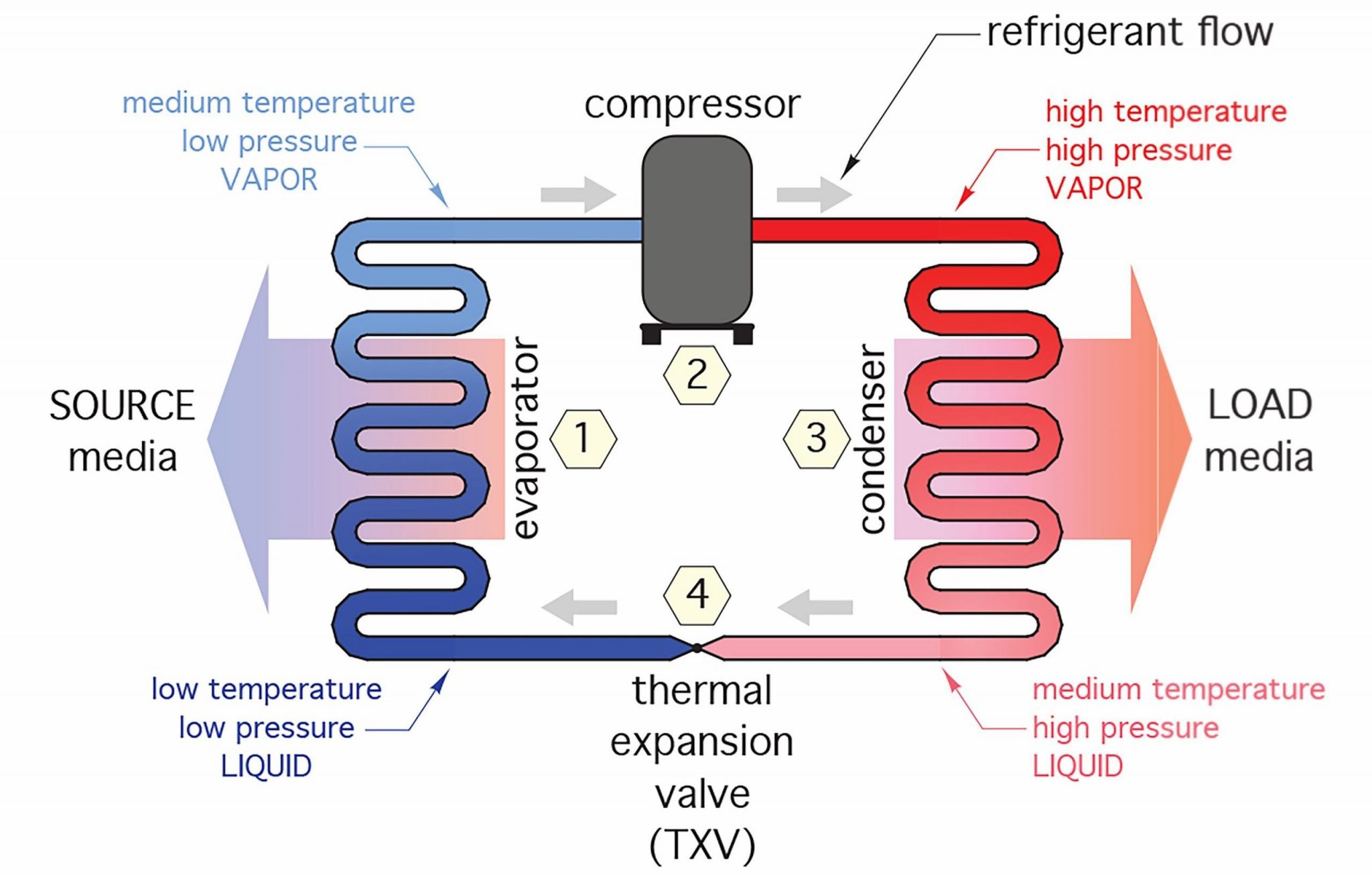
Frequently Asked Questions: Refrigerant Controls at Evaporator Inlet
This article addresses common questions about why refrigerant controls are typically located at the *inlet* of the evaporator in refrigeration and air conditioning systems. We aim to provide clear, understandable explanations for homeowners and facility managers.
Q: Why are refrigerant controls usually placed *before* the evaporator, at its inlet, rather than after?
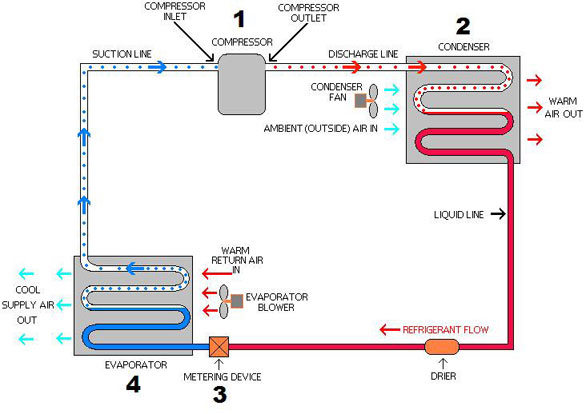
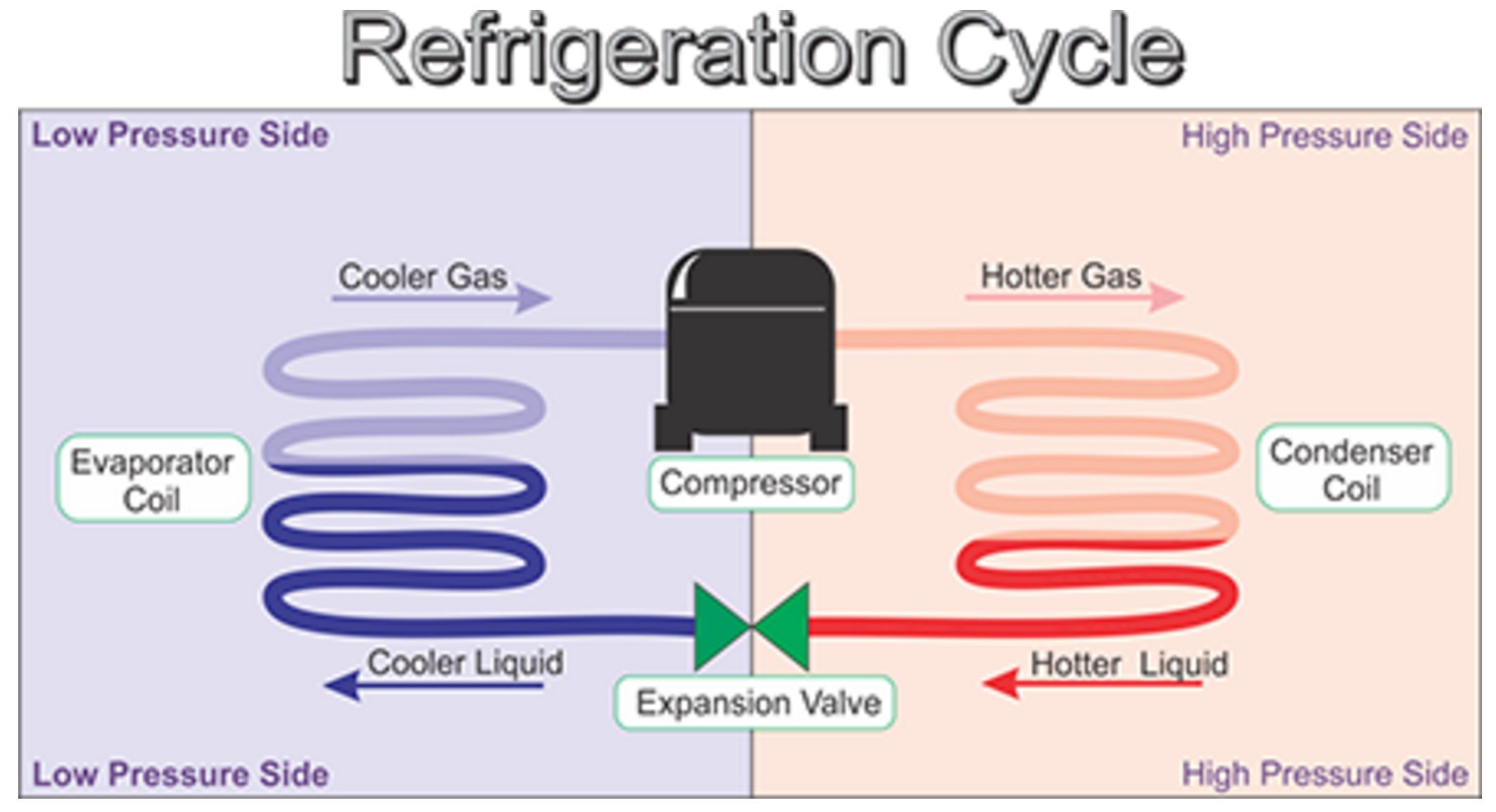
The primary reason for placing refrigerant controls at the evaporator inlet is to effectively manage the flow of refrigerant into the evaporator core. This ensures the evaporator operates at its optimal performance for heat absorption. Think of it like controlling the water flow into a garden hose; you control it *before* it enters the hose, not after, to get the right pressure and flow.
Here's a breakdown of the key reasons:
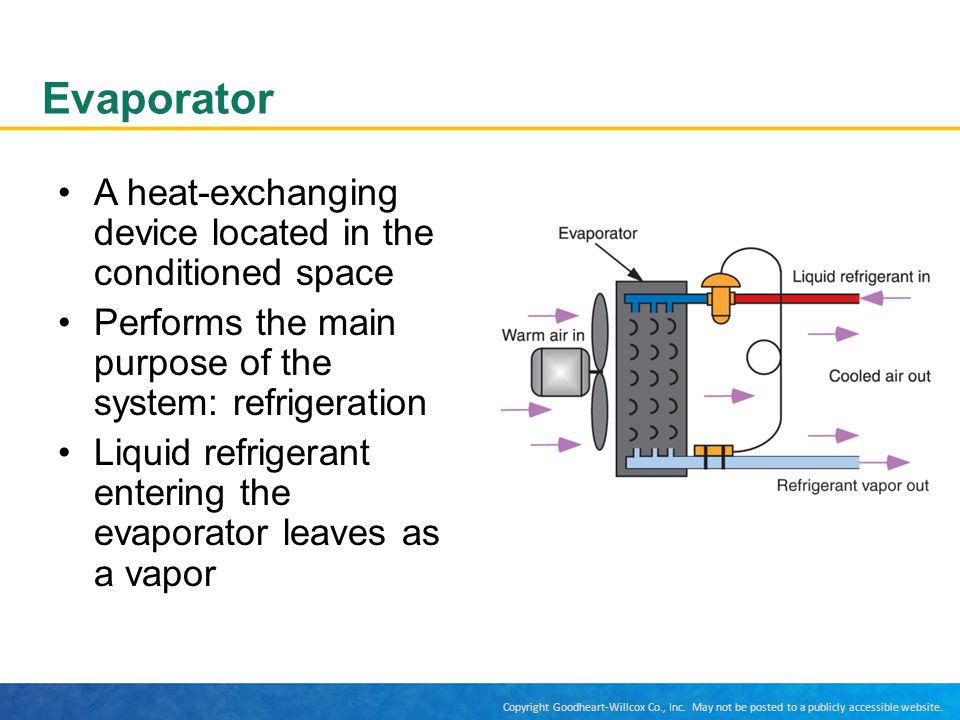
- Ensuring Complete Evaporation: The goal is to allow the liquid refrigerant to fully evaporate within the evaporator coil. By metering the refrigerant *before* it enters, we can guarantee that only a vapor is leaving the evaporator. Liquid refrigerant leaving the evaporator could damage the compressor.
- Preventing Compressor Damage: Liquid refrigerant entering the compressor is a *major* problem. Compressors are designed to compress gases, not liquids. Liquid refrigerant can cause hydraulic shock, leading to compressor failure. Placing the control at the inlet helps prevent this dangerous situation.
- Maximizing Efficiency: Precise refrigerant metering allows the evaporator to operate at its most efficient point. This maximizes the system's cooling capacity while minimizing energy consumption.
- Maintaining Stable Superheat: Superheat is the temperature of the refrigerant vapor *above* its boiling point. Maintaining a stable superheat is critical for both efficiency and compressor protection. The control valve at the inlet directly affects superheat.
Q: What types of refrigerant controls are typically found at the evaporator inlet?
Several types of refrigerant controls are commonly used at the evaporator inlet. The most common are:
- Thermostatic Expansion Valves (TXVs/TEVs): These valves are extremely common and regulate refrigerant flow based on the superheat of the refrigerant vapor leaving the evaporator. They are very responsive to changes in load and are generally considered efficient.
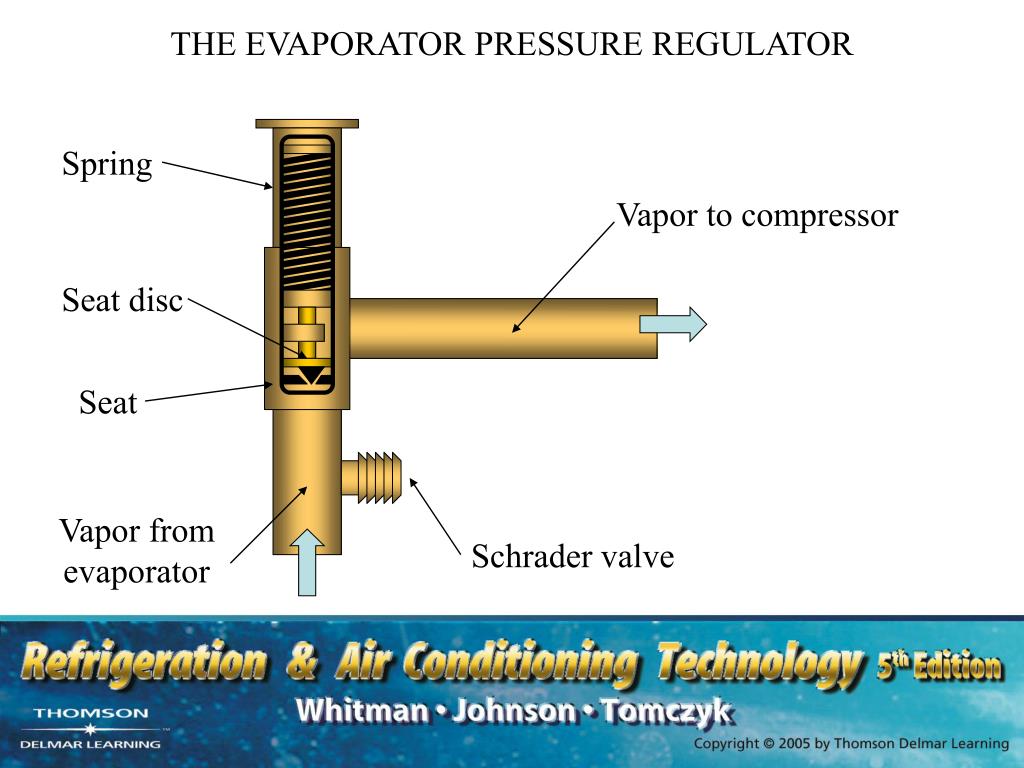
- Automatic Expansion Valves (AXVs): AXVs maintain a constant pressure in the evaporator. While simpler than TXVs, they are less efficient under varying load conditions and are becoming less common.
- Electronic Expansion Valves (EEVs): EEVs are electrically controlled and offer the most precise refrigerant flow control. They respond quickly to changing conditions and can be integrated with sophisticated control systems to optimize performance.
- Capillary Tubes: These are simple, fixed-orifice devices. They are inexpensive and reliable but offer no modulation of refrigerant flow based on system conditions. They are typically found in smaller, less critical applications like window AC units or refrigerators.
The choice of refrigerant control depends on factors such as the system's size, cooling capacity, desired efficiency, and budget.
Q: How does the refrigerant control at the inlet contribute to the overall efficiency of the cooling system?
The refrigerant control plays a *crucial* role in the overall efficiency of the cooling system. By ensuring that the evaporator is properly fed with refrigerant, it contributes to efficiency in several ways:
- Optimized Evaporator Performance: Proper refrigerant flow ensures that the entire evaporator coil is used effectively for heat transfer. This maximizes the cooling capacity of the evaporator.
- Reduced Compressor Load: By preventing liquid refrigerant from returning to the compressor, the control reduces the risk of compressor damage and unnecessary strain. A well-controlled system places less demand on the compressor, saving energy.
- Stable Operating Conditions: Precise control maintains stable operating conditions within the system, preventing fluctuations in temperature and pressure that can reduce efficiency.
- Minimized Superheat Losses: Maintaining optimal superheat prevents excessive superheating of the refrigerant vapor, which can waste energy.
In essence, the refrigerant control acts as a "smart valve" that optimizes refrigerant flow to maximize cooling and minimize energy waste.
Q: What happens if the refrigerant control fails or malfunctions? What are the potential consequences?
A malfunctioning refrigerant control can lead to a variety of problems, ranging from reduced cooling performance to *serious* component damage. Here are some potential consequences:
- Reduced Cooling Capacity: If the control valve is not opening enough, the evaporator will be starved of refrigerant, resulting in reduced cooling capacity. The system may struggle to maintain the desired temperature.
- Compressor Damage: If the control valve is allowing too much liquid refrigerant to enter the evaporator (and subsequently return to the compressor), it can cause catastrophic compressor damage. This is often referred to as "liquid slugging".
- Freezing of the Evaporator Coil: In some cases, a malfunctioning control can cause the evaporator coil to freeze up. This is particularly common if the control is stuck open, flooding the evaporator with refrigerant.
- Increased Energy Consumption: A poorly functioning control can lead to inefficient operation, resulting in higher energy bills.
- System Overheating: If the control valve is not properly regulating refrigerant flow, it can cause the compressor to overheat.
If you suspect that your refrigerant control is malfunctioning, it is *essential* to have it inspected and repaired by a qualified HVAC technician immediately. Ignoring the problem can lead to more costly repairs in the long run.
Q: Can a homeowner or facility manager diagnose problems with the refrigerant control at the evaporator inlet? What are some telltale signs?
While diagnosing refrigerant control problems *definitively* requires specialized tools and expertise, homeowners and facility managers can be aware of some telltale signs that indicate a potential issue:
- Insufficient Cooling: The system is running, but the cooling is not adequate, or it takes a very long time to reach the desired temperature.
- Ice Formation on the Evaporator Coil: Visible ice buildup on the indoor unit's evaporator coil is a strong indicator of a problem.
- Unusual Noises from the Compressor: Loud banging or knocking noises from the compressor can indicate liquid slugging, a sign of refrigerant control failure.
- High Energy Bills: A sudden and unexplained increase in energy consumption may suggest that the system is operating inefficiently due to a control problem.
- Frequent System Cycling: The system turns on and off frequently, rather than running continuously for longer periods.
- High Superheat or Subcooling Readings: (Requires gauges) These readings, taken by a professional, can indicate problems with refrigerant charge or the expansion valve.
If you observe any of these symptoms, it's best to contact a qualified HVAC technician for a thorough diagnosis and repair. Attempting to fix refrigerant controls without the proper knowledge and tools can be dangerous and could potentially damage the system further.
Q: Are there any maintenance tasks that can help prevent refrigerant control problems at the evaporator inlet?
While refrigerant controls are generally reliable, there are a few maintenance tasks that can help prevent problems and extend their lifespan:
- Regular Air Filter Replacement: A clogged air filter restricts airflow across the evaporator coil, which can cause the coil to freeze up and put stress on the refrigerant control. Replace the air filter regularly, as recommended by the manufacturer.
- Coil Cleaning: Keep both the evaporator and condenser coils clean. Dirty coils reduce heat transfer efficiency and can cause the system to work harder, potentially stressing the refrigerant control.
- Professional System Inspections: Schedule regular inspections by a qualified HVAC technician. They can identify potential problems early on and perform preventive maintenance to keep the system running smoothly.
- Refrigerant Leak Checks: Have the system checked for refrigerant leaks. Low refrigerant levels can affect the operation of the refrigerant control and reduce system efficiency.
- Proper System Design and Installation: Make sure the system was properly designed and installed in the first place. An improperly sized or installed system can place undue stress on all components, including the refrigerant control.
By following these simple maintenance tips, you can help ensure the longevity and efficient operation of your cooling system and minimize the risk of refrigerant control problems.
Q: What are some of the latest advancements in refrigerant control technology, particularly concerning evaporator inlet controls?
Refrigerant control technology is continually evolving to improve efficiency, precision, and reliability. Some of the latest advancements include:
- Advanced Electronic Expansion Valves (EEVs): Modern EEVs offer more sophisticated control algorithms, allowing for even more precise refrigerant metering and optimized system performance. They often incorporate sensors and feedback loops to adapt to changing conditions in real-time.
- Smart Controls with IoT Integration: Many newer systems are equipped with smart controls that can be monitored and adjusted remotely via the Internet of Things (IoT). This allows for predictive maintenance and proactive adjustments to optimize performance.
- Improved Sensing Technologies: More accurate and reliable sensors are being developed to measure superheat, subcooling, pressure, and temperature. These sensors provide critical data for the refrigerant control system to operate effectively.
- Self-Diagnostic Capabilities: Some advanced refrigerant controls have self-diagnostic capabilities that can detect potential problems and alert technicians before they become major issues. This helps to reduce downtime and maintenance costs.
- Controls Optimized for Low-GWP Refrigerants: With the phase-out of high-global warming potential (GWP) refrigerants, new controls are being designed and optimized to work effectively with alternative refrigerants. These refrigerants often have different properties, requiring adjustments to the control algorithms and valve designs.
These advancements are helping to create more efficient, reliable, and sustainable cooling systems. As technology continues to evolve, we can expect even further improvements in refrigerant control performance.