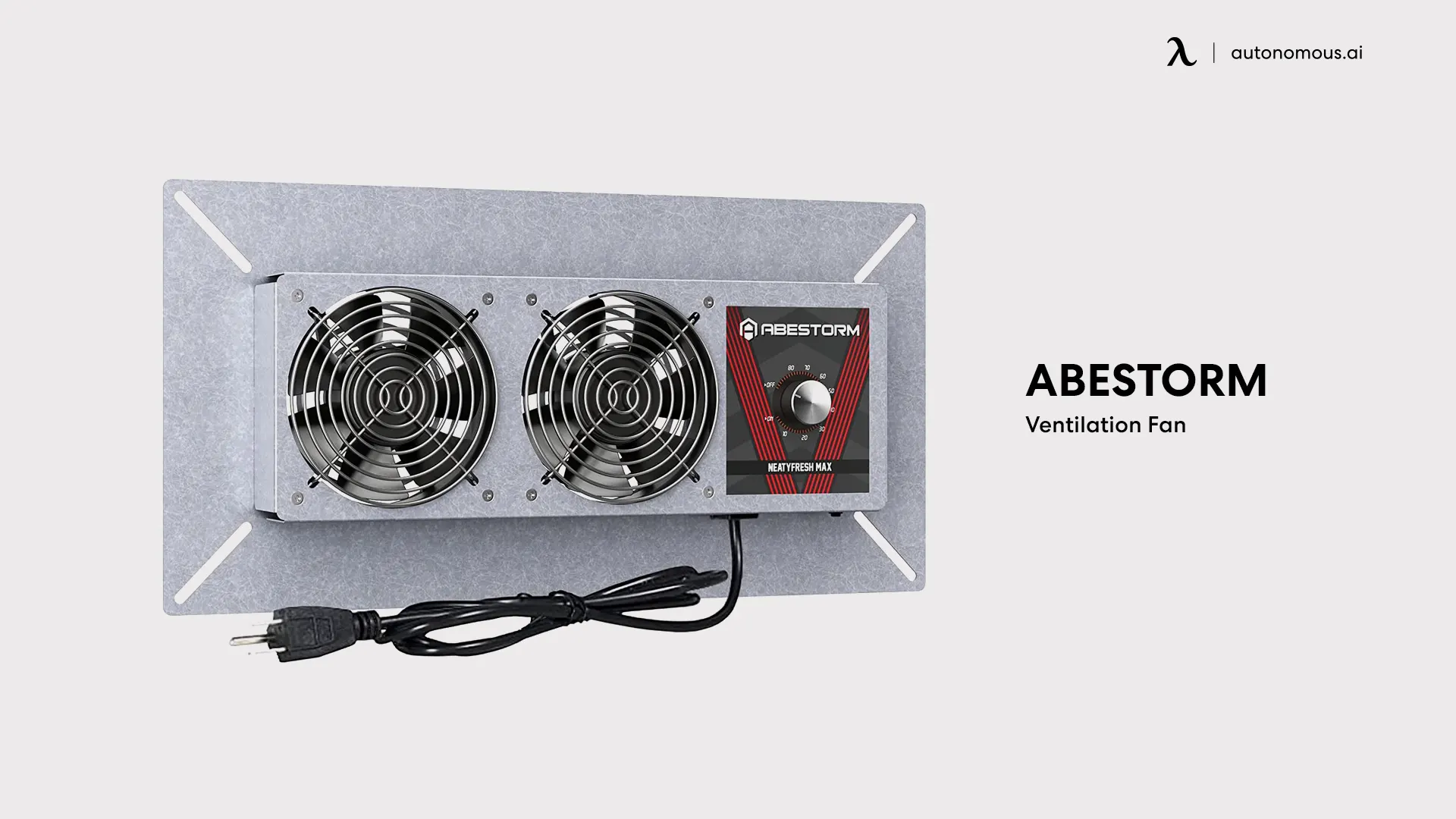
Register Vent Fans For Air Ducts

Frequently Asked Questions: Register Vent Fans for Air Ducts
This article answers common questions about register vent fans, their installation, and use within your HVAC system. Understanding these devices can help you improve airflow, address temperature imbalances, and enhance overall comfort in your home or building.
Question 1: What exactly is a register vent fan and how does it work?
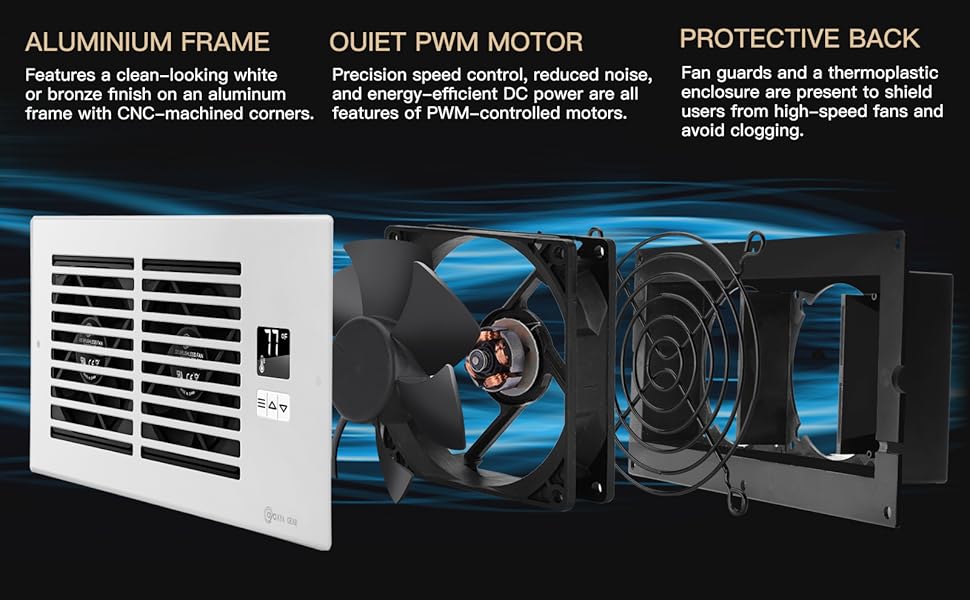
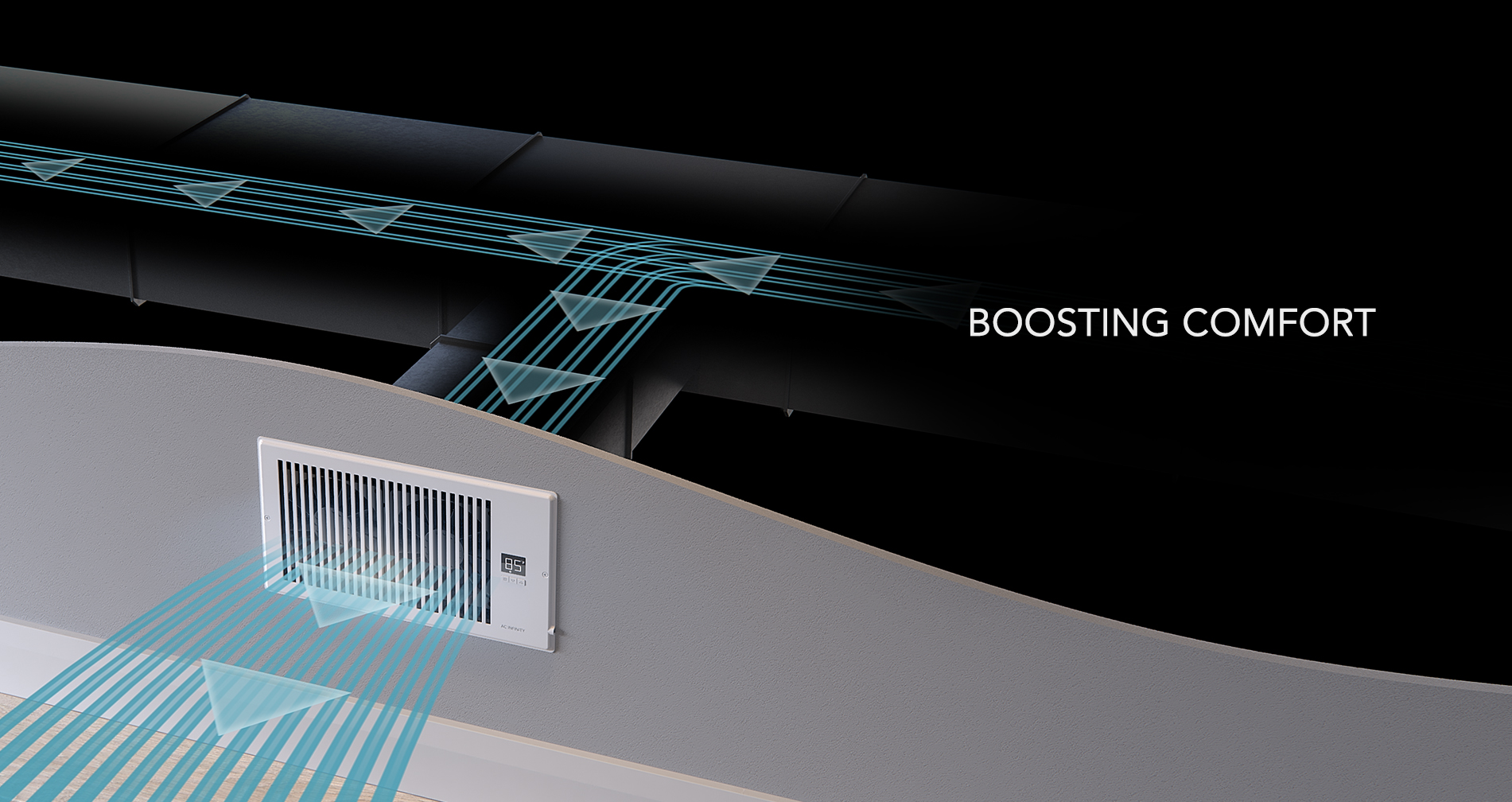
A register vent fan is a small, electrically powered fan designed to be installed directly into your existing floor, wall, or ceiling register vent. Its primary function is to either pull heated or cooled air from the duct and push it further into the room, or to draw stale air out of the room and back into the duct system for recirculation.
Here's a breakdown of how they work:
- Placement: They fit snugly into the register opening, often replacing the existing vent cover or fitting underneath it.
- Power: They're usually powered by a low-voltage AC adapter that plugs into a standard outlet. Some models are even battery-powered or connect via USB.
- Operation: The fan motor spins a small impeller, creating airflow. This airflow supplements the natural airflow from your HVAC system.
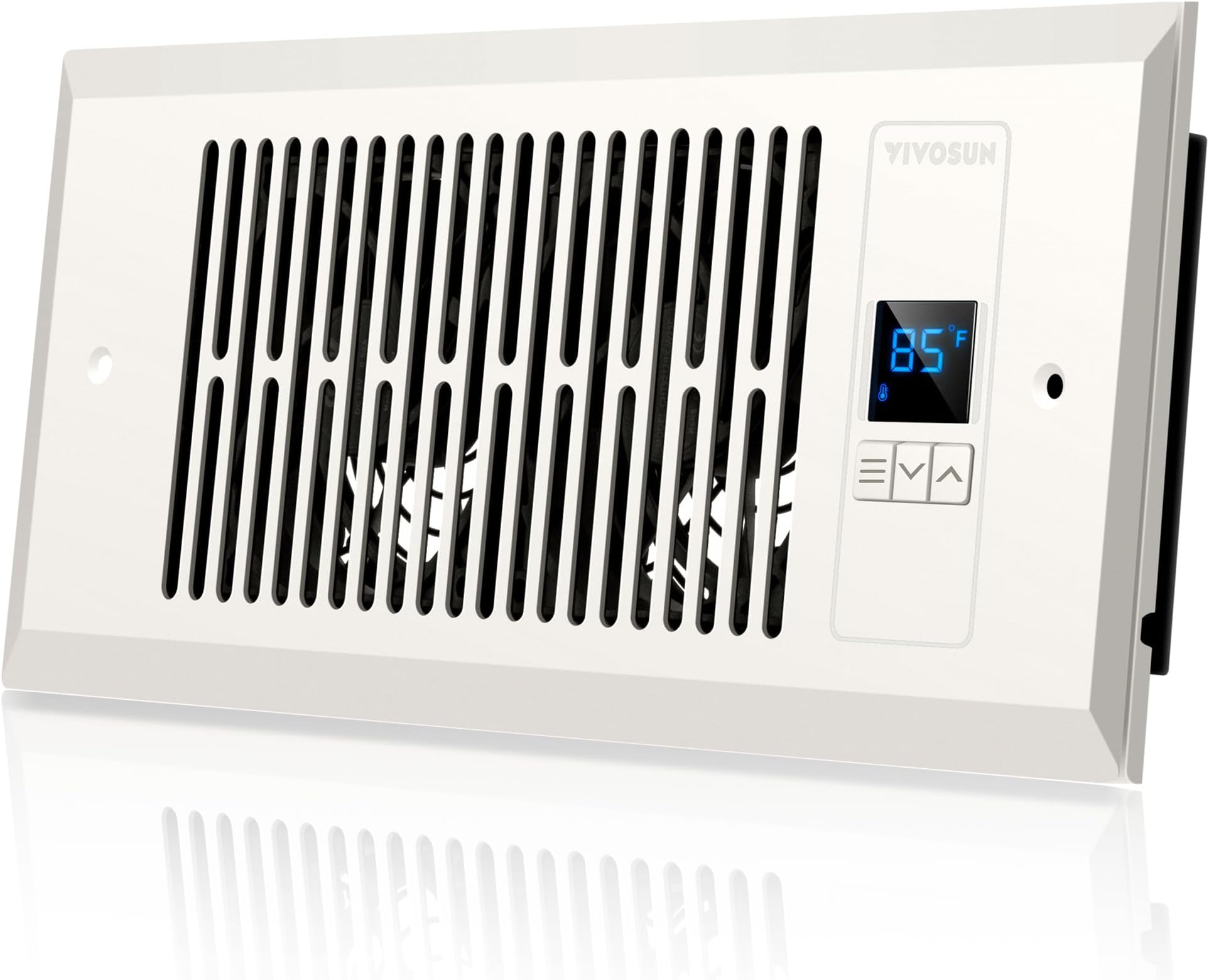
- Control: Many models offer adjustable speed settings, allowing you to fine-tune the airflow. Some even include thermostats or timers for automated operation.
Question 2: Why would I need a register vent fan? What problems do they solve?
Register vent fans are useful for addressing several common HVAC-related problems:
- Improving Airflow: Homes or buildings with long duct runs, blocked ducts, or poorly designed HVAC systems often suffer from inconsistent airflow. Register fans can boost airflow to rooms that receive insufficient heating or cooling.
- Eliminating Hot and Cold Spots: They can help even out temperature differences between rooms. By forcing warm or cool air into under-served areas, you can create a more comfortable and consistent environment.
- Boosting HVAC Efficiency: By improving airflow and eliminating temperature imbalances, register fans can help your HVAC system operate more efficiently. This can lead to lower energy bills.
- Circulating Stagnant Air: In rooms that don't get enough natural ventilation, register fans can help circulate stale air and improve air quality. This is especially beneficial in basements, bathrooms, and other enclosed spaces.
- Supplementing Existing Systems: If you have a room addition or a space that's difficult to heat or cool, a register fan can provide a supplemental boost without requiring expensive ductwork modifications.
Question 3: Are register vent fans easy to install myself, or do I need a professional?
In most cases, installing a register vent fan is a relatively simple DIY project. However, there are a few factors to consider:
- Ease of Installation: Many models are designed for easy, tool-free installation. They simply slide into the existing register opening and plug into a nearby outlet.
- Sizing: You'll need to ensure that the register fan is the correct size for your register vent. Measure the dimensions of your vent opening before purchasing a fan.
- Electrical Considerations: While most fans use low-voltage adapters, make sure the outlet you're using is properly grounded and can handle the power draw of the fan. Avoid overloading circuits.
- Professional Help: If you're uncomfortable working with electricity, or if you need to modify your ductwork in any way, it's best to consult a qualified HVAC technician. If your existing register is damaged or requires modification beyond simple removal and replacement of the grille, a professional is also recommended.
Before starting any installation, always turn off the power to the circuit that the outlet is on to prevent electrical shock.
Question 4: What features should I look for when choosing a register vent fan?
When selecting a register vent fan, consider the following features:
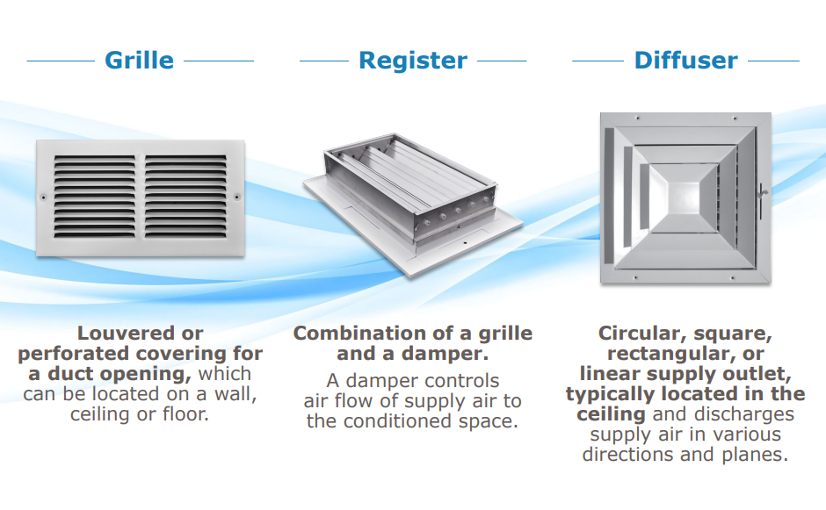
- Size and Fit: Crucially important! Ensure the fan matches the dimensions of your register vent opening. Check for compatibility with floor, wall, or ceiling registers, depending on your needs.
- Airflow (CFM): The higher the CFM (cubic feet per minute), the more air the fan can move. Choose a CFM rating that's appropriate for the size of the room and the severity of the airflow problem.
- Speed Settings: Variable speed control allows you to adjust the airflow to your liking and to match the needs of different seasons or times of day.
- Noise Level: Some fans are quieter than others. Check the decibel (dB) rating to ensure the fan won't be too noisy, especially for bedrooms or living rooms.
- Power Source: Decide whether you prefer a plug-in adapter, battery-powered, or USB-powered fan. Consider the availability of outlets and the convenience of each option.
- Thermostat and Timer: Some models include built-in thermostats that automatically turn the fan on or off based on temperature. Timers allow you to schedule the fan to operate at specific times.
- Smart Features: Some advanced models offer smart features like Wi-Fi connectivity, app control, and voice assistant integration. These features allow you to control the fan remotely and integrate it with your smart home system.
- Build Quality and Durability: Look for fans made from durable materials that are designed to withstand regular use. Check for customer reviews to get an idea of the fan's reliability.
- Aesthetics: While functionality is paramount, choose a fan that blends in with your decor and doesn't detract from the overall look of your room.
Question 5: Are register vent fans energy efficient? Will they significantly increase my electricity bill?
Register vent fans are generally very energy efficient. Most models consume only a few watts of power, which is comparable to a small LED light bulb. The impact on your electricity bill will likely be minimal, especially when compared to the energy savings you might achieve by improving overall HVAC efficiency.
Here's a breakdown of the energy efficiency considerations:
- Low Power Consumption: Most register vent fans use low-voltage DC motors that consume very little electricity.
- Targeted Airflow: By improving airflow to specific areas, register fans can help your HVAC system operate more efficiently, potentially reducing your overall energy consumption.
- Smart Controls: Models with thermostats and timers can further optimize energy efficiency by only operating when needed.
- Potential Savings: The potential energy savings from improved HVAC efficiency can often outweigh the small amount of electricity consumed by the register fan.
To maximize energy efficiency, choose a fan with adjustable speed settings and use it judiciously. Only run the fan when necessary and adjust the speed to the lowest setting that provides adequate airflow.
Question 6: Can I use register vent fans with any type of HVAC system?
Register vent fans are generally compatible with most forced-air HVAC systems, including:
- Central Heating and Cooling: They work well with traditional furnaces, air conditioners, and heat pumps that use ductwork to distribute air.
- Gas Furnaces: Safe for use with gas furnaces, as long as the fans are properly installed and don't obstruct airflow to the furnace itself.
- Electric Furnaces: Compatible with electric furnaces, provided the fans don't overload the electrical circuit.
- Heat Pumps: Can be used to improve airflow from heat pumps in both heating and cooling modes.
However, there are a few exceptions and considerations:
- Ductless Mini-Splits: Register vent fans are not designed for use with ductless mini-split systems, which don't rely on ductwork.
- Radiant Heating: Similarly, they're not suitable for radiant heating systems, which use hot water or electricity to heat surfaces directly.
- Steam Heating: Not appropriate for steam heating systems.
- Duct Obstructions: If your ductwork is heavily obstructed, a register fan might not be able to overcome the blockage. In such cases, you may need to address the ductwork issue first.
- Zone Control Systems: While generally compatible, ensure the register vent fan doesn't interfere with the operation of your zone control system. You may need to adjust the fan's settings or placement to avoid conflicts.
If you're unsure whether a register vent fan is compatible with your specific HVAC system, consult with a qualified HVAC technician.
Question 7: What are some potential drawbacks or limitations of using register vent fans?
While register vent fans offer several benefits, it's important to be aware of their potential drawbacks and limitations:
- Noise: Some fans can be noisy, especially at higher speed settings. Consider the noise level when choosing a fan, particularly for bedrooms or living rooms.
- Limited Airflow Improvement: Register fans can only improve airflow to a certain extent. If your HVAC system is severely undersized or if your ductwork is poorly designed, a register fan might not be enough to solve the problem.
- Aesthetic Concerns: Some people find register fans visually unappealing. Choose a model that blends in with your decor as much as possible.
- Maintenance: Register fans require occasional cleaning to remove dust and debris. Neglecting maintenance can reduce their performance and lifespan.
- Potential for Over-Reliance: Don't use register vent fans as a substitute for proper HVAC system maintenance or repairs. If you have underlying HVAC problems, address them first.
- Air Imbalance: Incorrect placement of fans could potentially worsen the balance of the HVAC system if, for example, all the fans are installed in one section of the house, they would draw air from other sections leading to imbalance.
- Code Compliance: Check local building codes to ensure the use of register fans are compliant, especially regarding electrical requirements and potential obstructions to airflow.
By understanding these potential drawbacks, you can make an informed decision about whether register vent fans are the right solution for your needs.