Registers And Grilles Are Typically Installed
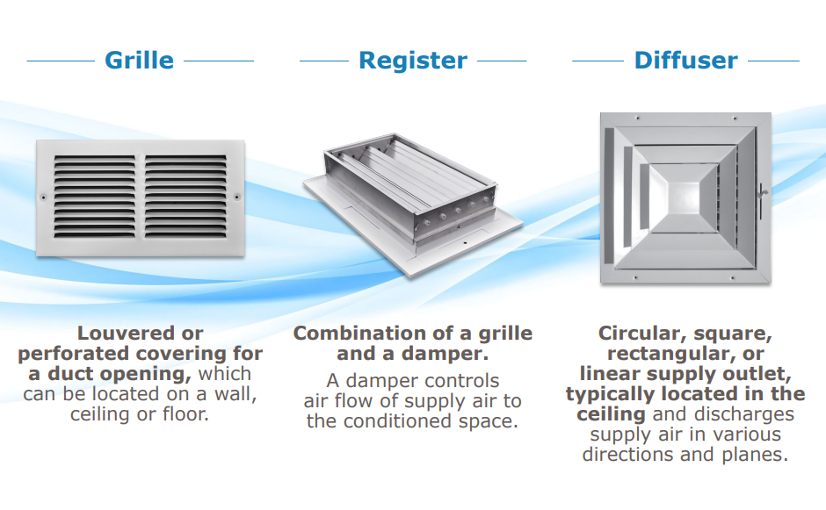
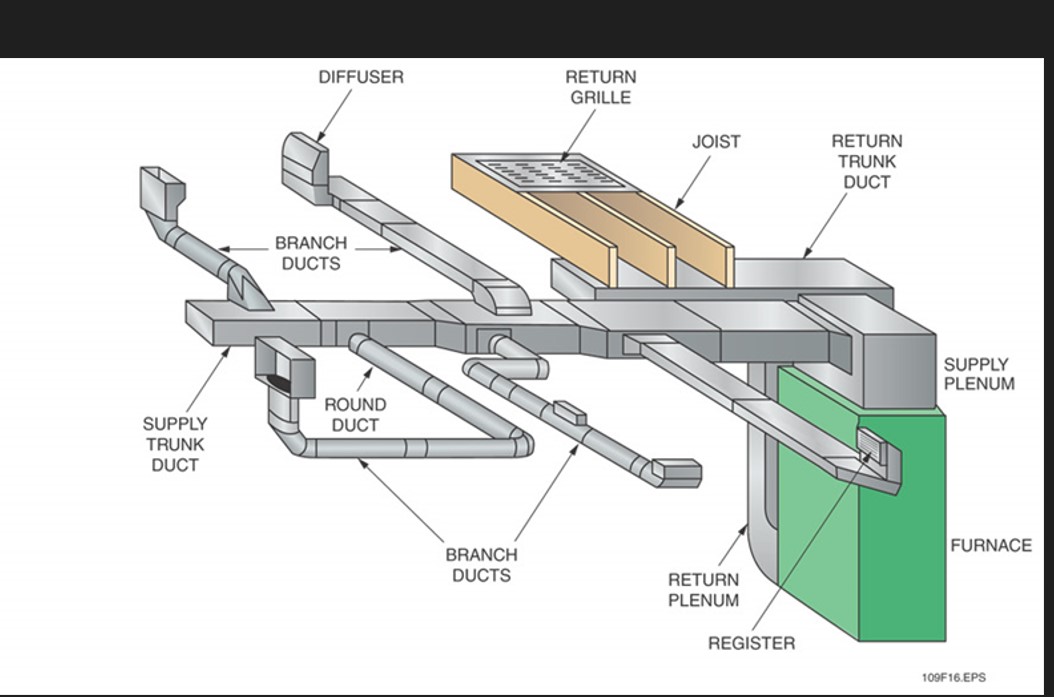
Registers and grilles are essential components of any forced-air HVAC (Heating, Ventilation, and Air Conditioning) system. They are the visible interfaces between the ductwork hidden within walls, ceilings, and floors, and the conditioned air delivered into living spaces. Understanding their typical placement is crucial for optimal system performance, energy efficiency, and overall comfort. The location where these elements are installed depends largely on the application, the climate, and the design of the HVAC system.
Residential Installations: Homes, Apartments, and Condos
In residential settings, register and grille placement focuses on even temperature distribution and minimizing drafts. Several factors influence this placement, including room size, window location, insulation levels, and the type of heating and cooling system used.
Supply Registers: Where Conditioned Air Enters
Supply registers, which deliver heated or cooled air into the room, are typically placed in locations that promote effective mixing of the air. The goal is to distribute the conditioned air evenly throughout the space, preventing hot or cold spots.
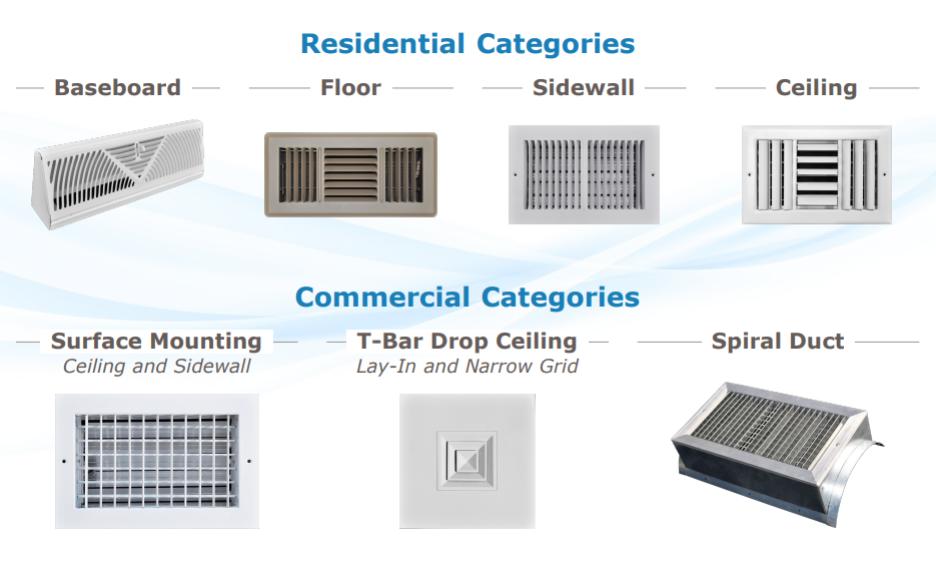
- Floor Registers: Commonly found along exterior walls, especially under windows. Placing registers here helps counteract heat loss in winter and heat gain in summer, providing a thermal barrier. Imagine a drafty window in the winter – a register beneath it will warm the air and prevent the cold air from sinking to the floor.
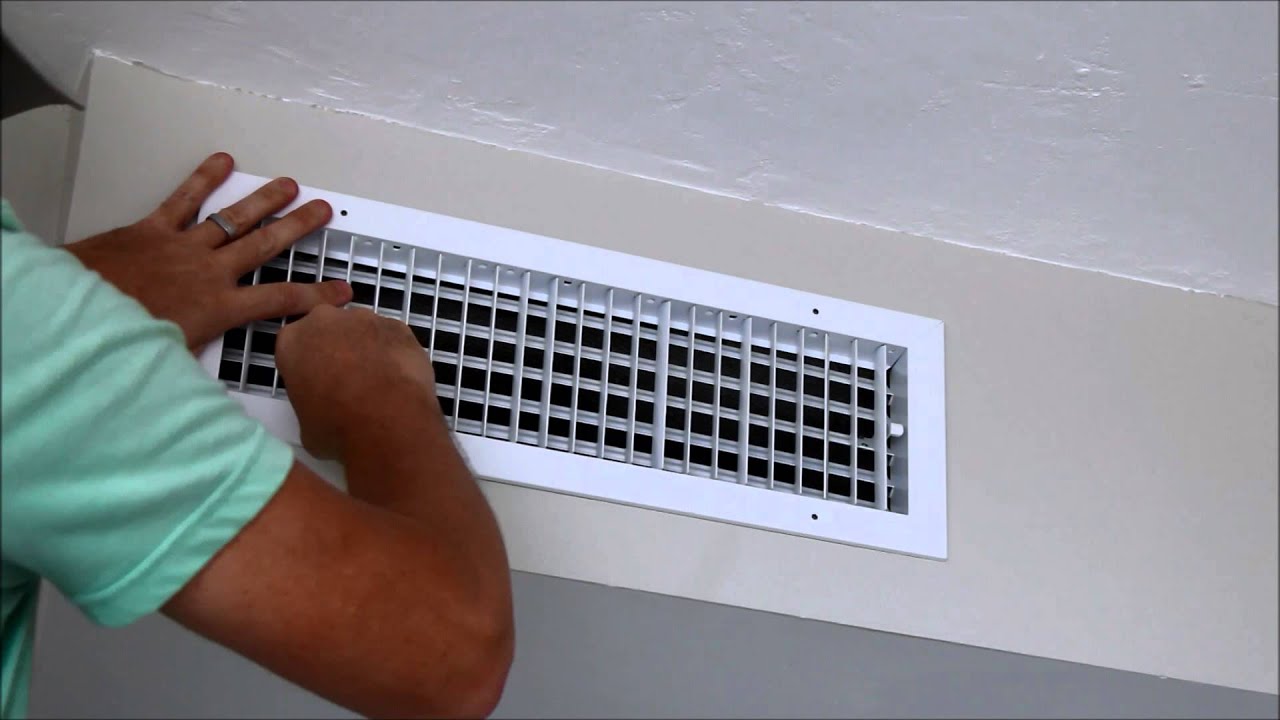
- Wall Registers: Installed near the ceiling or high on the wall. This placement is particularly effective for cooling, as cool air is denser and naturally sinks. High wall registers allow the cool air to mix with the warmer air at the ceiling level, resulting in more even temperature distribution.
- Ceiling Registers: Often used in basements or finished attics where ductwork is routed above the finished ceiling. Ceiling registers provide excellent air mixing and are particularly effective in rooms with high ceilings.
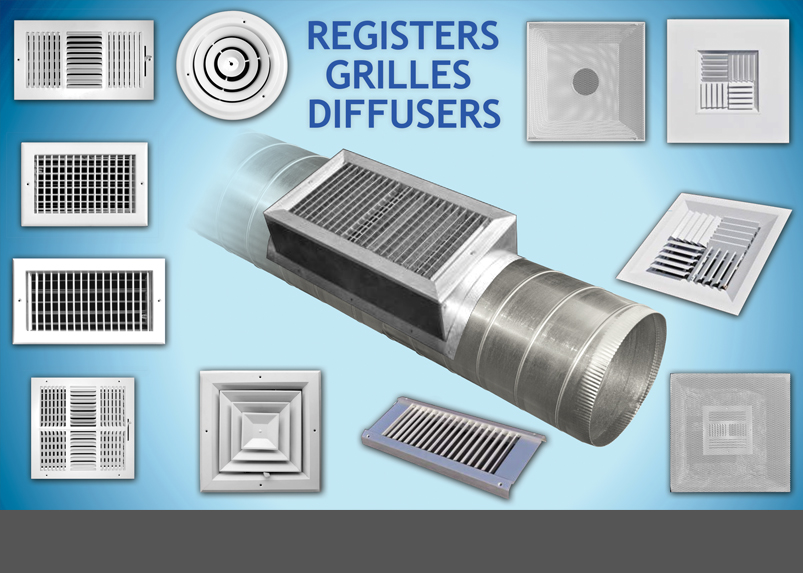
The specific type of register—whether it's a linear diffuser, a round diffuser, or a multi-directional register—also impacts its ideal placement. Linear diffusers are often used along long walls or under windows to provide a consistent airflow pattern. Round diffusers are generally used in ceilings for a wide, circular air distribution.
Return Grilles: Where Air Returns to the System
Return grilles are responsible for drawing air back into the HVAC system to be reconditioned. Their placement is less critical than supply registers, but it still plays a significant role in system efficiency. The general rule of thumb is to place return grilles in central locations or in areas where air tends to stagnate.
- High Wall or Ceiling Returns: More common for air conditioning systems. As warm air rises, a high return pulls this air back into the system for cooling.
- Low Wall Returns: More common for heating systems. Cold air sinks, so a low return pulls this air back to be heated.
- Central Locations: Hallways are often used as a central location for return grilles because they allow air to be drawn from multiple rooms.
It's important to ensure that return grilles are not blocked by furniture or other obstructions. A blocked return grille reduces airflow, decreasing system efficiency and potentially causing the system to work harder, leading to increased energy consumption and premature wear and tear.
Commercial Installations: Offices, Retail Spaces, and Industrial Buildings
In commercial buildings, register and grille placement is often more complex due to the larger spaces, higher occupancy levels, and varying heating and cooling loads. HVAC systems in commercial buildings are often designed with multiple zones, each with its own set of supply registers and return grilles.
Considerations for Commercial Spaces
- Occupancy: Areas with higher occupancy levels, such as conference rooms or reception areas, typically require more supply registers to provide adequate ventilation and cooling.
- Equipment: Rooms with heat-generating equipment, such as server rooms or kitchens, also require more supply registers to remove excess heat.
- Building Layout: Open-plan offices often use linear diffusers or ceiling-mounted diffusers to provide uniform air distribution. Smaller, enclosed offices may use wall-mounted registers.
Types of Registers and Grilles in Commercial Buildings
Commercial buildings often utilize specialized registers and grilles to meet their specific needs.
- Linear Diffusers: Provide a long, continuous airflow pattern, ideal for open spaces and perimeter walls.
- Perforated Face Diffusers: Offer a more discreet appearance and are often used in ceilings.
- Egg Crate Grilles: Provide high airflow with minimal resistance, commonly used for return air.
Variable Air Volume (VAV) systems are common in commercial buildings. These systems adjust the airflow to each zone based on the heating and cooling demands. The placement of registers and grilles in a VAV system is critical to ensure that each zone receives the appropriate amount of conditioned air.
Factors Influencing Register and Grille Placement
Several factors influence the optimal placement of registers and grilles, regardless of whether it's a residential or commercial application.
Building Design and Construction
The layout of the building, including the location of walls, windows, and doors, significantly impacts register and grille placement. Buildings with large windows or poor insulation require more careful placement to counteract heat loss and gain.
HVAC System Design
The type of HVAC system used, whether it's a forced-air furnace, a heat pump, or a central air conditioner, also influences placement. Systems with higher airflow rates may require larger registers and grilles or more of them to handle the increased volume of air.
Local Climate
The climate in which the building is located plays a crucial role. In colder climates, more emphasis is placed on heating, so registers may be placed near the floor to distribute warm air effectively. In warmer climates, more emphasis is placed on cooling, so registers may be placed higher on the wall or in the ceiling.
Energy Efficiency
Proper register and grille placement can significantly improve energy efficiency. By ensuring that conditioned air is distributed evenly throughout the space, the HVAC system doesn't have to work as hard to maintain the desired temperature. This can lead to lower energy bills and reduced wear and tear on the system. Ensuring that returns are free of obstructions is just as critical, as the system has to work harder and therefore uses more energy.
Best Practices for Optimal Performance
Following these best practices ensures optimal HVAC system performance and comfort.
- Avoid Obstructions: Ensure that registers and grilles are not blocked by furniture, curtains, or other obstructions.
- Proper Sizing: Use registers and grilles that are properly sized for the ductwork and airflow requirements.
- Regular Cleaning: Clean registers and grilles regularly to remove dust and debris, which can reduce airflow and system efficiency.
- Professional Installation: Have registers and grilles installed by a qualified HVAC technician to ensure proper placement and sizing.
- Consider Airflow Patterns: Carefully consider the airflow patterns in the room when determining register placement.
Troubleshooting Common Problems
Incorrect register and grille placement can lead to several common problems.
- Hot or Cold Spots: Uneven temperature distribution is often caused by improperly placed or blocked registers.
- Drafts: Drafts can be caused by registers that are placed too close to seating areas or by insufficient insulation.
- High Energy Bills: Inefficient HVAC system performance can result in higher energy bills.
- System Noise: Excessive noise can be caused by undersized registers or blocked ductwork.
Addressing these problems often involves adjusting the register dampers, relocating registers, or improving insulation. Consulting with an HVAC professional can help diagnose and resolve these issues effectively. Sometimes, simply adjusting the angle of the vanes on a register can make a significant difference in comfort.
The Future of Register and Grille Technology
The HVAC industry is constantly evolving, and new technologies are emerging that are improving the performance and efficiency of registers and grilles. Smart registers, for example, can automatically adjust their airflow based on occupancy and temperature sensors. Active grilles can even purify the air as it passes through them. These advancements promise to further enhance comfort, energy efficiency, and indoor air quality in both residential and commercial buildings.
Understanding the typical placement of registers and grilles is essential for optimizing HVAC system performance, energy efficiency, and overall comfort. Whether you're a homeowner, an HVAC technician, or a facility manager, taking the time to properly place and maintain these components can result in significant benefits. By considering the factors outlined in this article and following best practices, you can ensure that your HVAC system operates at its peak performance, providing a comfortable and healthy indoor environment.