Reliance Water Heater Thermocouple
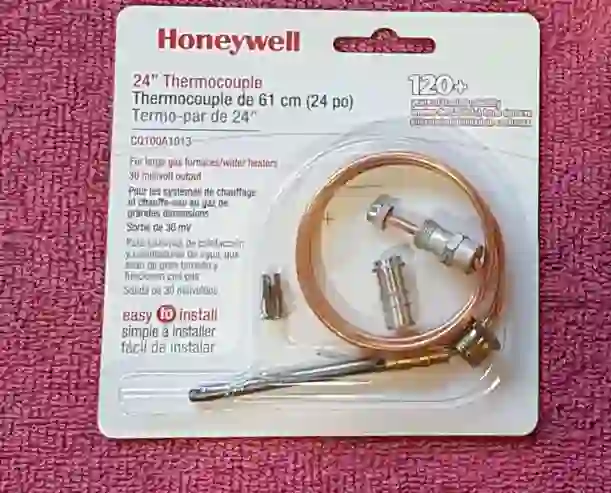
The humble thermocouple: a small component, but a giant in the world of gas-fired appliances, particularly water heaters. Understanding the Reliance water heater thermocouple – its function, troubleshooting, and replacement – is fundamental knowledge for any HVAC professional, from aspiring apprentice to seasoned technician. This article delves into the intricacies of this vital part, exploring its role in ensuring safe and efficient water heater operation, and how mastering this skill can significantly impact your career in the HVAC industry.
What is a Thermocouple and How Does It Work?
At its core, a thermocouple is a thermoelectric device used to measure temperature. In the context of a Reliance water heater (and other gas-fired appliances), its primary function is safety. It ensures that the main gas valve remains open only when the pilot light is lit. Here's a breakdown of the process:
- Pilot Light Ignition: When the pilot light is ignited, it heats the tip of the thermocouple.
- Thermoelectric Effect: This heat generates a small electrical current (millivolts) through the Seebeck effect. This effect describes the direct conversion of temperature differences to electric voltage and vice versa.
- Valve Activation: This millivolt signal is sent to the gas valve, creating an electromagnetic field. This field is strong enough to hold the valve open, allowing gas to flow to the main burner when the thermostat calls for heat.
- Pilot Light Extinguishment: If the pilot light goes out, the thermocouple cools, the millivolt signal ceases, and the electromagnetic field collapses. The gas valve shuts off, preventing unburned gas from accumulating, a critical safety measure.
Without a functioning thermocouple, the water heater will not operate, and potentially hazardous conditions could arise.
Reliance Water Heater Thermocouple: Specific Considerations
While the basic principle remains the same, specific Reliance water heater models may utilize thermocouples with slightly different specifications – length, thread size, and millivolt output requirements. It's crucial to consult the manufacturer's documentation or the water heater's model number to ensure you're using the correct replacement thermocouple. Using an incorrect thermocouple can lead to improper operation or even damage to the gas valve.
Common issues with Reliance thermocouples include:
- Carbon Buildup: Soot and carbon deposits can insulate the thermocouple tip, reducing its ability to generate electricity.
- Loose Connections: Corrosion or loose connections at the gas valve can impede the flow of the millivolt signal.
- Physical Damage: Cracks or breaks in the thermocouple wire can disrupt the circuit.
- Age and Degradation: Over time, the thermocouple material can degrade, reducing its output.
Troubleshooting and Replacement
Troubleshooting a Reliance water heater that won't stay lit often involves checking the thermocouple. Here's a basic troubleshooting process:
- Visual Inspection: Examine the thermocouple for any visible damage, corrosion, or carbon buildup. Clean the tip with fine steel wool or emery cloth if necessary.
- Pilot Light Check: Ensure the pilot light flame is strong, blue, and directly impinging on the thermocouple tip. A weak or yellow flame indicates a potential gas supply issue.
- Tighten Connections: Ensure the thermocouple connection at the gas valve is clean and tight.
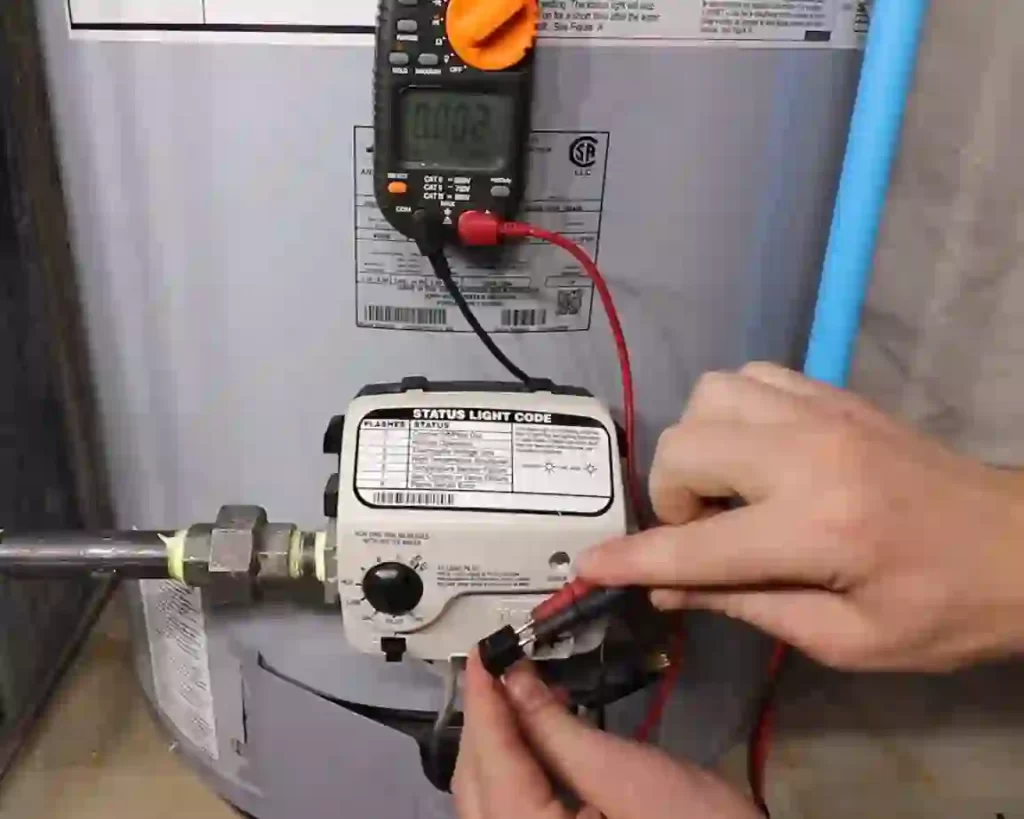
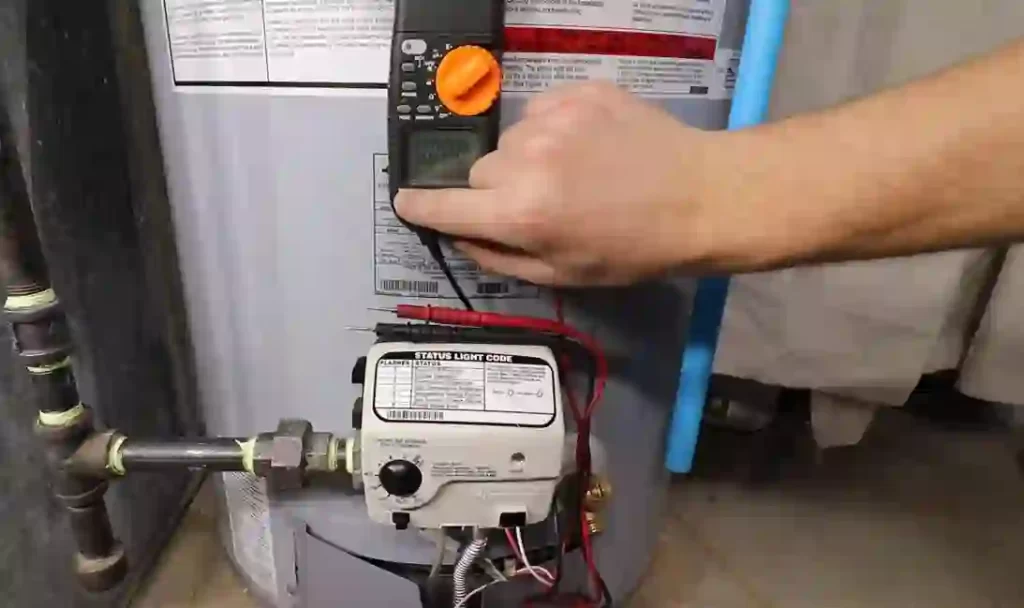
- Millivolt Testing: Use a multimeter to measure the thermocouple's millivolt output while the pilot light is lit. A healthy thermocouple should produce a reading within the manufacturer's specified range (typically between 25-30 millivolts when initially lit, settling to around 15-20 millivolts). If the reading is low, the thermocouple likely needs replacement.
Replacement Procedure (General Guidelines - Always consult the manufacturer's instructions for your specific model):
- Shut Off Gas Supply: Turn off the gas supply to the water heater at the gas shut-off valve.
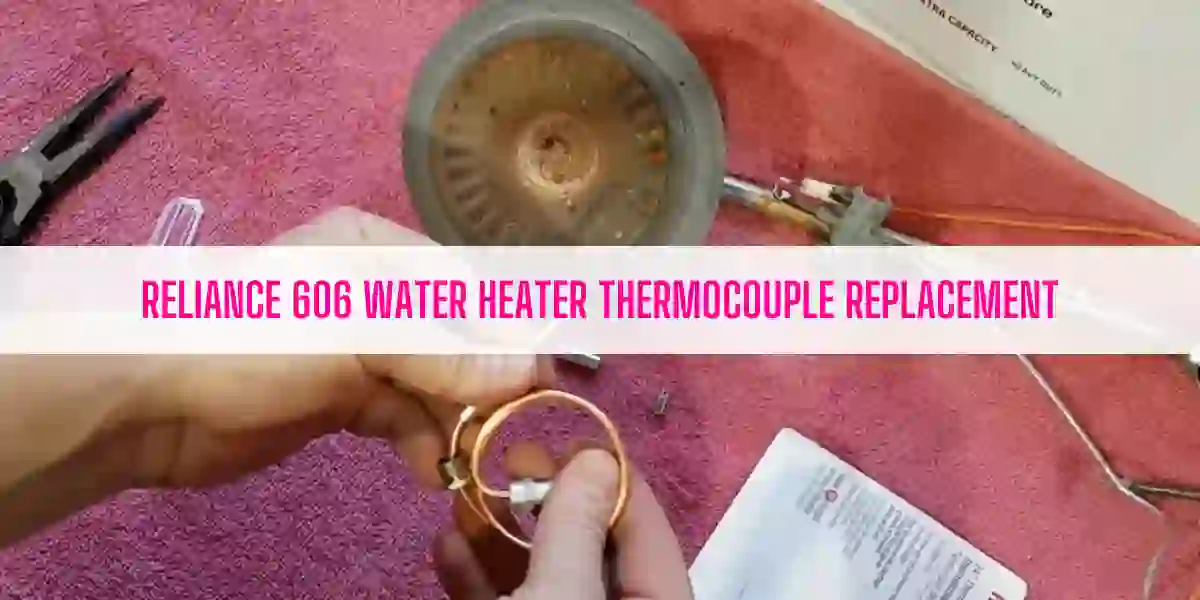
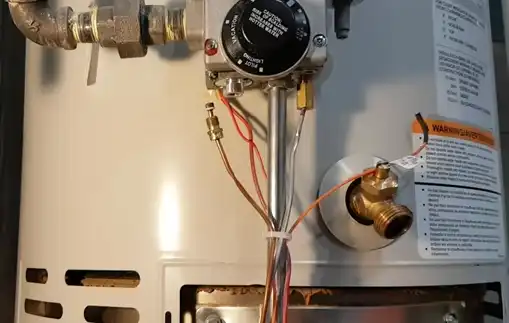
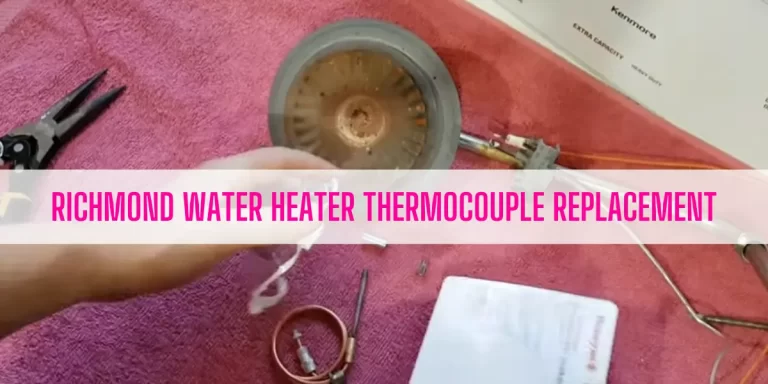
- Disconnect Thermocouple: Disconnect the old thermocouple from the gas valve.
- Remove Old Thermocouple: Unscrew the old thermocouple from the pilot burner assembly.
- Install New Thermocouple: Screw the new thermocouple into the pilot burner assembly, ensuring it's properly seated.
- Connect to Gas Valve: Connect the new thermocouple to the gas valve, tightening the connection securely but not overtightening.
- Relight Pilot Light: Follow the manufacturer's instructions for relighting the pilot light.
- Test Operation: Observe the water heater for proper operation. The main burner should ignite when the thermostat calls for heat and shut off when the thermostat is satisfied.
Important Safety Note: Working with gas appliances can be dangerous. If you're not comfortable performing these tasks, it's best to call a qualified HVAC professional.
Career Opportunities and Salary Expectations in HVAC
Mastering skills like thermocouple troubleshooting and replacement is crucial for career advancement in the HVAC industry. The Bureau of Labor Statistics (BLS) projects a growth rate of 6% for HVACR mechanics and installers from 2022 to 2032, about as fast as the average for all occupations. This growth is driven by new construction, increasing demand for energy-efficient systems, and the need to replace aging equipment.
Here's a look at some potential career paths and salary expectations:
- HVAC Technician/Installer: This is the entry-level position, typically requiring on-the-job training or completion of a trade school program. Responsibilities include installing, maintaining, and repairing HVAC systems, including water heaters. The median annual wage for HVACR mechanics and installers was $59,620 in May 2023, according to the BLS.
- HVAC Service Technician: Focusing on troubleshooting and repairing existing systems, service technicians often work independently and require strong diagnostic skills. With experience and certifications, service technicians can earn significantly more than entry-level installers.
- HVAC Maintenance Technician: Performing preventative maintenance on HVAC systems, ensuring optimal performance and longevity. This role requires a thorough understanding of system components and maintenance procedures.
- HVAC Supervisor/Manager: Overseeing teams of technicians and managing projects, supervisors require strong leadership and communication skills, as well as a deep understanding of HVAC systems.
- HVAC Design Engineer: Designing and developing HVAC systems for residential and commercial buildings, requiring a bachelor's degree in mechanical engineering or a related field.
Salary ranges vary depending on experience, location, and employer. However, skilled HVAC technicians with certifications and specialized knowledge are in high demand and can command competitive salaries.
The Importance of Certifications
Obtaining industry-recognized certifications can significantly enhance your career prospects and earning potential. Some key certifications for HVAC professionals include:
- NATE (North American Technician Excellence): NATE certification is widely recognized as a mark of competency in the HVAC industry. It demonstrates that a technician has the knowledge and skills to properly install, maintain, and repair HVAC systems. Earning NATE certification often leads to higher pay and increased job opportunities.
- EPA 608 Certification: Required for technicians who handle refrigerants. This certification ensures that technicians understand proper refrigerant handling procedures and regulations, protecting the environment and preventing ozone depletion. There are different types of EPA 608 certifications, depending on the type of equipment you'll be working on.
- Manufacturer-Specific Certifications: Many HVAC manufacturers offer certifications on their specific equipment. These certifications demonstrate expertise in installing, maintaining, and repairing those specific brands, making you a valuable asset to employers who work with those products.
- State and Local Licensing: Many states and municipalities require HVAC technicians to be licensed. Licensing requirements vary, but typically involve passing an exam and meeting certain experience requirements.
Continuous Learning and Staying Ahead of the Curve
The HVAC industry is constantly evolving, with new technologies and regulations emerging regularly. To stay ahead of the curve and maintain your competitive edge, it's essential to engage in continuous learning. This can include:
- Attending industry conferences and workshops: These events provide opportunities to learn about the latest technologies, network with other professionals, and earn continuing education credits.
- Reading trade publications and online resources: Stay up-to-date on industry news, trends, and best practices.
- Taking online courses and webinars: Expand your knowledge and skills in specific areas of interest.
- Seeking mentorship from experienced professionals: Learn from the expertise of those who have been in the industry for many years.
By continuously investing in your skills and knowledge, you can build a successful and rewarding career in the HVAC industry. Understanding the function and maintenance of components like the Reliance water heater thermocouple is just one piece of the puzzle, but it's a critical piece that can contribute to your overall success.