Remote Controlled Gas Fireplace
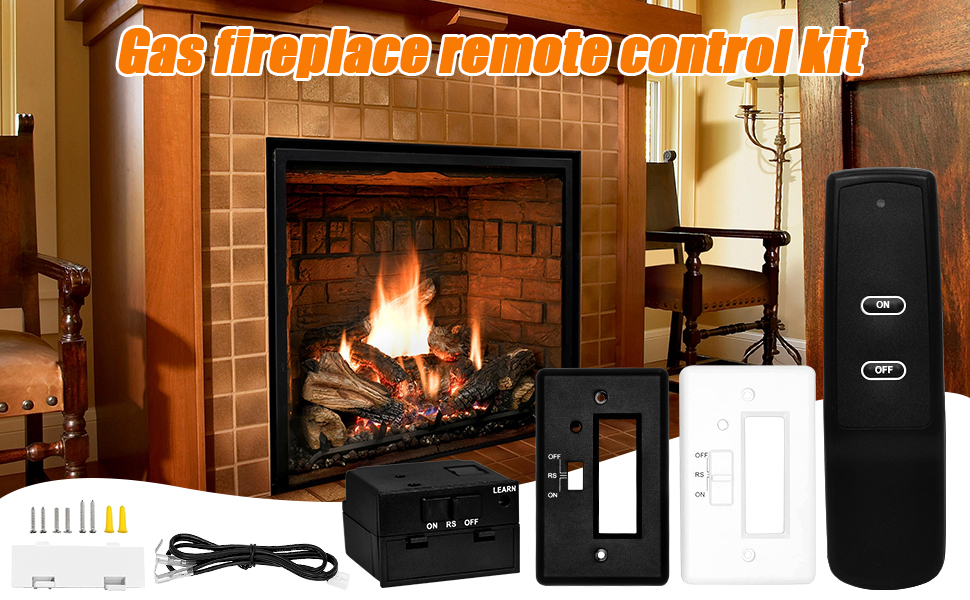
Imagine settling in for a cozy evening, ready to enjoy the warmth and ambiance of your remote-controlled gas fireplace. But, instead of a comforting flame, you're met with… nothing. A frustrating situation, indeed! Before calling a professional, let's explore some common causes and simple fixes you can try yourself. This guide will walk you through a systematic troubleshooting process, empowering you to diagnose and potentially resolve the issue safely.
Understanding Common Issues
Remote-controlled gas fireplaces, while convenient, can experience a variety of problems. These often stem from issues with the remote control itself, the fireplace's receiver, the gas supply, the pilot light, or the ignition system. It's crucial to understand that working with gas and electricity can be dangerous. If at any point you feel uncomfortable or unsure, stop and contact a qualified technician.
Step 1: The Remote Control Check
The first and easiest place to start is with the remote control. It's the primary interface, and a malfunctioning remote can easily prevent the fireplace from turning on.
Power and Batteries
- Check the batteries: This might seem obvious, but ensure the remote has fresh batteries installed correctly. Low battery power is a very common culprit. Try replacing them with a brand new set, even if the old ones seem to have some life left.
- Battery contacts: Inspect the battery contacts inside the remote. Are they clean and making good contact? Use a cotton swab and a bit of rubbing alcohol to gently clean any corrosion or debris.
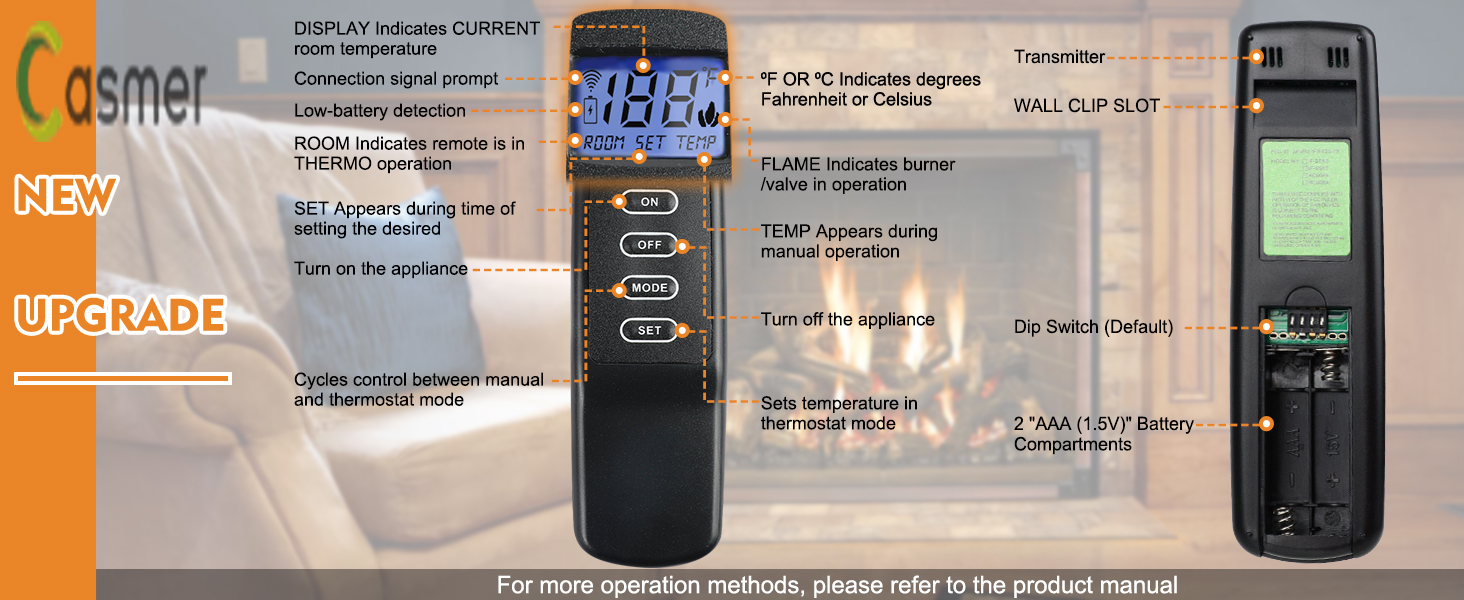
- Remote display: Is the remote display lighting up and showing information? If not, even with new batteries, there might be an internal problem with the remote itself.
Remote Settings and Programming
- Check the mode: Some remotes have different modes (e.g., on/off, thermostat, timer). Make sure it's in the correct mode for simply turning the fireplace on and off. Consult your remote's manual for instructions on mode selection.
- Child lock: Many remotes have a child lock feature. Ensure it's disabled, as it can prevent the fireplace from operating. Refer to your remote's manual for instructions on disabling the child lock.
- Remote pairing: The remote needs to be paired or synchronized with the fireplace receiver. Sometimes, the pairing can be lost due to power outages or interference. The pairing process varies depending on the model, but it typically involves pressing and holding a button on the receiver (usually located near the fireplace) and then pressing a button on the remote. Consult your fireplace and remote control manuals for the specific pairing procedure.
Step 2: Examining the Fireplace Receiver
The receiver is the device on the fireplace that receives the signal from the remote control. If the remote is working correctly, the problem might lie with the receiver.
Location and Accessibility
- Locate the receiver: The receiver is usually located behind the fireplace's control panel or within a compartment near the gas valve. You might need to remove a panel or grate to access it. Consult your fireplace manual for the exact location of the receiver.
- Power switch: Some receivers have a physical power switch. Make sure it's in the "on" position.
Wiring and Connections
- Check the wiring: Visually inspect the wiring connections to the receiver. Are any wires loose, disconnected, or damaged? Gently wiggle the wires to see if any are loose. If you see any loose or damaged wires, DO NOT attempt to repair them yourself. Contact a qualified technician.
- Receiver batteries: Some receivers also use batteries. Check their condition and replace them if necessary.
Step 3: Power Supply to the Fireplace
Even gas fireplaces often require electricity to power the ignition system, blower, and remote receiver.
Electrical Outlet
- Check the outlet: Ensure the fireplace is plugged into a working electrical outlet. Use a different appliance (like a lamp) to test the outlet and confirm it's providing power.
- Circuit breaker: Check the circuit breaker in your electrical panel that controls the fireplace outlet. If the breaker has tripped, reset it. If it trips again immediately, there might be a short circuit. DO NOT repeatedly reset the breaker. Contact an electrician.
- Power cord: Inspect the fireplace's power cord for any damage, such as cuts or frayed wires. If you see any damage, DO NOT use the fireplace. Contact a qualified technician.
Step 4: Pilot Light Inspection (Proceed with extreme caution!)
The pilot light is a small flame that constantly burns and ignites the main burner when you turn on the fireplace. A pilot light that's out is a common reason for a fireplace not working.
Checking for a Lit Pilot
- Visually inspect: Look for the pilot light. It's usually located near the main burner. If you don't see a flame, the pilot light is out.
Relighting the Pilot Light (Only if you are comfortable and have followed safety precautions!)
If you smell a strong odor of gas, DO NOT attempt to light the pilot light. Evacuate the area immediately and contact your gas company or the fire department.
- Locate the gas valve: The gas valve is usually located near the pilot light assembly.
- Follow the instructions: Most fireplaces have instructions printed on a label near the gas valve. Follow these instructions carefully. The general procedure involves:
- Turning the gas valve to the "pilot" position.
- Pressing and holding the pilot button.
- While holding the pilot button, use a match or a long-handled lighter to ignite the pilot light.
- Continue holding the pilot button for 20-30 seconds after the pilot light ignites to allow the thermocouple to heat up.
- Release the pilot button. The pilot light should remain lit.
- Turn the gas valve to the "on" position.
- Troubleshooting the pilot light: If the pilot light doesn't stay lit after releasing the pilot button, the thermocouple might be faulty. The thermocouple is a safety device that senses the heat from the pilot light and allows the gas valve to open. Replacing the thermocouple is a more complex repair that should be done by a qualified technician.
Step 5: Gas Supply Verification
A lack of gas supply is another obvious reason why the fireplace won't ignite.
Main Gas Valve
- Check the main gas valve: Ensure the main gas valve supplying gas to the fireplace is open. This valve is typically located near the gas meter or where the gas line enters the house.
- Other gas appliances: Check if other gas appliances in your home (e.g., stove, water heater) are working. If none of them are working, there might be a problem with the gas supply to your home. Contact your gas company immediately.
Step 6: Thermocouple Inspection (Advanced - Refer to a Professional)
The thermocouple is a crucial safety device. It's a heat-sensitive sensor positioned near the pilot light. Its job is to ensure the pilot light is lit before allowing the main gas valve to open. If the pilot light goes out, the thermocouple cools down, shutting off the gas supply to prevent a dangerous gas leak.
Signs of a Faulty Thermocouple
- The pilot light lights but goes out as soon as you release the pilot button.
- The fireplace works intermittently, suggesting an inconsistent connection.
Why Professional Help is Recommended
Replacing a thermocouple involves working directly with the gas supply, which can be dangerous. It also requires specific tools and expertise to ensure a proper and safe connection. Attempting this repair without the necessary knowledge and tools can lead to gas leaks, explosions, or carbon monoxide poisoning. A qualified technician will have the experience to diagnose the issue accurately, replace the thermocouple safely, and ensure the entire fireplace system is functioning correctly.
Step 7: When to Call a Professional
While many issues can be resolved with simple troubleshooting, certain problems require the expertise of a qualified technician. Here are some situations where you should always call a professional:
- Gas leaks: If you smell gas, evacuate the area immediately and contact your gas company or the fire department.
- Electrical problems: If you suspect any electrical problems, such as short circuits or damaged wiring, DO NOT attempt to repair them yourself. Contact an electrician.
- Complex repairs: If the problem involves replacing complex parts, such as the gas valve, ignition module, or burner assembly, it's best to leave it to a professional.
- Uncertainty: If you've tried the troubleshooting steps and are still unsure what's causing the problem, it's always best to err on the side of caution and call a professional.
Safety First!
Working with gas and electricity can be dangerous. Always prioritize safety and follow these precautions:
- Turn off the gas supply: Before attempting any repairs, turn off the gas supply to the fireplace.
- Disconnect the power: Disconnect the fireplace from the electrical outlet.
- Read the manual: Consult your fireplace and remote control manuals for specific instructions and safety information.
- Use caution: Be careful when working around gas and electrical components.
- When in doubt, call a professional: If you're unsure about anything, it's always best to call a qualified technician.
Conclusion
By following these troubleshooting steps, you can often diagnose and resolve common issues with your remote-controlled gas fireplace. Remember to prioritize safety and call a professional when necessary. With a little patience and effort, you can often get your fireplace working again and enjoy the warmth and ambiance it provides.