Replace Air Conditioner With Heat Pump

Considering upgrading your air conditioning system? You might want to explore replacing it with a heat pump. This increasingly popular option provides both heating and cooling, potentially offering significant energy savings and reducing your carbon footprint. This article will delve into the pros and cons of replacing your AC with a heat pump, covering costs, efficiency, and installation considerations for homeowners, HVAC technicians, and property managers alike.
Understanding Heat Pumps: How They Work
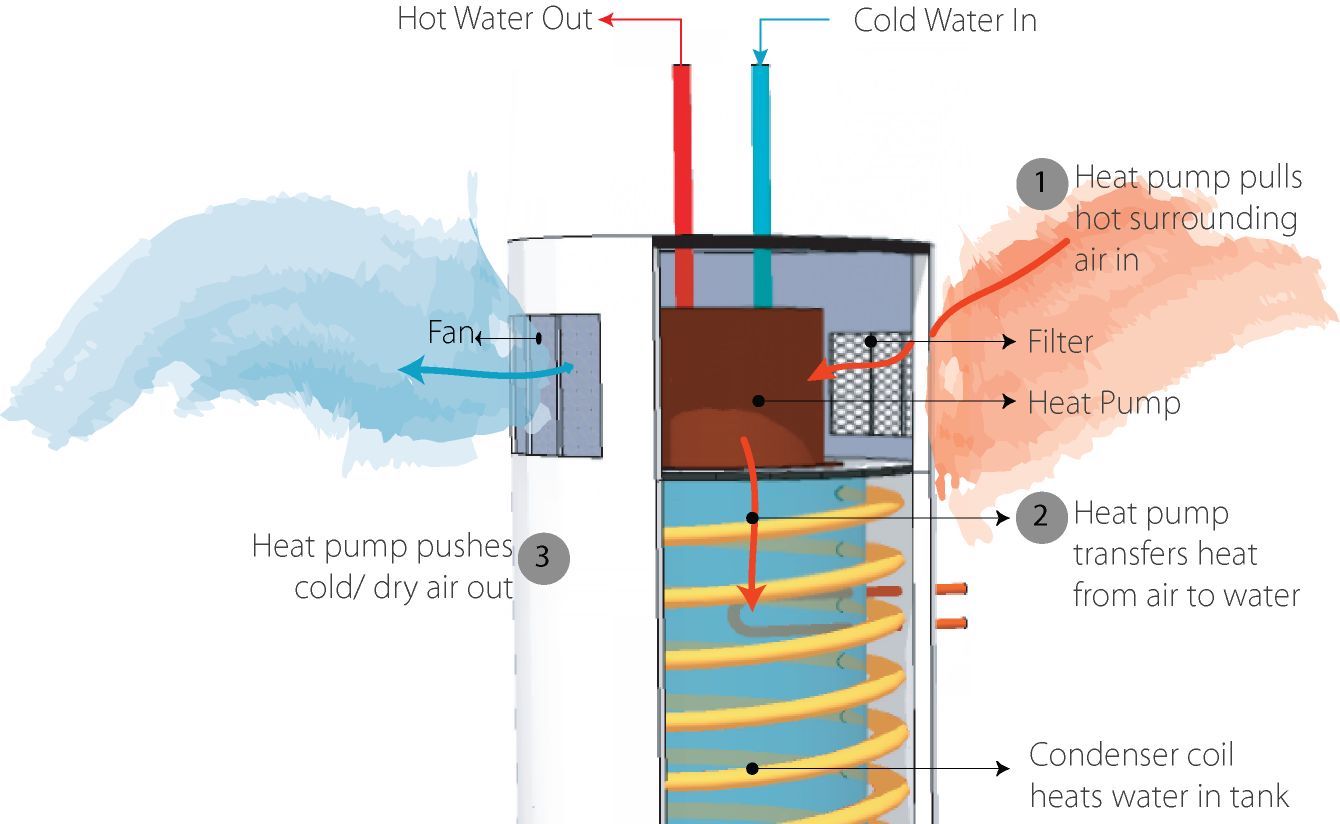
Unlike traditional air conditioners and furnaces that generate heat or cool air, a heat pump simply moves heat from one place to another. In the summer, it extracts heat from inside your home and transfers it outside, functioning like an air conditioner. During the winter, it reverses this process, extracting heat from the outside air (even when it's cold!) and transferring it indoors. Think of it as a reversible air conditioner.
This process relies on a refrigerant that cycles through a closed loop, absorbing and releasing heat as it changes state between liquid and gas. Key components of a heat pump include:
- Refrigerant: The working fluid that absorbs and releases heat.
- Compressor: Pumps the refrigerant and increases its pressure, raising its temperature.
- Condenser Coil: Releases heat from the refrigerant to the outside air in winter (inside air in summer).
- Evaporator Coil: Absorbs heat from the outside air in winter (inside air in summer).
- Reversing Valve: Controls the direction of refrigerant flow, switching between heating and cooling modes.
- Expansion Valve: Reduces the pressure of the refrigerant, allowing it to absorb heat.
Types of Heat Pumps: Air-Source vs. Geothermal
There are primarily two types of heat pumps: air-source heat pumps and geothermal (ground-source) heat pumps. Each has its own advantages and disadvantages.
Air-Source Heat Pumps
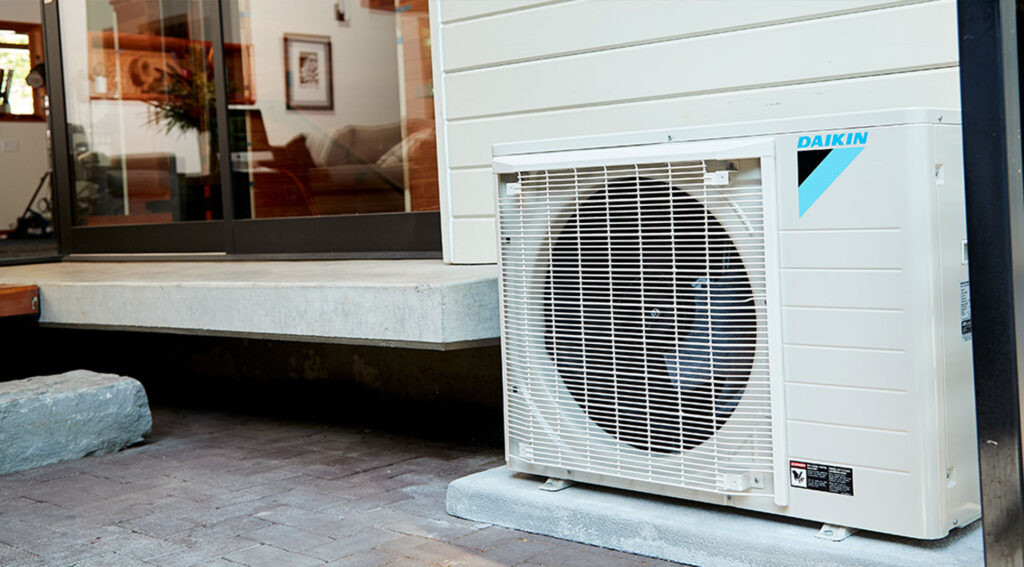
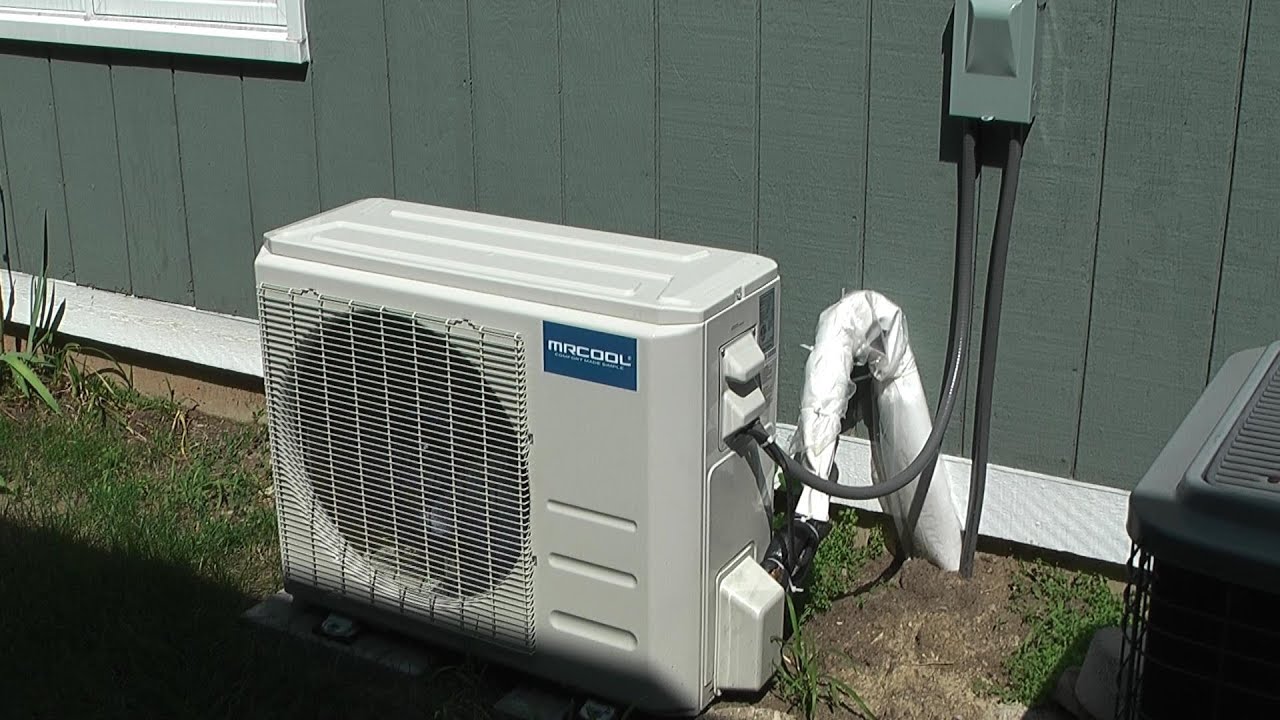
Air-source heat pumps (ASHPs) are the most common type. They transfer heat between your home and the outside air. They are generally less expensive to install than geothermal systems, making them an attractive option for many homeowners. However, their efficiency can decrease in extremely cold weather, requiring a backup heating system in some climates. Newer ASHP models, particularly cold-climate heat pumps, are designed to perform well even in sub-freezing temperatures. These advanced models use enhanced compressors and refrigerants to maintain heating capacity and efficiency at lower temperatures.
Geothermal Heat Pumps
Geothermal heat pumps (GHPs), also known as ground-source heat pumps, utilize the stable temperature of the earth a few feet below the surface. They circulate a refrigerant through a loop buried in the ground, either horizontally or vertically. Because the ground temperature remains relatively constant year-round, GHPs are significantly more energy-efficient than ASHPs, especially in extreme climates. They require a larger upfront investment due to the cost of installing the ground loop system, but their operating costs are typically much lower. GHP systems also boast a longer lifespan than ASHPs, often lasting 20 years or more. For facility managers looking for long-term cost savings and environmental benefits, geothermal heat pumps are a viable, albeit expensive, consideration.
Why Replace Your AC with a Heat Pump? Advantages
Replacing your aging air conditioner with a heat pump offers several potential benefits:
- Energy Efficiency: Heat pumps are generally more energy-efficient than traditional air conditioners and furnaces, leading to lower utility bills. This is especially true for geothermal heat pumps.
- Year-Round Comfort: One system provides both heating and cooling, eliminating the need for separate appliances.
- Reduced Carbon Footprint: By using electricity instead of fossil fuels for heating, heat pumps can significantly reduce your carbon emissions.
- Improved Air Quality: Heat pumps don't burn fuel, so they don't produce harmful combustion byproducts.
- Quieter Operation: Heat pumps tend to operate more quietly than traditional furnaces and air conditioners.
- Potential Rebates and Incentives: Many government and utility companies offer rebates and incentives for installing energy-efficient heat pumps.
Disadvantages and Considerations
While heat pumps offer numerous advantages, there are also some potential drawbacks to consider:
- Upfront Cost: Heat pumps, especially geothermal systems, can have a higher initial cost than traditional air conditioners and furnaces.
- Performance in Cold Climates: Older air-source heat pump models may struggle to maintain adequate heating capacity in extremely cold weather. However, as mentioned earlier, cold-climate heat pumps are designed to address this issue.
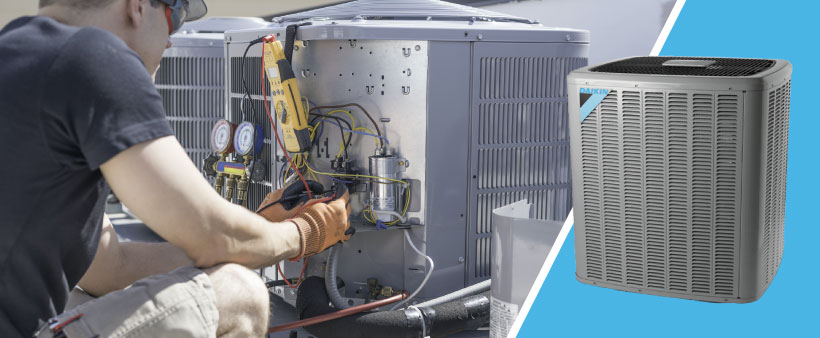
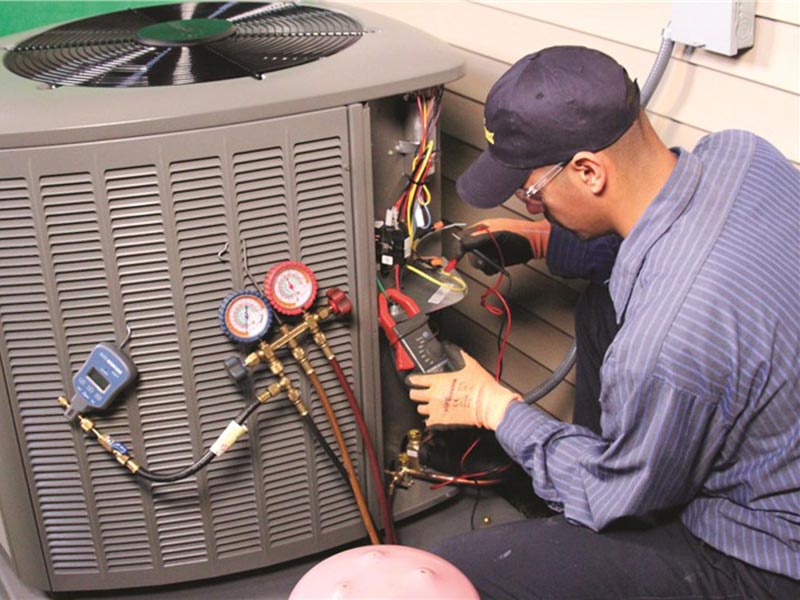
- Professional Installation: Proper installation is crucial for optimal performance and efficiency. It's essential to hire a qualified and experienced HVAC technician.
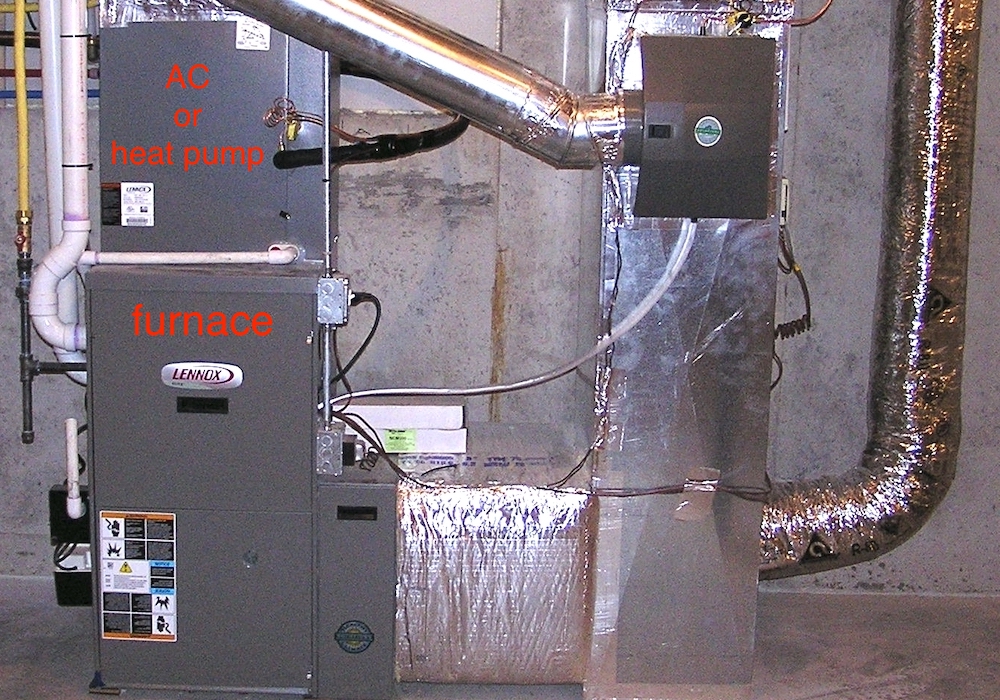
- Existing Ductwork: In some cases, existing ductwork may need to be modified or replaced to accommodate a heat pump system. A technician will assess your current setup and advise you on any necessary changes.
- Backup Heating: In very cold climates, a backup heating system may be necessary to supplement the heat pump's output. This could be an electric resistance heater or a gas furnace.
Cost Comparison: Heat Pump vs. Air Conditioner
The cost of replacing your AC with a heat pump varies depending on several factors, including the type of heat pump (air-source or geothermal), the size of your home, and the complexity of the installation. Here's a general cost comparison:
- Air-Source Heat Pump: Installation costs typically range from $4,000 to $12,000.
- Geothermal Heat Pump: Installation costs can range from $20,000 to $45,000 or more, depending on the size and type of ground loop system.
- Traditional Air Conditioner: Installation costs typically range from $3,000 to $7,000.
While the initial cost of a heat pump may be higher, it's essential to consider the long-term savings on energy bills. Heat pumps can significantly reduce your heating and cooling costs, offsetting the higher upfront investment over time.
Example: A homeowner in a moderate climate might save 30-50% on their heating bills by switching from a gas furnace to an air-source heat pump. Over 10 years, these savings could easily exceed the difference in initial installation costs.
Efficiency Ratings: SEER, HSPF, and COP
When evaluating heat pumps and air conditioners, it's crucial to understand the efficiency ratings:
- SEER (Seasonal Energy Efficiency Ratio): Measures the cooling efficiency of an air conditioner or heat pump. A higher SEER rating indicates better efficiency. The current minimum SEER rating for new air conditioners is 14 in most regions of the United States.
- HSPF (Heating Seasonal Performance Factor): Measures the heating efficiency of a heat pump. A higher HSPF rating indicates better efficiency. The current minimum HSPF rating for new heat pumps is 8.8.
- COP (Coefficient of Performance): Measures the heating efficiency of a heat pump at a specific outdoor temperature. A higher COP indicates better efficiency.
When comparing models, look for units with high SEER and HSPF ratings to maximize energy savings. Also, consider the COP rating if you live in a cold climate. Energy Star certified models meet or exceed certain efficiency standards and are a good option to consider.
Installation Considerations for HVAC Technicians
For HVAC technicians, replacing an AC with a heat pump involves several key considerations:
- Proper Sizing: Accurately sizing the heat pump to the home's heating and cooling load is crucial for optimal performance. Use Manual J calculations to determine the appropriate size.
- Refrigerant Line Sets: Ensure the refrigerant line sets are properly sized and insulated to prevent leaks and maximize efficiency.
- Electrical Wiring: Verify that the electrical wiring is adequate to handle the heat pump's power requirements.
- Ductwork Inspection: Inspect the existing ductwork for leaks, blockages, and proper insulation. Repair or replace any damaged sections.
- Refrigerant Charge: Properly charge the refrigerant to the manufacturer's specifications.
- System Testing: Thoroughly test the system after installation to ensure it's operating correctly and efficiently.
- Homeowner Education: Educate the homeowner on how to operate and maintain the heat pump system.
Proper vacuuming of the refrigerant lines is paramount. Moisture in the system will severely impact performance and lifespan.
Maintenance and Lifespan
Proper maintenance is essential to ensure the longevity and efficiency of your heat pump system. Regular maintenance tasks include:
- Cleaning or replacing air filters regularly (every 1-3 months).
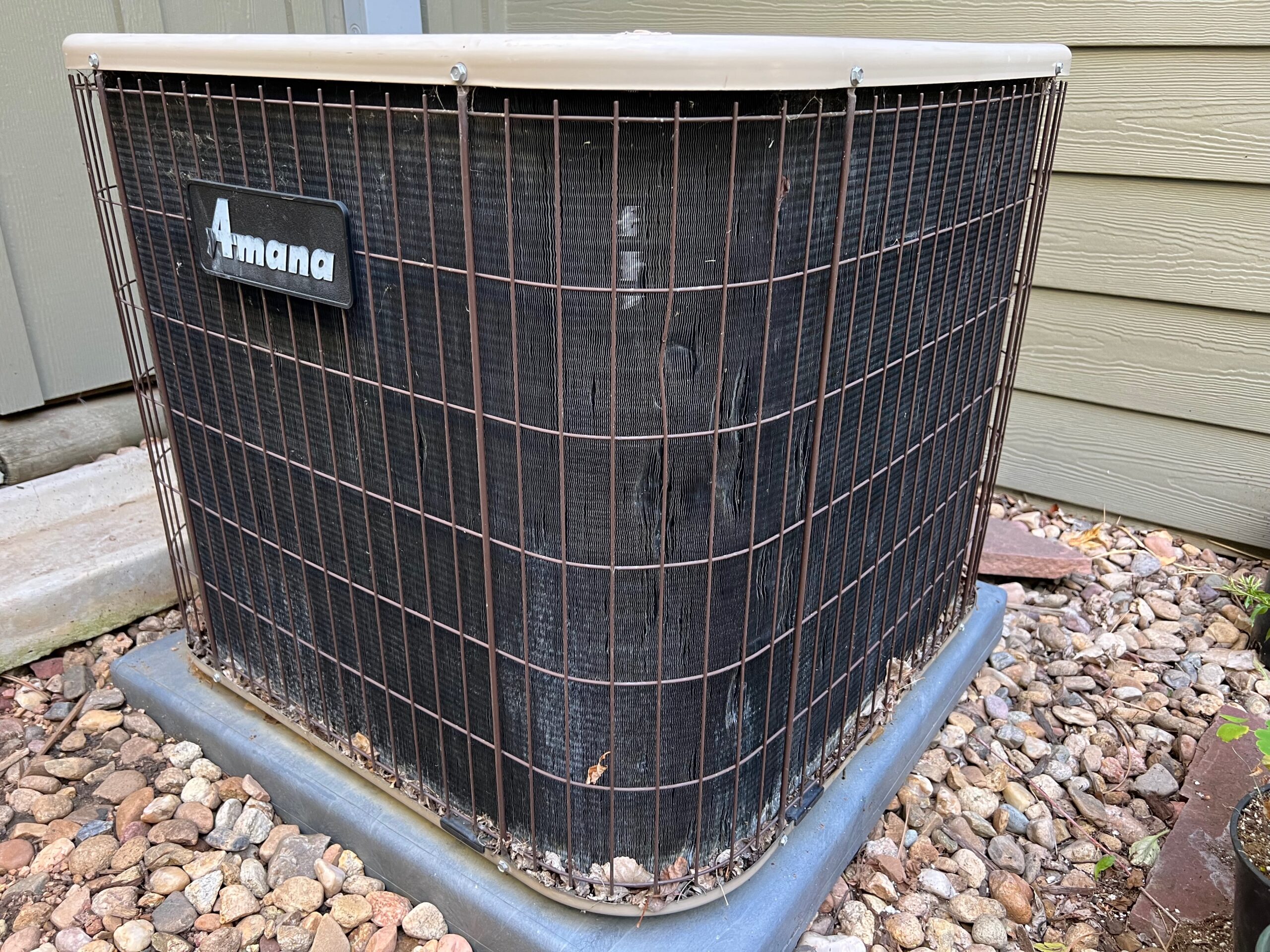
- Cleaning the outdoor coil annually.
- Inspecting and cleaning the indoor coil annually.
- Checking refrigerant levels annually.
- Inspecting and tightening electrical connections.
With proper maintenance, air-source heat pumps can last 10-15 years, while geothermal heat pumps can last 20 years or more.
Conclusion
Replacing your air conditioner with a heat pump can be a smart investment for homeowners, HVAC technicians, and facility managers. While the initial cost may be higher, the potential for energy savings, reduced carbon footprint, and year-round comfort makes it an attractive option. By carefully considering the factors discussed in this article, you can make an informed decision about whether a heat pump is the right choice for your needs. Remember to consult with a qualified HVAC professional to assess your specific situation and recommend the best system for your home or building.