Replace Evaporator Coil Or Whole Unit

When your air conditioner starts showing signs of trouble, one of the first questions that comes to mind is: "Do I need to replace the entire system, or can I just fix the faulty part?" A common component that often causes problems is the evaporator coil. Deciding whether to replace just the coil or the entire unit is a complex decision, with several factors influencing the optimal choice. This article will guide homeowners, HVAC technicians, and facility managers through the considerations involved in making this crucial decision.
Understanding the Evaporator Coil
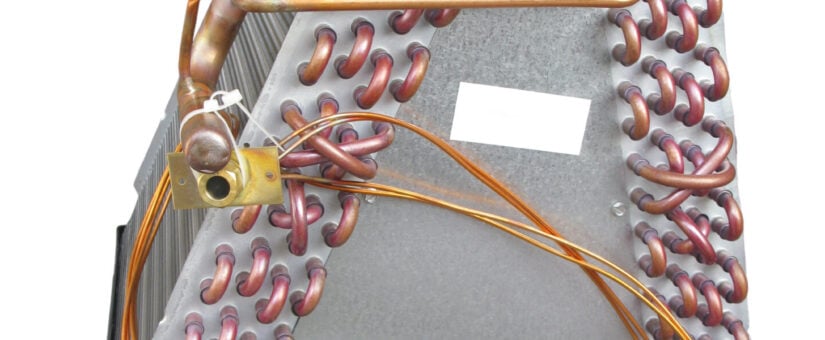
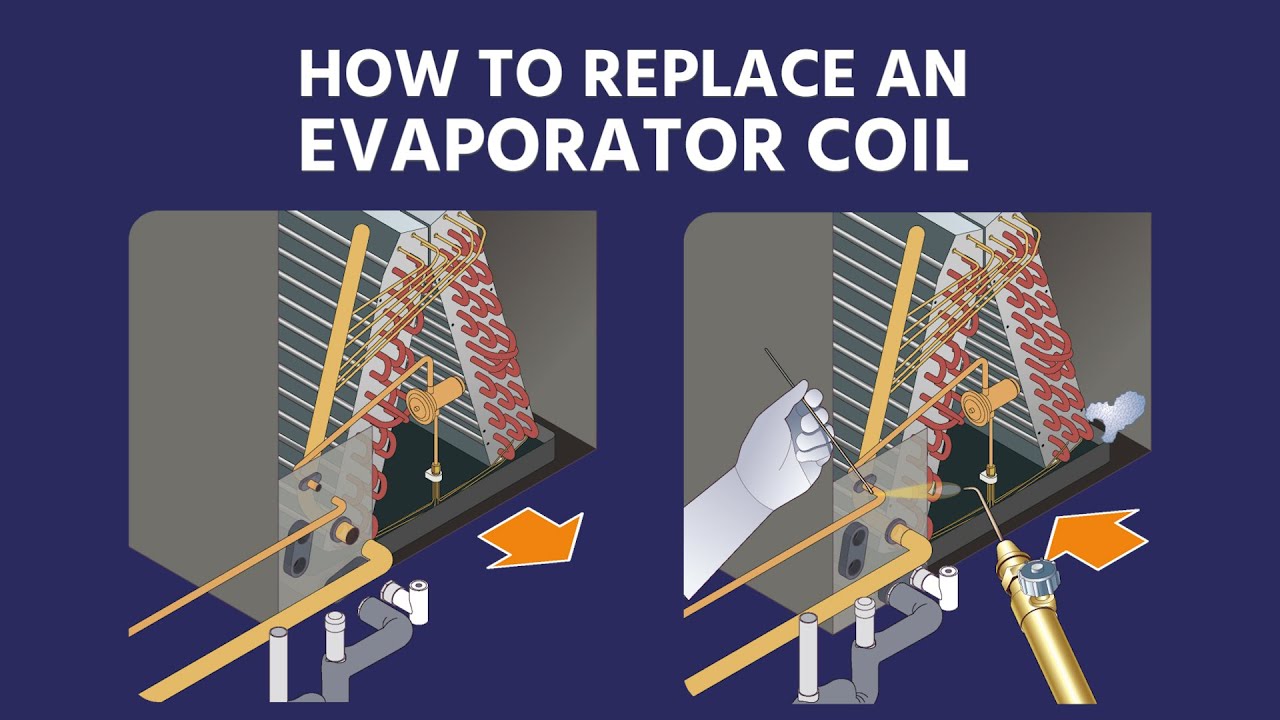
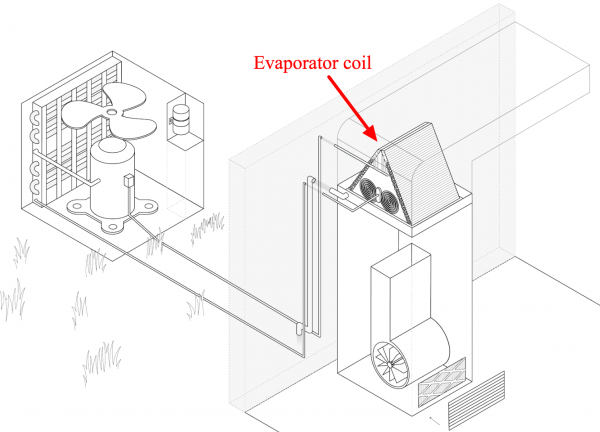
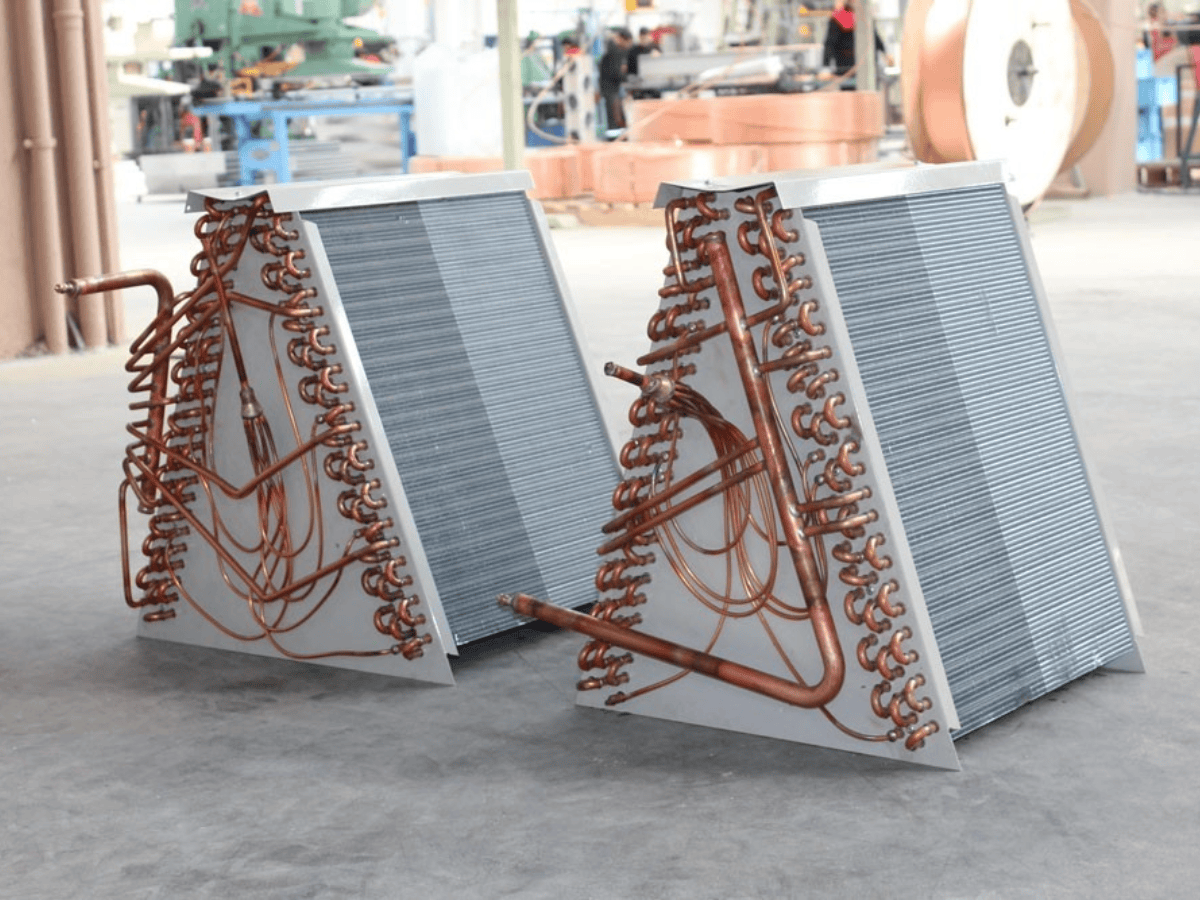
The evaporator coil is a crucial component of your air conditioning system. Located inside the air handler (typically part of your furnace or a dedicated indoor unit), its job is to absorb heat from the air passing over it. Refrigerant, circulating through the coil, evaporates and cools the air, which is then distributed throughout your home or building. Think of it like the radiator in your car, but instead of radiating heat, it absorbs it.
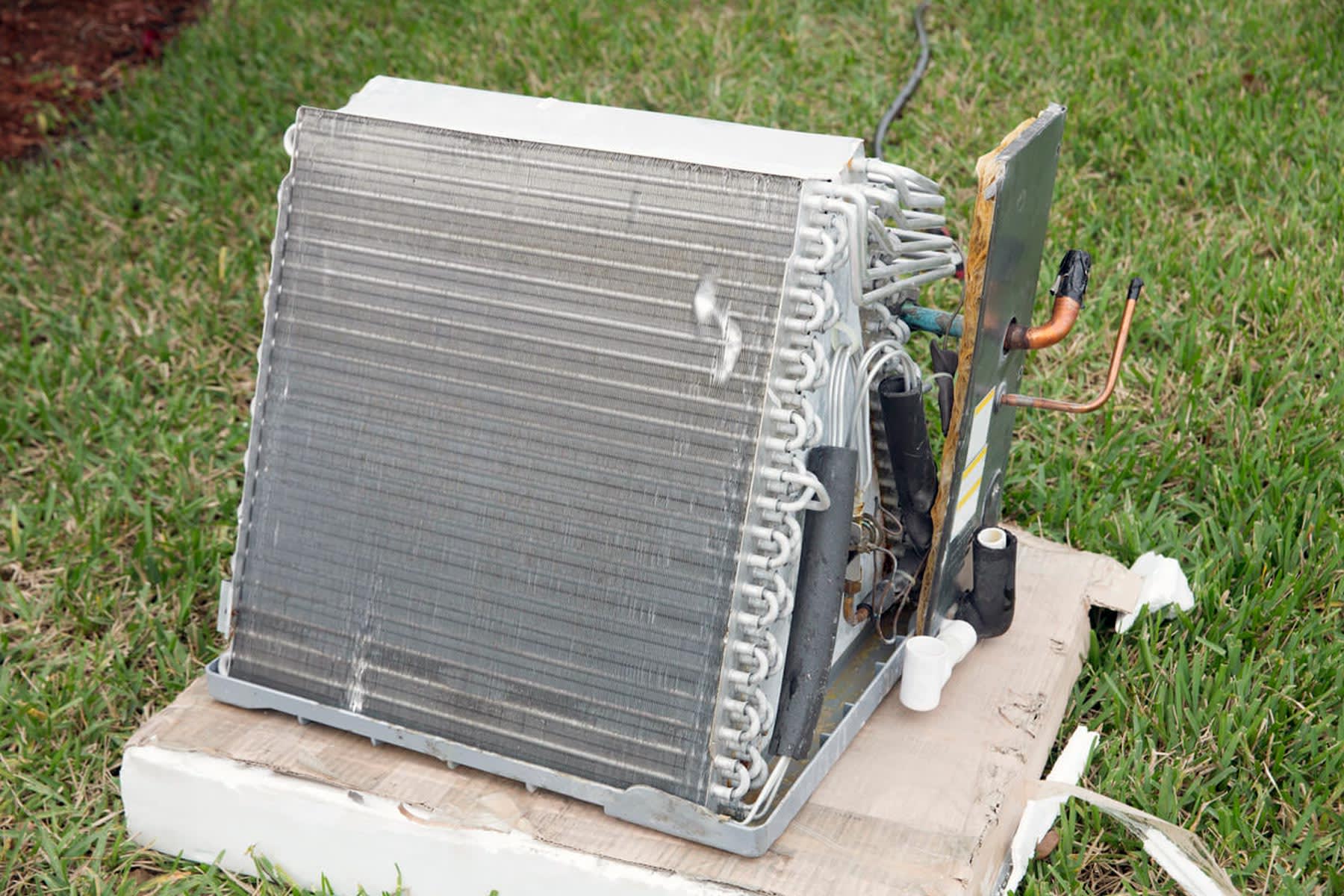
Over time, the evaporator coil can develop leaks, become corroded, or get clogged with dirt and debris, significantly impacting the system's performance. Common signs of a failing evaporator coil include:
- Reduced cooling capacity: The air coming from your vents isn't as cold as it used to be.
- Increased energy bills: The system is working harder to achieve the desired temperature.
- Ice buildup on the coil: This restricts airflow and further reduces cooling efficiency.
- Refrigerant leaks: A hissing sound or visible oily residue around the coil can indicate a leak.
- Water leaks: The condensation drain can get overwhelmed if the coil isn't functioning correctly.
Factors to Consider: Coil Replacement vs. Full Unit Replacement
The decision to replace the evaporator coil alone or the entire AC unit hinges on several factors. Here's a breakdown of the key considerations:
1. Age of the System
A crucial factor is the age of your existing AC system. If your unit is older than 10-12 years, replacing the entire system is often the more cost-effective long-term solution. This is because older systems typically use less efficient refrigerants and technology. Even if the evaporator coil is the only immediate problem, other components are likely nearing the end of their lifespan.
Example: Imagine you have a 15-year-old AC unit with a malfunctioning evaporator coil. Replacing just the coil might seem cheaper initially, but the compressor, fan motor, and other components are likely to fail soon, leading to further repair costs. Investing in a new, high-efficiency system can provide better performance, lower energy bills, and a longer lifespan.
2. Refrigerant Type
Older AC systems often use R-22 refrigerant, which is being phased out due to its environmental impact. If your system uses R-22 and the evaporator coil needs replacement, it might be difficult or expensive to find a compatible coil. Furthermore, the cost of R-22 refrigerant has increased significantly, making repairs more expensive in the long run. Replacing the entire system with one that uses the more environmentally friendly R-410A or newer refrigerants becomes a much more sensible option.
3. Cost Comparison
Get quotes for both evaporator coil replacement and full system replacement. Consider not only the upfront costs but also the potential long-term savings from a more efficient system. A new, high-efficiency system can significantly reduce your energy bills, offsetting the higher initial investment over time.
Tip for HVAC Technicians: When presenting options to customers, provide a detailed breakdown of the costs involved, including parts, labor, refrigerant (if applicable), and potential energy savings. Use software or spreadsheets to illustrate the long-term cost benefits of a new system.
4. SEER Rating and Energy Efficiency
SEER (Seasonal Energy Efficiency Ratio) is a measure of an air conditioner's cooling efficiency. Older systems typically have lower SEER ratings than newer models. Replacing your entire unit with a higher SEER system can result in significant energy savings. For example, upgrading from a SEER 10 to a SEER 16 system can reduce your cooling energy consumption by as much as 40%.
Note for Facility Managers: For large buildings with multiple AC units, upgrading to high-efficiency systems can result in substantial cost savings and a reduced carbon footprint. Consider exploring energy efficiency rebates and incentives offered by local utilities.
5. Warranty Considerations
Check the warranty on your existing AC system. If the evaporator coil is still under warranty, replacement might be a more straightforward option. However, consider that the warranty may only cover the part itself and not the labor costs associated with the replacement. Also, installing a new evaporator coil into an old system can sometimes void the warranty on other components.
Newer systems typically come with more comprehensive warranties, often covering both parts and labor for several years. This can provide peace of mind and protect you from unexpected repair costs.
6. System Compatibility
When replacing the evaporator coil, it's crucial to ensure compatibility with the existing condenser (the outdoor unit). Mismatched components can lead to reduced efficiency and premature failure. HVAC technicians must carefully consider the system's design and specifications to ensure proper matching. Sometimes, replacing only the evaporator coil can lead to reduced lifespan of the still operational condenser due to the pressure and demands the new coil puts on the older condenser.
7. Ductwork Condition
Before replacing any HVAC components, assess the condition of your ductwork. Leaky or poorly insulated ducts can significantly reduce the efficiency of your system, regardless of whether you replace just the coil or the entire unit. Sealing and insulating your ducts can improve comfort and lower energy bills.
8. Future Needs
Consider your long-term needs when making your decision. Are you planning to stay in your home or building for many years to come? If so, investing in a new, high-efficiency system is likely the better option. If you are planning to move soon, replacing only the evaporator coil might be a more practical short-term solution.
The Role of the HVAC Technician
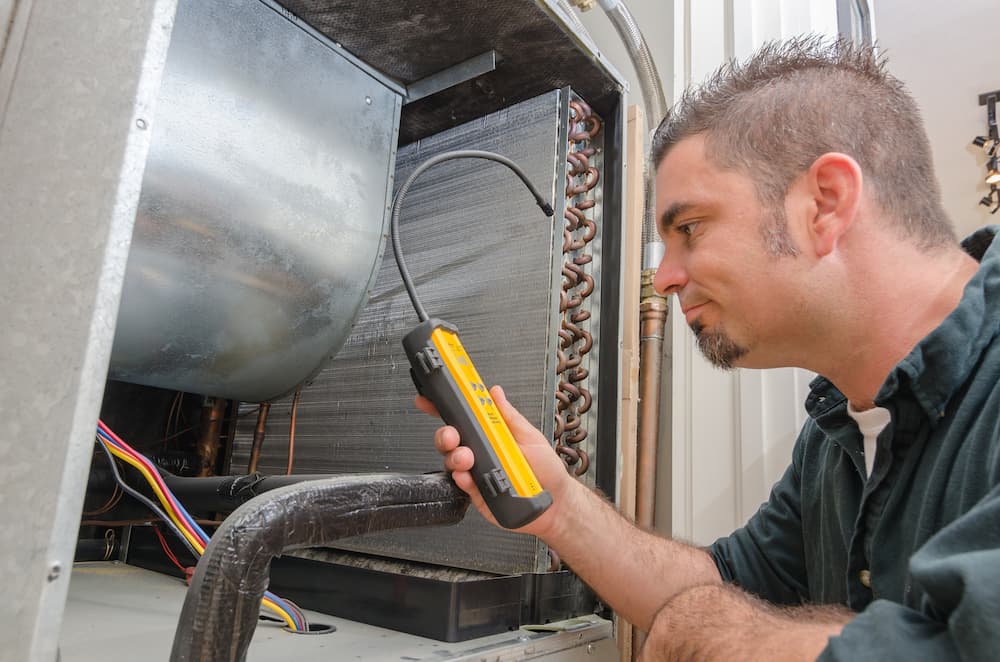
A qualified HVAC technician plays a vital role in helping you make the right decision. They can assess your system, diagnose the problem accurately, and provide you with a comprehensive cost-benefit analysis of both options. Be sure to get multiple quotes and ask questions to understand the recommendations being made.
Key Questions to Ask Your HVAC Technician:
- What is the lifespan of the remaining components in my system?
- What are the potential energy savings of a new, high-efficiency system?
- What are the warranty options for both evaporator coil replacement and full system replacement?
- What are the potential risks of replacing only the evaporator coil?
Making the Right Choice
Ultimately, the decision to replace the evaporator coil or the entire unit is a personal one, based on your individual circumstances and budget. Carefully weigh the factors discussed above, consult with a qualified HVAC technician, and make an informed decision that meets your needs and ensures long-term comfort and energy efficiency.
In summary:
- Replace the evaporator coil if: Your system is relatively new (less than 10 years old), the coil is still under warranty, and the refrigerant type is still readily available and cost-effective.
- Replace the entire unit if: Your system is old (more than 10-12 years), the refrigerant is being phased out, you want to improve energy efficiency, and you are looking for a more comprehensive warranty.
By understanding the factors involved and seeking professional advice, you can make the best choice for your home or building and ensure optimal comfort and energy savings for years to come.