Replacing Anode Rod In Electric Water Heater
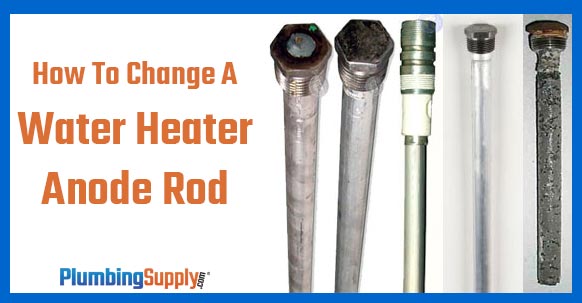
A common household frustration? Discovering your hot water has dwindled to a lukewarm trickle, or noticing a rusty tinge when you turn on the tap. Often, the culprit isn't a major malfunction, but a component working hard behind the scenes: the anode rod in your electric water heater.
This often-overlooked part is a sacrificial lamb, designed to corrode *before* your water heater tank does, extending its lifespan. Ignoring a failing anode rod can lead to tank corrosion, leaks, and ultimately, a costly water heater replacement. Fortunately, replacing the anode rod is a relatively straightforward DIY project for the confident homeowner. This guide will walk you through the process, empowering you to tackle this repair safely and effectively. However, always remember: when in doubt, consult a qualified plumber or electrician.
Troubleshooting the Issue: Is it Really the Anode Rod?
Before diving in, let's confirm the anode rod is the likely problem. Consider these symptoms:
- Rusty or discolored hot water: This is a prime indicator that the anode rod is corroding and the tank might be next.
- Foul-smelling hot water (often described as "rotten egg" smell): This can be caused by bacteria reacting with the anode rod, especially magnesium rods.
- No hot water, or inconsistent hot water temperature: While this could be a heating element issue (which requires different troubleshooting and may warrant professional help), a severely corroded anode rod can indirectly contribute to these problems.
- Your water heater is nearing or exceeding its expected lifespan (typically 8-12 years): A failing anode rod is almost guaranteed at this point.
If you're experiencing these symptoms, especially the rusty water or foul smell, it's highly probable that the anode rod needs replacement.
Safety First! Crucial Preparations
Safety is paramount when working with any appliance, especially one connected to electricity and water. Before you begin, follow these essential safety precautions:
- Turn off the power: Locate the circuit breaker that controls your water heater and switch it to the "OFF" position. Double-check using a non-contact voltage tester to ensure the power is indeed off at the water heater. Never skip this step!
- Turn off the cold water supply: Find the cold water shut-off valve on the pipe leading *into* the water heater and close it completely.
- Allow the water to cool: Hot water can cause severe burns. Wait several hours for the water in the tank to cool down before draining any. Ideally, do this repair when the tank has been idle overnight.
- Gather your tools and materials: Having everything on hand will streamline the process and minimize potential hazards. See the list below.
- Wear appropriate safety gear: Safety glasses are a must to protect your eyes from debris. Gloves will protect your hands.
Tools and Materials You'll Need
* New Anode Rod: Purchase the correct type and size for your water heater model. Consult your owner's manual or the manufacturer's website. Common types are magnesium, aluminum, and zinc/aluminum alloy. * Socket Wrench (with extensions): The size will vary depending on your water heater, but a 1 1/16" or 1 1/2" socket is common. Extensions will help you reach the anode rod fitting. * Breaker Bar: This provides extra leverage to loosen a stubborn anode rod. * Pipe Wrench: Useful for gripping pipes and fittings. * Teflon Tape (Plumber's Tape): For sealing the threads of the new anode rod. * Bucket or Hose: To drain water from the tank. * Garden Hose Adapter (optional): Makes connecting a garden hose for draining easier. * Non-Contact Voltage Tester: To verify the power is off. * Safety Glasses * Gloves * Old Towels or Rags * Penetrating Oil (optional): To help loosen a corroded anode rod.Step-by-Step Replacement Guide
- Drain the Water Heater:
- Attach a garden hose to the drain valve located near the bottom of the water heater.
- Run the hose to a floor drain, outside, or into a large bucket.
- Open the drain valve. *Be prepared for a large volume of water.*
- To help the tank drain faster, open a hot water faucet somewhere in your house to allow air into the tank.
- Drain the tank until the water level is below the anode rod, typically a few gallons. You don't need to drain it completely.
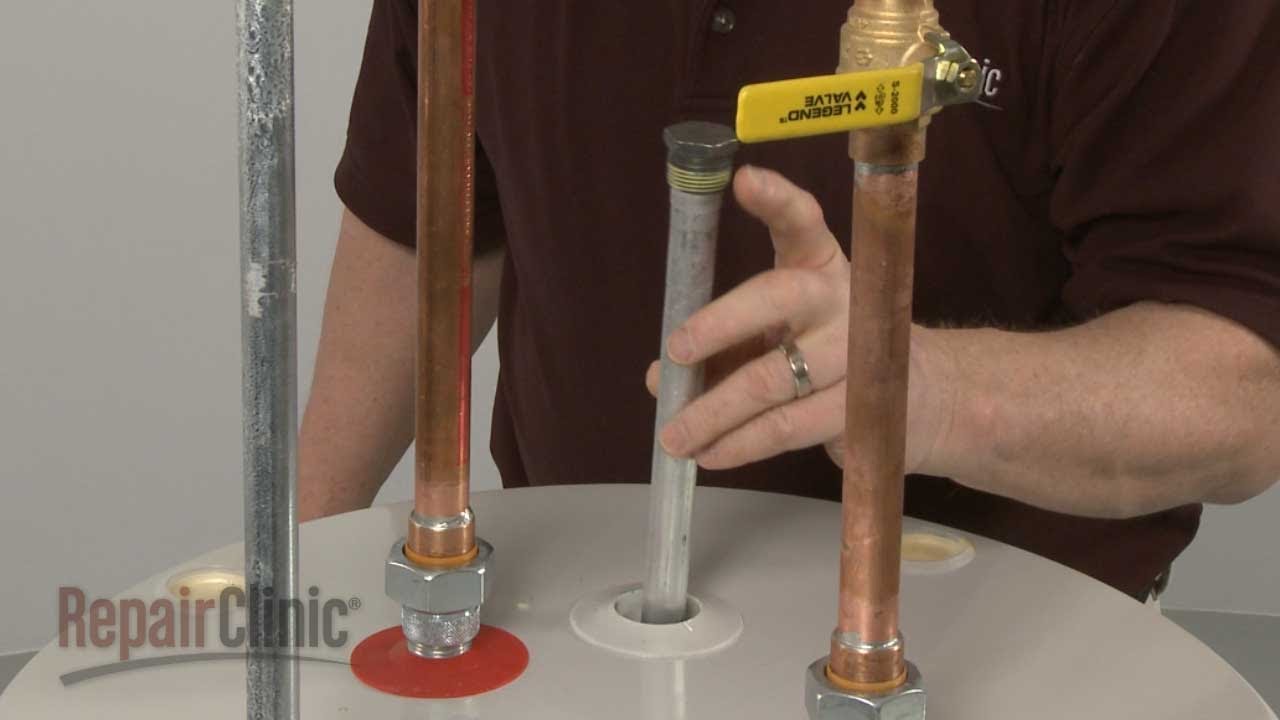
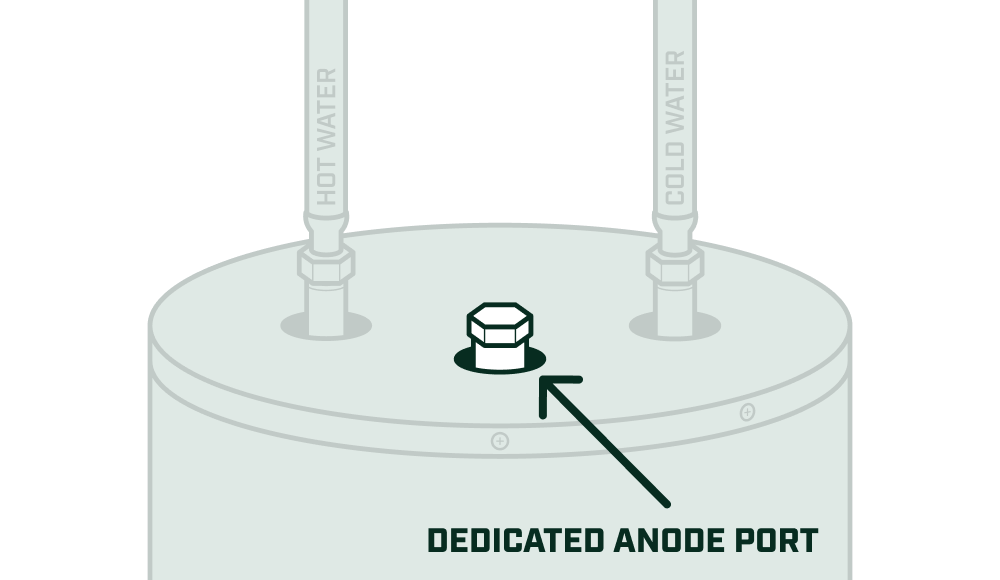
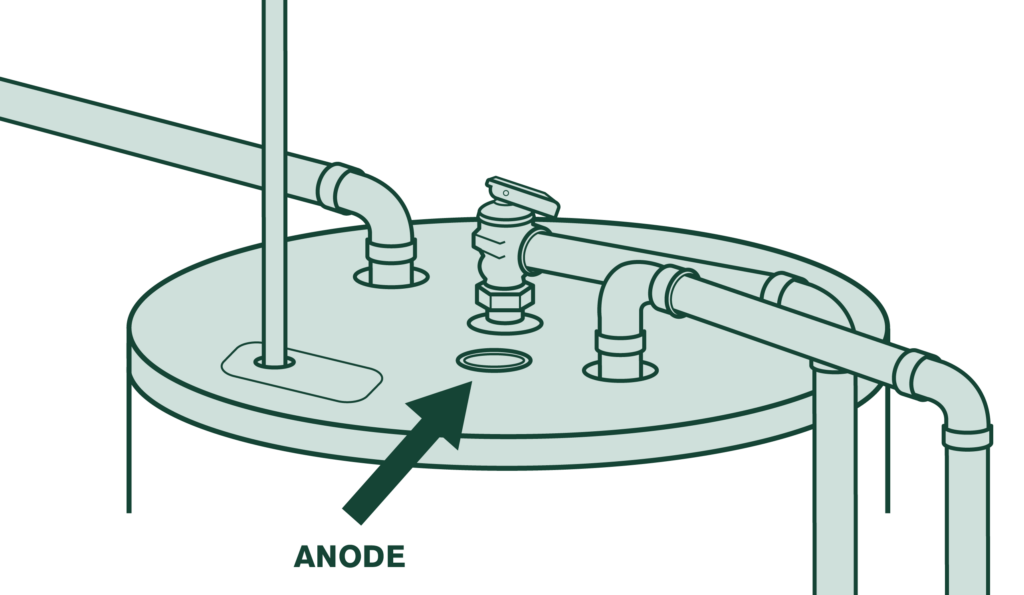
- Locate the Anode Rod: The anode rod is typically located on the top of the water heater, under a plastic cap or cover. Some water heaters might have the anode rod integrated with the hot water outlet.
- Loosen and Remove the Old Anode Rod:
- Use the socket wrench and breaker bar (if needed) to loosen the anode rod. This can be difficult, as the rod is often heavily corroded and tightly secured. Applying penetrating oil a few hours beforehand can help.
- Once loosened, carefully unscrew the anode rod completely. Be prepared for a small amount of water to spill out.
- Inspect the old anode rod. A severely corroded rod (thin, brittle, or completely eaten away) confirms the need for replacement.
- Prepare the New Anode Rod:
- Wrap the threads of the new anode rod with several layers of Teflon tape, applying it in the direction of the threads. This will ensure a watertight seal.
- Install the New Anode Rod:
- Carefully screw the new anode rod into the opening. Tighten it securely with the socket wrench. *Do not overtighten*, as this could damage the threads. A firm, snug fit is sufficient.
- Refill the Water Heater:
- Close the drain valve at the bottom of the water heater.
- Slowly open the cold water supply valve.
- Allow the tank to fill completely. You'll hear air escaping from the hot water faucet you opened earlier. Once water flows steadily from the faucet, close it.
- Check for Leaks:
- Carefully inspect the area around the anode rod and the drain valve for any leaks. If you find any, tighten the connections slightly. If leaks persist, you may need to drain the tank again and reapply Teflon tape.
- Restore Power:
- Once you're confident there are no leaks, switch the circuit breaker back to the "ON" position.
- Test the Water Heater:
- Wait a few hours for the water to heat up.
- Test the hot water at various faucets to ensure it's reaching the desired temperature.
Dealing with Stubborn Anode Rods
Sometimes, the anode rod is so corroded that it's incredibly difficult to remove. Here are a few tips for dealing with a stubborn anode rod:
* Penetrating Oil: Apply a generous amount of penetrating oil to the threads of the anode rod and let it sit for several hours, or even overnight, before attempting to loosen it. * Breaker Bar: A breaker bar provides significantly more leverage than a standard wrench, making it easier to break free stubborn connections. * Impact Wrench: An impact wrench delivers powerful bursts of torque, which can be very effective at loosening corroded fasteners. However, use caution, as excessive force can damage the water heater. * Heat: Applying heat to the area around the anode rod fitting can help to expand the metal and break the corrosion bond. Use a propane torch carefully and avoid overheating the tank. Exercise extreme caution when using heat near flammable materials and water. * Sacrifice the Socket: Sometimes the socket might slip off while applying extreme pressure. Using a high quality socket is important to avoid this.Alternatives to Replacing the Anode Rod
While replacing the anode rod is the most common solution, there are some alternatives:
* Powered Anode Rod: A powered anode rod uses a small electrical current to prevent corrosion. These are more expensive but can last longer and are suitable for homes with hard water. * No Action (Not Recommended): Ignoring the problem is not a viable solution. It will inevitably lead to tank corrosion and a premature water heater failure.When to Call a Professional
While this guide aims to empower you, certain situations warrant professional help. Do not hesitate to call a qualified plumber or electrician if:
- You are uncomfortable working with electricity or water.
- You are unable to loosen the old anode rod, even after trying the tips above.
- You suspect the heating element is also faulty.
- You notice any signs of leaks from the tank itself, not just the fittings.
- Your water heater is old or heavily corroded. In this case, replacement might be a more cost-effective option.
- You are unsure about any step in the process.
Remember, safety and peace of mind are worth the cost of professional assistance.
Preventative Maintenance: Extending Your Water Heater's Life
Replacing the anode rod is a proactive step, but here are additional tips to extend the life of your water heater:
* Flush the Tank Annually: Sediment buildup can reduce efficiency and contribute to corrosion. Flush the tank once a year to remove sediment. * Lower the Temperature Setting: Setting the temperature too high can waste energy and accelerate corrosion. A setting of 120°F (49°C) is generally sufficient. * Insulate the Water Heater: Insulating the water heater can reduce heat loss and save energy. * Inspect the Anode Rod Regularly: Check the anode rod every few years, especially if you have hard water. If it's significantly corroded, replace it.By following these tips, you can ensure your water heater operates efficiently and reliably for years to come.
Understanding Anode Rod Types
Choosing the right anode rod is crucial for optimal performance. Here's a breakdown of the common types:
- Magnesium Anode Rod: This is the most common and least expensive type. It's highly reactive and provides excellent protection in most water conditions. However, it can produce a "rotten egg" smell in some water.
- Aluminum Anode Rod: Aluminum rods are less reactive than magnesium and less likely to cause odor problems. They are a good choice for homes with softer water.
- Zinc/Aluminum Alloy Anode Rod: This type is a compromise between magnesium and aluminum. It offers good protection and is less likely to produce odors than magnesium. It's often used in areas with hard water.
- Powered Anode Rod: As mentioned earlier, this type uses a small electrical current to prevent corrosion. It's more expensive but can last longer and is suitable for homes with hard water or persistent odor problems.
Consult your water heater's owner's manual or the manufacturer's website to determine the recommended anode rod type for your model.
By understanding the function of the anode rod, following these detailed steps, and prioritizing safety, you can confidently tackle this common household repair and extend the life of your water heater. Remember to always consult a professional when needed!