Replacing Anode Rod In Water Heater

Water heaters are essential appliances, providing hot water for everything from showers to dishwashing. While often overlooked, maintaining your water heater is crucial for its longevity and efficiency. One of the most important, yet often neglected, maintenance tasks is replacing the anode rod. This sacrificial component protects your water heater tank from corrosion, extending its lifespan and saving you money in the long run.
Understanding Anode Rods: Your Water Heater's Silent Guardian
An anode rod, sometimes called a sacrificial anode, is a metal rod suspended inside your water heater tank. Its purpose is to corrode instead of the tank itself. Water, especially when heated, is corrosive to steel. The anode rod, typically made of magnesium, aluminum, or an alloy of the two, is more reactive than the steel tank. This means that when corrosion starts, the anode rod attracts the corrosive elements, sacrificing itself to protect the tank.
Think of it like this: imagine a castle made of steel. To protect it from rust, you place smaller, weaker metal statues around the castle. These statues will rust first, diverting the corrosion away from the castle walls, thus prolonging the castle's life. The anode rod is like those statues.
Types of Anode Rods
Several types of anode rods are available, each with its own advantages and disadvantages:
- Magnesium Anode Rods: These are the most common type and offer excellent protection, especially in soft water. However, they can produce a sulfur-like odor in hard water due to a reaction with sulfate-reducing bacteria.
- Aluminum Anode Rods: These are a good alternative to magnesium rods, especially in hard water. They generally don't produce odors but may not be as effective in soft water.
- Aluminum/Zinc Alloy Anode Rods: These rods combine the benefits of both aluminum and zinc, providing good protection in a variety of water conditions and reducing the likelihood of odor problems.
- Powered Anode Rods: These are electronically powered and provide continuous protection regardless of water conditions. They are more expensive than sacrificial anodes but can be a good option for extending the life of your water heater in areas with highly corrosive water.
The best type for your water heater depends on your water quality. You can often determine your water hardness by checking with your local water utility or using a home testing kit.
When and Why to Replace Your Anode Rod
The lifespan of an anode rod varies depending on water quality and usage. In general, you should inspect your anode rod every 2-3 years and replace it when it's significantly corroded – typically when it's reduced to about 1/3 of its original diameter. Signs that your anode rod needs replacement include:
- Discolored or foul-smelling hot water: This is often a sign that the anode rod is no longer effectively protecting the tank, and corrosion is starting to occur.
- Unusual noises from the water heater: Rumbling or popping sounds can indicate sediment buildup due to corrosion.
- Rust-colored water: This is a clear sign that the tank is starting to corrode.
- Age of the water heater: If your water heater is more than 5 years old and you haven't replaced the anode rod, it's likely time to do so.
Replacing the anode rod proactively can significantly extend the life of your water heater, potentially saving you hundreds or even thousands of dollars on a premature replacement. Ignoring this maintenance task can lead to tank corrosion, leaks, and ultimately, a complete water heater failure.
Step-by-Step Guide to Replacing Your Anode Rod
Replacing an anode rod is a relatively straightforward process, but it's essential to follow safety precautions. If you're not comfortable working with plumbing or electricity, it's best to call a qualified HVAC technician.
Tools and Materials Needed:
- New Anode Rod (ensure it's the correct size and type for your water heater)
- Pipe Wrench or Socket Wrench (size varies depending on the anode rod)
- Penetrating Oil (optional, but helpful for loosening stubborn connections)
- Teflon Tape
- Bucket
- Garden Hose
- Gloves
- Safety Glasses
Procedure:
- Turn Off the Power and Water: Before starting any work, turn off the power to the water heater at the circuit breaker. Then, turn off the cold-water supply valve to the water heater.
- Drain the Water Heater: Attach a garden hose to the drain valve at the bottom of the water heater and run the hose to a drain or outside. Open the drain valve and let the water drain until it's below the level of the anode rod. This typically requires draining about 5-10 gallons.
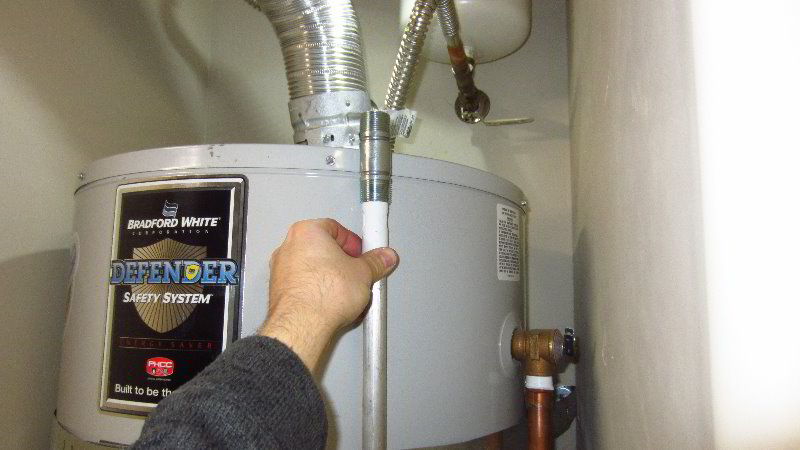
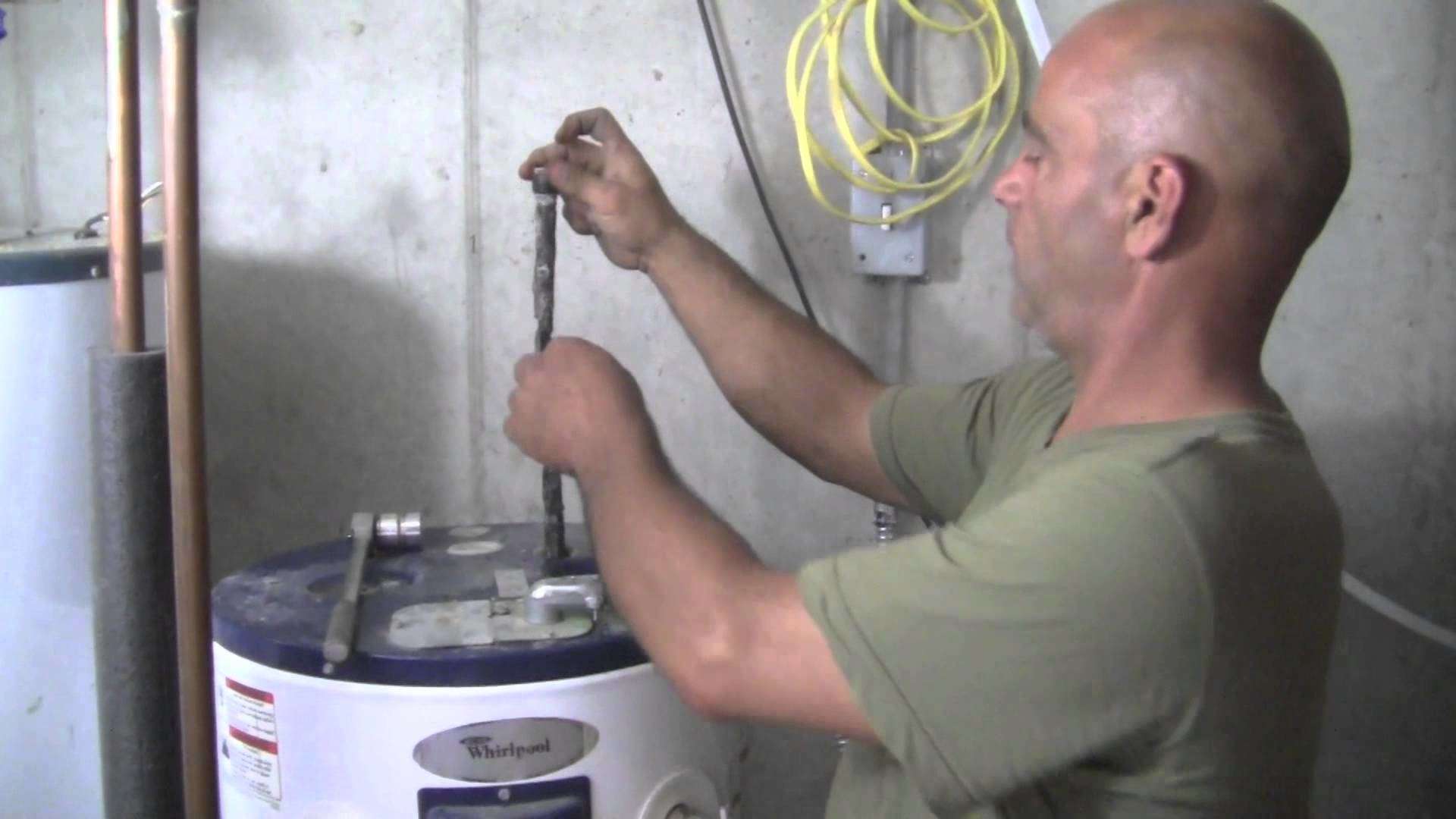
- Locate and Remove the Old Anode Rod: The anode rod is usually located on the top of the water heater, either under a cap or directly accessible. It may be difficult to remove due to corrosion. Apply penetrating oil to the connection and let it sit for a few minutes. Use a pipe wrench or socket wrench to loosen and remove the old anode rod. Be careful, as the rod may be heavy and corroded.
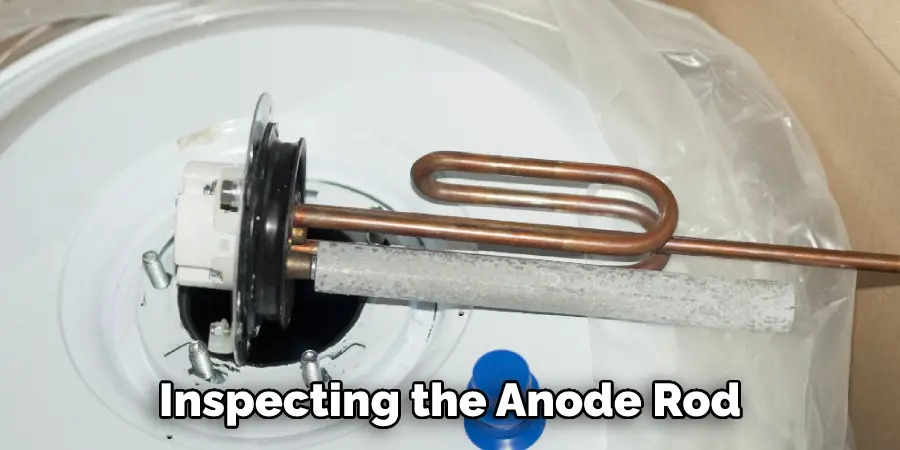
- Inspect the Old Anode Rod: Examine the old anode rod to assess its condition. If it's severely corroded, it's a clear indication that you've been protecting your tank.
- Prepare and Install the New Anode Rod: Wrap the threads of the new anode rod with Teflon tape to create a watertight seal. Carefully insert the new anode rod into the opening and tighten it securely with a pipe wrench or socket wrench. Avoid overtightening, which could damage the threads.
- Refill the Water Heater: Close the drain valve at the bottom of the water heater. Open the cold-water supply valve to refill the tank. Let the water run until all the air is purged from the system.
- Turn On the Power: Once the tank is full, turn the power back on at the circuit breaker.
- Check for Leaks: Inspect the anode rod connection and drain valve for any leaks. Tighten the connections if necessary.
Cost Considerations: Anode Rod Replacement vs. Water Heater Replacement
The cost of replacing an anode rod is relatively low compared to replacing the entire water heater. Anode rods typically cost between $20 and $100, depending on the type and quality. If you hire a professional plumber or HVAC technician to perform the replacement, labor costs can range from $100 to $300, depending on the complexity of the job.
In contrast, replacing a water heater can cost anywhere from $500 to $2000 or more, including the cost of the new unit and installation. By proactively replacing the anode rod, you can significantly extend the life of your water heater and avoid this costly expense.
Example: Let’s say a new water heater costs $800 to purchase and $400 to install, totaling $1200. An anode rod and professional replacement might cost $250. If replacing the anode rod every 3 years extends the lifespan of the water heater by 6 years, the anode rod replacements will cost $500 over that period, far less than the cost of a new water heater and installation. The savings justify the maintenance.
Anode Rods and Tankless Water Heaters
While traditional tank water heaters rely heavily on anode rods for corrosion protection, tankless water heaters generally don't require them. This is because tankless water heaters heat water on demand, rather than storing it in a tank. This reduces the risk of corrosion and sediment buildup.
However, tankless water heaters still require regular maintenance, such as descaling to remove mineral buildup. Follow the manufacturer's recommendations for maintenance to ensure optimal performance and longevity.
Benefits of Regular Anode Rod Replacement for Facility Managers
For facility managers overseeing multiple water heaters in commercial buildings, a proactive anode rod replacement program is crucial for minimizing downtime and controlling costs. By scheduling regular inspections and replacements, you can prevent unexpected water heater failures, reduce emergency repair costs, and extend the overall lifespan of your equipment.
Preventive Maintenance Saves Money: Implementing a schedule to replace anode rods across all units during routine maintenance cycles allows for bulk purchases of anode rods, reducing per-unit cost. This streamlined process will also decrease the overall labor burden, as techs can accomplish this task during scheduled visits instead of reacting to failures.
Conclusion
Replacing the anode rod in your water heater is a simple and cost-effective way to protect your investment and extend its lifespan. By understanding the role of the anode rod and following a regular maintenance schedule, you can ensure a reliable supply of hot water for years to come. Whether you're a homeowner, HVAC technician, or facility manager, prioritizing anode rod maintenance is a smart decision that will save you time, money, and headaches in the long run. Contact a qualified HVAC professional if you have any questions or concerns about your water heater.