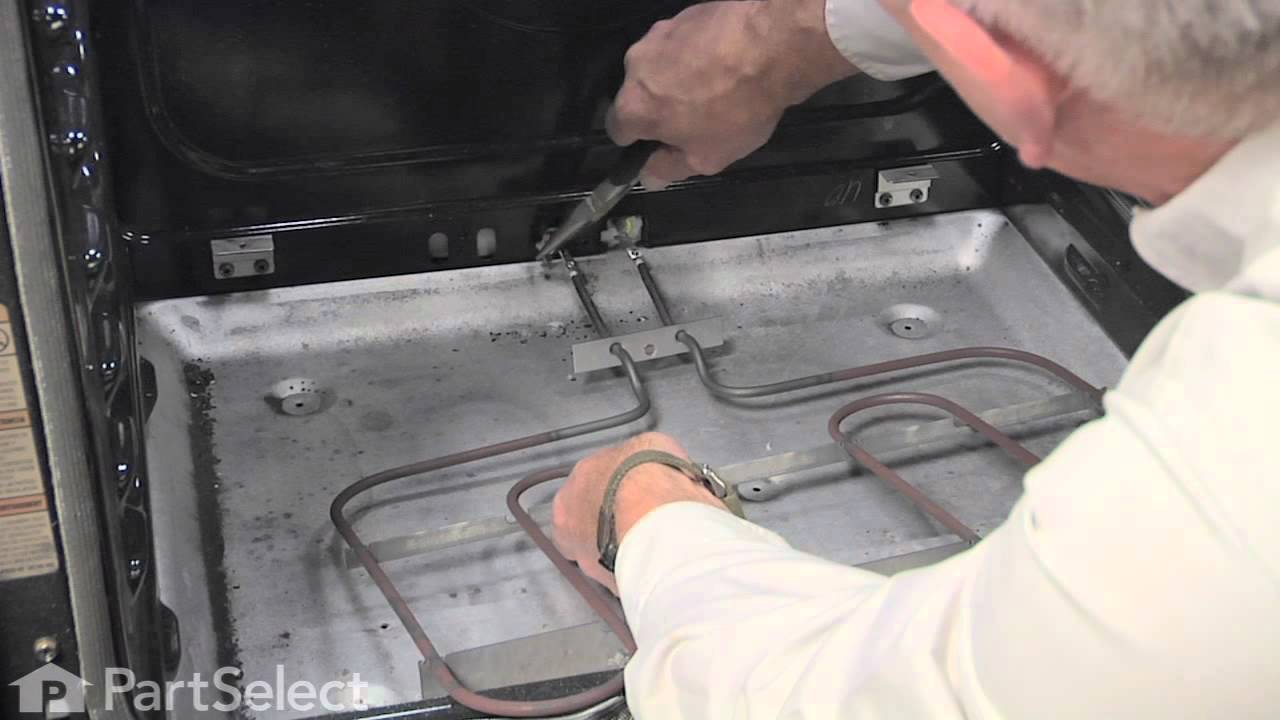
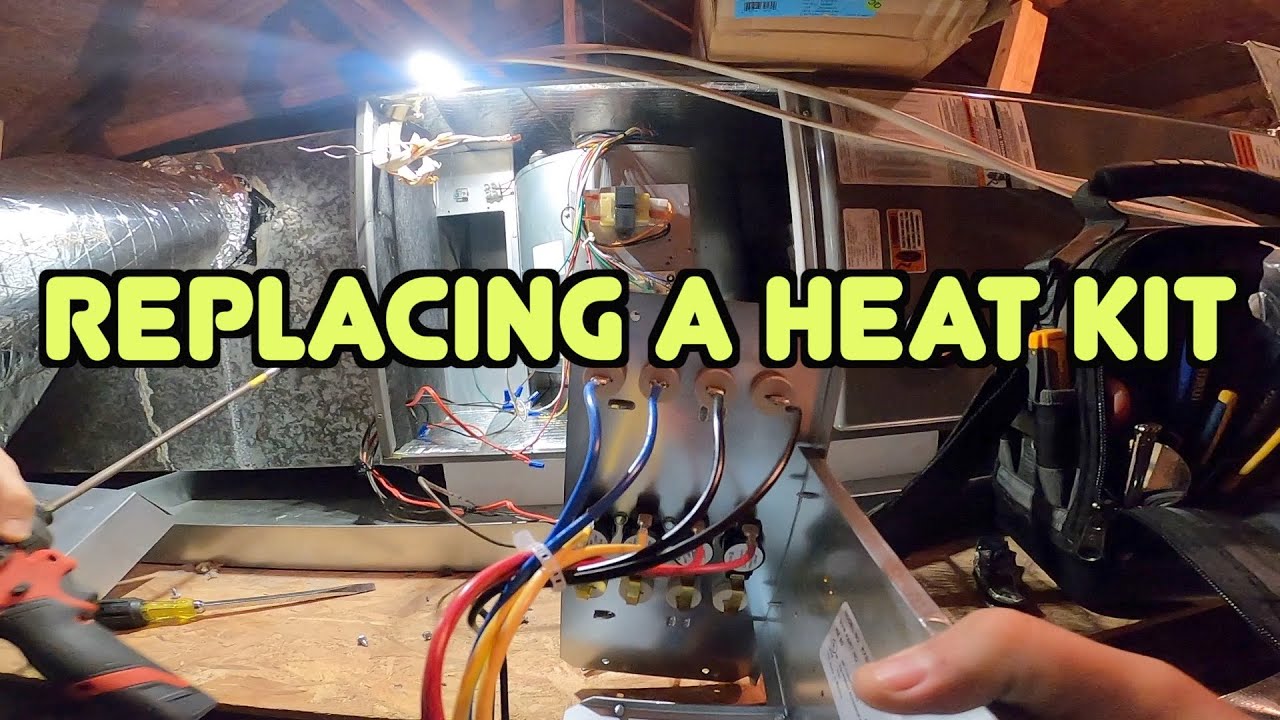
Replacing Heating Element In Electric Furnace
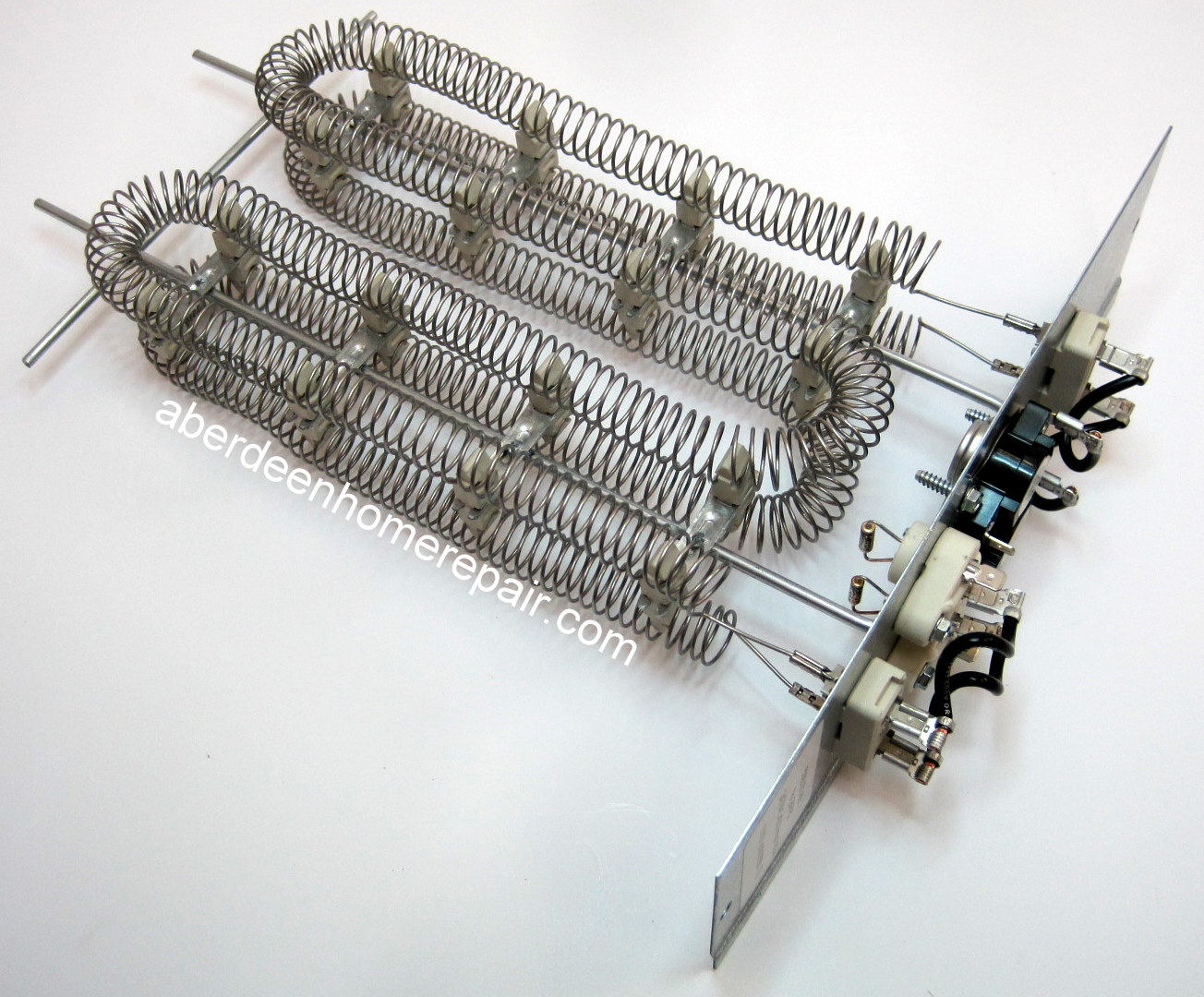
Replacing a Heating Element in an Electric Furnace: A Homeowner's Guide
Electric furnaces provide a reliable source of heat for many homes. However, like any appliance, components can wear out over time. One of the most common parts to fail is the heating element. Replacing a heating element might seem daunting, but with the right tools, knowledge, and a commitment to safety, it's a repair many homeowners can tackle themselves. This guide will walk you through the process.
Is It Really the Heating Element? Troubleshooting First
Before you jump into replacing the element, make sure that's truly the problem. Several other issues can mimic a faulty heating element.
- Check the Thermostat: Ensure it's set to "heat" and the temperature is higher than the room temperature. Sounds obvious, but it's often overlooked.
- Inspect the Circuit Breaker: A tripped breaker is a common cause of heating problems. Reset it and see if the furnace starts. If it trips again immediately, there's a larger electrical problem.
- Examine the Air Filter: A clogged air filter restricts airflow, causing the furnace to overheat and potentially shut down. Replace it with a clean one.
- Verify Power Supply: Use a multimeter to check that the furnace is receiving proper voltage. If there's no voltage, the problem lies upstream in the electrical system.
If all these checks pass, then it's more likely that the heating element is the culprit.
Signs of a Faulty Heating Element
Recognizing the symptoms of a bad heating element is crucial for accurate diagnosis.
- No Heat or Weak Heat: The most obvious sign is a lack of warm air coming from the vents.
- Uneven Heating: Some rooms might be warmer than others.
- Burning Smell: A burnt or acrid odor can indicate a damaged element.
- Visible Damage: Upon inspection, the element might show signs of cracking, blistering, or melting.
- Tripped Breaker (Repeatedly): A shorted-out element can cause the circuit breaker to trip frequently.
Safety First! Crucial Precautions Before You Start
Working with electricity can be dangerous. These safety measures are non-negotiable:
- Turn Off the Power: Locate the circuit breaker that controls the furnace and switch it off. Double-check with a multimeter that there is no voltage present at the furnace before touching anything.
- Wear Safety Glasses: Protect your eyes from debris.
- Use Insulated Tools: These tools are designed to prevent electrical shocks.
- Work in a Well-Lit Area: Good visibility is essential for avoiding mistakes.
- Never Work Alone: Have someone nearby in case of an emergency.
WARNING: If you are uncomfortable working with electricity, or if you are unsure about any step in this process, call a qualified HVAC technician. Electrical shocks can be fatal.
Tools and Materials You'll Need
Gather these items before you begin the heating element replacement:
- New Heating Element: Purchase a replacement element that matches the make and model of your furnace. Important: Check for the exact voltage, wattage, and physical dimensions.
- Screwdrivers: Both flathead and Phillips head.
- Wire Strippers/Crimpers: For connecting wires.
- Multimeter: For testing voltage and continuity.
- Socket Set or Wrenches: To remove screws and bolts.
- Pliers: For gripping and manipulating wires.
- Wire Connectors (Wire Nuts): To safely join wires.
- Electrical Tape: For insulating connections.
- Safety Glasses: To protect your eyes.
- Work Gloves: To protect your hands.
- Vacuum Cleaner: To clean up dust and debris.
- Camera or Smartphone: To take pictures of the wiring configuration before disconnecting anything.
Step-by-Step Guide to Replacing the Heating Element
Follow these steps carefully to replace the heating element:
- Disconnect Power: Turn off the circuit breaker supplying power to the furnace. Verify with your multimeter that power is off.
- Access the Heating Element: Remove the access panel(s) on the furnace. You may need a screwdriver or wrench.
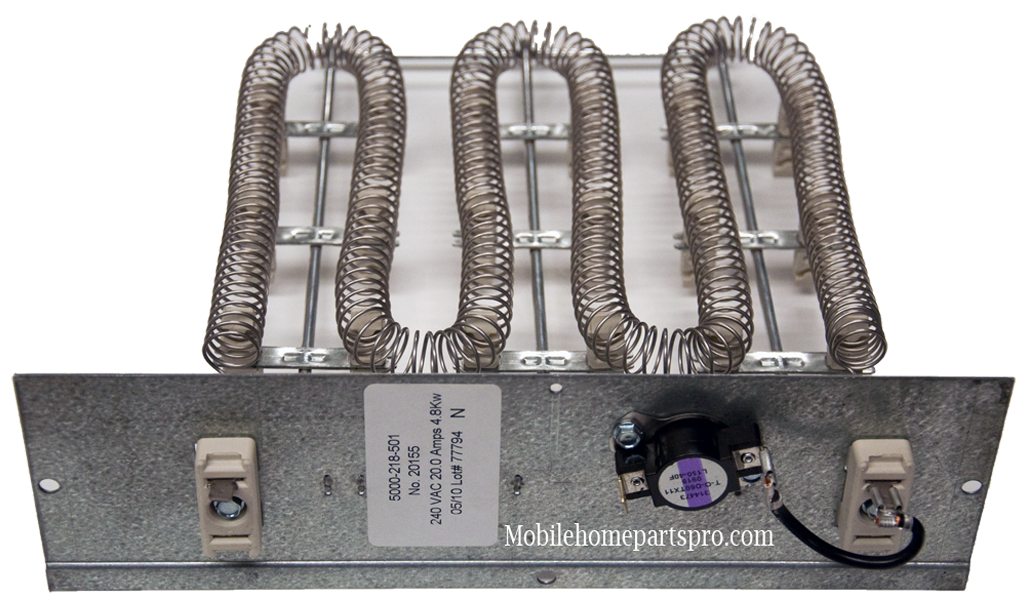
- Locate the Heating Element: The elements are usually located within the blower compartment. They are coil-shaped, similar to a large toaster element.
- Take Pictures: Before disconnecting any wires, take clear pictures of the wiring configuration. This is crucial for reconnecting everything correctly later.
- Disconnect the Wires: Carefully disconnect the wires from the heating element terminals. Use pliers if necessary.
- Remove the Old Element: Depending on the furnace model, the element may be held in place by screws, clips, or brackets. Remove these fasteners and carefully slide the old element out.
- Inspect the Area: Before installing the new element, inspect the area for any signs of damage or corrosion. Clean the area with a vacuum cleaner.
- Install the New Element: Slide the new heating element into place and secure it with the screws, clips, or brackets you removed earlier.
- Reconnect the Wires: Refer to the pictures you took earlier and reconnect the wires to the corresponding terminals on the new element. Ensure the connections are secure. Use wire nuts and electrical tape for insulation.
- Double-Check Your Work: Before closing up the furnace, double-check all connections and ensure everything is securely in place.
- Replace the Access Panels: Reinstall the access panels and secure them with the screws or fasteners you removed earlier.
- Restore Power: Turn the circuit breaker back on.
- Test the Furnace: Set the thermostat to "heat" and raise the temperature to a few degrees above the room temperature. Observe the furnace to ensure it starts and produces heat.
Common Problems and Solutions
Even with careful execution, you might encounter some issues.
- Furnace Doesn't Start: Double-check the circuit breaker, thermostat settings, and wiring connections.
- Element Doesn't Heat Up: Use a multimeter to test the voltage at the element terminals. If there's voltage but no heat, the element might be defective.
- Tripped Breaker: A short circuit is likely. Turn off the power and inspect the wiring for any exposed wires or loose connections.
- Burning Smell Persists: This could indicate a problem with the new element or a lingering issue in the furnace. Call an HVAC professional.
When to Call a Professional
While many homeowners can handle a heating element replacement, certain situations warrant professional help:
- You're Uncomfortable Working with Electricity: Safety is paramount. Don't risk injury.
- You Can't Identify the Problem: If you've tried troubleshooting and are still unsure of the issue, a professional can diagnose the problem accurately.
- You Encounter Complex Wiring: If the wiring is intricate or unfamiliar, leave it to the experts.
- The Furnace is Under Warranty: Replacing parts yourself might void the warranty.
- You Smell Gas: If you suspect a gas leak, evacuate the area immediately and call the gas company. (This applies to gas furnaces, but the advice is important to have here)
Cost of Heating Element Replacement
The cost to replace a heating element can vary depending on several factors:
- DIY vs. Professional Installation: DIY will save you on labor costs, but you'll need to purchase the element and tools.
- Furnace Make and Model: Some elements are more expensive than others.
- Professional Labor Rates: HVAC labor rates vary by location and contractor.
Estimated Costs:
- DIY: $50 - $200 for the heating element.
- Professional Installation: $200 - $500 (including the element and labor).
Preventative Maintenance Tips
Regular maintenance can extend the life of your heating element and furnace:
- Change Air Filters Regularly: A clean air filter ensures proper airflow and prevents overheating.
- Schedule Annual Furnace Inspections: A professional can identify potential problems before they become major issues.
- Keep the Area Around the Furnace Clean: Remove dust and debris that can accumulate and affect performance.
Conclusion
Replacing a heating element in an electric furnace is a manageable task for many homeowners with basic skills and tools. By following the safety precautions and steps outlined in this guide, you can potentially save money on repair costs. However, always prioritize safety and don't hesitate to call a qualified HVAC technician if you're unsure about any aspect of the repair.