Replacing Inducer Motor Furnace

Replacing Your Furnace Inducer Motor: A Comprehensive Guide
The inducer motor in your furnace, often overlooked, is a critical component responsible for venting combustion gases safely out of your home. When it fails, your furnace can become unreliable or even dangerous. This guide provides a comprehensive overview of replacing your furnace inducer motor, covering everything from understanding its function to selecting a replacement and navigating the installation process.
Understanding the Inducer Motor's Role
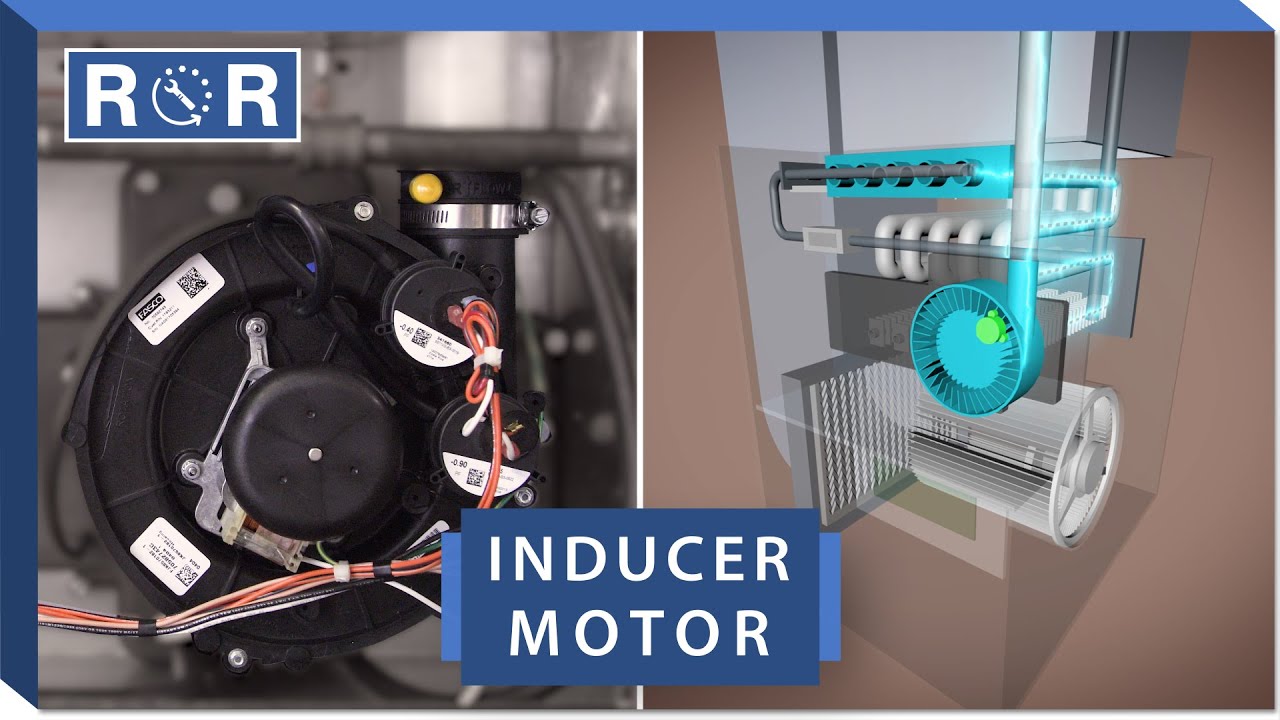
The inducer motor, also known as a draft inducer, is a small fan that creates negative pressure within the furnace's combustion chamber. This negative pressure ensures that flue gases, including carbon monoxide, are drawn out of the furnace and safely vented through the chimney or vent pipe. Without a properly functioning inducer motor, these dangerous gases could leak into your home.
Signs of a Failing Inducer Motor
Recognizing the symptoms of a failing inducer motor is crucial for preventing potentially hazardous situations. Common signs include:
- Loud or Unusual Noises: Grinding, rattling, or squealing sounds coming from the furnace area can indicate a worn-out inducer motor bearing or a damaged fan blade.
- Furnace Short Cycling: The furnace turns on and off frequently, failing to maintain a consistent temperature.
- Furnace Not Igniting: The inducer motor may fail to create sufficient draft for the burners to ignite.
- Visible Rust or Corrosion: Rust or corrosion on the motor housing or fan blades can compromise its functionality.
- Error Codes: Many modern furnaces display error codes indicating a problem with the inducer motor. Consult your furnace's manual for specific code definitions.
Choosing a Replacement Inducer Motor
Selecting the correct replacement inducer motor is essential for ensuring proper furnace operation and safety. Consider these factors:
- OEM vs. Aftermarket: Original Equipment Manufacturer (OEM) parts are made by the furnace manufacturer and guarantee compatibility. Aftermarket parts may be less expensive but can vary in quality and reliability. It's generally recommended to stick with OEM or a trusted, high-quality aftermarket brand for critical components like the inducer motor.
- Voltage and Amperage: Match the voltage and amperage of the replacement motor to the original motor. This information is typically found on a label on the motor itself.
- Motor Speed (RPM): Ensure the replacement motor has the same rotational speed (RPM) as the original motor.
- Physical Dimensions: The replacement motor should have the same physical dimensions and mounting configuration as the original to ensure a proper fit.
- Vent Size and Connection Type: Verify that the vent connection on the new motor matches your existing vent pipe.
Popular Furnace Brands and Inducer Motor Considerations
Different furnace brands utilize different inducer motor designs. Here's a brief overview:
- Carrier/Bryant/Payne: These brands often use similar inducer motors. Check the model number of your furnace to identify the correct replacement. They are known for reliability, and OEM replacement parts are readily available.
- Lennox: Lennox furnaces often use unique inducer motor designs. Ensure you purchase a specifically designed replacement motor for your Lennox model.
- Trane/American Standard: These brands also utilize proprietary parts. Accurate model identification is key to finding the right replacement.
- Goodman/Amana: Goodman furnaces are generally more affordable, and their replacement parts, including inducer motors, tend to be similarly priced.
Installation: DIY vs. Professional
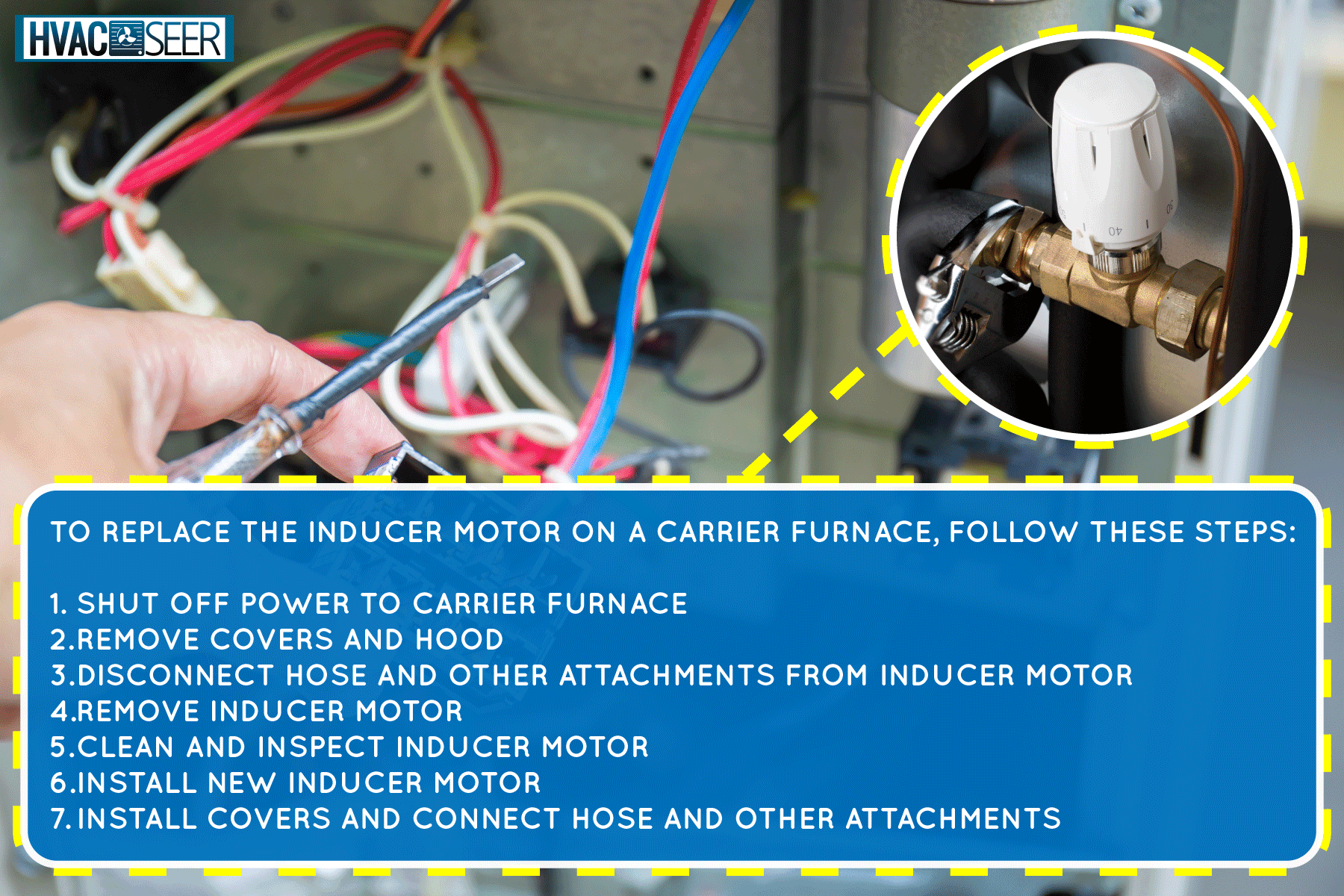
Replacing an inducer motor can be a DIY project for homeowners with experience in HVAC repairs. However, it's crucial to prioritize safety and follow these steps:
- Disconnect Power: Turn off the power to the furnace at the circuit breaker.
- Locate the Inducer Motor: Typically found near the top of the furnace, connected to the vent pipe.
- Disconnect Wiring: Carefully disconnect the electrical wiring to the motor, taking note of the wire connections. Labeling the wires can be helpful.
- Remove the Old Motor: Unscrew the mounting bolts or screws and carefully remove the old motor.
- Install the New Motor: Install the new motor in the reverse order of removal, ensuring all connections are secure.
- Reconnect Wiring: Reconnect the electrical wiring, matching the original connections.
- Test the Furnace: Turn the power back on and test the furnace to ensure it's functioning properly.
Important Safety Note: If you are not comfortable working with electrical wiring or gas appliances, it's best to hire a qualified HVAC technician to replace the inducer motor.
Cost Considerations
The cost of replacing an inducer motor can vary depending on the brand, model, and whether you hire a professional. Here's a general breakdown:
- Inducer Motor (DIY): $100 - $400, depending on the brand and model.
- Professional Installation: $200 - $500 (includes labor and potentially a diagnostic fee).
- Total Cost (Professional): $300 - $900
Warranty and Maintenance
Most inducer motors come with a limited warranty, typically ranging from 1 to 5 years. Check the warranty terms of the replacement motor. Regular furnace maintenance, including cleaning the blower and inspecting the vent system, can help extend the lifespan of the inducer motor. Consider having your furnace professionally serviced annually to ensure optimal performance and safety.
AFUE, SEER, and HSPF Ratings (Relevance to Furnace Replacement)
While the inducer motor itself doesn't directly impact AFUE (Annual Fuel Utilization Efficiency), SEER (Seasonal Energy Efficiency Ratio), or HSPF (Heating Seasonal Performance Factor), a failing inducer motor can reduce the overall efficiency and performance of your furnace. If your furnace is old and requires frequent repairs, including inducer motor replacements, it might be time to consider a full furnace replacement. Modern furnaces offer significantly higher AFUE ratings, leading to substantial energy savings over time.
When evaluating a new furnace, consider these ratings:
- AFUE: Measures heating efficiency. Look for furnaces with AFUE ratings of 90% or higher for significant energy savings.
- SEER & HSPF: These ratings are relevant for heat pumps, which provide both heating and cooling.
Conclusion
Replacing your furnace inducer motor is a critical repair that ensures the safe and efficient operation of your heating system. By understanding the function of the inducer motor, recognizing the signs of failure, and selecting the correct replacement, you can restore your furnace to its optimal condition. Whether you choose to tackle the repair yourself or hire a professional, prioritizing safety and proper installation is paramount. Consider the overall age and efficiency of your furnace when deciding whether to replace the inducer motor or invest in a new, more energy-efficient heating system. Investing in preventative maintenance can also help ensure the longevity of your unit.
Remember to always consult your furnace's manual and local building codes for specific requirements and recommendations.
Disclaimer: This information is intended for general guidance only and should not be considered a substitute for professional advice. Always consult with a qualified HVAC technician for specific recommendations regarding your heating and cooling needs.