
Replacing Thermocouple Water Heater
:max_bytes(150000):strip_icc()/replacing-water-heater-thermocouple-flame-sensor-1824918-05-6d1e35fb0ecc46c3a10200f4f166a9c6.jpg)
Water heating is a significant energy expense for both residential and commercial properties. A faulty or inefficient water heater can drain your budget and impact the environment. While modern tankless and heat pump water heaters offer superior efficiency, many homes and businesses still rely on traditional gas water heaters with thermocouples. Understanding when and how to replace a thermocouple water heater can lead to substantial savings and a more sustainable footprint.
Understanding Thermocouple Water Heaters and Their Limitations
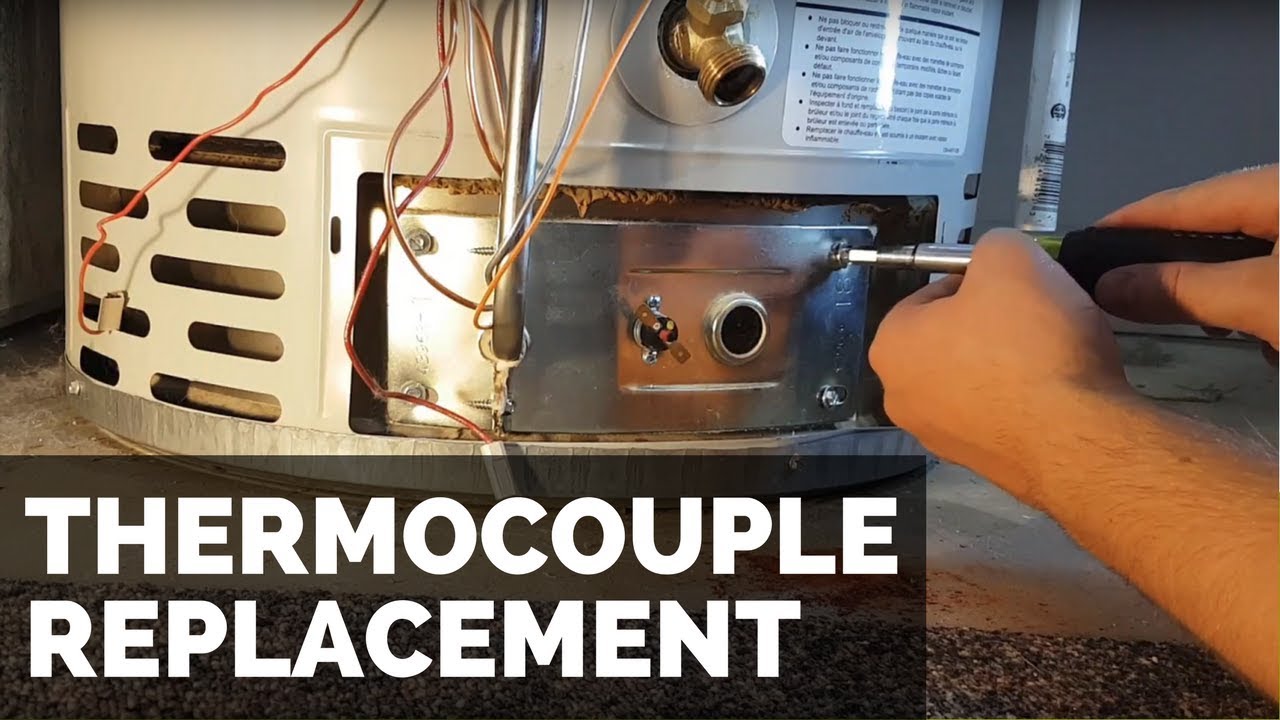
A thermocouple is a safety device used in gas-powered appliances, including older water heaters. Its primary function is to ensure that gas only flows to the burner when a pilot light is lit. If the pilot light goes out, the thermocouple shuts off the gas supply, preventing a potentially dangerous gas leak. While thermocouples are relatively inexpensive and reliable, older gas water heaters often lack the energy-saving features of modern units. They continuously heat water in a tank, leading to standby heat loss, even when no hot water is being used. This inefficiency translates directly into higher energy bills.
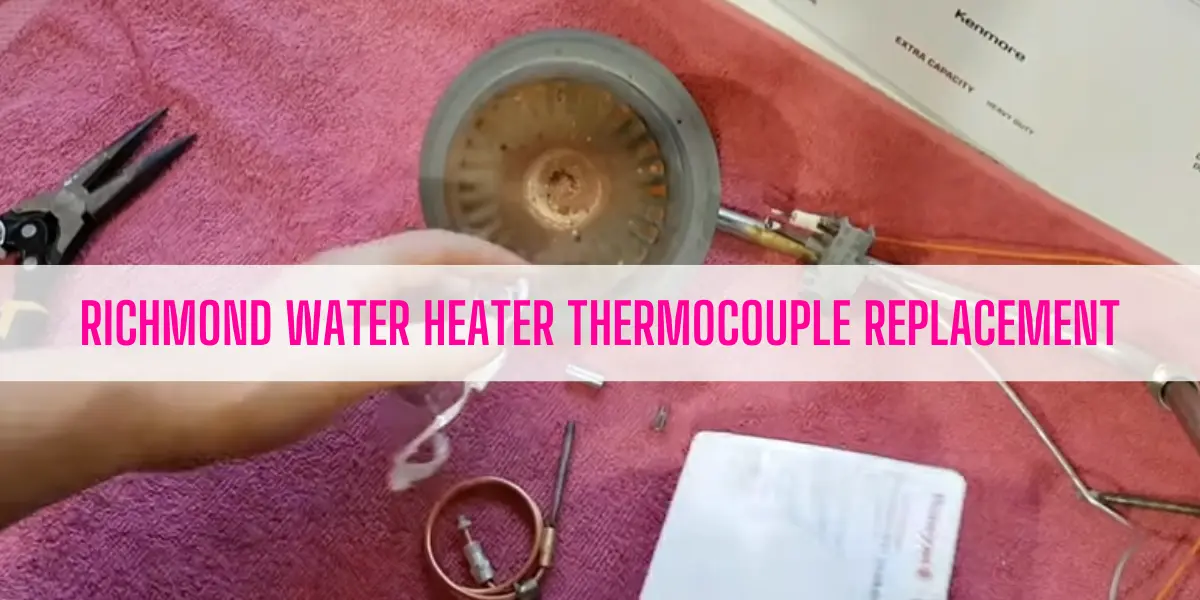
The lifespan of a thermocouple itself is generally long, but issues can arise. Common problems include a dirty or corroded thermocouple tip, a loose connection, or a faulty valve. While replacing a thermocouple is a relatively simple and inexpensive repair, repeated failures or the age of the water heater might indicate it's time for a complete replacement.
When Should You Replace Your Thermocouple Water Heater?
Several factors indicate that replacing your thermocouple water heater is a worthwhile investment. These include:
- Age: If your water heater is 10-15 years old or older, it's nearing the end of its lifespan. Even if it's still functioning, its efficiency has likely decreased, leading to higher energy consumption. Consider replacing it proactively before it fails completely.
- Frequent Repairs: If you're constantly repairing your water heater, especially the thermocouple, it's a sign that the unit is failing. The cost of repeated repairs can quickly exceed the cost of a new, more efficient water heater.
- Rust and Corrosion: Visible rust on the tank or surrounding pipes indicates corrosion, which can lead to leaks and eventual failure. This is a serious safety hazard and requires immediate attention.
- Reduced Hot Water Capacity: If you're experiencing a decrease in hot water availability, it could be due to sediment buildup in the tank, which reduces its capacity and efficiency.
- Rising Energy Bills: A sudden or gradual increase in your energy bills, especially during colder months, could indicate that your water heater is losing efficiency.
Choosing the Right Replacement: Modern Alternatives
When replacing a thermocouple water heater, you have several options, each with its own advantages and disadvantages. Consider your budget, hot water needs, and energy efficiency goals.
Tankless Water Heaters
Tankless water heaters, also known as on-demand water heaters, heat water only when needed, eliminating standby heat loss. This can result in significant energy savings, typically 22% - 34% compared to traditional tank water heaters, according to the U.S. Department of Energy. While the initial cost is higher, the long-term savings and extended lifespan (20+ years) can make them a worthwhile investment. Tankless models are also space-saving, making them ideal for smaller homes or apartments.
However, tankless water heaters require a higher upfront investment and may require upgrading your gas line and electrical panel. They also have a limited flow rate, meaning they may not be able to supply hot water to multiple fixtures simultaneously.
Heat Pump Water Heaters (HPWHs)
Heat pump water heaters are the most energy-efficient option available. They use electricity to transfer heat from the surrounding air to the water tank, rather than generating heat directly. HPWHs can reduce water heating costs by as much as 50% compared to standard electric water heaters, according to Energy Star. They also qualify for substantial rebates and incentives in many areas.
HPWHs require a suitable installation location with adequate airflow and a minimum ambient temperature (typically above 40°F). They also have a higher upfront cost than traditional tank water heaters. However, the significant energy savings and long lifespan make them an excellent long-term investment.
High-Efficiency Tank Water Heaters
If you're looking for a more affordable option, consider a high-efficiency tank water heater. These models incorporate improved insulation, advanced burners, and electronic ignition systems to reduce standby heat loss and improve overall efficiency. They offer a good balance between cost and performance and are a relatively straightforward replacement for older thermocouple water heaters.
Installation Considerations and Smart Home Integration
Installing a new water heater is not a DIY project for most homeowners. It requires knowledge of plumbing, gas fitting, and electrical wiring. It's best to hire a qualified and licensed HVAC contractor to ensure proper installation and compliance with local codes. A professional installation will also ensure that the water heater is operating safely and efficiently.
When replacing your water heater, consider integrating it with your smart home system. Smart water heater controllers allow you to monitor and control your water heater remotely, adjust temperature settings, and receive alerts for leaks or other issues. Some models can even learn your usage patterns and optimize performance for maximum energy savings.
Pairing a smart water heater with a smart thermostat and other smart home devices can further enhance energy efficiency. For example, you can schedule your water heater to operate during off-peak hours when electricity rates are lower. You can also use occupancy sensors to turn off the water heater when you're away from home for extended periods.
Financial Incentives and Rebates
Replacing your old thermocouple water heater with a more efficient model can qualify you for significant rebates and incentives. Energy Star provides a comprehensive database of rebates available in your area. Check with your local utility company, state energy office, and federal government programs like the Inflation Reduction Act for potential savings. These incentives can significantly reduce the upfront cost of a new water heater and accelerate the payback period.
For example, many utility companies offer rebates for installing Energy Star-certified heat pump water heaters. The Inflation Reduction Act provides tax credits for energy-efficient home improvements, including water heaters. Taking advantage of these incentives can make upgrading to a more sustainable water heating system more affordable.
ROI and Long-Term Savings
The return on investment (ROI) for replacing a thermocouple water heater depends on several factors, including the type of replacement, energy prices, and your hot water usage habits. However, in most cases, the energy savings and potential rebates will offset the initial cost over time.
For example, if you replace an old, inefficient gas water heater with an Energy Star-certified heat pump water heater, you could save hundreds of dollars per year on your energy bills. Over the 10-15 year lifespan of the water heater, these savings can add up to thousands of dollars. Combined with rebates and incentives, the ROI can be very attractive.
In addition to energy savings, a new water heater can also increase your home's value and improve your comfort. A reliable and efficient water heater is a valuable asset that can enhance the overall appeal of your property.
Conclusion
Replacing a thermocouple water heater is a smart investment for homeowners and businesses looking to save money, reduce their environmental impact, and improve their comfort. By understanding the limitations of older water heaters and exploring the benefits of modern alternatives like tankless water heaters and heat pump water heaters, you can make an informed decision that aligns with your needs and goals. Remember to factor in installation costs, potential rebates, and long-term energy savings when evaluating your options. With careful planning and professional installation, you can enjoy a more efficient and sustainable water heating system for years to come.
:max_bytes(150000):strip_icc()/replacing-water-heater-thermocouple-flame-sensor-1824918-06-ce04bc96a0cb4fcd8e16b7ab32afe434.jpg)
:max_bytes(150000):strip_icc()/replacing-water-heater-thermocouple-flame-sensor-1824918-08-105e4a3a48a3478f860647df6bd83f5d.jpg)
:max_bytes(150000):strip_icc()/replacing-water-heater-thermocouple-flame-sensor-1824918-01-5fa3905d42384c7abb3812897af7c9c1.jpg)


:max_bytes(150000):strip_icc()/replacing-water-heater-thermocouple-flame-sensor-1824918-02-c867831fe43644f0ae9b04344e18f64f.jpg)

