Reset Button On Air Conditioner

Frequently Asked Questions: The Reset Button on Your Air Conditioner
Air conditioners, like all complex machines, can sometimes experience hiccups. One way to potentially resolve minor issues is by using the reset button. But where is it, and what does it actually do? This FAQ aims to answer your most pressing questions about the reset button on your air conditioner, empowering you to troubleshoot effectively.
Question 1: Where is the reset button on my air conditioner located?
Finding the reset button depends on the type of air conditioner you have:
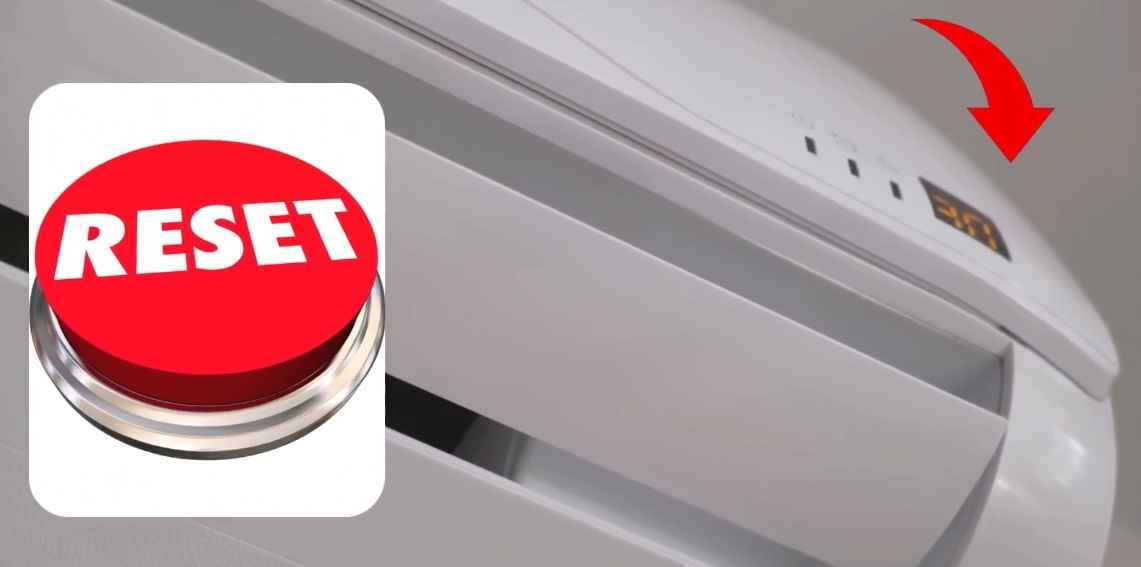
- Window Units: The reset button is usually located on the control panel, often near the temperature and fan speed settings. It's typically a small, recessed button that may be labeled "Reset." You might need a pen or other pointed object to press it.
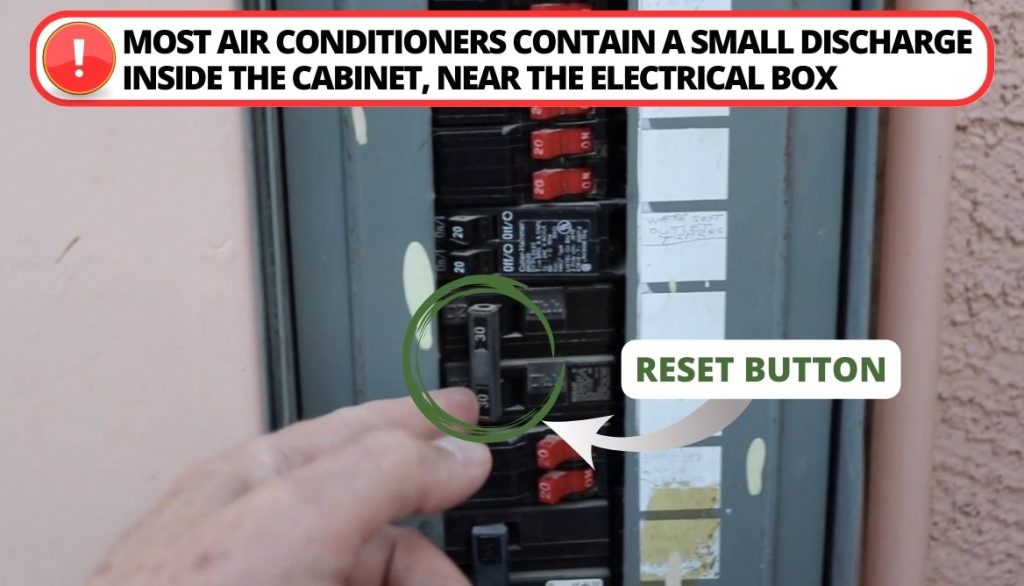
- Central Air Conditioners: Central air conditioners don't typically have a dedicated reset button in the same way window units do. The "reset" function is usually achieved by turning off the power to the unit. This can be done at the circuit breaker or through a disconnect switch located near the outdoor condenser unit.
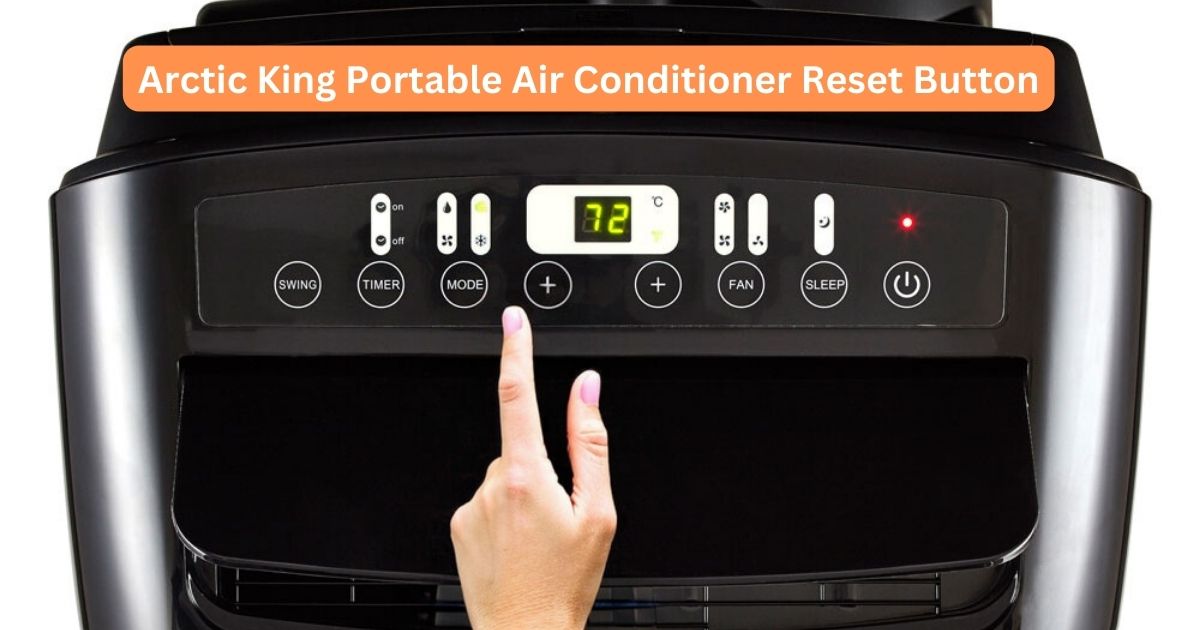
- Portable Air Conditioners: Similar to window units, portable air conditioners often have a reset button on the control panel. Look for a small, recessed button labeled "Reset."
- Mini-Split Systems: Mini-split systems rarely have a reset button on the indoor unit. To reset a mini-split, it's generally best to turn off the power at the circuit breaker that supplies the indoor and outdoor units, then wait a few minutes before turning it back on. Consult your owner's manual for specific instructions.
Always consult your air conditioner's owner's manual for specific location information and instructions regarding the reset button.
Question 2: What does the reset button actually do?
The reset button essentially performs a soft reboot of the air conditioner's electronic control system. Think of it like restarting your computer. It clears any temporary errors or glitches that may be preventing the unit from functioning correctly.
Here’s a more detailed breakdown:
- Clears Error Codes: The air conditioner's internal computer monitors various sensors and components. If it detects a problem, it may display an error code or simply stop working. Pressing the reset button can clear these temporary error codes.
- Restarts the Control System: It forces the control board to restart its operations, re-initializing the settings and potentially resolving software-related issues.
- Resets Safety Features: Some air conditioners have built-in safety features that shut down the unit if certain conditions are met (e.g., overheating, frozen coils). The reset button might reset these safety mechanisms after the underlying problem has been addressed.
It's important to note that the reset button is not a fix-all solution. It only addresses minor electronic glitches. If the underlying issue is a mechanical problem (e.g., a broken compressor, a refrigerant leak), pressing the reset button will not solve it. The issue will likely reoccur.
Question 3: When should I use the reset button on my air conditioner?
Use the reset button when your air conditioner is exhibiting the following symptoms:
- Unit is not turning on: If the air conditioner is completely unresponsive and shows no signs of power, try pressing the reset button.
- Unit is turning on but not cooling: If the fan is running but the air is not getting cold, a reset might resolve a temporary error preventing the cooling cycle from starting.
- Error codes are displayed: If your air conditioner has a digital display and is showing an error code, consult your owner's manual to understand what the code means. A reset might clear the code if it's a temporary glitch, but it's essential to understand the code's meaning to prevent recurring problems.
- Unit is cycling on and off rapidly: This could indicate a problem, and a reset might temporarily stabilize the system. However, this often indicates a more serious issue requiring professional attention.
Don't use the reset button excessively or repeatedly. If the problem persists after resetting, it's a sign of a more significant issue that needs to be diagnosed and repaired by a qualified HVAC technician. Repeatedly resetting without addressing the underlying cause can potentially damage the unit.
Question 4: How do I properly reset my air conditioner?
The exact procedure for resetting your air conditioner depends on the type of unit, but here are some general guidelines:
- Window Unit/Portable Unit:
- Locate the reset button on the control panel.
- Use a pen or other pointed object to press and hold the reset button for a few seconds (usually 3-5 seconds).
- Release the button and wait a few minutes for the unit to restart.
- Central Air Conditioner:
- Turn off the power to the air conditioner at the circuit breaker in your electrical panel. Locate the breaker labeled "Air Conditioner" or "AC."
- Alternatively, you can use the disconnect switch located near the outdoor condenser unit. This is usually a pull-out handle or a switch inside a small electrical box.
- Wait for at least 5-10 minutes. This allows the system to fully discharge and reset.
- Turn the power back on at the circuit breaker or disconnect switch.
- Wait a few minutes for the unit to start up.
- Mini-Split System:
- Turn off the power to the air conditioner at the circuit breaker in your electrical panel. Locate the breaker labeled "Air Conditioner" or "AC" for the mini-split system.
- Wait for at least 5-10 minutes. This allows the system to fully discharge and reset.
- Turn the power back on at the circuit breaker.
- Wait a few minutes for the unit to start up.
Always consult your owner's manual for the specific reset procedure for your model. If you're unsure about any step, contact a qualified HVAC technician.
Question 5: What if the reset button doesn't fix the problem?
If pressing the reset button (or cycling the power for a central AC unit) doesn't resolve the issue, it indicates a more serious problem requiring professional attention. Do not continue to reset the unit repeatedly, as this may exacerbate the problem.
Here are some common problems that a reset button won't fix:
- Refrigerant Leaks: Low refrigerant levels will prevent the unit from cooling properly. A qualified technician will need to locate and repair the leak and recharge the system.
- Compressor Problems: The compressor is the heart of the cooling system. If it's failing, the unit won't cool. Compressor repairs are typically expensive and may warrant replacing the entire unit.
- Dirty Coils: Dirty condenser coils (outside unit) or evaporator coils (inside unit) can restrict airflow and reduce cooling efficiency. Regular cleaning is essential.
- Frozen Coils: Frozen evaporator coils can be caused by low refrigerant, poor airflow, or a malfunctioning fan.
- Faulty Fan Motor: A malfunctioning fan motor in either the indoor or outdoor unit will affect airflow and cooling performance.
- Electrical Problems: Wiring issues, blown fuses, or a faulty capacitor can prevent the unit from operating correctly.
- Blocked Air Filter: A dirty air filter restricts airflow to the evaporator coil causing it to ice up and greatly reduces the system's ability to cool a space.
In these cases, contact a qualified HVAC technician to diagnose and repair the problem. Attempting to fix complex air conditioner issues yourself can be dangerous and may void your warranty.
Question 6: How can I prevent needing to reset my air conditioner frequently?
Preventative maintenance is the key to avoiding frequent resets and ensuring the longevity of your air conditioner. Here are some essential maintenance tasks:
- Regularly Clean or Replace Air Filters: This is the most important preventative maintenance task. A dirty air filter restricts airflow and can lead to various problems. Check and clean/replace your filter every 1-3 months, or more frequently if you have pets or allergies.
- Clean the Condenser Coils: The outdoor condenser coils should be cleaned at least once a year, preferably in the spring before cooling season. Use a garden hose (with a gentle spray nozzle) to remove dirt, leaves, and debris. Turn off the power to the unit before cleaning.
- Keep the Area Around the Outdoor Unit Clear: Ensure that there is ample space around the outdoor unit for proper airflow. Trim back any bushes or plants that are blocking the unit.
- Schedule Annual Professional Maintenance: A qualified HVAC technician can inspect your system, clean the coils, check refrigerant levels, lubricate moving parts, and identify potential problems before they become major issues.
- Monitor for Unusual Noises or Performance: Pay attention to any changes in the way your air conditioner operates. Unusual noises, reduced cooling performance, or strange smells can be early warning signs of a problem.
- Consider a Smart Thermostat: A smart thermostat can learn your cooling preferences and optimize your energy usage, potentially reducing strain on your system. Some also offer alerts for maintenance issues.
By following these preventative maintenance tips, you can minimize the likelihood of needing to reset your air conditioner and extend its lifespan.
Question 7: Are there any safety precautions I should take when resetting my air conditioner?
Yes, safety should always be your top priority when working with electrical appliances. Here are some essential safety precautions to keep in mind:
- Turn off the Power: Before performing any maintenance or resetting your air conditioner (especially central AC units), always turn off the power to the unit at the circuit breaker or disconnect switch. This will prevent electric shock.
- Never Work on a Wet Air Conditioner: Avoid working on your air conditioner when it's wet or damp. Water conducts electricity and can increase the risk of electric shock.
- Use the Right Tools: When cleaning the coils or performing other maintenance tasks, use appropriate tools and equipment. Avoid using sharp objects that could damage the coils.
- Avoid Contact with Electrical Components: Be careful not to touch any exposed wiring or electrical components.
- If in doubt, call a professional: If you're not comfortable working on your air conditioner or are unsure about any step, contact a qualified HVAC technician. It's always better to be safe than sorry.
Remember, electricity can be dangerous. Always take the necessary precautions to protect yourself from electric shock. If you are not qualified, hire a licensed technician to perform the tasks.