Residential Ac Unit Condensate Pump Continuously Running

A continuously running condensate pump in your residential air conditioning (AC) system can be a frustrating problem. It's a sign that something isn't quite right, and ignoring it can lead to bigger issues down the line. This guide will walk you through the common causes of a constantly running condensate pump, how to troubleshoot them, and when it's time to call a professional. Think of this guide as your first line of defense in understanding and addressing this common AC problem.
Understanding Your Condensate Pump
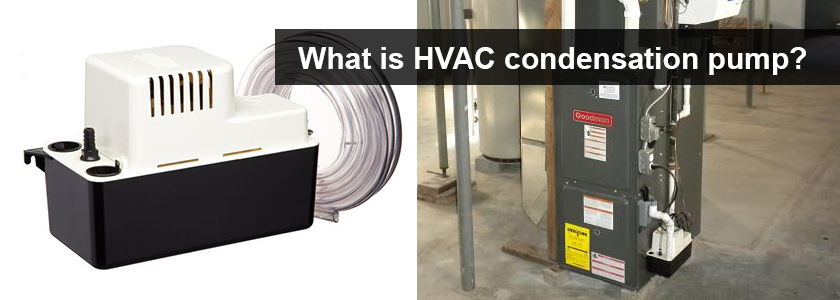
Before diving into the troubleshooting, let’s establish a basic understanding of what a condensate pump does and why it's important. During the cooling process, your AC unit removes humidity from the air. This moisture condenses on the evaporator coil, forming water. This water needs to be drained away to prevent water damage and mold growth. That's where the condensate pump comes in.
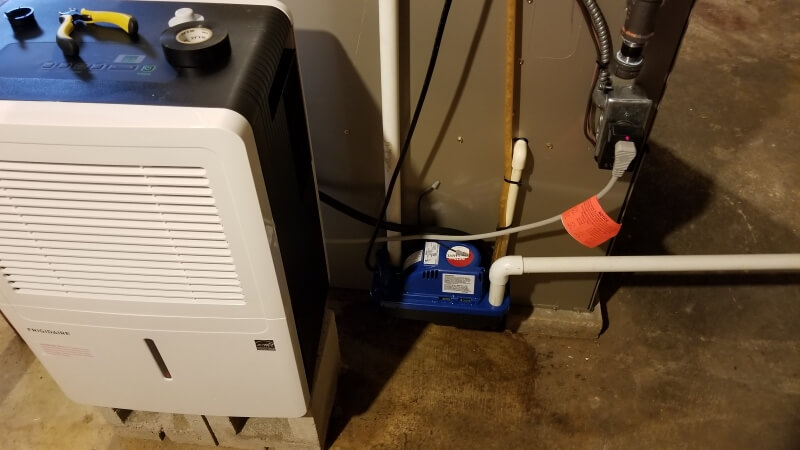
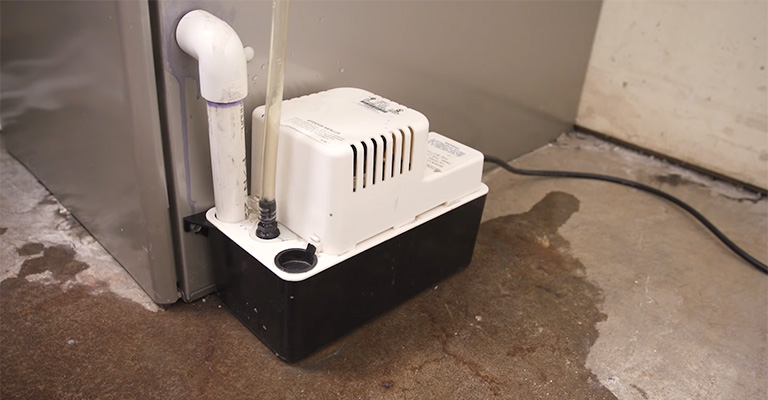
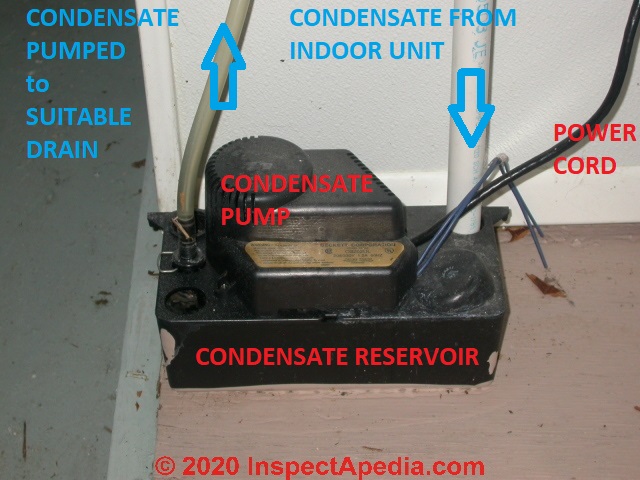
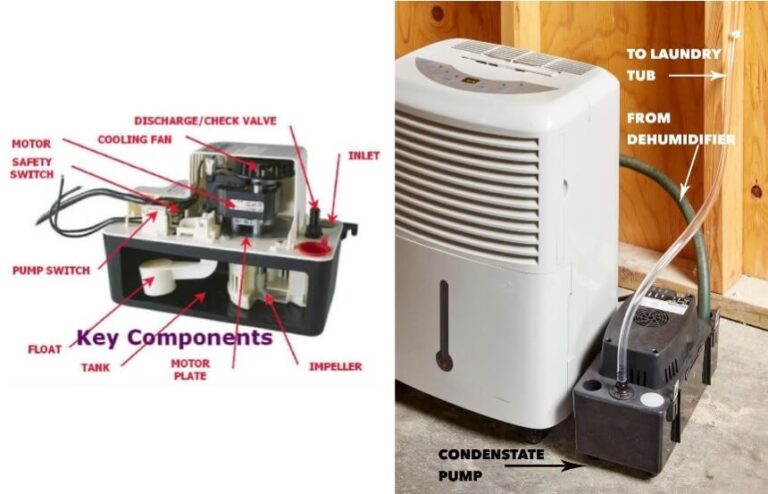
The condensate pump is a small device, typically located near your indoor AC unit, often in the attic, basement, or utility closet. It collects the water that drips from the evaporator coil's drain pan. Once the water level in the pump's reservoir reaches a certain point, a float switch activates the pump, which then pushes the water through a discharge line, usually to a nearby drain, outside, or a plumbing fixture. Once the water level is lowered sufficiently, the float switch deactivates the pump, and the cycle begins again.
Why is it Running Non-Stop?
A condensate pump that runs continuously indicates that the pump is either receiving water constantly, or that the pump is malfunctioning. Let's explore the most common causes:
Common Causes of a Continuously Running Condensate Pump
Several issues can cause your condensate pump to run nonstop. Here's a breakdown of the most frequent culprits:
1. Clogged Drain Line
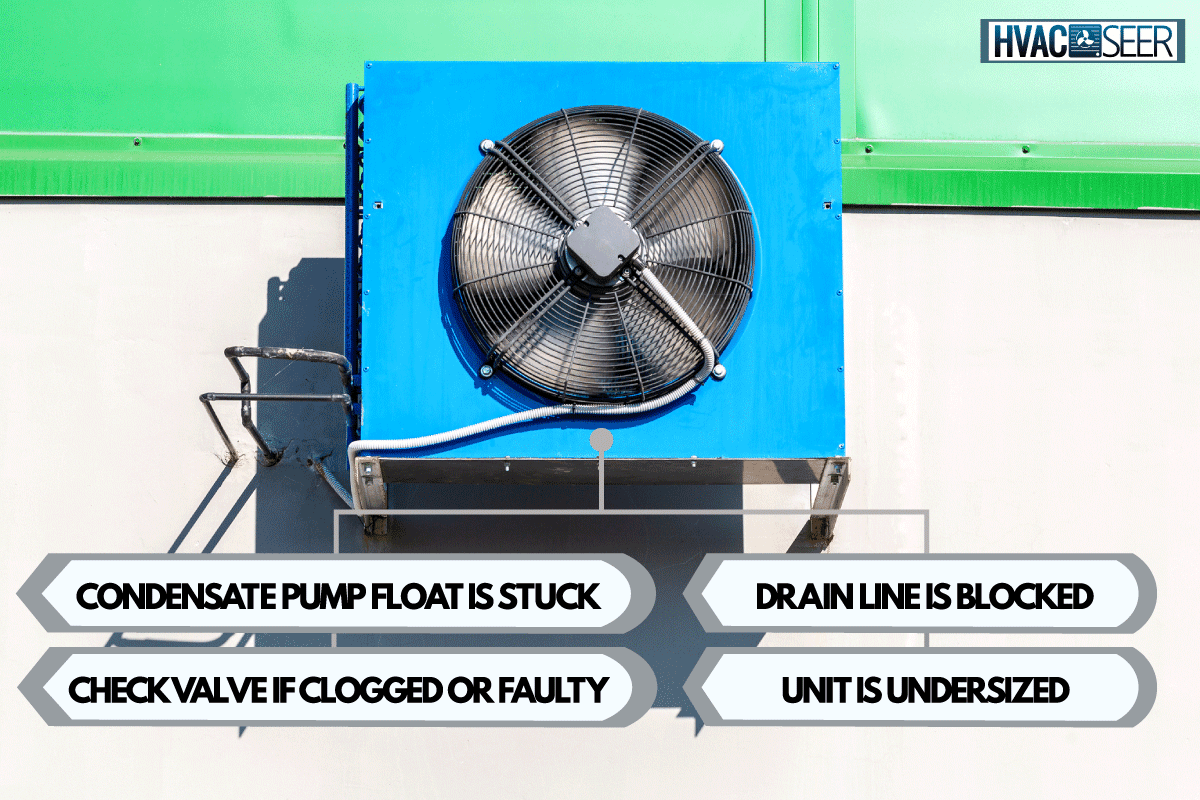
A clogged drain line is perhaps the most common reason for a continuously running condensate pump. Over time, algae, mold, dirt, and other debris can accumulate inside the drain line, restricting or completely blocking the flow of water. When the line is blocked, the water backs up into the condensate pan, causing the pump to run continuously to try and clear the blockage. This is like a blocked artery, preventing essential flow.
Troubleshooting:
- Visually inspect the drain line: Look for any kinks, bends, or visible obstructions.
- Try to clear the clog: You can use a wet/dry vacuum to suck out the blockage from the drain line opening. Attach the vacuum hose to the end of the drain line outside (or wherever it terminates) and create a tight seal. Turn on the vacuum for a few minutes. You can also try using a stiff wire or plumber's snake to break up the clog. Be gentle to avoid damaging the drain line.
- Flush the drain line: After removing the initial blockage, pour a mixture of hot water and vinegar (or a commercially available drain cleaner specifically designed for AC condensate lines) down the drain line to further flush out any remaining debris. Be careful not to use harsh chemicals that could damage the pump or the drain line.
2. Clogged Condensate Pan
Similar to a clogged drain line, the condensate pan itself can become clogged with debris, preventing water from draining properly. If the pan is full of standing water and sludge, the pump will constantly be trying to remove the water, even if the drain line is clear. This is like a bathtub that can’t empty, constantly filled with water.
Troubleshooting:
- Inspect the condensate pan: Locate the pan (usually underneath the indoor AC unit's evaporator coil) and check for any visible debris, mold, or standing water.
- Clean the pan: Carefully remove any debris and standing water from the pan. You can use a wet/dry vacuum to suck up the water and debris. For stubborn mold or mildew, use a mild bleach solution (mix bleach with water according to the product instructions). Be sure to wear gloves and eye protection when handling bleach. Rinse the pan thoroughly with clean water after cleaning.
- Consider pan tablets: You can purchase condensate pan tablets or strips that help prevent algae and mold growth in the pan. Place these tablets in the pan according to the product instructions.
3. Faulty Float Switch
The float switch is a crucial component of the condensate pump. It's a sensor that detects the water level in the pump's reservoir. When the water level rises, the float switch activates the pump. When the water level drops, the float switch deactivates the pump. If the float switch is faulty, it may be stuck in the "on" position, causing the pump to run continuously, even when the water level is low. This is like a light switch that gets stuck on.
Troubleshooting:
- Visually inspect the float switch: Check the float switch for any visible damage or debris that might be preventing it from moving freely.
- Test the float switch: Carefully lift the float to see if the pump shuts off. If the pump continues to run, the float switch is likely faulty and needs to be replaced.
- Clean the float switch: Sometimes, the float switch can become stuck due to mineral buildup or debris. Gently clean the float switch with a damp cloth to remove any buildup.
4. Pump Malfunction
The condensate pump itself could be failing. The motor might be wearing out, the impeller might be damaged, or there could be an internal electrical issue. A failing pump may run continuously as it struggles to pump water efficiently, or it might simply be stuck in the "on" position due to an internal fault. This is like an old car engine that struggles to run.
Troubleshooting:
- Listen to the pump: Pay attention to the sound the pump is making. Is it excessively loud, rattling, or making any unusual noises? These could be signs of a failing pump.
- Check for proper voltage: Use a multimeter to check if the pump is receiving the correct voltage. A voltage drop can cause the pump to run inefficiently.
- Consider replacement: If you suspect the pump is failing, and you've ruled out other causes, it's often more cost-effective to replace the pump rather than trying to repair it. Condensate pumps are relatively inexpensive and easy to replace.
5. Excessive Condensation
While less common, excessive condensation can also cause the pump to run more frequently, even if the system is otherwise functioning correctly. This can happen during periods of high humidity or if your AC system is oversized for your home. An oversized system will cycle on and off too quickly, leading to less efficient dehumidification and more condensation. Think of this like a sweating glass of ice water on a hot day.
Troubleshooting:
- Monitor humidity levels: Use a hygrometer to monitor the humidity levels in your home. Ideally, humidity levels should be between 30% and 50%.
- Check for air leaks: Seal any air leaks around windows, doors, and other openings to reduce the amount of outside air entering your home.
- Consider a dehumidifier: If humidity levels are consistently high, you may need to use a dehumidifier to help reduce the amount of moisture in the air.
- Evaluate AC system size: If your AC system is oversized, consider having a qualified HVAC technician evaluate your system and recommend a properly sized unit.
6. Kinked or Damaged Discharge Line
The discharge line carries the water away from the pump. If this line is kinked, crushed, or otherwise damaged, it can restrict the flow of water, causing the pump to work harder and potentially run continuously. Imagine trying to drink through a straw that's been bent in half.
Troubleshooting:
- Visually inspect the discharge line: Carefully examine the entire length of the discharge line for any kinks, bends, or damage.
- Straighten or replace the line: If you find any kinks, try to straighten them out. If the line is severely damaged, replace it with a new discharge line of the same size and type.
- Ensure proper slope: Make sure the discharge line has a slight downward slope to allow gravity to assist with the flow of water.
7. Drain Line Freezing
In rare cases, especially in unheated areas during cold weather, the condensate drain line can freeze. This blockage will cause the pump to run continuously as it tries to push water through the ice. This is like trying to push water through a garden hose filled with ice.
Troubleshooting:
- Check for ice: Inspect the drain line for any signs of ice formation.
- Thaw the line: Use a hairdryer or heat lamp to gently thaw the frozen drain line. Avoid using open flames, as this could damage the line or create a fire hazard.
- Insulate the line: To prevent future freezing, insulate the drain line with pipe insulation.
When to Call a Professional
While many condensate pump issues can be resolved with basic troubleshooting and DIY repairs, there are times when it's best to call a qualified HVAC technician. Consider calling a professional if:
- You're uncomfortable working with electrical components.
- You've tried troubleshooting the problem, but the pump continues to run continuously.
- You suspect there may be a more serious underlying issue with your AC system.
- You're unsure about how to properly clean or replace components.
A qualified HVAC technician has the expertise and tools to diagnose and repair complex AC problems safely and efficiently. They can also identify potential issues that you might miss, preventing further damage to your system.
Preventative Maintenance
The best way to avoid condensate pump problems is to perform regular preventative maintenance on your AC system. Here are a few tips:
- Clean the condensate pan regularly: At least once a year, clean the condensate pan to remove any debris, mold, or mildew.
- Flush the drain line: Flush the drain line with a mixture of hot water and vinegar (or a commercially available drain cleaner) every few months to prevent clogs.
- Replace the condensate pump every few years: Condensate pumps have a limited lifespan. Replacing the pump every few years can prevent unexpected failures.
- Schedule regular AC maintenance: Have a qualified HVAC technician inspect and maintain your AC system at least once a year.
By following these tips, you can help keep your condensate pump running smoothly and prevent costly repairs down the road. Regular maintenance is an investment in the longevity and efficiency of your AC system. By understanding the causes of a continuously running condensate pump and taking proactive steps to prevent problems, you can keep your AC system running efficiently and avoid costly repairs. Remember, when in doubt, consult a qualified HVAC technician for assistance.