Residential Chilled Water Air Conditioning System

Imagine this: It's the peak of summer, and your home's chilled water air conditioning system – your haven from the heat – suddenly stops working. Instead of a refreshing breeze, you're met with stagnant, humid air. This can be incredibly frustrating, but before you panic, let's explore some common issues and basic troubleshooting steps you can take.
Understanding Your Chilled Water AC System
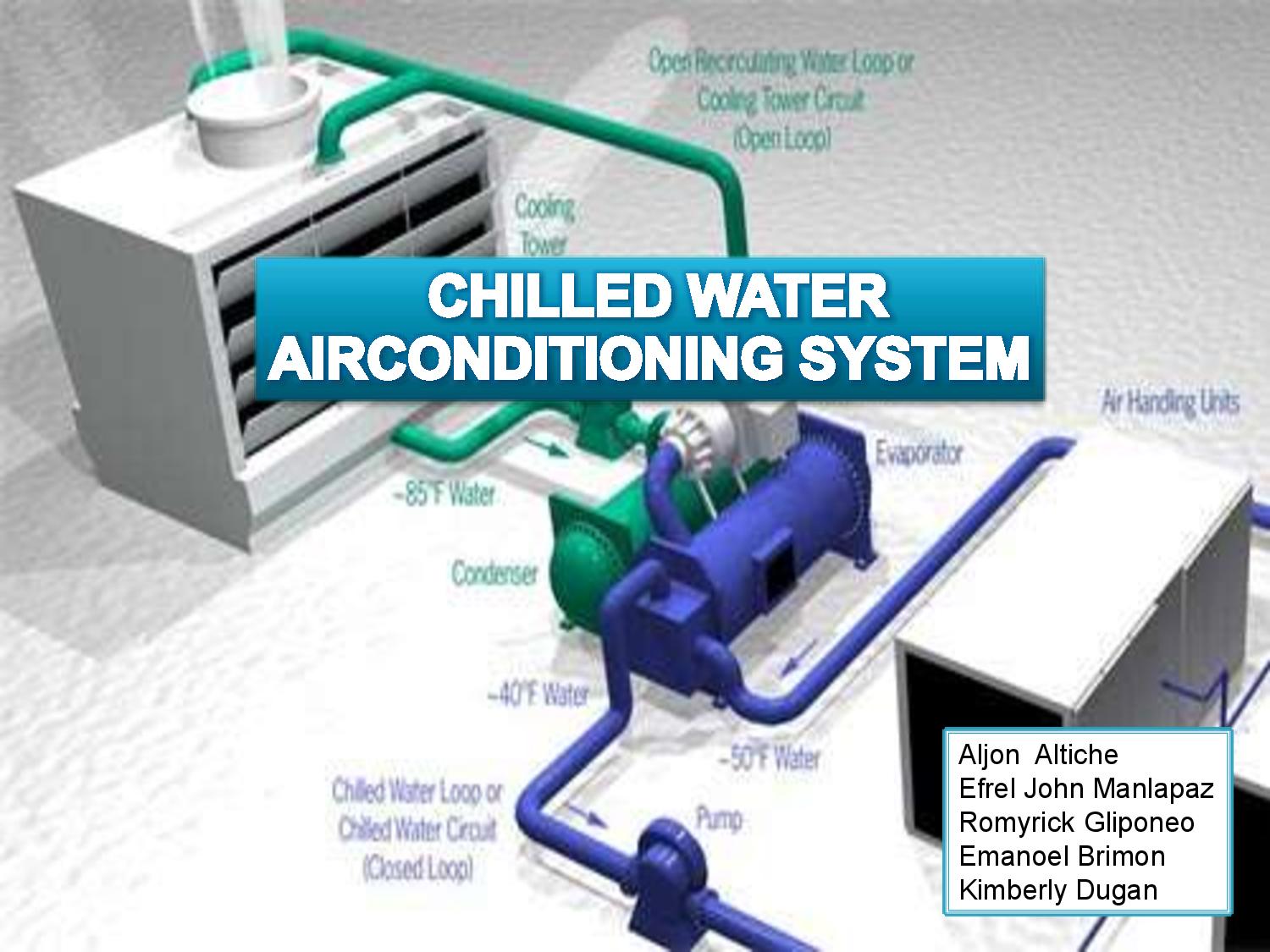
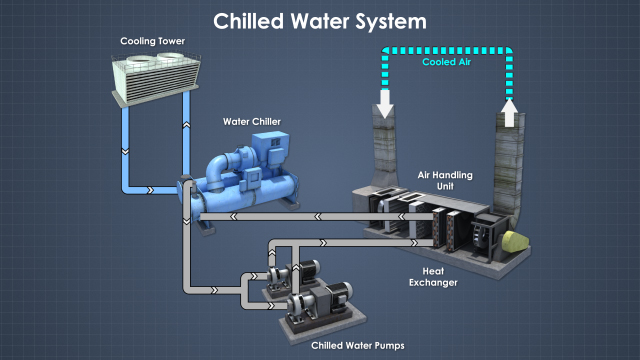
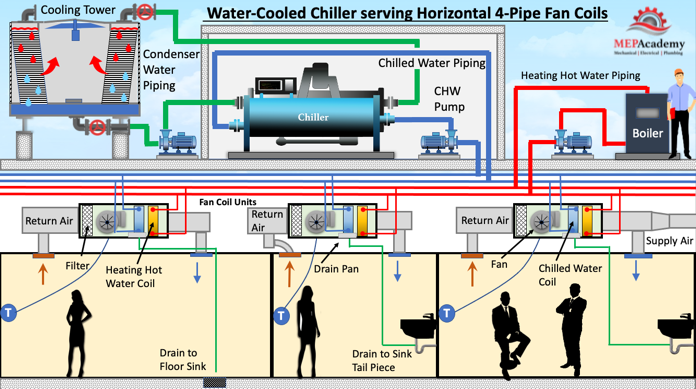
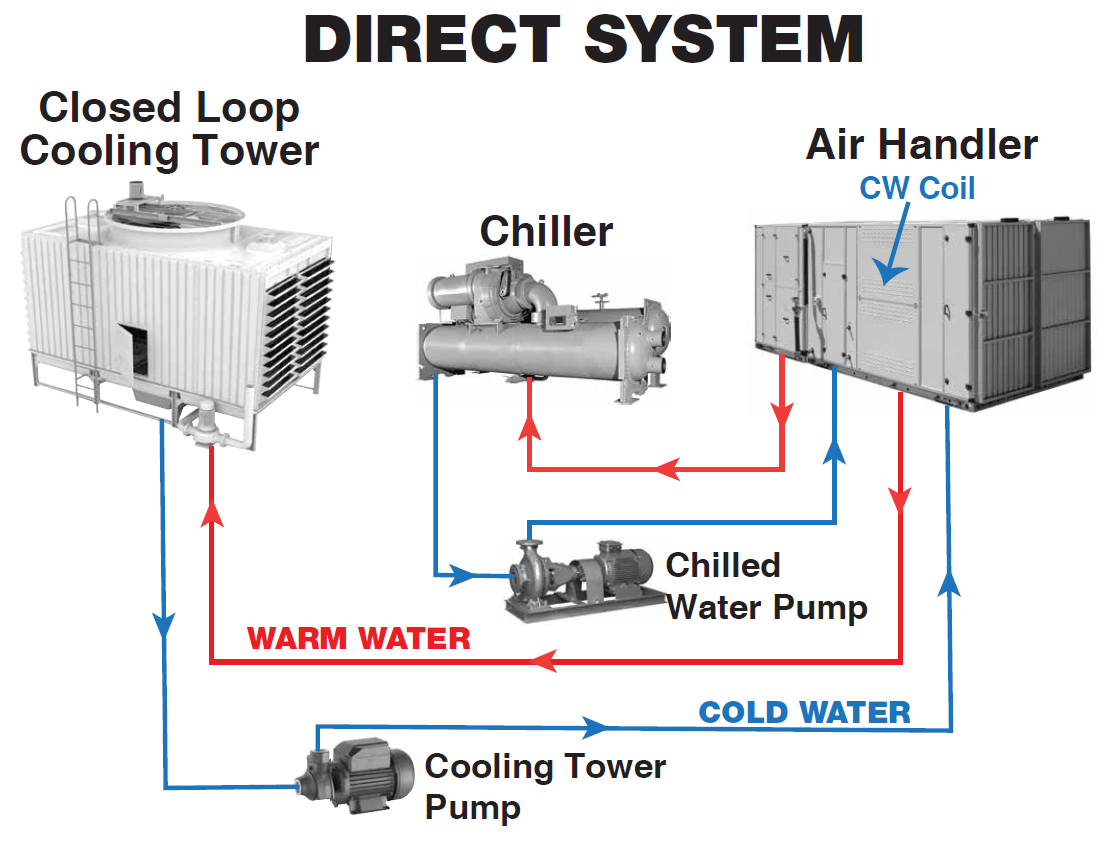
Chilled water systems are different from standard air conditioners. Instead of circulating refrigerant directly, they cool water in a chiller unit (usually located outside) and then pump that chilled water through pipes to air handlers inside your home. These air handlers contain coils that cool the air as it passes over them. This system offers more consistent temperature and humidity control compared to traditional ACs, but also introduces a different set of potential problems.
Troubleshooting Steps: A Homeowner's Guide
Let's walk through a systematic approach to diagnosing and resolving common issues with your chilled water air conditioning system. Always prioritize safety and remember that some repairs are best left to qualified HVAC technicians.
Step 1: The Obvious – Power and Settings
Never underestimate the power of a simple check. Start with the basics:
- Check the Thermostat: Is it turned on and set to a cool temperature (lower than the current room temperature)? Ensure it's in "Cool" mode and not "Fan Only" or "Heat." Make sure the batteries (if applicable) are fresh. A low battery can cause erratic behavior.
- Circuit Breakers: Locate the circuit breaker panel for your AC system. Look for tripped breakers, specifically those labeled "AC," "Chiller," or "Air Handler." If a breaker is tripped, flip it all the way to the "Off" position and then back to the "On" position. If the breaker trips again immediately, there's likely a more serious electrical problem that requires professional attention. Do not repeatedly reset a tripping breaker; this can be dangerous.
- Emergency Shut-Off Switch: Many AC systems have an emergency shut-off switch, often located near the outdoor unit or inside the attic/crawlspace where air handlers reside. Ensure this switch is in the "On" position.
Step 2: Inspect the Air Handlers
The air handlers are the units inside your home that distribute the cool air. Common issues here include:
- Dirty Air Filters: This is the *most* common cause of reduced cooling. A clogged air filter restricts airflow, making the system work harder and reducing its efficiency.
Solution: Locate the air filter(s) in your air handler(s). Usually, there's a panel that slides open. Remove the old filter and replace it with a new one of the correct size and type. Air filters are inexpensive and should be replaced every 1-3 months, depending on air quality and usage. Note the direction of airflow on the filter (usually indicated by an arrow) and install it correctly.
- Blocked Vents: Make sure supply and return vents are not blocked by furniture, rugs, or other objects.
Solution: Clear any obstructions from the vents to ensure proper airflow.
- Condensation Drain Line: Air handlers produce condensation. This water needs to drain properly. A clogged drain line can cause water to back up, potentially damaging the unit and even leading to mold growth.
Solution: Locate the condensation drain line (usually a PVC pipe) exiting the air handler. Check for any obvious kinks or obstructions. You can try using a wet/dry vacuum to clear the line. Carefully attach the vacuum hose to the drain opening and run the vacuum for a few minutes. You can also try pouring a cup of vinegar down the drain line to help dissolve any buildup. If the drain line is severely clogged or you're uncomfortable working with it, call a professional.
Step 3: Examining the Chiller Unit (Outdoor Unit)
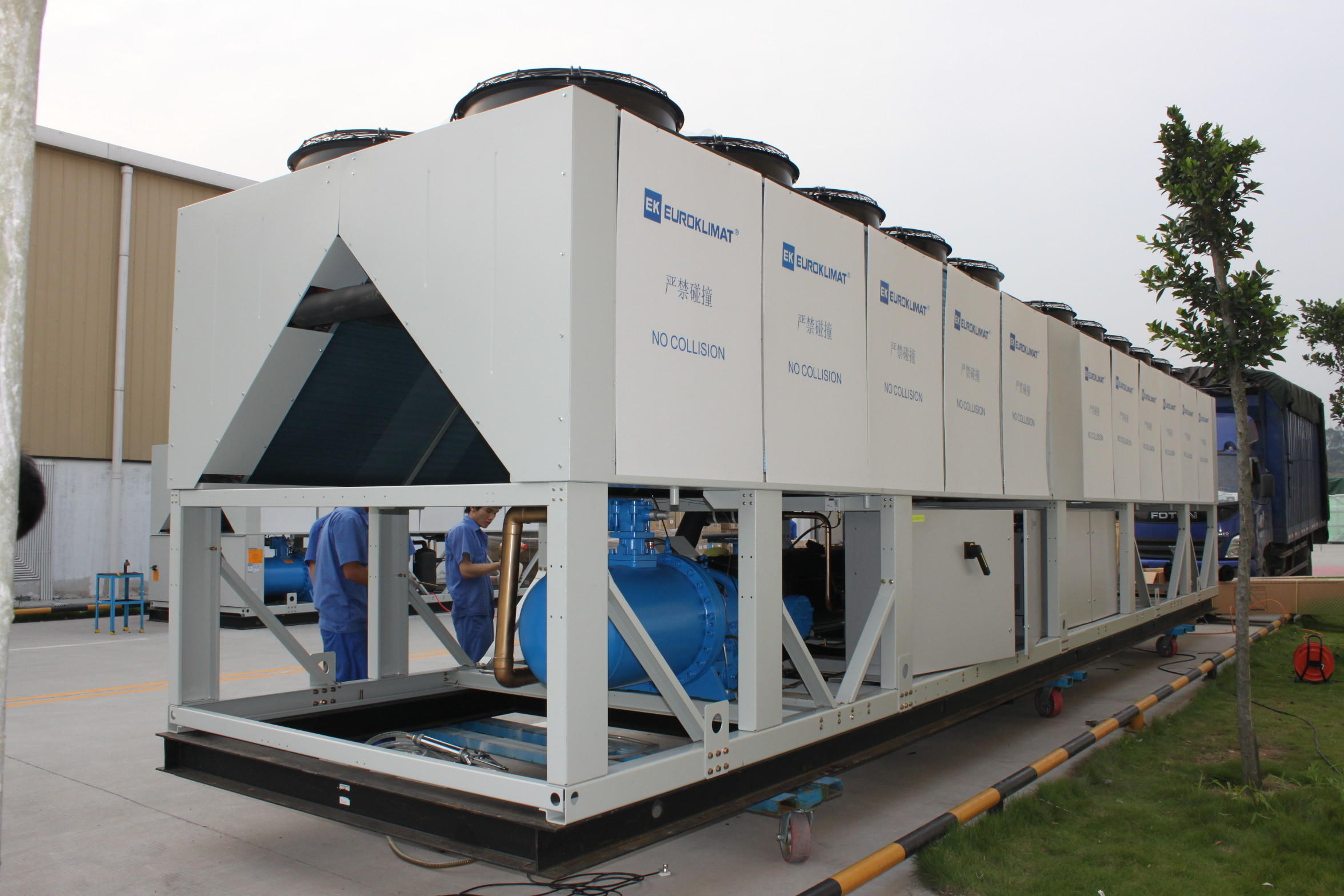
The chiller unit is the heart of the chilled water system and is typically located outside your home. Before working on the outdoor unit, always turn off the power to it at the circuit breaker.
- Check for Obstructions: Ensure the chiller unit is clear of debris like leaves, grass clippings, and snow (depending on the season). These obstructions can restrict airflow and cause the unit to overheat.
Solution: Carefully remove any debris from around the unit. Use a garden hose to gently rinse the coils, being careful not to damage them.
- Inspect the Fan: The fan on the chiller unit helps to dissipate heat. Make sure the fan blades are clean and free of obstructions. Check if the fan is spinning freely.
Solution: If the fan is not spinning, do not attempt to manually turn it on. This could indicate a faulty motor or other electrical problem. Call a qualified HVAC technician immediately. If the fan blades are dirty, gently clean them with a soft brush or cloth.
- Check for Leaks: Inspect the pipes and connections around the chiller unit for any signs of water leaks.
Solution: If you find a minor leak, try tightening the connection with a wrench. If the leak persists or is significant, call a professional. Water leaks can indicate serious problems with the system and should be addressed promptly.
- Listen for Unusual Noises: Pay attention to any unusual noises coming from the chiller unit, such as grinding, squealing, or banging.
Solution: Unusual noises can indicate mechanical problems. Contact a qualified HVAC technician to diagnose and repair the issue. Ignoring these noises could lead to further damage and more costly repairs.
Step 4: Understanding System Pressures (Advanced - Professional Recommended)
Chilled water systems operate at specific pressures. Checking these pressures requires specialized equipment and knowledge. This step is strongly recommended to be performed by a qualified HVAC technician.
- Low Water Pressure: Low water pressure in the system can reduce cooling efficiency. This could be due to leaks, a faulty pump, or other issues.
Professional Solution: A technician can use gauges to check the water pressure and identify the source of the problem. They can then repair leaks, replace faulty pumps, or add water to the system as needed.
- High Water Pressure: High water pressure can also damage the system. This could be due to a blocked pipe, a faulty expansion tank, or other issues.
Professional Solution: A technician can use gauges to check the water pressure and identify the source of the problem. They can then clear blockages, replace faulty expansion tanks, or adjust the system as needed.
Step 5: Dealing with Refrigerant and Chiller Issues (Professional Only)
Chilled water systems still require a refrigerant within the chiller unit to cool the water. Working with refrigerant and the internal components of the chiller is strictly for licensed professionals.
- Refrigerant Leaks: Refrigerant leaks are a serious issue. Refrigerant is harmful to the environment and can also reduce the cooling efficiency of the system.
Professional Solution: A technician can use specialized equipment to detect refrigerant leaks. They can then repair the leak and recharge the system with refrigerant. It is illegal and environmentally irresponsible to release refrigerant into the atmosphere.
- Compressor Problems: The compressor is the heart of the chiller unit. If it fails, the system will not cool.
Professional Solution: Replacing a compressor is a complex and expensive repair. It requires specialized tools and knowledge. It is best left to a qualified HVAC technician.
- Chiller Pump Failure: The chiller system uses a pump to circulate the cold water.
Professional Solution: A faulty pump is usually diagnosed using specialized equipment and voltage measurements. Replacing a pump may involve working with electricity and water pipes. It is best left to a qualified HVAC technician.
When to Call a Professional
While these troubleshooting steps can help you identify and resolve some common issues, there are situations where you should always call a qualified HVAC technician:
- You are uncomfortable working with electricity or water.
- You suspect a refrigerant leak.
- You hear unusual noises coming from the system.
- The system is still not working after you have tried the troubleshooting steps.
- You lack the necessary tools or expertise to perform the repair.
- Any repair involving complex parts like compressors, pumps, or control boards.
Preventative Maintenance: Avoiding Future Problems
The best way to avoid problems with your chilled water air conditioning system is to perform regular preventative maintenance. This includes:
- Changing air filters regularly (every 1-3 months).
- Cleaning the outdoor unit and removing debris.
- Inspecting the condensation drain line for clogs.
- Having the system professionally inspected and serviced annually.
Conclusion
Troubleshooting your chilled water air conditioning system can seem daunting, but by following these steps, you can often identify and resolve common issues yourself. Remember to prioritize safety and know your limitations. When in doubt, always call a qualified HVAC technician. With proper care and maintenance, you can keep your chilled water system running efficiently and reliably for years to come, ensuring a cool and comfortable home all summer long.