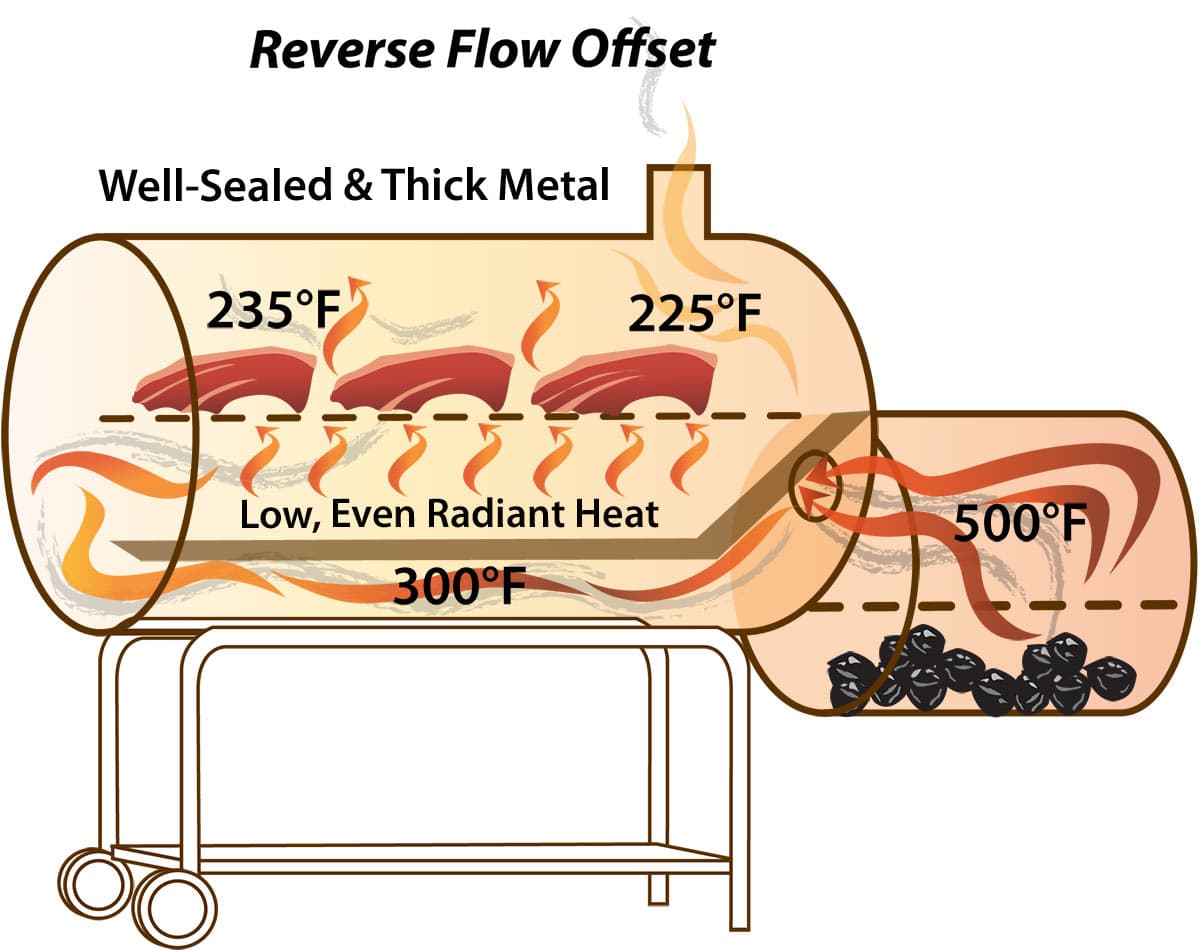
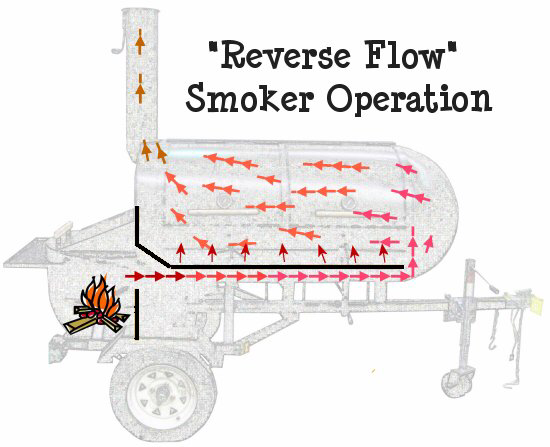
Reverse Flow Smoker Diagram
In the world of HVAC (Heating, Ventilation, and Air Conditioning), diagnosing airflow problems can be tricky. One valuable tool for pinpointing leaks and obstructions is a reverse flow smoker, sometimes called a smoke puffer or smoke stick. This article dives deep into understanding the principles behind a reverse flow smoker, how to use one effectively, and when to leave the task to a qualified HVAC technician.
Understanding the Reverse Flow Smoker Concept
Unlike traditional smoke tests that push smoke into a system, a reverse flow smoker draws air out, creating a visible representation of airflow patterns. This is especially useful for identifying leaks where air shouldn't be entering a system.
Think of it like this: if you suspect a leak in a duct, instead of pumping smoke into the duct and waiting to see where it escapes, the reverse flow smoker sucks air from the suspected leak area. The smoke then visually shows the path of the air being drawn in, pinpointing the exact source of the problem.
Why Use a Reverse Flow Smoker?
A reverse flow smoker offers several advantages over other leak detection methods:
- Precise Leak Detection: Pinpoints the exact source of air leaks, even small ones.
- Visualization: The smoke provides a clear visual representation of airflow.
- Ease of Use: Relatively simple to operate with minimal training.
- Versatility: Can be used on various HVAC components, including ductwork, heat exchangers, and around cabinet seals.
Components of a Basic Reverse Flow Smoker
While professional-grade models exist, a basic DIY reverse flow smoker can be constructed from readily available materials. A typical setup includes:
- Smoke Source: This could be a commercial smoke stick (similar to incense), a modified soldering iron with rosin-core solder, or even certain types of punk sticks. The key is to produce a controlled, non-toxic smoke.
- Suction Device: A small hand-operated bellows, a squeeze bulb (like those used in blood pressure cuffs), or a low-power vacuum cleaner with adjustable suction. The goal is to create a gentle vacuum.
- Nozzle/Attachment: A hose or nozzle to direct the suction and concentrate the smoke's path. This can be as simple as a piece of tubing or a more elaborate nozzle assembly.
- Container (Optional): Some designs incorporate a small container to hold the smoke source and connect to the suction device.
Building a Simple DIY Reverse Flow Smoker (Proceed with Caution)
Important Safety Note: Working with smoke and electrical components (if using a modified soldering iron) requires extreme caution. Ensure proper ventilation and avoid inhaling smoke directly. Never leave a lit smoke source unattended. Use at your own risk.
Here's a simplified example of a DIY setup using a smoke stick and a squeeze bulb:
- Gather Materials: Smoke sticks, squeeze bulb with tubing attachment, lighter, knife.
- Prepare the Smoke Stick: Carefully light the smoke stick and allow it to smolder.
- Attach Tubing: Securely attach the tubing to the nozzle of the squeeze bulb.
- Position the Tubing: Place the open end of the tubing near the smoldering smoke stick, but not directly touching it.
- Create Suction: Gently squeeze and release the bulb to draw smoke through the tubing.
- Apply to Leak Area: Carefully direct the tubing's outlet to the suspected leak area and observe the smoke's movement.
Using a Reverse Flow Smoker: A Step-by-Step Guide
Whether using a DIY or professional smoker, the process is similar:
- Preparation: Turn off the HVAC system and ensure the area is well-ventilated.
- Identify Suspect Areas: Focus on areas known to be prone to leaks, such as duct connections, seams, around registers, and equipment panels.
- Activate the Smoker: Follow the manufacturer's instructions to generate smoke and create suction.
- Apply Smoke: Carefully position the nozzle of the smoker near the suspected leak area. The smoke should be drawn into the leak.
- Observe Airflow: Watch the smoke's movement closely. The smoke will be drawn towards the source of the leak, visually highlighting its location.
- Mark the Leak: Once identified, mark the leak with tape or a marker for later repair.
- Repeat as Needed: Systematically check all suspected areas until all leaks are identified.
Common HVAC Issues Diagnosable with a Reverse Flow Smoker
A reverse flow smoker can help diagnose a wide range of HVAC problems:
- Duct Leaks: Locate leaks in supply and return ducts, leading to energy loss and reduced system efficiency.
- Heat Exchanger Cracks: Detect dangerous cracks in heat exchangers, allowing combustion gases to enter the airflow. This is a serious safety hazard and requires immediate professional attention.
- Cabinet Leaks: Identify leaks around air handler or furnace cabinets, allowing unfiltered air to enter the system.
- Refrigerant Leaks (Indirectly): While not directly detecting refrigerant leaks, the smoker can help find leaks in areas where refrigerant lines pass through, suggesting a potential leak location. Refrigerant leaks require a licensed technician.
- Improperly Sealed Registers: Find gaps around registers where air is leaking into the wall cavity.
Safety Precautions When Using a Reverse Flow Smoker
Safety should always be your top priority when working with HVAC systems and tools like reverse flow smokers:
- Ventilation: Work in a well-ventilated area to avoid inhaling excessive smoke.
- Smoke Source: Use a smoke source specifically designed for leak detection. Avoid using materials that produce toxic fumes.
- Fire Safety: Keep a fire extinguisher nearby, especially when using open flames or modified electrical devices.
- Protective Gear: Wear gloves and eye protection to prevent skin and eye irritation.
- Electrical Safety: If using a modified soldering iron, ensure proper grounding and avoid contact with water.
- Carbon Monoxide: Be particularly cautious when testing heat exchangers. Carbon monoxide leaks are deadly. Have a carbon monoxide detector nearby.
When to Call a Professional HVAC Technician
While a reverse flow smoker can be a valuable DIY tool, some situations require the expertise of a qualified HVAC technician:
- Heat Exchanger Leaks: Any suspicion of a heat exchanger leak is a critical safety issue. Evacuate the premises and call a professional immediately.
- Refrigerant Leaks: Handling refrigerants requires specialized equipment and certification.
- Complex System Issues: If you're unable to identify the source of the problem or the repair is beyond your skill level, consult a professional.
- Gas Furnace Repairs: Working with gas lines and gas-fired appliances is inherently dangerous and should only be done by qualified technicians.
- Warranty Concerns: Attempting DIY repairs on a system under warranty may void the warranty.
Estimated Repair Costs
Repair costs associated with leaks found using a reverse flow smoker vary widely depending on the location, severity, and accessibility of the leak.
- Duct Sealing: Minor duct sealing with foil tape or mastic can cost $50-$200 per affected area. More extensive duct repairs or replacements can range from $500 to several thousand dollars.
- Register Sealing: Sealing gaps around registers is usually a minor repair, costing $20-$50 per register.
- Heat Exchanger Replacement: Replacing a heat exchanger is a major repair, costing $1,000-$3,000 or more, including labor and parts.
- Cabinet Sealing: Sealing leaks around cabinet doors and panels can cost $50-$150.
Note: These are just estimates. Contact a local HVAC professional for a precise quote based on your specific situation.
Reverse Flow Smoker Alternatives
If a reverse flow smoker isn't available, other leak detection methods can be used, although they may not be as precise:
- Visual Inspection: Carefully examine ductwork and equipment for obvious signs of damage or leaks.
- Hand Test: Feel around duct connections and seams for drafts, indicating air leaks.
- Blower Door Test: A professional blower door test can measure the overall airtightness of a building and identify areas of air leakage.
- Infrared Camera: An infrared camera can detect temperature differences caused by air leaks.
In conclusion, a reverse flow smoker is a valuable tool for diagnosing HVAC airflow problems. Understanding its principles and proper usage can empower homeowners and DIY enthusiasts to identify and address common issues. However, remember to prioritize safety and consult a qualified professional when dealing with complex or potentially hazardous situations.