Reverse Flow Smoker Plans Pdf

Imagine this: you've planned a weekend barbecue, meticulously preparing your meats for a low-and-slow smoke in your beloved reverse flow smoker. You fire it up, anticipate that delicious smoky aroma… but nothing. The temperature is off, the smoke isn't circulating correctly, and your barbecue dreams are slowly fading away. Before you throw in the towel and order pizza, let's troubleshoot your smoker.
Understanding Reverse Flow Smokers
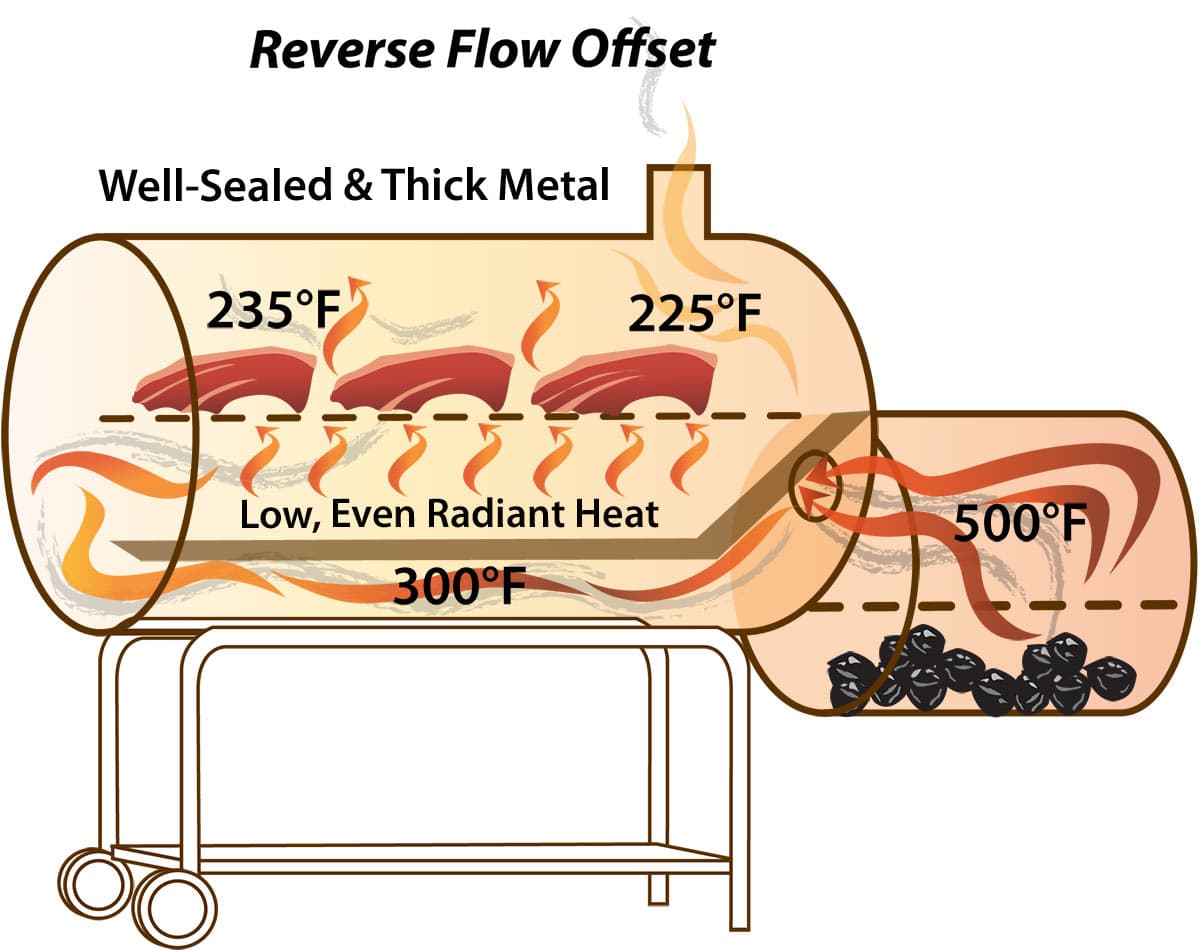
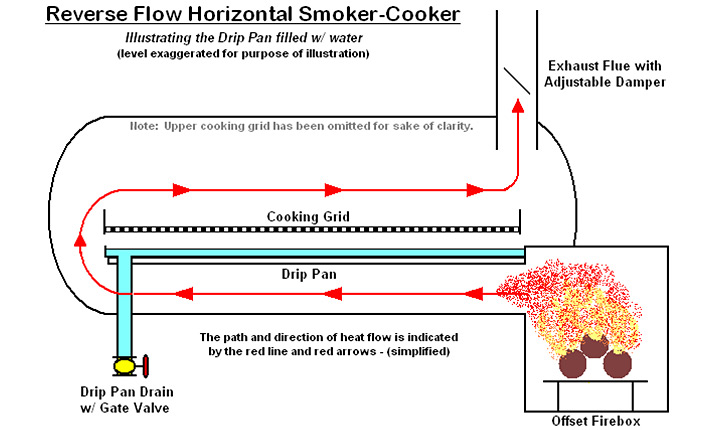
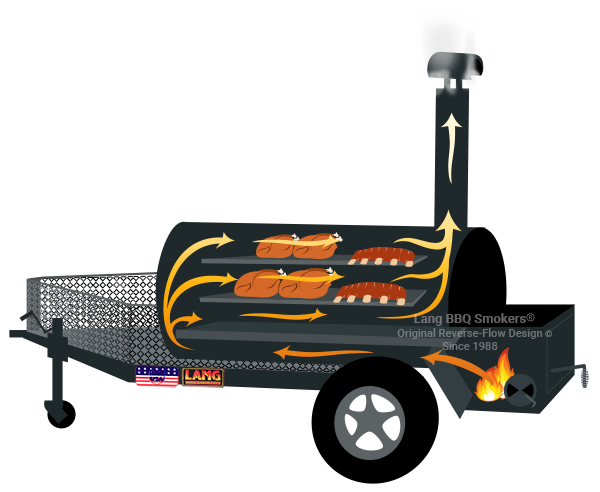
Reverse flow smokers are designed to circulate smoke and heat efficiently. The firebox is usually located on the side, and the smoke travels under a baffle plate before rising to the cooking chamber. This design promotes even cooking and reduces hotspots. Problems often arise when this circulation is disrupted.
Troubleshooting Your Reverse Flow Smoker
Here's a step-by-step guide to diagnosing and potentially fixing common issues with your reverse flow smoker. Safety first: always ensure the smoker is cool before attempting any internal inspections.
1. Initial Assessment: The Pre-Smoke Checklist
Before even lighting the fire, perform a basic check. This can save you a lot of time and frustration.
- Inspect for Obstructions: Look inside the firebox, cooking chamber, and under the baffle plate. Ensure there are no large chunks of wood, charcoal, or debris blocking the airflow. Animals sometimes build nests inside unused smokers, so a thorough check is crucial.
- Check the Vents: Make sure all air intake and exhaust vents are clear and adjustable. Proper ventilation is essential for temperature control and smoke circulation. Clogged vents can stifle the fire and lead to uneven cooking.
- Seal Integrity: Examine the door seals for any gaps or damage. Leaks allow heat and smoke to escape, reducing efficiency and making it difficult to maintain consistent temperatures. Consider using high-temperature sealant to address small gaps.
- Fuel Quality: Ensure you are using dry, seasoned wood or quality charcoal. Damp wood or low-quality charcoal produces excessive smoke and may struggle to maintain a consistent burn.
2. Temperature Control Issues
One of the most common complaints is difficulty maintaining a consistent temperature. Here’s how to tackle that:
- Insufficient Fuel: This seems obvious, but it's the most frequent culprit. Ensure you have enough fuel (wood or charcoal) to sustain the fire for the duration of your cook. Gradually add fuel to maintain the desired temperature, rather than overloading the firebox initially.
- Airflow Problems:
- Too Little Air: If the fire is smoldering and producing excessive smoke, you likely need to open the air intake vents to provide more oxygen.
- Too Much Air: If the fire is burning too hot and fast, reduce the airflow by partially closing the intake vents.
- Fuel Placement: The way you arrange the fuel can significantly impact the burn.
- Charcoal: Use a charcoal basket or create a pile with good airflow for even burning.
- Wood: Consider the "minion method" (lighting a small portion of the wood and allowing it to gradually burn into the rest) for a slow, steady burn.
- Thermometer Calibration: Your built-in thermometer might be inaccurate. Test it in boiling water (212°F/100°C) to check its accuracy. If it's off, either replace it or use a reliable external thermometer.
3. Smoke Circulation Problems
A reverse flow smoker's effectiveness relies on proper smoke circulation. If you're not getting the desired smoky flavor, consider these points:
- Baffle Plate Issues:
- Incorrect Placement: Ensure the baffle plate is positioned correctly. It should be installed at the correct height and angle to direct the smoke flow evenly. Refer to your smoker's plans for the proper configuration.
- Blockage: Inspect the space under the baffle plate for any obstructions. Accumulated ash or debris can hinder smoke circulation.
- Insufficient Airflow (Again!): Smoke needs airflow to circulate. Review the airflow troubleshooting tips above.
- Type of Wood: The type of wood you use significantly impacts the smoke flavor. Experiment with different wood types (hickory, mesquite, apple, cherry) to find your preferred flavor profile.
- Wet Wood: Avoid using green or unseasoned wood. It produces more steam than smoke, hindering proper circulation and resulting in a bitter taste.
4. Addressing Leaks and Seal Issues
Leaks can dramatically impact your smoker's performance, making it difficult to maintain temperature and retain smoke. Address them promptly.
- Visual Inspection: Carefully inspect all seams, door seals, and welds for any signs of gaps or cracks.
- The Dollar Bill Test: Place a dollar bill (or any piece of paper) between the door and the smoker frame. Close the door and try to pull the bill out. If it pulls out easily, the seal is weak in that area. Repeat this test around the entire door.
- DIY Sealing Solutions:
- High-Temperature Silicone Sealant: For small gaps, apply a bead of high-temperature silicone sealant along the seams and around the door frame. Allow it to cure completely before using the smoker.
- Gasket Material: Replace worn or damaged door gaskets with new high-temperature gasket material. This is available at most hardware stores or online retailers.
5. Rust and Corrosion Prevention
Rust and corrosion are the enemies of any metal smoker. Regular maintenance is key to prolonging its lifespan.
- Regular Cleaning: Clean your smoker after each use to remove grease, ash, and food debris. Use a brush or scraper to remove stubborn buildup.
- Protective Coating: Apply a high-temperature paint or coating to protect the metal from rust and corrosion. Touch up any chipped or damaged areas promptly.
- Covering: Store your smoker under a waterproof cover when not in use to protect it from the elements.
- Rust Removal: If rust has already formed, remove it with a wire brush or sandpaper. Then, apply a rust-inhibiting primer and high-temperature paint.
6. More Complex Issues and When to Call a Professional
While many smoker problems can be addressed with DIY solutions, some issues require professional expertise. Never attempt repairs that you are not comfortable with or that involve gas or electrical components.
- Damaged Firebox: If the firebox is severely rusted or cracked, it may need to be replaced. This is a complex repair that requires welding and fabrication skills.
- Major Structural Damage: If the smoker's frame or body is significantly damaged, it may be beyond repair. Consult with a metal fabricator or consider replacing the smoker.
- Gas Burner Problems (if applicable): If your smoker has a gas burner, do not attempt to repair it yourself. Gas leaks and malfunctions can be extremely dangerous. Contact a qualified gas appliance technician.
- Electrical Issues (if applicable): If your smoker has electrical components (e.g., temperature controllers, fans), do not attempt to repair them yourself unless you are a qualified electrician. Electrical shocks can be fatal.
Preventative Maintenance: The Key to Longevity
The best way to avoid smoker problems is to practice regular preventative maintenance.
- Clean After Each Use: As mentioned earlier, this is crucial.
- Inspect Regularly: Periodically inspect your smoker for signs of wear and tear, rust, or damage. Address any issues promptly.
- Proper Storage: Store your smoker in a dry, covered area when not in use.
- Lubricate Moving Parts: Lubricate hinges, vents, and other moving parts with a high-temperature lubricant to prevent them from seizing up.
Specific Issues Related to Reverse Flow Smoker Plans (PDF)
If you built your smoker from plans, certain issues may arise from variations in construction or deviations from the plans.
- Welding Issues: Improper welding can create weak points and leaks. Carefully inspect all welds for cracks or porosity. If you are not a skilled welder, have a professional welder inspect and repair any suspect welds.
- Material Thickness: Using thinner gauge metal than specified in the plans can lead to warping and uneven heat distribution. Consider reinforcing thinner areas with additional metal plates.
- Baffle Plate Dimensions: The dimensions and placement of the baffle plate are critical for proper smoke circulation. Double-check that the baffle plate conforms to the dimensions in the plans. Adjust its position slightly if necessary to optimize smoke flow.
- Airflow Calculations: The size and placement of the air intake and exhaust vents are based on calculations outlined in the plans. Ensure that the vents are the correct size and properly positioned. If you are experiencing airflow problems, you may need to adjust the vent sizes or add additional vents. Consult with the plan's author or a qualified smoker builder before making any major modifications.
Remember, troubleshooting your reverse flow smoker is a process of elimination. Start with the simple checks and gradually move towards more complex diagnoses. By following these steps and taking preventative measures, you can keep your smoker in top condition and enjoy years of delicious barbecue.
Disclaimer: This article provides general troubleshooting advice. Always consult your smoker's manual and follow all safety precautions. If you are unsure about any repair, consult with a qualified professional.