Rheem 90 Plus Furnace Service Manual

The Rheem 90 Plus furnace is a popular choice for homeowners seeking efficient and reliable heating. This guide provides an accessible overview of what you'd typically find in a Rheem 90 Plus Furnace Service Manual, explaining key components, troubleshooting tips, and maintenance procedures. This is not a substitute for the actual service manual, which is specific to your exact model and should always be consulted by a qualified technician. Think of this guide as your introductory course.
Understanding Your Rheem 90 Plus Furnace
The Rheem 90 Plus furnace is known for its high-efficiency operation, meaning it converts a significant portion of the fuel it burns into usable heat. This is achieved through features like a secondary heat exchanger which extracts additional heat from the exhaust gases that would otherwise be wasted. The "90 Plus" designation indicates an Annual Fuel Utilization Efficiency (AFUE) of 90% or higher. AFUE represents how much of the fuel's energy is converted into heat. A higher AFUE means more efficient heating and lower energy bills.
Key Components
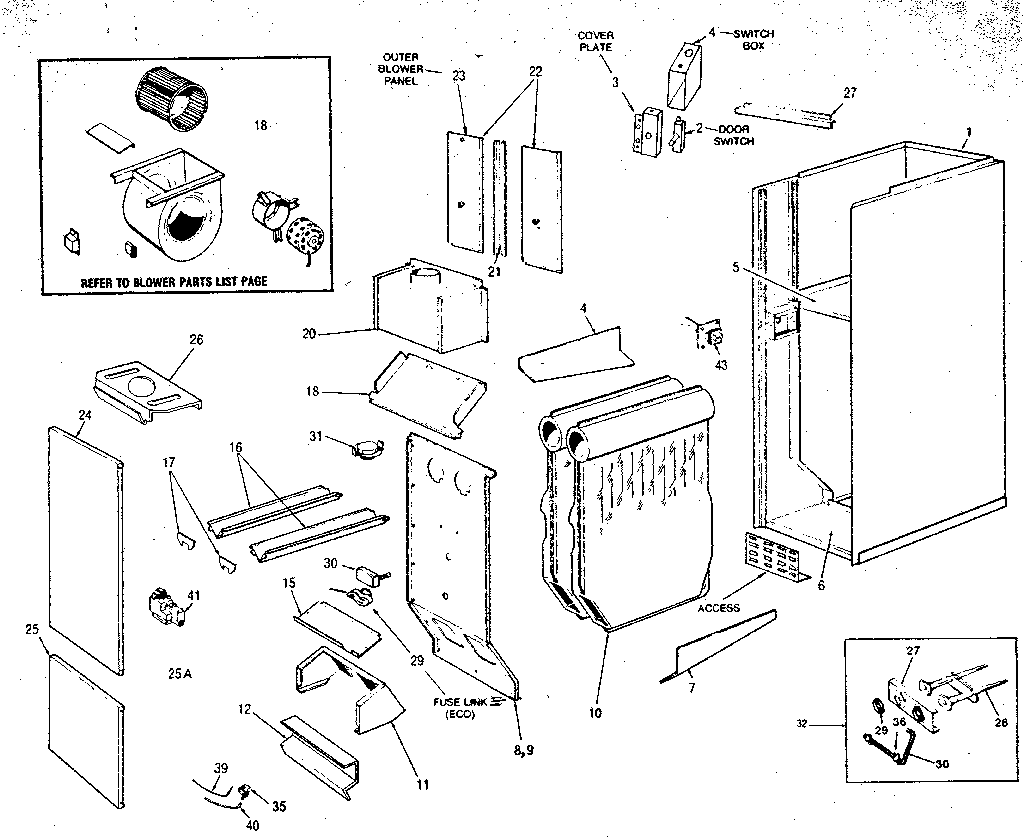
Here's a breakdown of the critical components you'll likely find described in your Rheem 90 Plus Furnace Service Manual:
- Gas Valve: The gas valve controls the flow of natural gas or propane to the burners. It's a safety-critical component that needs to operate reliably. The manual will describe how to test and adjust the gas valve.
- Burners: The burners are where the gas is ignited and burned, producing heat. They need to be clean and properly adjusted for efficient combustion. The manual will guide you on cleaning procedures and flame adjustments.
- Heat Exchangers: The primary and secondary heat exchangers are responsible for transferring heat from the combustion gases to the air that circulates through your home. They are prone to corrosion and should be regularly inspected for cracks or leaks. Any sign of damage here requires immediate attention from a qualified technician.
- Blower Motor: The blower motor circulates the heated air throughout your ductwork and into your home. It's responsible for moving the air across the heat exchanger. The manual will cover lubrication and possible replacements.
- Inducer Motor: The inducer motor creates a draft to exhaust combustion gases from the furnace. It plays a crucial role in safety. The manual describes testing procedures to ensure proper operation.
- Control Board: The control board is the "brain" of the furnace, managing all the components and responding to signals from the thermostat. The service manual will have diagnostic charts to help troubleshoot control board problems.
- Flame Sensor: The flame sensor is a safety device that detects the presence of a flame. If it doesn't sense a flame, it shuts off the gas valve to prevent a gas buildup. It's a common point of failure and the service manual details cleaning and testing it.
- Pressure Switches: Pressure switches monitor pressure levels in various parts of the furnace, like the vent system. They ensure that everything is operating within safe parameters.
- Thermostat: The thermostat is your interface for controlling the furnace. It sends signals to the control board to turn the furnace on or off.
- Vent System: The vent system removes combustion gases from the furnace and vents them safely outside. A properly functioning vent system is critical to prevent carbon monoxide poisoning.
Common Troubleshooting Scenarios
The service manual is your best friend when things go wrong. Here are some common issues you might encounter and how the manual helps:
- Furnace Not Turning On: The manual will walk you through a step-by-step diagnostic process, starting with simple things like checking the thermostat settings and circuit breaker, and moving on to more complex checks like testing the control board and flame sensor.
- Furnace Short Cycling (Turning On and Off Repeatedly): Short cycling can be caused by a variety of issues, including a dirty air filter, an oversized furnace, or a faulty flame sensor. The manual will provide guidance on identifying and resolving the cause.
- Unusual Noises: The manual may have diagrams or lists to help identify the source of strange noises, such as squealing (often a blower motor bearing), rattling (loose panels), or hissing (gas leak – call a professional immediately!).
- Error Codes: Modern furnaces display error codes to indicate specific problems. The service manual will have a table listing each error code and its meaning, along with troubleshooting steps.
Example Troubleshooting Steps (General - Refer to your specific manual):
Let's say your furnace isn't turning on:
- Check the thermostat: Ensure it's set to "Heat" and the temperature is set higher than the room temperature. Also, check the thermostat's batteries.
- Check the circuit breaker: Make sure the breaker for the furnace hasn't tripped. Reset it if necessary.
- Check the furnace switch: Most furnaces have a dedicated on/off switch, often located near the furnace itself. Make sure it's in the "On" position.
- Check the air filter: A clogged air filter can restrict airflow and cause the furnace to overheat and shut down. Replace the filter if it's dirty.
- Consult the service manual: If the above steps don't resolve the issue, consult the service manual for troubleshooting procedures specific to your model. It might guide you to check the flame sensor, pressure switches, or control board.
Regular Maintenance
Preventative maintenance is key to keeping your Rheem 90 Plus furnace running efficiently and reliably for years to come. The service manual outlines the recommended maintenance schedule and procedures.
Essential Maintenance Tasks:
- Air Filter Replacement: Replace the air filter every 1-3 months, or more often if you have pets or allergies. A dirty filter restricts airflow, reduces efficiency, and can damage the furnace.
- Blower Motor Lubrication: Some blower motors require periodic lubrication. The service manual will specify if your model requires lubrication and how to do it properly.
- Burner Cleaning: Clean the burners annually to remove dust and debris. A clean burner provides more efficient combustion. The service manual will detail the correct way to clean your specific burners.
- Heat Exchanger Inspection: Have a qualified technician inspect the heat exchangers annually for cracks or corrosion. This is a critical safety check.
- Vent System Inspection: Inspect the vent system for obstructions or leaks. A blocked vent system can lead to carbon monoxide poisoning. This is another task best left to a professional.
- Flame Sensor Cleaning: Clean the flame sensor annually. A dirty flame sensor can cause the furnace to shut down prematurely.
- Gas Line Inspection: Have a professional check the gas line for leaks. Gas leaks are extremely dangerous.
Why Maintenance Matters
Think of your furnace like a car. Regular maintenance, like oil changes and tune-ups, helps to keep it running smoothly and prevent major problems down the road. Similarly, regular furnace maintenance can:
- Extend the lifespan of your furnace.
- Improve energy efficiency, saving you money on your energy bills.
- Prevent costly repairs.
- Ensure safe operation.
Safety Precautions
Working on a furnace can be dangerous if you're not careful. Always prioritize safety! Here are some essential safety precautions:
- Turn off the power: Before working on any electrical components, always turn off the power to the furnace at the circuit breaker.
- Turn off the gas: If you need to disconnect any gas lines, turn off the gas supply to the furnace at the gas valve.
- Ventilation: Ensure adequate ventilation when working on the furnace, especially when dealing with gas.
- Carbon Monoxide Detector: Make sure you have a working carbon monoxide detector in your home. Carbon monoxide is a deadly, odorless gas.
- Professional Help: If you're not comfortable performing a particular task, or if you suspect a serious problem, call a qualified HVAC technician. Some repairs, especially those involving gas lines or heat exchangers, should only be performed by professionals.
- Follow the Manual: Always refer to your specific Rheem 90 Plus Furnace Service Manual for detailed instructions and safety warnings.
Understanding Error Codes
Error codes, also known as fault codes, are displayed by the furnace's control board to help diagnose problems. The service manual is essential for interpreting these codes. Each code corresponds to a specific issue, such as a failed sensor, a problem with the ignition system, or a blocked vent. The manual will provide a list of codes, their meanings, and the recommended troubleshooting steps. For example, a common error code might indicate a problem with the flame sensor, suggesting that it needs to be cleaned or replaced.
Finding Your Specific Service Manual
It's crucial to use the service manual that is specific to your Rheem 90 Plus furnace model number. This ensures that the information is accurate and relevant to your specific unit. You can usually find the model number on a sticker located inside the furnace cabinet. Once you have the model number, you can try the following:
- Search Online: Search online using the model number and the terms "service manual" or "installation manual."
- Rheem Website: Visit the Rheem website and look for a section dedicated to manuals and documentation.
- Contact Rheem Directly: Contact Rheem customer support or a local Rheem dealer to request a copy of the service manual.
When to Call a Professional
While this guide and your Rheem 90 Plus Furnace Service Manual can help you with basic maintenance and troubleshooting, there are situations where you should always call a qualified HVAC technician:
- Gas Leaks: If you suspect a gas leak, evacuate your home immediately and call your gas company or the fire department.
- Heat Exchanger Issues: Any signs of damage to the heat exchanger, such as cracks or corrosion, require immediate professional attention.
- Control Board Problems: Diagnosing and repairing control board issues can be complex and often requires specialized equipment.
- Refrigerant Issues: Furnaces do not use refrigerant (that's for air conditioners). If someone tells you your furnace needs refrigerant, they are mistaken or trying to scam you.
- You're Uncomfortable: If you're not comfortable performing a particular task, or if you're unsure about something, it's always best to err on the side of caution and call a professional.
By understanding your Rheem 90 Plus furnace, following the recommended maintenance schedule, and knowing when to call a professional, you can ensure that your furnace provides reliable and efficient heating for years to come. Remember that this guide is for informational purposes only and should not be used as a substitute for the actual Rheem 90 Plus Furnace Service Manual or the expertise of a qualified HVAC technician.