Rheem Furnace Wiring Schematic

Imagine waking up on a chilly morning and discovering your furnace isn't working. The house is getting colder, and a wave of panic sets in. Before you call a professional, let's explore some simple troubleshooting steps you can safely take, focusing on understanding your Rheem furnace wiring schematic. This guide will help you identify common issues and potentially resolve them yourself, saving you time and money. However, remember safety is paramount. If at any point you feel uncomfortable or unsure, call a qualified HVAC technician.
Understanding Your Rheem Furnace Wiring Schematic: A Homeowner's Guide
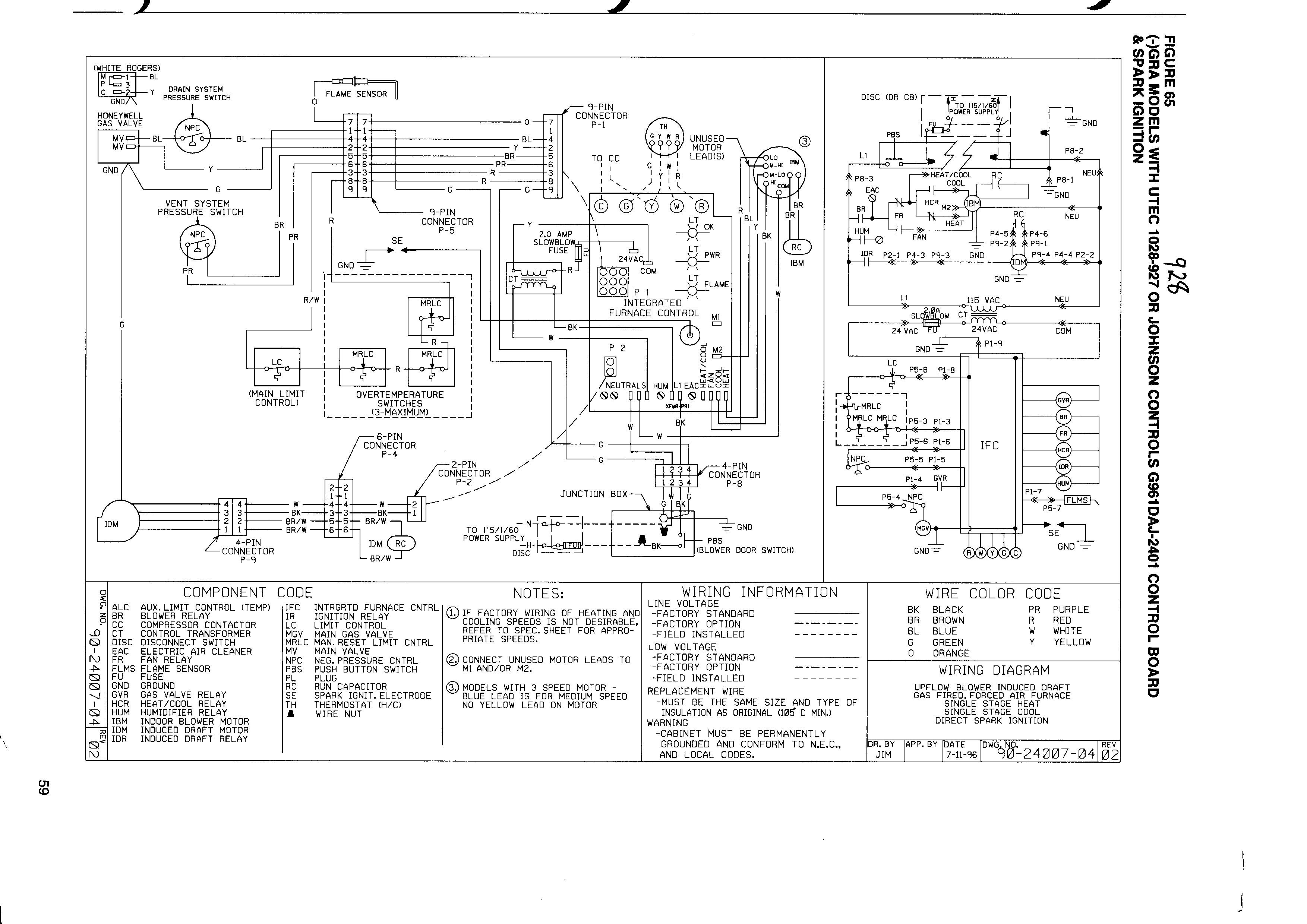
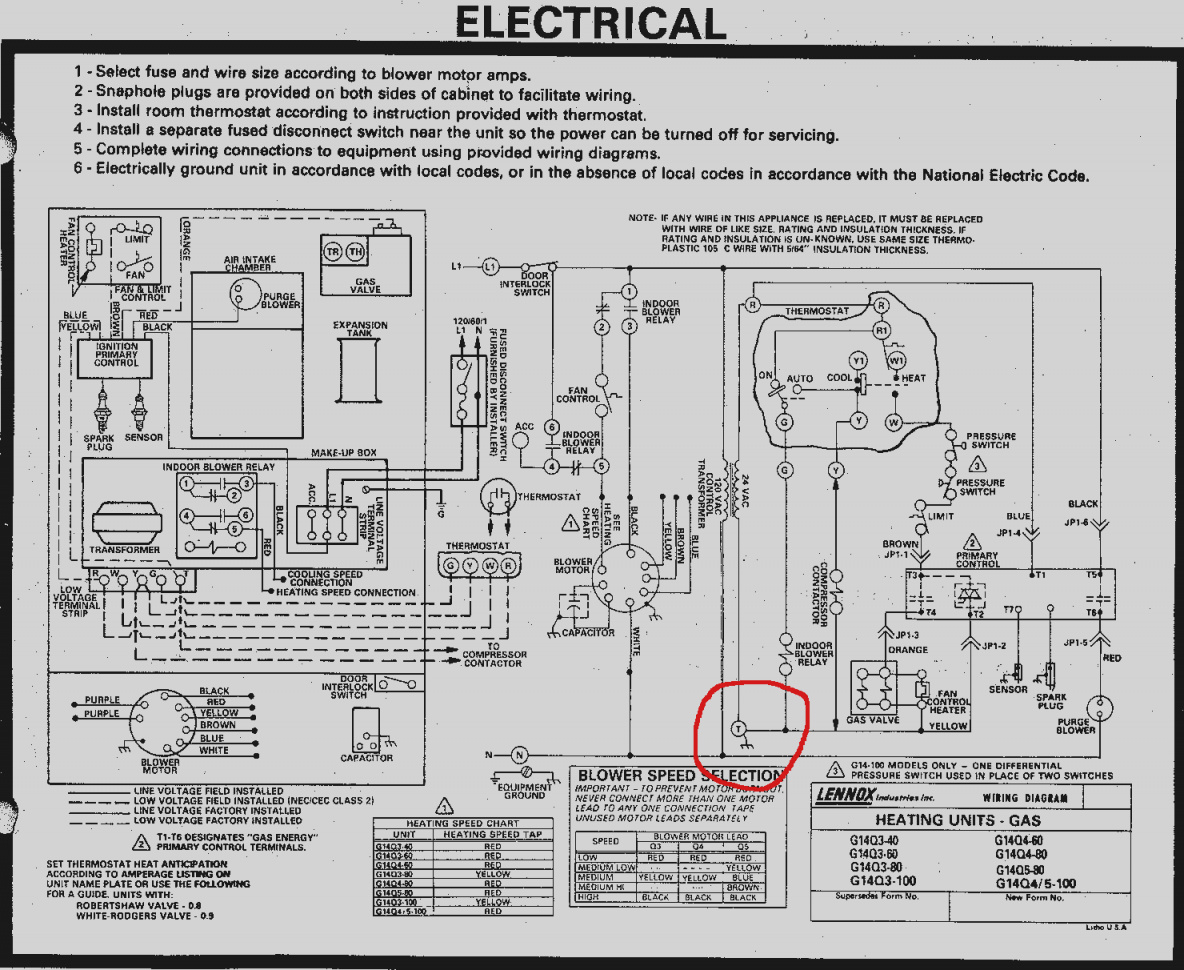
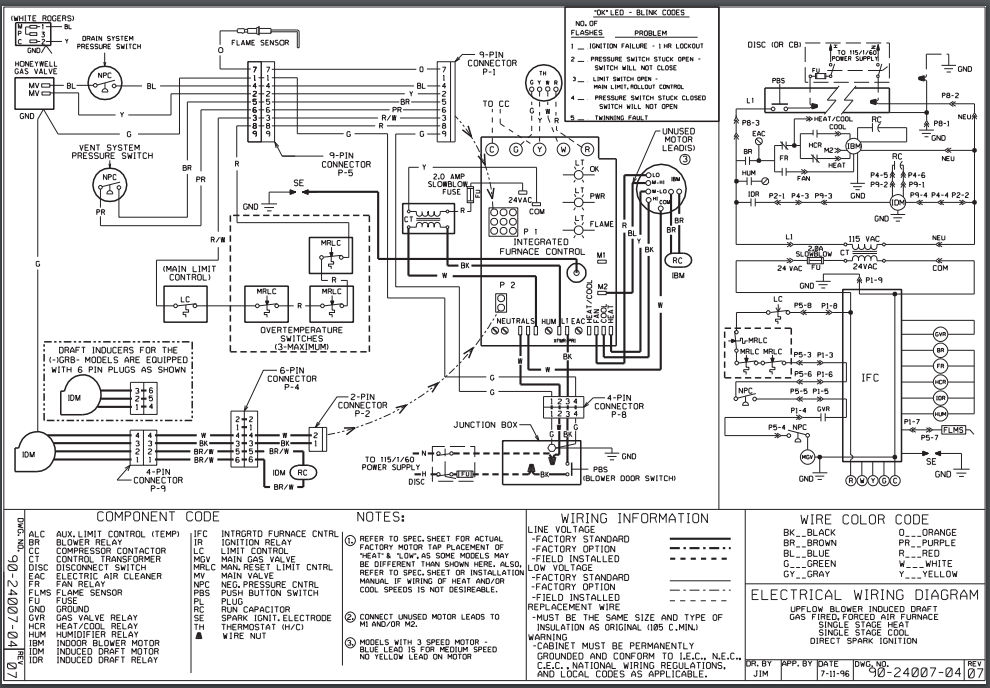
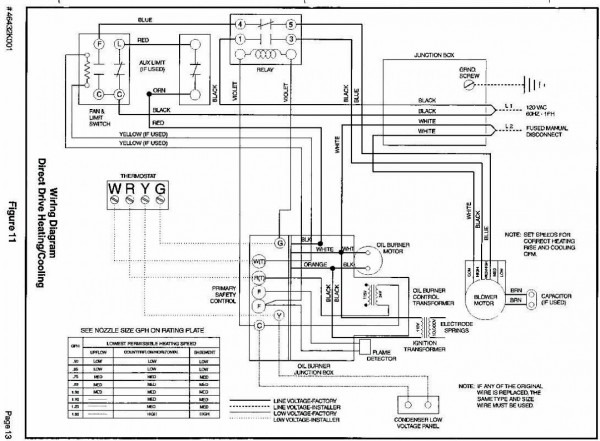
Your Rheem furnace wiring schematic is essentially a roadmap of all the electrical components and how they're connected. It’s usually found inside the furnace control panel. Don't be intimidated! While it may look complex, understanding some basic concepts can significantly aid in troubleshooting.
Why is the Wiring Schematic Important?
The schematic allows you to:
- Identify components: Locate specific parts like the blower motor, gas valve, and ignition control module.
- Trace circuits: Understand the flow of electricity and identify potential breaks in the circuit.
- Diagnose problems: Determine which component might be failing based on symptoms.
Always turn off the power to the furnace at the breaker box before inspecting any wiring.
Step-by-Step Troubleshooting Guide
Follow these steps in order, checking the easiest and safest solutions first.
1. Check the Power Supply
This is the most basic but often overlooked step.
- Breaker Box: Go to your breaker box and ensure the breaker for the furnace is switched ON. If it's tripped (in the middle position), switch it fully OFF and then back ON.
- Furnace Switch: Most furnaces have a dedicated on/off switch located near the unit. Make sure it's in the ON position. It often looks like a light switch.
If the breaker trips repeatedly, there's likely a short circuit, and you should call a professional.
2. Thermostat Settings
A simple thermostat setting error is a common cause of furnace failure.
- Mode: Ensure the thermostat is set to HEAT.
- Temperature: Make sure the set temperature is higher than the current room temperature.
- Battery: If your thermostat is battery-powered, replace the batteries. Low batteries can cause erratic behavior.
- Wiring: (Proceed with caution and only if comfortable. Turn off power at the breaker!) Gently remove the thermostat cover. Check the wiring connections on the back. Are any wires loose or disconnected? Consult your thermostat's manual or the furnace wiring schematic (if it includes thermostat wiring) to ensure the wires are correctly connected.
If you suspect thermostat wiring issues beyond loose connections, consult a professional. Incorrect thermostat wiring can damage your furnace control board.
3. Air Filter
A clogged air filter restricts airflow, causing the furnace to overheat and shut down as a safety precaution.
- Location: Locate the air filter slot on your furnace (usually near where the return air duct connects).
- Inspection: Remove the filter and hold it up to the light. If you can barely see through it, it needs replacing.
- Replacement: Replace the filter with a new one of the correct size and type. Ensure the airflow direction arrow on the filter points in the correct direction (usually towards the furnace).
Replace your air filter every 1-3 months, depending on usage and air quality.
4. Pilot Light (Older Furnaces) or Igniter (Newer Furnaces)
Older furnaces use a pilot light, while newer models use an electronic igniter.
Pilot Light (Older Furnaces)
- Location: Locate the pilot light assembly (usually behind a small door on the furnace).
- Inspection: Look for a small blue flame. If the pilot light is out, follow the instructions on the furnace to relight it. Follow the manufacturer's instructions precisely!
- Troubleshooting: If the pilot light won't stay lit, the thermocouple (a small sensor that detects the flame) might be faulty. This is a relatively inexpensive part, but replacing it requires shutting off the gas supply, so it's best left to a professional.
Igniter (Newer Furnaces)
- Observation: When the thermostat calls for heat, listen for a clicking sound (spark ignition) or a humming sound (hot surface igniter).
- No Ignition: If you don't hear either sound, the igniter may be faulty.
- Visual Inspection: (Turn off the power and gas supply before attempting this!) Carefully inspect the igniter. Is it cracked, broken, or covered in soot? If so, it likely needs replacing. Igniter replacement can be tricky and requires careful handling due to its fragility. Consult a professional if you're not comfortable.
Never attempt to modify or bypass any safety devices related to the gas supply. This is extremely dangerous!
5. Flame Sensor
The flame sensor is a safety device that ensures the burner is lit before allowing the gas valve to stay open. A dirty flame sensor is a common cause of furnace problems.
- Location: The flame sensor is a small metal rod located near the burner. Consult your furnace wiring schematic to identify its exact location.
- Inspection: (Turn off the power and gas supply before attempting this!) Carefully remove the flame sensor. It's usually held in place by a single screw.
- Cleaning: Use fine-grit sandpaper or steel wool to gently clean the metal rod. Remove any soot or carbon buildup.
- Reinstallation: Reinstall the flame sensor securely.
If the furnace ignites briefly and then shuts down, a dirty flame sensor is a likely culprit.
6. Blower Motor
The blower motor circulates heated air throughout your home. A faulty blower motor can cause the furnace to overheat or fail to distribute heat properly.
- Observation: When the furnace is running, listen for the blower motor. Is it running smoothly, or is it noisy or not running at all?
- Capacitor: (Turn off the power at the breaker!) The blower motor has a capacitor that helps it start. A failing capacitor is a common cause of blower motor failure. Capacitor replacement can be dangerous due to the stored electrical charge. It's best left to a professional.
- Wiring: (Turn off the power at the breaker!) Check the wiring connections to the blower motor. Are any wires loose or disconnected? Consult your furnace wiring schematic to ensure the wires are correctly connected.
Never attempt to directly work on a blower motor while the power is on. High voltage is involved.
7. Gas Valve
The gas valve controls the flow of gas to the burners. This is a critical component, and any work on the gas valve should be performed by a qualified professional.
- Observation: If you suspect a problem with the gas valve (e.g., you smell gas), immediately turn off the gas supply to the furnace and call your gas company or a qualified HVAC technician.
Never attempt to repair or modify the gas valve yourself. This is extremely dangerous and could lead to a gas leak or explosion.
8. Control Board
The control board is the brain of your furnace, controlling all the different components. A faulty control board can cause a wide range of problems.
- Observation: The control board often has LED lights that indicate diagnostic codes. Consult your furnace's manual or the wiring schematic to interpret these codes.
- Diagnosis: Control board issues are often complex and require specialized testing equipment. Control board diagnosis and replacement are best left to a professional.
Attempting to troubleshoot the control board without proper training and equipment can damage the board and potentially create a safety hazard.
When to Call a Professional
While this guide provides some basic troubleshooting steps, there are many situations where calling a qualified HVAC technician is the best course of action.
- Gas Leaks: If you smell gas, immediately evacuate the area and call your gas company or a qualified HVAC technician.
- Electrical Issues: If you suspect a short circuit, or if you're uncomfortable working with electricity, call a professional.
- Complex Repairs: Any repairs involving the gas valve, control board, or other critical components should be performed by a qualified technician.
- Uncertainty: If you're unsure about any step of the troubleshooting process, it's always best to err on the side of caution and call a professional.
- Repeated Problems: If the same problem keeps recurring, even after you've attempted a fix, it's likely a sign of a more serious underlying issue.
Safety Precautions
Safety is always the top priority when working on your furnace.
- Turn off the power: Always turn off the power to the furnace at the breaker box before inspecting any wiring or components.
- Turn off the gas: If you're working on any part of the gas system, turn off the gas supply to the furnace.
- Use caution: Be careful when working with tools and electrical components.
- Consult the manual: Refer to your furnace's manual for specific instructions and safety precautions.
- Don't be afraid to ask for help: If you're unsure about anything, call a qualified HVAC technician.
By following these steps and understanding your Rheem furnace wiring schematic, you can confidently troubleshoot common furnace problems and potentially save yourself time and money. Remember to prioritize safety and call a professional when necessary. With a little knowledge and caution, you can keep your furnace running smoothly and your home warm all winter long.