Rheem Gas Furnace Thermostat Wiring Diagram
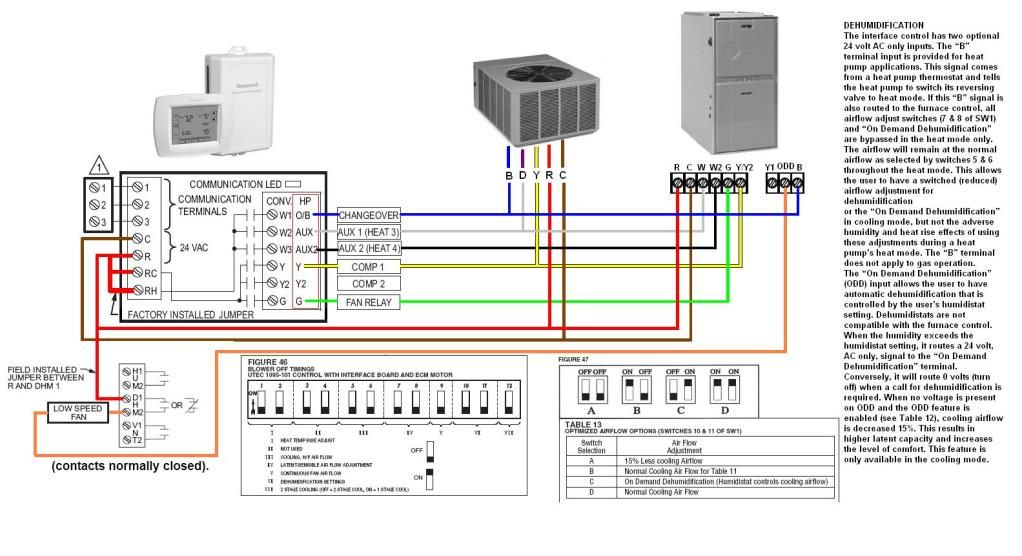
It's a chilly evening, and you turn up your thermostat, expecting the familiar whoosh of your Rheem gas furnace kicking into gear. But instead, you're met with silence. A cold house is more than just uncomfortable; it can quickly become a safety concern. Before you resign yourself to shivering under blankets or calling for emergency (and expensive!) professional help, let's walk through some common troubleshooting steps you can take to diagnose and potentially fix the problem yourself.
Understanding the Basics: Your Rheem Gas Furnace and Thermostat
Your thermostat and furnace work together as a team. The thermostat acts as the "brain," sensing the room temperature and sending a signal to the furnace when heat is needed. The furnace, the "brawn," then ignites the gas and circulates warm air throughout your home.
Important Safety Note: Gas and electricity can be dangerous. If you're uncomfortable working with either, or if you smell gas at any time, stop immediately and call a qualified HVAC technician or your gas company.
Troubleshooting a Rheem Gas Furnace: A Step-by-Step Guide
Step 1: The Obvious Checks – Power and Settings
Start with the simplest solutions, as they often solve the problem quickly:
- Thermostat Batteries: Many digital thermostats rely on batteries. A dead battery can prevent the thermostat from communicating with the furnace. Replace the batteries with fresh ones and see if that resolves the issue.
- Thermostat Settings: Ensure your thermostat is set to "Heat" and the temperature is set a few degrees higher than the current room temperature. Someone might have accidentally switched it off or lowered the temperature.
- Furnace Power Switch: Locate the furnace itself (usually in the basement, attic, or utility closet). There should be a dedicated power switch (often resembling a light switch) on or near the furnace. Make sure it's in the "On" position. It's easy for this switch to be accidentally turned off.
- Circuit Breaker: Check your home's electrical panel. Look for the circuit breaker labeled "Furnace" or "HVAC." If the breaker is tripped (in the "Off" or middle position), flip it all the way to the "Off" position and then back to the "On" position.
Step 2: Checking the Air Filter
A dirty air filter restricts airflow, which can cause the furnace to overheat and shut down. A blocked filter is a very common cause of furnace problems.
- Locate the Air Filter: It's usually located in the furnace itself or in a return air vent.
- Inspect the Filter: If the filter is visibly dirty (covered in dust and debris), replace it with a new one of the correct size. Check your furnace manual for the correct filter size.
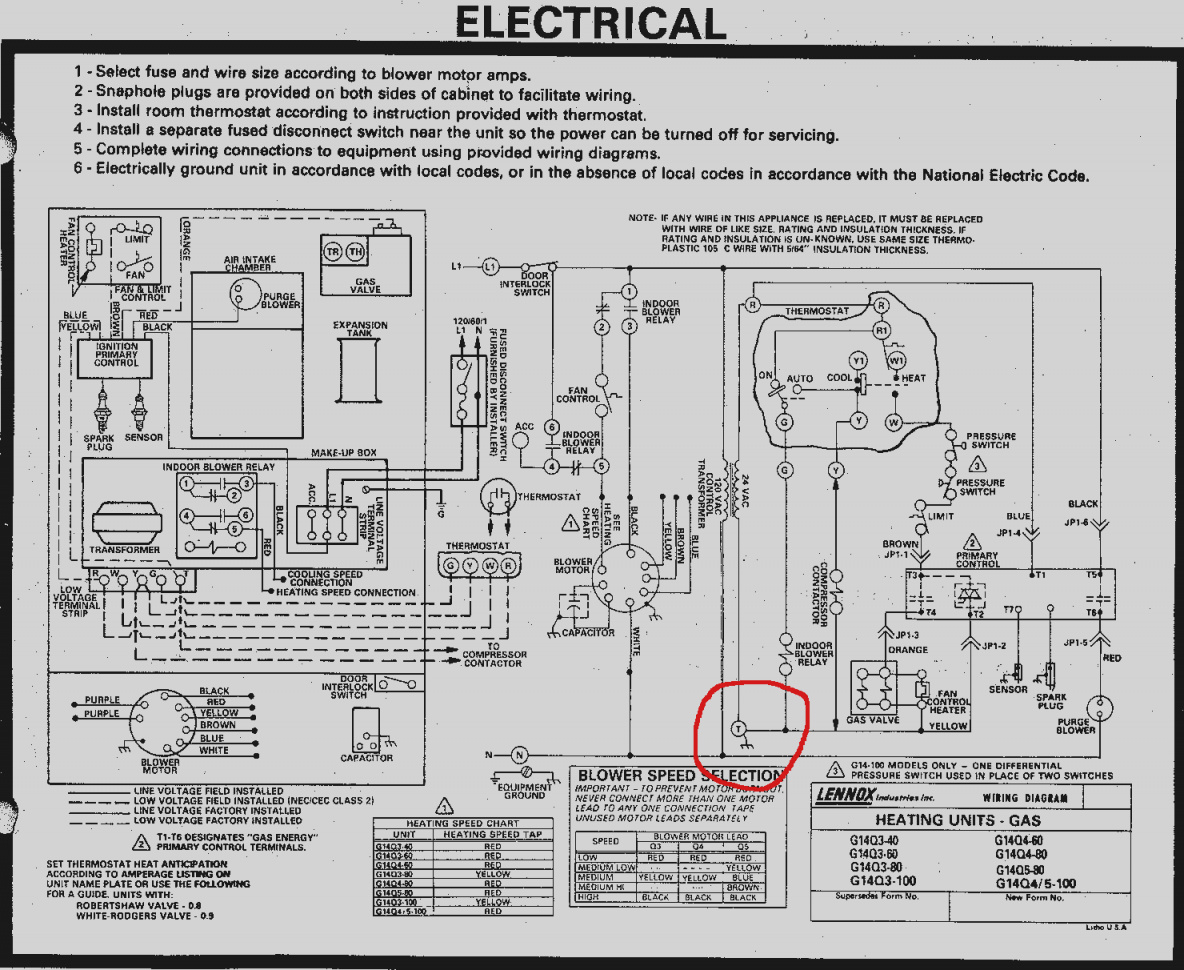
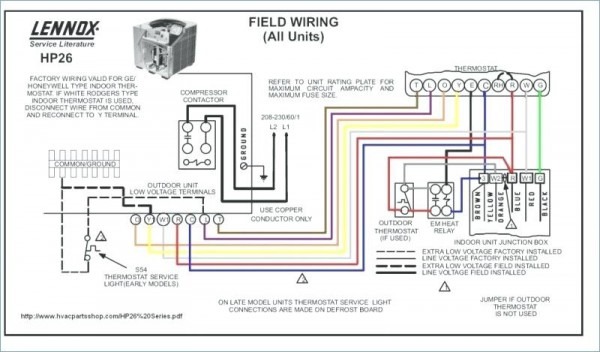
Step 3: Understanding Your Thermostat Wiring Diagram
Now, let's dive into the thermostat wiring. This is where things get a bit more technical, but understanding the basics can help you identify potential issues. Before proceeding, turn off the power to the furnace at the circuit breaker!
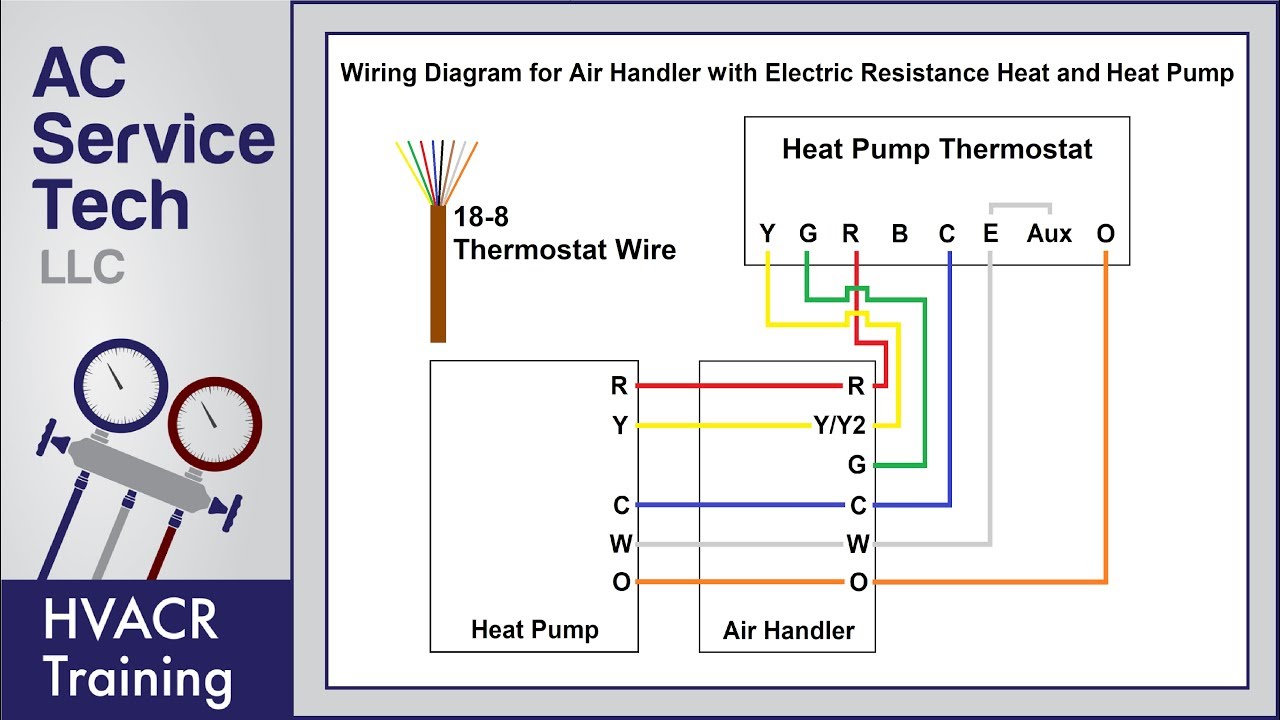
Common Thermostat Wire Labels:
- R (Red): Power – Typically 24VAC from the furnace transformer.
- Rh (Red Heat): Power for heating systems only. (May be jumpered to R)
- Rc (Red Cool): Power for cooling systems only. (May be jumpered to R)
- W (White): Heat – Activates the furnace.
- Y (Yellow): Cool – Activates the air conditioner.
- G (Green): Fan – Activates the blower fan.
- C (Common): Common wire (required for some thermostats, especially smart thermostats). Provides a complete circuit for power.
Finding Your Rheem Furnace Thermostat Wiring Diagram:
- Thermostat Manual: The most reliable source is the thermostat's instruction manual. Keep it in a safe place.
- Inside the Thermostat: Some thermostats have a simplified wiring diagram printed on the back of the thermostat itself or on the inside of the cover.
- Online Search: If you know the model number of your thermostat, you can usually find the wiring diagram online by searching "Rheem [Thermostat Model Number] wiring diagram."
Step 4: Inspecting the Thermostat Wiring
Once you have your wiring diagram, carefully inspect the wiring at both the thermostat and the furnace. Remember to turn off the power at the breaker first!
- Loose Connections: Are any wires loose or disconnected from the terminals? Gently tug on each wire to ensure it's securely fastened. If a wire is loose, use a small screwdriver to tighten the screw on the terminal.
- Corroded Wires: Look for signs of corrosion (green or white buildup) on the wires or terminals. Corrosion can impede the flow of electricity. If you find corrosion, gently clean the wire and terminal with a wire brush or fine sandpaper.
- Incorrect Wiring: Compare the actual wiring to the wiring diagram. Are the wires connected to the correct terminals? If not, carefully re-wire according to the diagram. Take a picture before you start disconnecting anything so you have a reference!
- Wire Insulation Damage: Check for any cracks or breaks in the wire insulation. Damaged insulation can cause shorts. If you find damaged insulation, use electrical tape to repair it.
Step 5: The Jumper Wire (R to Rc or Rh)
Many thermostats have a jumper wire connecting the R terminal to either the Rc or Rh terminal. This jumper is used to provide power to both the heating and cooling systems when they share a single power source. Consult your wiring diagram to determine if a jumper wire is needed.
- Missing Jumper: If your wiring diagram shows a jumper wire and it's missing, install one.
- Incorrect Jumper: Ensure the jumper wire is connected to the correct terminals (R to Rc or R to Rh).
Step 6: Resetting the Furnace
Many furnaces have a reset button, usually located near the blower motor. If the furnace has overheated, the reset button may trip, shutting down the furnace.
- Locate the Reset Button: It's usually a small, red or yellow button.
- Press the Reset Button: Press the reset button once. If the furnace still doesn't start, wait a few minutes and try again. If the reset button trips repeatedly, it indicates a more serious problem and requires professional attention.
Step 7: Checking the Flame Sensor (Advanced - Proceed with Caution!)
The flame sensor is a small metal rod located near the burner. Its job is to detect the presence of a flame. If the flame sensor is dirty or faulty, it can prevent the furnace from staying lit.
Important Safety Note: Working with the flame sensor requires working near the gas burner. If you are not comfortable with this, call a qualified HVAC technician.
- Locate the Flame Sensor: It's usually a small metal rod sticking out near the burner.
- Turn off the Gas: Before attempting to clean the flame sensor, turn off the gas supply to the furnace at the gas valve.
- Clean the Flame Sensor: Use a piece of fine-grit sandpaper or steel wool to gently clean the flame sensor. Remove any carbon buildup or oxidation.
- Reassemble and Test: Reassemble the furnace and turn the gas back on. Turn on the furnace and see if it stays lit.
When to Call a Professional
While these troubleshooting steps can often resolve common furnace problems, there are situations where you should always call a qualified HVAC technician:
- Smell of Gas: If you smell gas at any time, evacuate the area immediately and call your gas company.
- Carbon Monoxide Alarm: If your carbon monoxide alarm goes off, evacuate the house immediately and call the fire department.
- Electrical Issues: If you suspect any electrical problems beyond loose wires, such as burnt wires or sparking, call an electrician.
- Complex Repairs: If you're not comfortable working with gas, electricity, or complex furnace components (like the gas valve, igniter, or blower motor), call a professional.
- Persistent Problems: If you've tried these troubleshooting steps and the furnace still isn't working, it's likely there's a more serious underlying problem that requires professional diagnosis and repair.
- Pilot Light Issues: Modern furnaces rarely have pilot lights, but if yours does and it won't stay lit, this can indicate a problem with the gas valve or thermocouple, which is best left to a professional.
Preventative Maintenance: Keeping Your Furnace Running Smoothly
The best way to avoid furnace problems is to perform regular preventative maintenance. Here are some tips:
- Change the Air Filter Regularly: Check the air filter monthly and replace it when it's dirty.
- Schedule Annual Furnace Maintenance: Have a qualified HVAC technician inspect and tune up your furnace annually. This will help identify potential problems early and keep your furnace running efficiently.
- Keep the Area Around the Furnace Clear: Ensure there's adequate airflow around the furnace. Don't store anything directly in front of the furnace or blocking the vents.
- Consider a Smart Thermostat: Smart thermostats offer features like remote control, energy monitoring, and programmable schedules, which can help you save money and improve comfort.
By following these troubleshooting steps and performing regular maintenance, you can keep your Rheem gas furnace running smoothly and efficiently, ensuring a warm and comfortable home all winter long. Remember to prioritize safety and call a professional when needed. You've got this!