Rheem Water Heater Control Valve Failure

A Rheem water heater is a vital appliance in many homes, providing hot water for showers, dishwashing, and laundry. Like any mechanical device, however, components can fail over time. A particularly crucial, and potentially problematic, part is the control valve. When the control valve malfunctions, it can lead to a variety of issues, from lukewarm water to complete water heater failure. This guide will help you understand what a Rheem water heater control valve does, why it might fail, how to diagnose a problem, and what your options are for repair or replacement.
What is the Rheem Water Heater Control Valve?
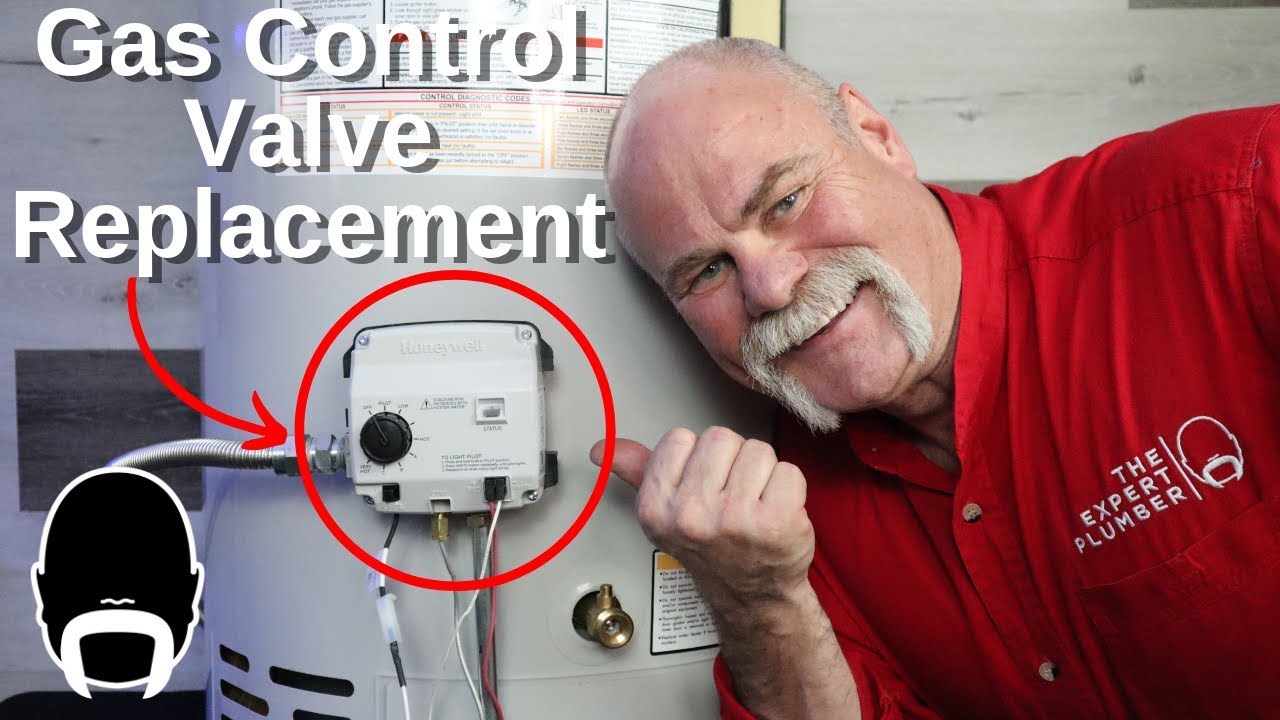
The control valve is the brain of your Rheem water heater, specifically for gas-powered models. It's a complex electro-mechanical device that regulates several critical functions:
- Gas Flow: The most important function is controlling the flow of natural gas or propane to the burner. It only allows gas to flow when the thermostat calls for heat.
- Temperature Regulation: The control valve monitors the water temperature via a thermostat. When the water temperature drops below the setpoint, the valve opens to allow gas flow. Once the desired temperature is reached, it closes, shutting off the gas.
- Safety Features: The control valve incorporates several safety mechanisms. For instance, it usually has a flame sensor that detects if the pilot light (on older models) or main burner is lit. If the flame is not detected, the valve shuts off the gas supply to prevent a gas leak. It also includes over-temperature protection, shutting down the heater if the water gets too hot.
- Pilot Light (Older Models): For older models, the control valve also manages the pilot light, ensuring it's lit before allowing gas to flow to the main burner.
Think of it like the conductor of an orchestra. The water heater's many "instruments" cannot properly function without the coordinated commands issued by the control valve.
Reasons for Control Valve Failure
Several factors can contribute to the failure of a Rheem water heater control valve. Understanding these reasons can help you prevent future problems and potentially extend the life of your water heater.
- Age: Like any mechanical component, control valves have a limited lifespan. Over time, the internal components can wear out due to repeated use, temperature fluctuations, and corrosion.
- Sediment Buildup: Sediment accumulation in the tank is a common issue. This sediment can interfere with the temperature sensor, causing the control valve to misread the water temperature or even block proper water flow. This is especially problematic in areas with hard water.
- Corrosion: Corrosion can affect the internal components of the control valve, particularly the gas valve and sensors. This corrosion can be caused by moisture, impurities in the gas supply, or galvanic reactions.
- Electrical Issues: The control valve relies on electrical signals from the thermostat and sensors. Power surges, voltage fluctuations, or wiring problems can damage the valve's electronic components.
- Gas Pressure Problems: Inconsistent or incorrect gas pressure can put a strain on the control valve, leading to premature failure. This can be caused by problems with the gas regulator or issues in the gas supply line.
- Overheating: Repeated overheating incidents can damage the control valve's internal components. This can be caused by a malfunctioning thermostat, excessive sediment buildup, or inadequate venting.
- Manufacturing Defects: Although less common, manufacturing defects can sometimes cause premature control valve failure.
Imagine the control valve as a complex machine that is always exposed to various conditions. Just like a car engine wears down with age and use, the control valve can succumb to wear and tear, corrosion, and other issues.
Signs of a Failing Control Valve
Recognizing the signs of a failing control valve early on can prevent further damage and potentially save you money on repairs. Here are some common symptoms:
- Lukewarm Water: This is one of the most common signs. If the water is not getting hot enough, or if it fluctuates between hot and lukewarm, the control valve may not be regulating the gas flow properly.
- No Hot Water: If you're not getting any hot water at all, the control valve may be completely shut off, preventing gas from reaching the burner.
- Pilot Light Issues (Older Models): If the pilot light keeps going out, or if it's difficult to light, the control valve may be failing to supply gas to the pilot burner consistently.
- Unusual Noises: Strange noises coming from the water heater, such as popping, hissing, or banging, can indicate a problem with the control valve or burner.
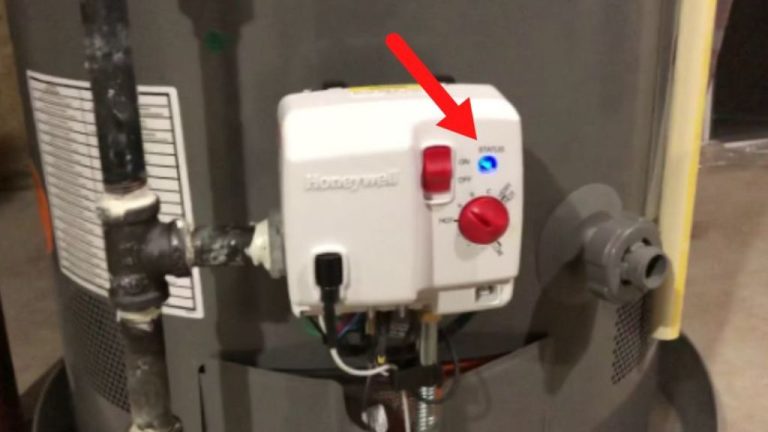
- Error Codes: Many modern Rheem water heaters have electronic control panels that display error codes. These codes can often pinpoint specific problems with the control valve or other components. Consult your owner's manual for a list of error codes and their meanings.
- Gas Odor: A gas odor near the water heater is a serious safety concern and could indicate a leak. Immediately shut off the gas supply and call a qualified technician. While it might not be the control valve *directly* leaking, a malfunctioning valve could contribute to incomplete combustion and a build-up of unburnt gas.
- Water Temperature Fluctuations: If the water temperature suddenly spikes or drops dramatically, the control valve may not be regulating the gas flow correctly.
Think of these symptoms as "warning lights" on your car's dashboard. They're telling you that something is wrong and needs to be investigated.
Diagnosing a Control Valve Problem
Diagnosing a control valve problem requires some technical knowledge and experience. It is highly recommended that you hire a qualified plumbing or HVAC technician for this task, especially if you are not comfortable working with gas appliances. However, here are some basic steps that a technician might take to diagnose the issue:
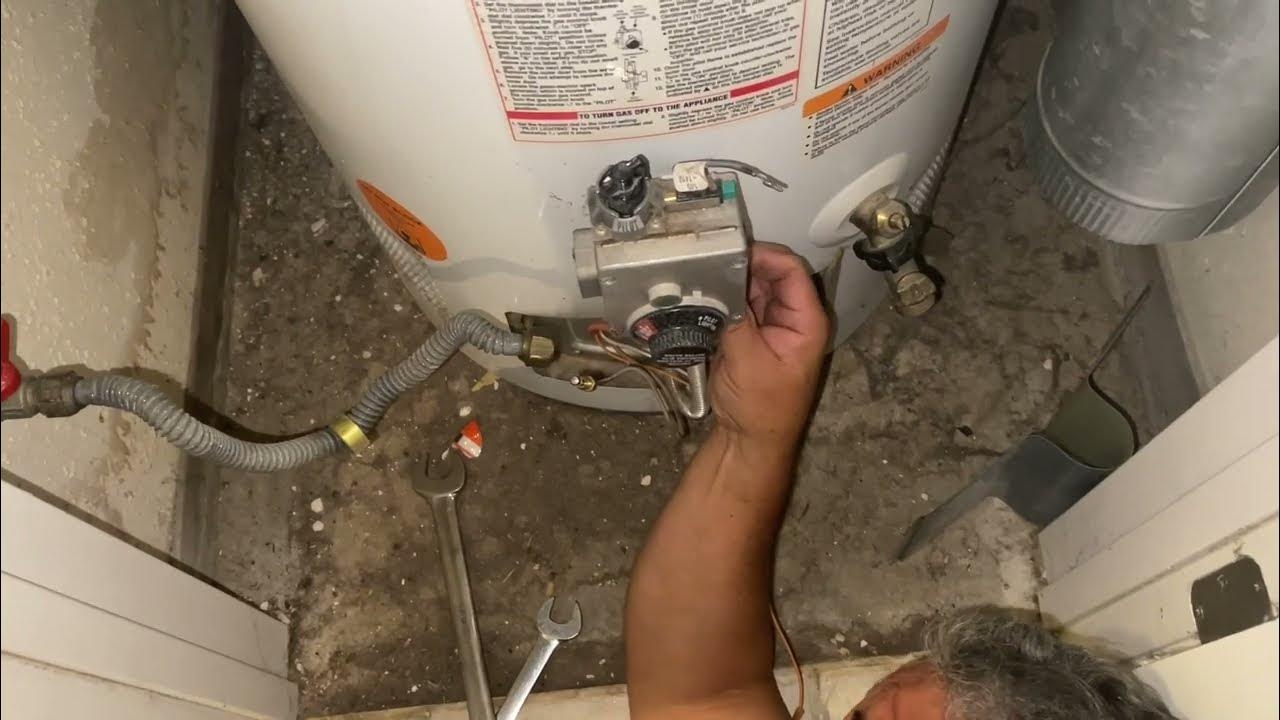
- Visual Inspection: The technician will start by visually inspecting the control valve for any signs of damage, corrosion, or leaks.
- Testing the Thermocouple/Flame Sensor: The thermocouple (older models) or flame sensor is responsible for detecting the presence of a flame. The technician will test this component to ensure it's working properly.
- Checking Gas Pressure: The technician will check the gas pressure to ensure it's within the correct range.
- Testing the Thermostat: The technician will test the thermostat to ensure it's sending the correct signals to the control valve.
- Using a Multimeter: A multimeter can be used to test the electrical components of the control valve, such as the gas valve solenoid.
- Checking for Error Codes: If the water heater has an electronic control panel, the technician will check for any error codes that may indicate a problem with the control valve.
This diagnostic process is similar to a doctor examining a patient. The technician gathers information, runs tests, and uses their expertise to determine the cause of the problem.
Repair vs. Replacement
Once the problem has been diagnosed, the next step is to determine whether to repair or replace the control valve. Here are some factors to consider:
- Cost: Replacing a control valve can be expensive, but repairing it may not always be a cost-effective solution. If the valve is old or severely damaged, replacement may be the better option in the long run.
- Age of the Water Heater: If your water heater is nearing the end of its lifespan (typically 8-12 years), it may be more economical to replace the entire unit rather than just the control valve.
- Severity of the Damage: If the control valve is only slightly damaged, it may be possible to repair it. However, if the damage is extensive, replacement is usually the best option.
- Availability of Parts: Depending on the age and model of your water heater, replacement parts may not be readily available. If this is the case, replacement may be the only option.
Think of it like repairing a car. Sometimes, fixing a small problem is worthwhile. But if the car is old and has multiple issues, it might be better to buy a new one.
Finding a Qualified Technician
When dealing with gas appliances, it's crucial to hire a qualified and licensed technician. Here are some tips for finding the right professional:
- Check for Licenses and Certifications: Make sure the technician is licensed and certified to work on gas appliances in your area.
- Read Online Reviews: Check online reviews and ratings to see what other customers have to say about the technician's work.
- Ask for References: Ask the technician for references from previous customers.
- Get Multiple Quotes: Get quotes from several technicians before making a decision.
- Verify Insurance: Ensure the technician has adequate insurance coverage.
Finding the right technician is like choosing a doctor. You want someone who is experienced, qualified, and trustworthy.
Preventative Maintenance
While control valve failure can sometimes be unavoidable, there are steps you can take to help prevent problems and extend the life of your water heater:
- Flush the Tank Regularly: Flushing the tank every six months to a year can help remove sediment buildup, which can damage the control valve and other components.
- Inspect the Anode Rod: The anode rod protects the tank from corrosion. Check the anode rod periodically and replace it when it becomes depleted.
- Maintain Proper Gas Pressure: Ensure the gas pressure to the water heater is within the correct range. If you suspect a problem with the gas pressure, contact your gas company or a qualified technician.
- Check for Leaks: Regularly inspect the water heater and surrounding area for leaks. Address any leaks promptly to prevent further damage.
- Professional Inspection: Have your water heater professionally inspected and serviced every year or two.
Think of these steps as routine check-ups for your car. Regular maintenance can help prevent major problems down the road.
Conclusion
A failing Rheem water heater control valve can cause a variety of problems, from lukewarm water to complete water heater failure. By understanding the function of the control valve, the reasons for its failure, and the signs of a problem, you can take steps to diagnose the issue and determine the best course of action. Remember to always hire a qualified technician for repairs and maintenance, and to perform regular preventative maintenance to extend the life of your water heater. Safety should always be your top priority when dealing with gas appliances. If you smell gas, immediately shut off the gas supply and call a qualified technician.