Rollout Switch Furnace

Frequently Asked Questions About Rollout Switch Furnaces
Rollout switch furnaces are a common type of heating system, but they can sometimes seem mysterious. This FAQ addresses common questions to help you understand how they work, identify potential issues, and ensure safe and efficient operation.
1. What exactly is a rollout switch furnace, and how does it work?
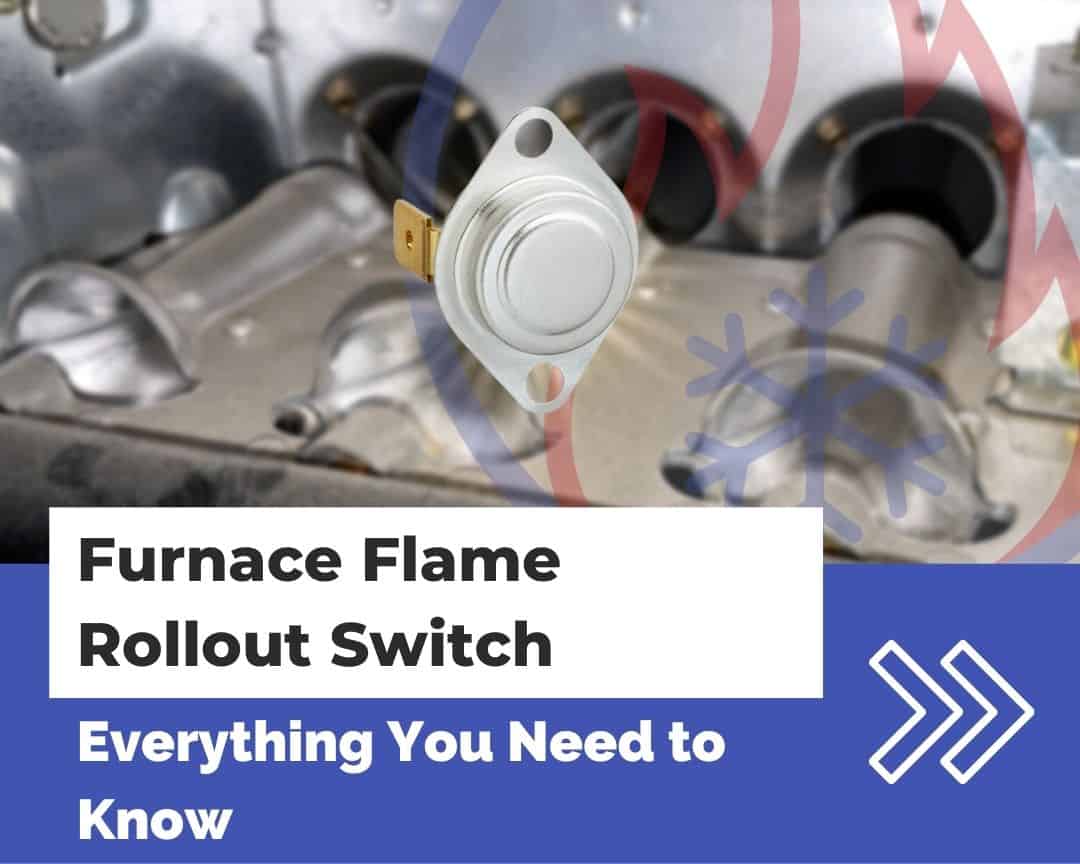
A rollout switch furnace is a type of gas furnace designed with a specific safety mechanism to prevent dangerous situations. The rollout switch itself is a heat-sensitive device strategically located near the burners. Its primary purpose is to detect if the flames from the burners are rolling out – meaning they're escaping the designated combustion chamber instead of being properly vented through the flue.
Here's a simplified breakdown of how it works:
- Normal Operation: In a properly functioning furnace, the gas burns inside the combustion chamber, and the hot exhaust gases are safely vented outside through the flue.
- Rollout Condition: Several factors can cause flames to "roll out," including a blocked flue, insufficient airflow, or a faulty burner.
- Switch Activation: When the rollout switch senses excessive heat from the escaping flames, it trips, immediately shutting off the gas supply to the burners.
- Safety Mechanism: This prevents further gas from being fed into a dangerous situation, minimizing the risk of fire, carbon monoxide poisoning, or damage to the furnace.
Essentially, it's a critical safety feature that protects you and your home from the hazards associated with improperly burning gas.
2. Where is the rollout switch located on my furnace, and how can I identify it?
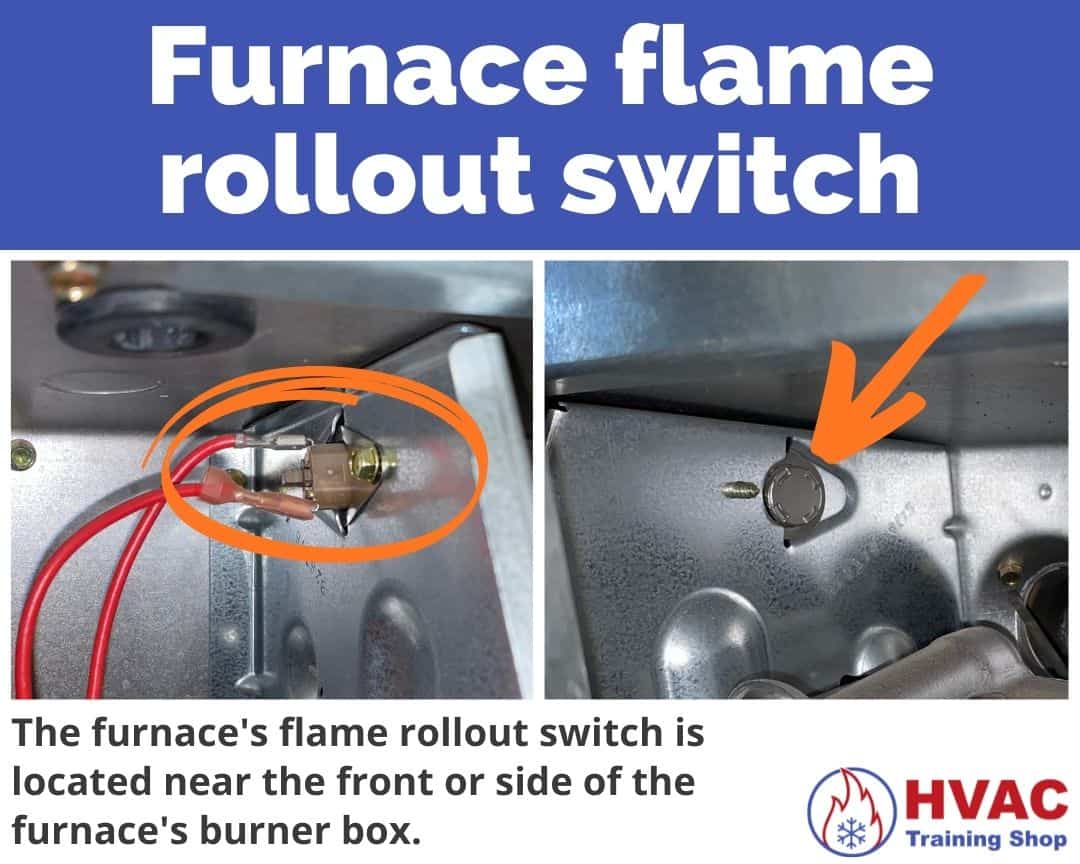
The location of the rollout switch can vary slightly depending on the furnace model and manufacturer, but it's generally found in one of the following locations:
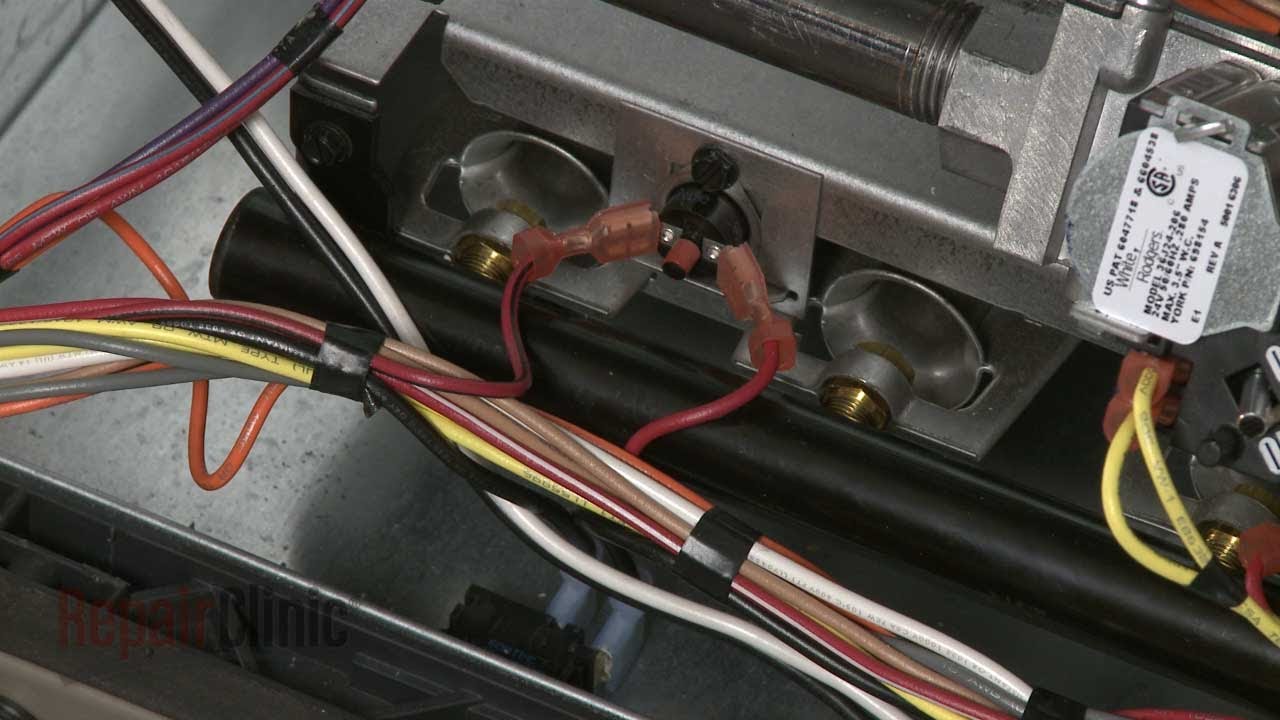
- Near the Burner Assembly: This is the most common location. Look for small, rectangular or circular devices mounted close to the burners, often on the front or sides of the combustion chamber.
- Along the Top or Sides of the Furnace: In some older models, the rollout switch may be positioned higher up, closer to where the flue connects.
- Behind Access Panels: Sometimes, the switch is hidden behind a removable panel for protection.
Here are some identifying characteristics:
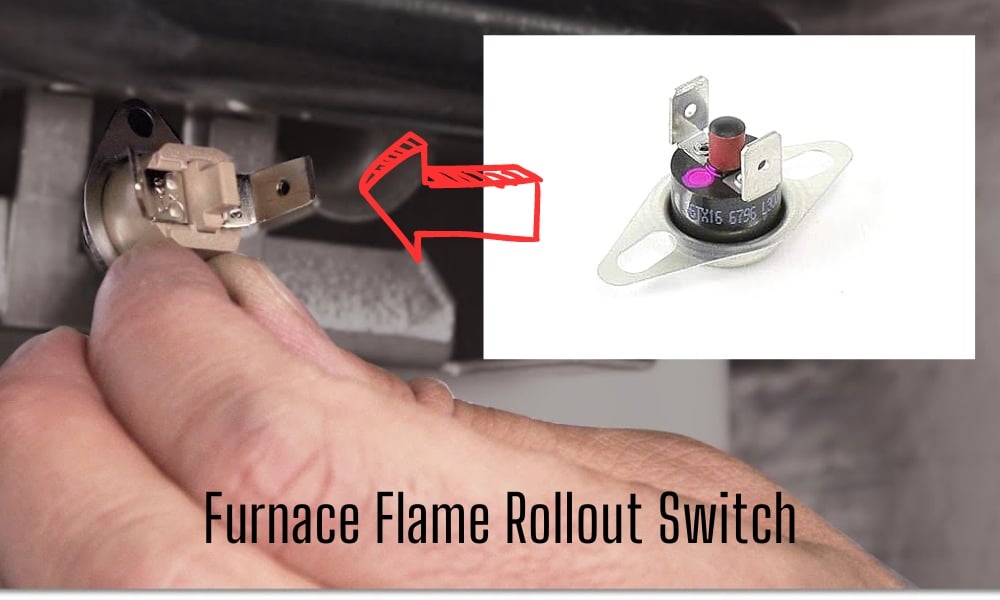
- Shape and Size: Rollout switches are usually small (typically 1-3 inches in size) and can be rectangular, circular, or disc-shaped.
- Wiring: They will have wires connected to them, as they are part of the furnace's electrical control circuit.
- Reset Button (Sometimes): Some rollout switches have a small, red reset button. Not all switches have this feature, but if yours does, it's a clear indication.
- Labeling: The switch may be labeled with terms like "Rollout Switch," "Flame Rollout Switch," or "Limit Switch."
Important Safety Note: If you're unsure about the location of the rollout switch, consult your furnace's owner's manual or contact a qualified HVAC technician. Never attempt to tamper with or bypass the rollout switch. It's a critical safety device, and disabling it could have serious consequences.
3. My furnace keeps shutting off, and I suspect the rollout switch is the problem. What could be causing it to trip repeatedly?
If your rollout switch is repeatedly tripping, it indicates a serious underlying issue that needs to be addressed. The switch is doing its job by shutting down the furnace, but it's crucial to find and fix the root cause of the flame rollout. Here are some potential causes:
- Blocked Flue: This is the most common reason. A blocked flue prevents the exhaust gases from escaping properly, causing the flames to roll out. This can be caused by debris, bird nests, or collapsed flue pipes. This is a serious safety hazard and requires immediate attention.
- Insufficient Airflow: The furnace needs proper airflow for combustion. A dirty air filter, blocked vents, or a malfunctioning blower motor can restrict airflow and cause flame rollout. Check and replace your air filter regularly.
- Faulty Burners: Damaged or corroded burners can cause an improper flame pattern, leading to flame rollout. This may require professional inspection and repair or replacement.
- Gas Pressure Issues: Incorrect gas pressure can also cause the burners to malfunction and produce flames that roll out. This requires a qualified gas technician.
- Heat Exchanger Problems: Cracks or leaks in the heat exchanger can disrupt the airflow and combustion process, leading to flame rollout. A damaged heat exchanger is a serious safety concern as it can lead to carbon monoxide leaks.
- Draft Issues: Negative pressure in the home can sometimes pull air down the flue, disrupting the furnace's draft and causing rollout.
What to do:
- Do not repeatedly reset the rollout switch. This is only a temporary fix and doesn't address the underlying problem. It can also be dangerous.
- Check your air filter. A dirty filter is an easy fix.
- Visually inspect the flue pipe for any obvious obstructions. However, do not attempt to clean the flue yourself unless you have the proper equipment and knowledge.
- Call a qualified HVAC technician immediately. They can diagnose the problem accurately and perform the necessary repairs safely and effectively.
4. Can I reset the rollout switch myself, and if so, how?
Resetting the rollout switch should only be done *after* you've identified and addressed the underlying cause of the flame rollout and are confident that the furnace is safe to operate. Repeatedly resetting the switch without fixing the problem is dangerous and ineffective.
Here's how to reset a rollout switch if it has a reset button:
- Turn off the furnace. Locate the main power switch for your furnace (usually near the unit) and turn it off.
- Locate the reset button. As mentioned earlier, not all rollout switches have a reset button. If yours does, it will be a small, usually red, button on the switch itself.
- Press the reset button. Use a finger or a small tool (like a pen) to gently press the button. You should hear a click.
- Turn the furnace back on. Turn the main power switch back on and monitor the furnace to see if it operates normally.
Important Considerations:
- If the rollout switch doesn't have a reset button, it's likely a one-time-use switch and needs to be replaced. Do not attempt to bypass or tamper with it.
- If the rollout switch trips again shortly after resetting it, *immediately turn off the furnace and call a qualified HVAC technician*. This indicates that the underlying problem hasn't been resolved.
- Never bypass or permanently disable the rollout switch. This is extremely dangerous and could lead to fire, carbon monoxide poisoning, or damage to your property.
In summary, resetting the rollout switch should be a last resort, *only performed after addressing the underlying problem*, and with the understanding that it might require professional intervention.
5. What are the safety implications of a malfunctioning or bypassed rollout switch?
A malfunctioning or, even worse, a bypassed rollout switch poses serious safety risks. The rollout switch is a critical safety device designed to prevent hazardous situations, and disabling it can have dire consequences.
Here's a breakdown of the potential safety implications:
- Fire Hazard: Flame rollout can ignite combustible materials near the furnace, such as insulation, dust, or other flammable items. This can lead to a serious fire that could quickly spread throughout your home.
- Carbon Monoxide Poisoning: When flames roll out, the furnace is not venting properly, which can cause carbon monoxide (CO) to build up inside your home. CO is a colorless, odorless, and deadly gas. Symptoms of CO poisoning include headache, dizziness, nausea, and confusion. Prolonged exposure can be fatal.
- Furnace Damage: Flame rollout can cause significant damage to the furnace itself, potentially warping or melting components. This can lead to costly repairs or the need for a complete furnace replacement.
- Property Damage: The heat from the flames can damage surrounding walls, ceilings, and other structural elements of your home.
Key Takeaway: The rollout switch is there for a reason – to protect you and your property. Never tamper with or bypass it. If your furnace is experiencing flame rollout issues, seek professional help immediately. Invest in a carbon monoxide detector and ensure it is functioning properly.
6. How often should I have my rollout switch furnace inspected by a professional?
Regular professional inspections are essential for maintaining the safety and efficiency of your rollout switch furnace. It is generally recommended to have your furnace inspected at least once a year, preferably before the start of the heating season.
Here's why regular inspections are important:
- Early Detection of Problems: A qualified HVAC technician can identify potential issues, such as a blocked flue, faulty burners, or gas leaks, before they become major problems.
- Ensuring Safe Operation: An inspection can verify that all safety devices, including the rollout switch, are functioning correctly.
- Optimizing Efficiency: A well-maintained furnace operates more efficiently, saving you money on your energy bills.
- Preventing Breakdowns: Regular maintenance can help prevent unexpected breakdowns during the coldest months, when you need your furnace the most.
- Extending Furnace Lifespan: Proper care can extend the life of your furnace, saving you the cost of premature replacement.
During an inspection, a technician will typically:
- Inspect the flue for blockages and proper draft.
- Clean and inspect the burners.
- Check the gas pressure.
- Inspect the heat exchanger for cracks or leaks.
- Test the rollout switch and other safety devices.
- Inspect and clean the blower motor.
- Check the air filter.
- Measure carbon monoxide levels.
In addition to annual professional inspections, homeowners should:
- Change the air filter regularly (every 1-3 months).
- Keep the area around the furnace clean and free of combustible materials.
- Be aware of any unusual noises or smells coming from the furnace.
- Install and maintain carbon monoxide detectors.
7. Are there any specific signs I should look for that indicate my rollout switch furnace needs immediate attention?
Yes! Being vigilant and recognizing warning signs can help you prevent potentially dangerous situations and costly repairs. Here are some specific signs that indicate your rollout switch furnace requires immediate attention:
- The furnace keeps shutting off repeatedly: As mentioned before, this is a common symptom of a tripping rollout switch and signifies an underlying problem. Do not ignore this.
- The smell of gas: A gas odor near the furnace is a serious warning sign. Immediately turn off the gas supply to the furnace (if you know how to do so safely) and call your gas company or a qualified HVAC technician.
- Soot or black marks around the furnace: This can indicate incomplete combustion and potential flame rollout.
- Visible flames rolling out of the burner compartment: This is a critical emergency. Turn off the furnace immediately and call the fire department and a qualified HVAC technician.
- Unusual noises, such as popping, banging, or hissing: These noises can indicate various problems, including gas leaks, burner issues, or flue blockages.
- Symptoms of carbon monoxide poisoning: If you experience headache, dizziness, nausea, or confusion, especially when the furnace is running, immediately evacuate the house and call 911.
- A carbon monoxide detector alarm sounding: This is a clear indication that there is a dangerous level of carbon monoxide in your home. Evacuate immediately and call 911.
- Any signs of damage to the furnace, such as rust, corrosion, or cracks: These can compromise the furnace's safety and efficiency.
Remember, when it comes to gas furnaces, it's always better to be safe than sorry. If you notice any of these warning signs, don't hesitate to call a qualified HVAC technician immediately. Your safety and the safety of your home depend on it!