Runtru By Trane Reviews Consumer Reports
Choosing a new HVAC system can feel overwhelming. You’re bombarded with brands, models, and features, all promising the best comfort and efficiency. One name that frequently pops up is RunTru by Trane. But how does it stack up against the competition? This guide provides an in-depth look at RunTru by Trane, exploring its pros, cons, and real-world performance to help you make an informed decision.
What is RunTru by Trane?
RunTru by Trane is designed as a more affordable alternative to Trane's premium line. It offers a simplified approach, focusing on essential features and reliable performance without the advanced technology and higher price tag of its parent brand. This makes it an attractive option for homeowners on a budget or those who prioritize straightforward functionality.
Key Features of RunTru Systems
While RunTru may be Trane's budget-friendly option, it still boasts several noteworthy features:
- Reliable Components: RunTru systems utilize many of the same time-tested components found in Trane units, ensuring durability and longevity.
- Simplified Design: The streamlined design simplifies installation and maintenance, potentially reducing labor costs.
- Competitive Pricing: RunTru offers a significantly lower price point compared to Trane's higher-end models, making it accessible to a wider range of homeowners.
- Standard Warranty: RunTru systems come with a standard warranty, providing peace of mind and protection against manufacturing defects. Check the specifics of the warranty with your installer.
RunTru vs. Trane: What's the Difference?
Understanding the distinctions between RunTru and Trane is crucial for making the right choice:
- Price: RunTru is significantly more affordable.
- Efficiency: Trane typically offers higher SEER (Seasonal Energy Efficiency Ratio) ratings, leading to greater energy savings over time. RunTru focuses on meeting minimum efficiency standards.
- Features: Trane systems often include advanced features like smart thermostats, zoning capabilities, and variable-speed technology. RunTru prioritizes essential functionality.
- Customization: Trane provides a wider range of models and configurations to suit specific needs. RunTru offers a more limited selection.
- Warranty: While both brands offer warranties, Trane's warranties may be more comprehensive and longer.
Pros and Cons of RunTru by Trane
Let's break down the advantages and disadvantages of choosing a RunTru system:
Pros:
- Affordability: The most significant advantage is the lower upfront cost.
- Reliability: Utilizes proven components from Trane.
- Simplified Maintenance: Easier to service due to its straightforward design.
- Trusted Brand: Backed by the reputation and expertise of Trane.
Cons:
- Lower Efficiency: May not offer the same energy savings as higher-end models.
- Fewer Features: Lacks advanced features and customization options.
- Potentially Shorter Lifespan: While reliable, it may not last as long as a premium Trane system with proper maintenance.
- Resale Value: Might not add as much to resale value compared to a top-tier brand.
Consumer Reports and Online Reviews: What Do People Say?
While Consumer Reports ratings can be a valuable resource, HVAC system ratings often fluctuate due to the complexity of testing and changing models. It's always wise to supplement their findings with other sources. Online reviews from homeowners can provide valuable insights into real-world experiences. Look for reviews on sites like:
- HVAC-specific forums and communities
- Retailer websites that sell RunTru systems
- Third-party review platforms like Angie's List or HomeAdvisor
When reading reviews, pay attention to recurring themes such as:
- Installation quality
- System performance and reliability
- Customer service experiences
- Overall satisfaction
Common RunTru Problems and Troubleshooting
Even reliable systems can encounter issues. Here are some common problems you might experience with a RunTru system and some basic troubleshooting tips:
Common Issues:
- Unit Not Turning On: Check the thermostat settings, circuit breaker, and emergency shut-off switch.
- Weak Airflow: Inspect air filters for blockage and ensure vents are open.
- Unusual Noises: Identify the source of the noise (e.g., rattling, hissing, banging) to help diagnose the problem.
- Leaking Water: Check the condensate drain line for clogs or blockages.
- Thermostat Problems: Ensure the thermostat is properly programmed and has fresh batteries.
Troubleshooting Tips (Safety First! Turn off power before inspecting any components):
- Check the Air Filter: A dirty air filter is a common culprit for many HVAC problems. Replace it regularly (every 1-3 months).
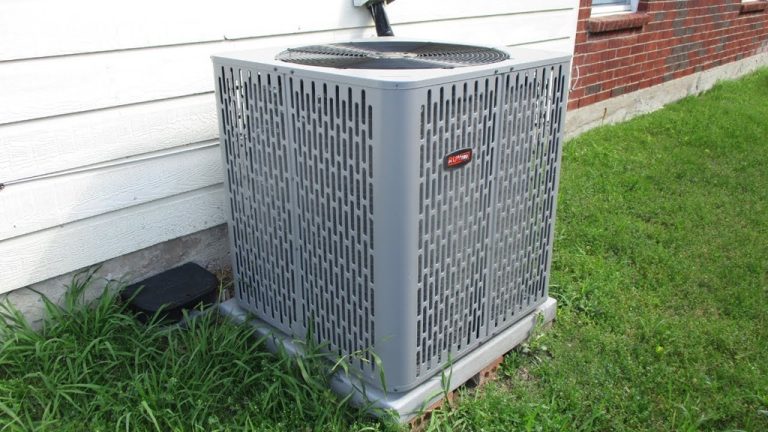
- Inspect the Condenser Unit: Remove any debris (leaves, grass, etc.) from around the outdoor unit.
- Clear the Condensate Drain Line: Use a wet/dry vacuum or a stiff wire to clear any blockages in the drain line.
- Reset the System: Turn off the power to the unit at the breaker for a few minutes, then turn it back on.
- Check Thermostat Settings: Ensure the thermostat is set to the correct mode (heat or cool) and temperature.
When to Call a Professional
While some basic troubleshooting can be done yourself, certain issues require the expertise of a qualified HVAC technician. Never attempt repairs that you are not comfortable with or that involve working with electrical components or refrigerant. Call a professional if you experience any of the following:
- Refrigerant leaks
- Electrical problems
- Compressor issues
- Major component failures
- If you are uncomfortable performing any troubleshooting steps
Estimated Repair Costs
Repair costs for RunTru systems can vary depending on the nature of the problem, the parts required, and the labor rates in your area. Here are some ballpark estimates:
- Air Filter Replacement: $10 - $30 (DIY)
- Condensate Drain Line Cleaning: $75 - $150
- Thermostat Replacement: $100 - $300
- Capacitor Replacement: $150 - $300
- Contactor Replacement: $200 - $400
- Refrigerant Recharge: $200 - $500+ (depending on the amount of refrigerant needed)
- Compressor Replacement: $1,500 - $3,500+
Note: These are just estimates. It's always best to get a quote from a qualified HVAC technician before proceeding with any repairs.
Is RunTru by Trane Right for You?
Ultimately, the decision of whether to choose a RunTru system depends on your individual needs and priorities. Consider the following factors:
- Budget: How much are you willing to spend on a new HVAC system?
- Energy Efficiency: How important are energy savings to you?
- Features: Do you need advanced features or are you happy with basic functionality?
- Longevity: How long do you plan to stay in your home?
If you're looking for an affordable and reliable HVAC system from a trusted brand, RunTru by Trane could be a good option. However, if you prioritize energy efficiency, advanced features, and a longer lifespan, you may want to consider investing in a higher-end model.
Installation Considerations
Proper installation is crucial for the performance and longevity of any HVAC system, including RunTru. It is highly recommended to have your RunTru system installed by a qualified and licensed HVAC technician. A professional installation ensures that the system is properly sized, configured, and connected, maximizing its efficiency and minimizing the risk of problems down the road. When selecting an installer, be sure to:
- Check their credentials and licensing.
- Read online reviews and ask for references.
- Get multiple quotes.
- Ensure they are familiar with RunTru systems.
Maintenance Tips for RunTru Systems
Regular maintenance is essential for keeping your RunTru system running smoothly and efficiently. Here are some tips:
- Change the air filter regularly (every 1-3 months).
- Clean the outdoor unit of debris.
- Inspect the condensate drain line.
- Schedule annual professional maintenance.
A well-maintained system will last longer, operate more efficiently, and provide consistent comfort for years to come.